 Instrumentiverse

Introduction to Music Theory in Modern Hits
Many aspiring songwriters wonder how chart-topping tracks achieve their emotional impact and catchiness. The answer often lies in solid music theory foundations applied creatively. This article deconstructs real examples from popular songs to reveal how diatonic harmony, tension-building, and melodic choices drive success. Whether you are a beginner or intermediate producer, these insights provide actionable steps to elevate your own writing. Recent hits demonstrate that theory is not restrictive but a toolkit for innovation. By studying verse-to-chorus shifts and scale selections, you can replicate proven structures while adding your unique voice. Understanding these elements helps bridge the gap between abstract concepts and practical songcraft, allowing you to create music that resonates on both emotional and structural levels.
Over the following sections we will explore specific techniques used in contemporary chart successes, offering step-by-step breakdowns and real-world applications that go far beyond basic lessons.
Diatonic Harmony: The Backbone of Chart Success
Diatonic harmony uses notes and chords strictly from a single major or minor scale. This creates a cohesive, pleasing sound that resonates with listeners. For instance, many pop tracks rely on the I-V-vi-IV progression in major keys, which appears in songs across genres. In a major key like C major, the chords are C-G-Am-F. The movement from the tonic (I) to the dominant (V) creates resolution, while the minor vi adds emotional depth. Songwriters can adapt this by experimenting with inversions or slight variations to avoid clichés. Diatonic choices also extend to minor keys where the i-iv-v progression provides a darker foundation often heard in alternative and indie hits. Mastering these relationships allows you to predict listener expectations and then strategically subvert them for greater impact.
Authoritative resources like musictheory.net offer interactive tools to practice these progressions in context.
Analyzing Chord Progressions in Recent Hits
Let's examine specific examples. In tracks like those by Olivia Rodrigo or The Weeknd, common progressions mix diatonic chords with borrowed elements for surprise. A step-by-step breakdown starts with identifying the key, then mapping chords to scale degrees. Step 1: Determine the root key by listening for the tonal center. Step 2: List the diatonic triads. Step 3: Note any non-diatonic chords that heighten tension. This method reveals why certain hooks stick in your head. Further analysis of songs from 2024 and 2025 shows frequent use of the vi-IV-I-V loop in verses that transitions into more complex variations during the chorus. Comparisons show that verses often use simpler, more static progressions to support storytelling, while choruses expand with fuller voicings or secondary dominants.
Verse vs. Chorus: Structural Comparisons
Verses typically feature lower energy and narrative lyrics supported by sparse chord changes. Choruses explode with higher dynamics, often shifting to brighter chords or adding suspensions for lift. This contrast mirrors classic song form but updates it with modern production. For example, a verse might cycle through I-vi-IV-V slowly, allowing melody to shine. The chorus then accelerates harmonic rhythm or introduces a ii-V turnaround. Practicing these shifts helps songwriters control listener engagement. Additional distinctions appear in rhythmic placement: verses favor syncopated melodies over steady chords, whereas choruses emphasize strong downbeats and layered harmonies. By studying these differences across multiple hits, you learn to craft dynamic builds that keep audiences hooked from start to finish.
Place your focus here for maximum impact: 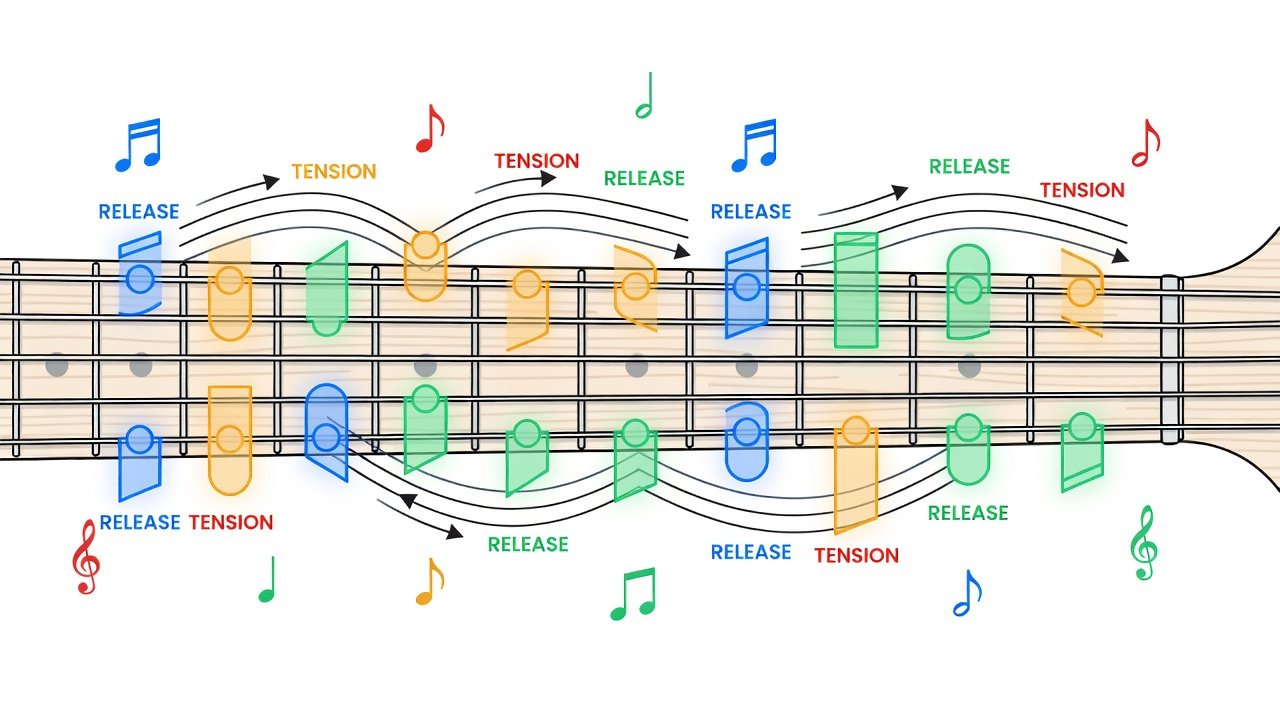
Scales and Harmony Choices in Hit Songs
Scales form the melodic and harmonic foundation of every track. Major scales dominate upbeat pop while minor and modal scales appear in emotionally charged ballads. The Mixolydian mode, for instance, adds a bluesy flavor frequently found in rock-infused hits. When choosing harmony, writers often combine diatonic chords with pentatonic or blues scales for vocal lines. This creates memorable hooks that feel both familiar and fresh. Expanding your scale vocabulary allows greater flexibility when adapting progressions to different genres or moods.
Tension-Building Techniques and Melodic Structure
Tension arises from delayed resolutions, chromatic passing tones, or modal mixture. Melodic structure benefits from contour variety—mixing leaps and steps within the scale. Beginners can start by outlining the pentatonic scale over diatonic chords before adding passing notes. Practical tip: Record a simple loop and improvise melodies, noting which intervals create emotional peaks. Avoid overcomplicating by limiting yourself to diatonic notes initially. Advanced techniques include using appoggiaturas and escape tones to heighten drama without leaving the key signature. These methods appear consistently in recent chart material where subtle tension keeps listeners returning to the track.
Beginner-Friendly Exercises for Songwriters
- Exercise 1: Write a four-bar loop using only I, IV, and V chords. Sing a melody over it and note emotional responses.
- Exercise 2: Compare your verse and chorus by swapping one chord; analyze the difference in tension.
- Exercise 3: Transcribe a short section from a hit song and label all scale degrees.
- Exercise 4: Adapt a progression into a new key and experiment with rhythmic variations.
- Exercise 5: Create a melody using only notes from the major pentatonic scale, then add one chromatic note for tension.
- Exercise 6: Build a full eight-bar section alternating between two contrasting harmonic rhythms.
These drills build intuition without stifling creativity and can be repeated with different keys to develop versatility.
Practical Tips for Adapting Theory into Original Work
Start by analyzing one song per week using the steps above. Layer theory knowledge gradually—focus on harmony first, then melody. Collaborate with others to test ideas in real time. Remember that theory serves the song; let emotional intent guide choices rather than rules. Additional strategies include keeping a journal of chord progressions that evoke specific feelings and testing them in multiple time signatures. Over time these habits turn theoretical knowledge into instinctive songwriting decisions. Further reading is available at soundonsound.com and classicfm.com for production-focused applications.
FAQ: Applying Music Theory Without Overcomplicating Creativity
Q: Do I need to know every scale before writing? A: No. Begin with major and minor scales plus the pentatonic for quick results.
Q: How do I avoid sounding like every other hit song? A: Introduce one non-diatonic chord or rhythmic twist per section to differentiate your work.
Q: Is music theory only for classical musicians? A: Modern hits prove it applies directly to pop, hip-hop, and electronic genres through harmony and structure analysis.
Q: What if theory kills my inspiration? A: Use it post-composition for refinement, not during initial idea generation.
Q: Can these techniques work in non-pop genres? A: Yes, the same principles of tension, resolution, and scale choice translate effectively to country, R&B, and electronic music.
By deconstructing chart-toppers this way, songwriters gain concrete tools to craft memorable music while preserving artistic freedom. Consistent practice with these concepts leads to stronger, more intentional compositions that stand out in a crowded market.


No comments yet. Be the first!