 Instrumentiverse
The Surprising Classical DNA in 80s Music Hits
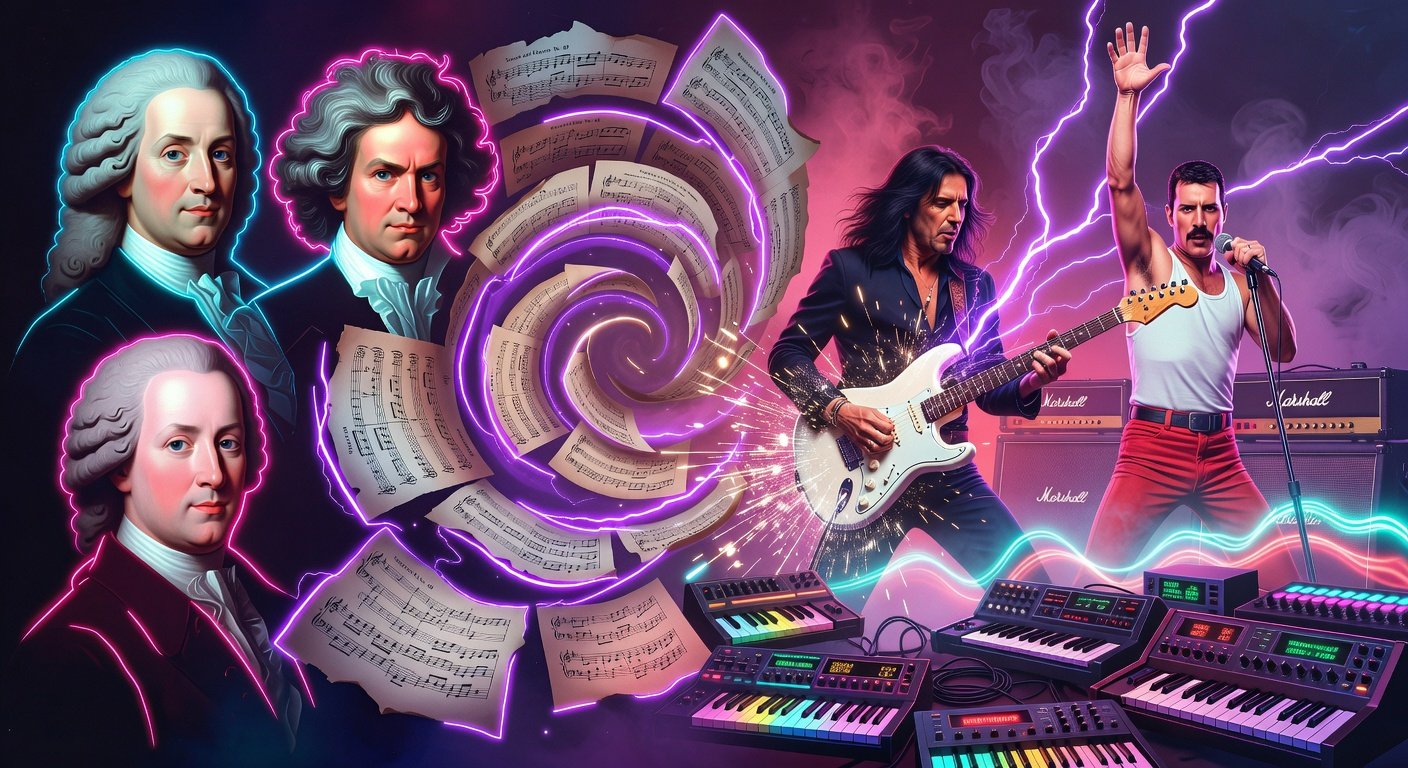
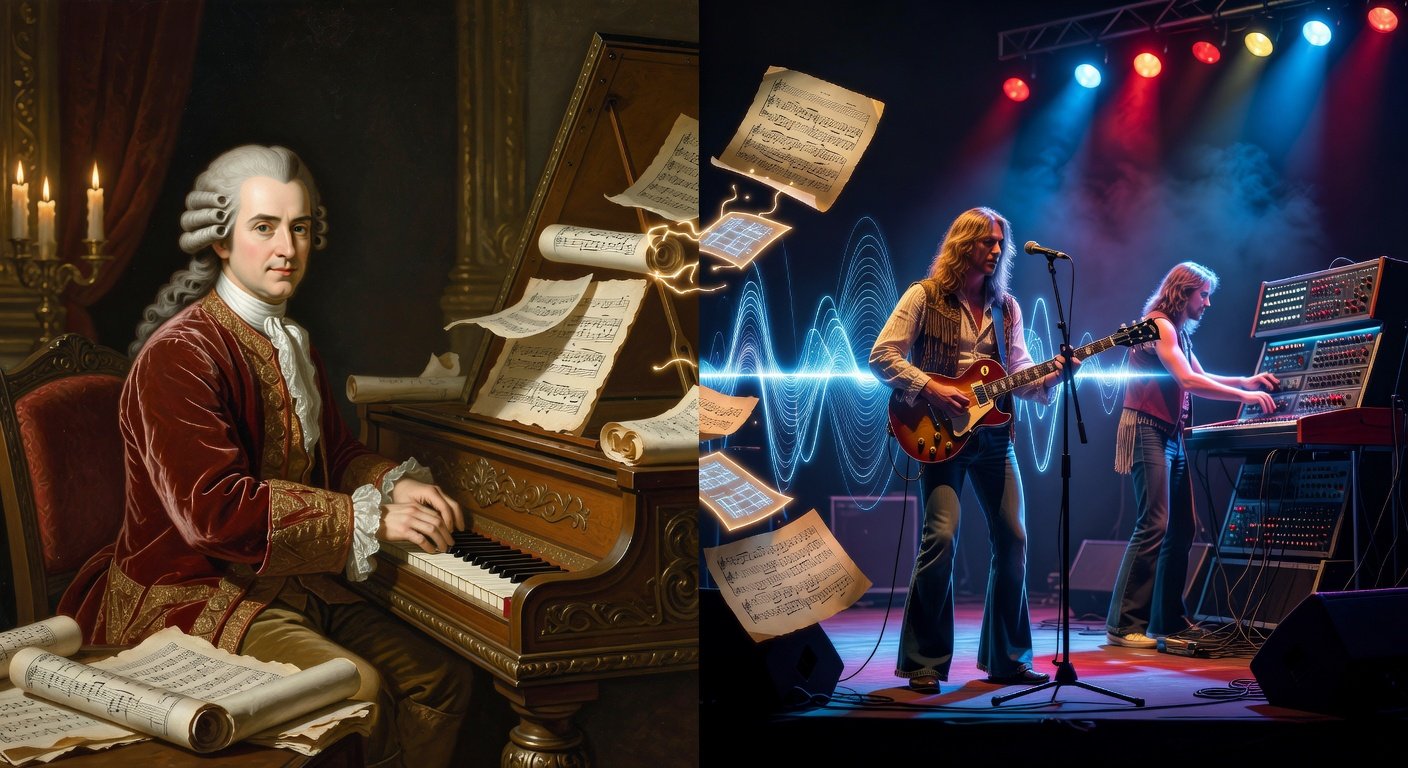
The 1980s exploded with synth-pop, arena rock, and new wave, but beneath the neon glamour and big hair lay echoes of the classical era. Composers like Johann Sebastian Bach and Ludwig van Beethoven pioneered techniques—counterpoint, intricate orchestration, and recurring motifs—that subtly influenced rock's evolution. Counterpoint involves weaving independent melodic lines, creating rich textures heard in prog rock harmonies. Orchestration, the art of assigning instruments for emotional depth, inspired 80s producers to layer synths and guitars like a symphony orchestra.
These connections aren't coincidences. Many 80s musicians studied classical music, from Queen's Brian May to Yes's Steve Howe. This fusion bridged Baroque complexity with MTV-era hooks, proving classical techniques supercharged rock's emotional punch. Dive into seven iconic 80s tracks revealing these overlooked ties.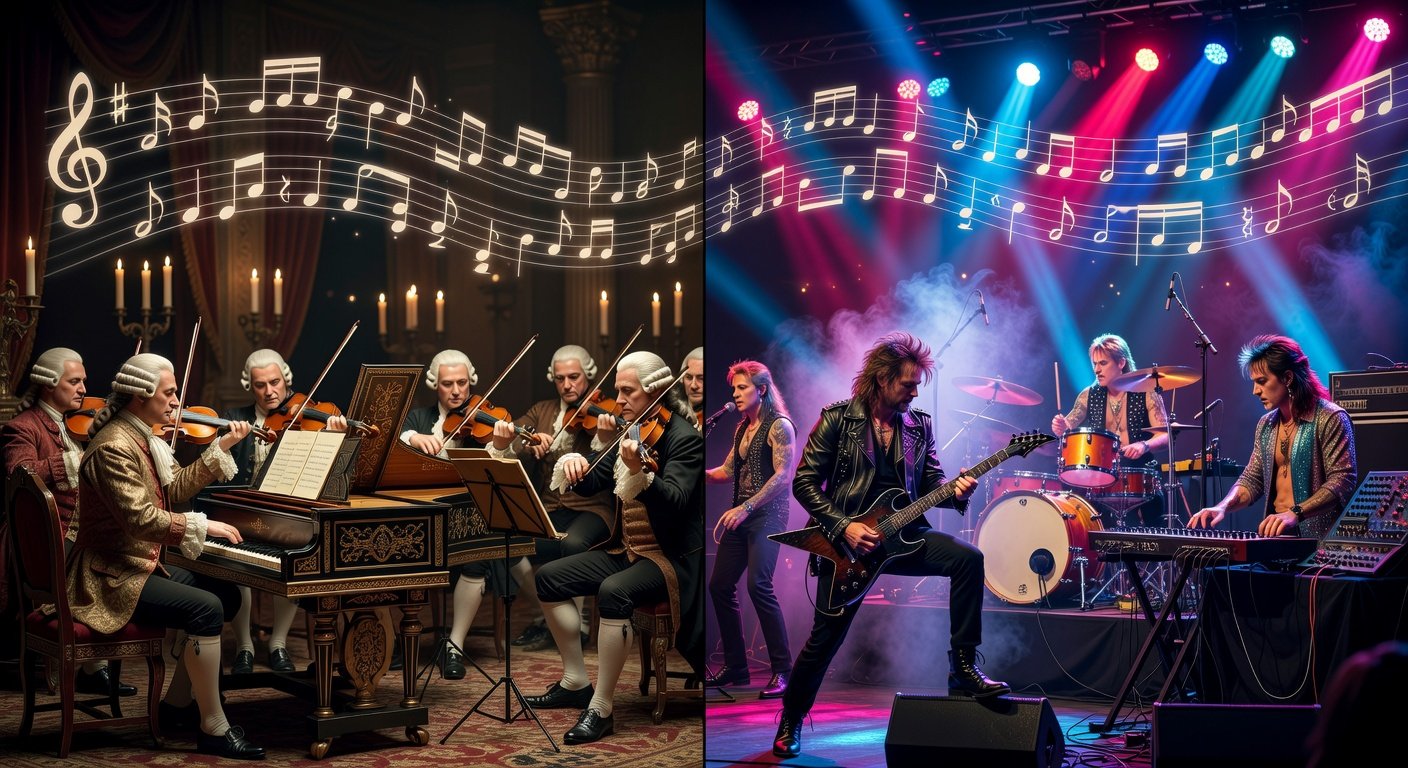
7 80s Tracks with Classical Inspirations
Rainbow – "Difficult to Cure" (1981)
Rainbow's hard rock epic directly adapts Beethoven's Symphony No. 9 "Ode to Joy." The soaring chorus guitar riff mirrors the symphony's triumphant choral melody, transforming classical grandeur into headbanging fury. Ritchie Blackmore's orchestration layers guitars and keyboards like Beethoven's winds and strings, building tension to explosive release. This track showcases how Beethoven's motifs evolved into arena rock anthems, influencing metal's symphonic edge. For more on the composer, see Beethoven's Britannica profile.
Falco – "Rock Me Amadeus" (1985)
This synth-pop #1 smash pays homage to Wolfgang Amadeus Mozart with harpsichord flourishes and playful motifs from his operas. The driving beat overlays classical piano runs reminiscent of Mozart's Rondo alla Turca, blending Viennese wit with 80s rap-rock energy. Falco's orchestration mimics Mozart's chamber ensembles, using synths for strings and beats for percussion. It highlights how classical playfulness fueled pop's eccentric side.
Yes – "Owner of a Lonely Heart" (1983)
Yes's prog masterpiece employs Bach-like counterpoint, with interlocking guitar and synth lines weaving independent melodies. Jon Anderson's vocals dance over Trevor Rabin's riffs, echoing Bach's fugues where themes chase each other. The track's complex harmonies, rooted in Baroque polyphony, gave 80s new wave its sophisticated depth. Dive deeper into Bach's techniques via Bach's Britannica entry.
Queen – "Who Wants to Live Forever" (1986)
From Highlander, this ballad channels Beethoven's symphonic orchestration. Brian May's cascading guitars evoke string tremolos from Beethoven's late quartets, while Freddie Mercury's soaring lines mimic operatic motifs. The build-up uses dynamic contrasts—piano to forte—like classical crescendos, turning rock balladry into epic lament. Queen's classical training shines, bridging Romantic orchestration with 80s power ballads.
Iron Maiden – "The Trooper" (1983)
Maiden's galloping riff deploys counterpoint akin to Bach's inventions, with dual guitars trading motifs in precise interplay. Bruce Dickinson's narrative draws from historical drama like Beethoven's Eroica, with martial rhythms evoking symphonic battles. Steve Harris's bass lines provide fugal foundation, proving metal's debt to classical structure for its relentless drive.
Van Halen – "Jump" (1984)
Eddie Van Halen's iconic synth riff nods to Bach's organ toccatas, with arpeggiated runs and harmonic progressions mirroring Toccata and Fugue in D Minor. The orchestration layers Eddie’s whammy-bar guitars over synths like a Baroque continuo, propelling the upbeat hook. This fusion made stadium synth-rock a 80s staple.
Toto – "Rosanna" (1982)
Toto's shuffle features orchestration inspired by Beethoven's piano sonatas, with Steve Porcaro's keyboards riffing on classical shuffles. Counterpoint emerges in vocal harmonies and guitar-bass dialogue, creating lush textures. The half-time bridge builds like a symphony movement, showcasing session pros' classical chops in pop perfection.
Why These Connections Matter for Music Fans
These tracks reveal rock's classical backbone, showing how counterpoint added depth to hooks and orchestration amplified drama. 80s producers like Trevor Horn studied scores, evolving Baroque/ Romantic tools into digital synths. For history buffs, it's a reminder: great music transcends eras. Next time you blast these hits, hear the ghosts of Bach and Beethoven riffing along. Explore more classical influences to appreciate rock's rich heritage.
No comments yet. Be the first!