 Instrumentiverse

Getting Started with Piano as a Beginner
Learning piano opens up a world of musical expression, and starting with easy songs builds confidence fast. In 2026, these seven timeless tunes remain perfect entry points because they use simple melodies and repetitive patterns. This guide covers simplified notations, step-by-step instructions, proper fingerings, and techniques like hand positioning and rhythm to help you develop coordination and musicality.
Before diving into songs, master basic posture. Sit with a straight back, feet flat on the floor, and hands relaxed over the keys. Your fingers should curve naturally as if holding a bubble. Practice scales like C major to warm up and improve finger independence.
Essential Techniques for Success
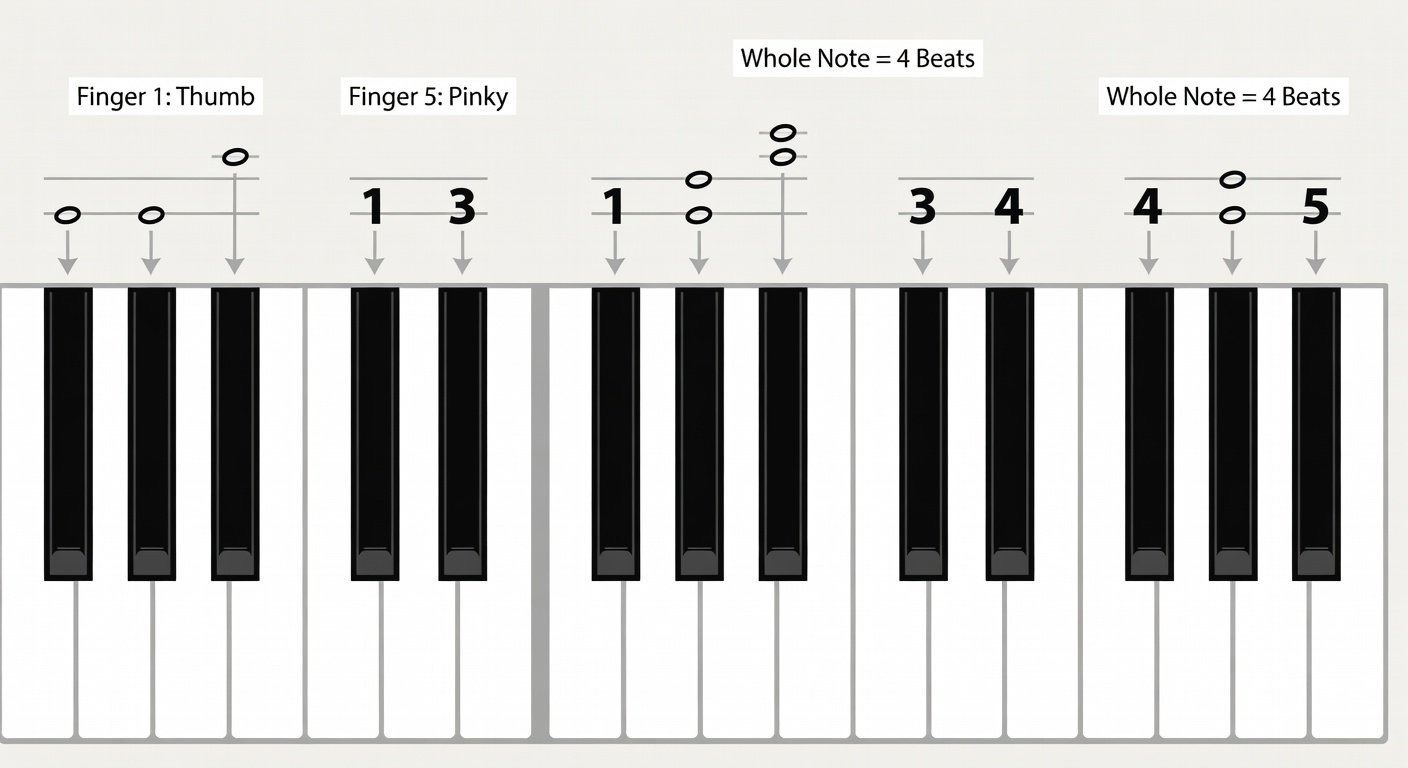
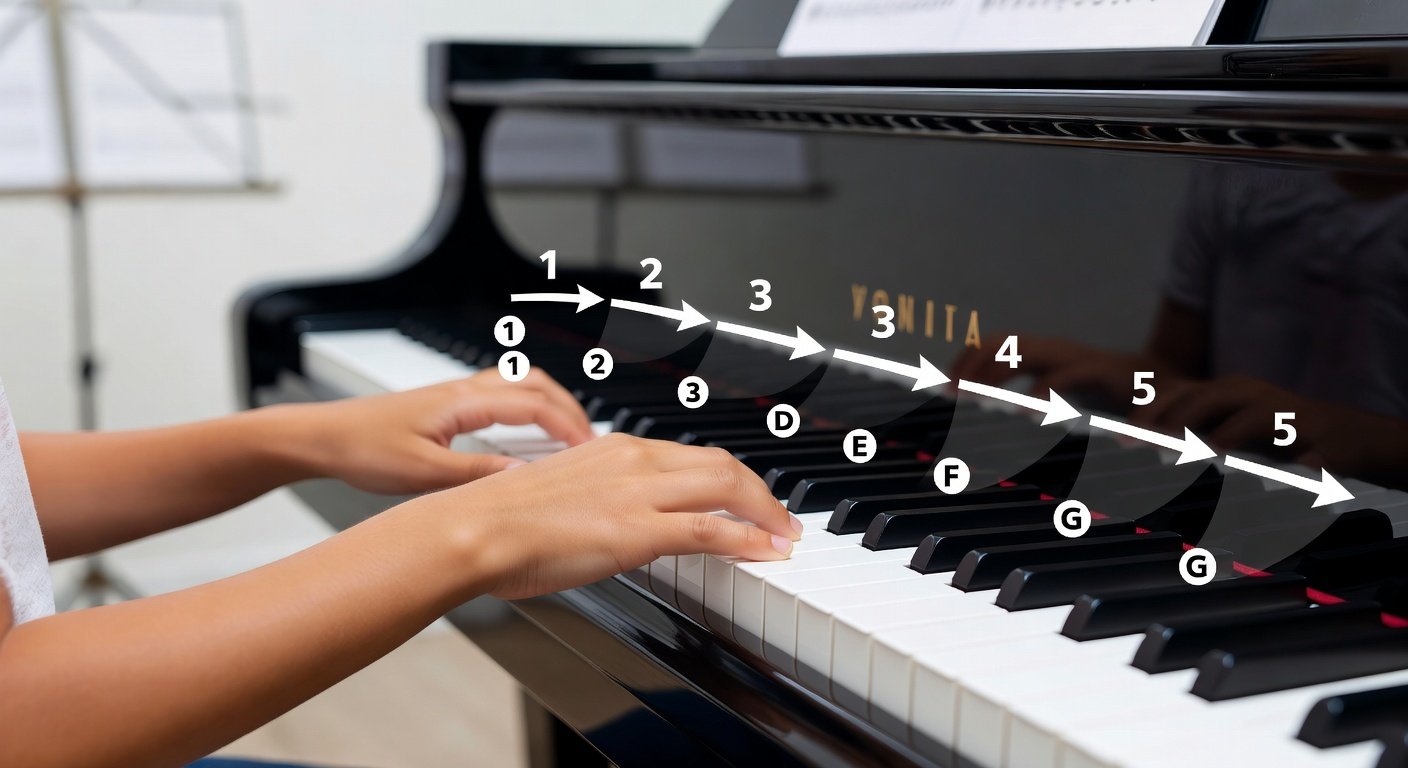
Hand position starts with the right hand thumb on middle C. Use numbers 1-5 for fingers (thumb is 1). Focus on rhythm by counting aloud: 1-2-3-4 for quarter notes. These fundamentals prevent tension and foster smooth playing. Each song below reinforces these skills while introducing new elements like dynamics and phrasing.
Song 1: Twinkle Twinkle Little Star
This classic uses just five notes. Right hand plays C C G G A A G, then F F E E D D C. Use fingerings 1-1-5-5-4-4-5 for the first phrase. Play slowly at 60 BPM to lock in rhythm, building wrist control and note recognition.
Song 2: Mary Had a Little Lamb
Start on E: E D C D E E E. Fingerings emphasize 3-2-1-2-3-3-3. Alternate hands gently for the chorus to enhance coordination between melody and harmony.
Song 3: Happy Birthday
Practice the familiar tune with simplified chords. Right hand leads while left adds basic bass notes. Focus on even timing to develop phrasing and emotional delivery.
Song 4: Jingle Bells
The chorus repeats D D D, creating fun rhythm practice. Use both hands for the verse to strengthen independence and timing awareness.
Song 5: Ode to Joy
Beethoven's melody teaches legato playing. Smooth finger transitions from 1-2-3-4 build musical flow and listening skills.
Song 6: Simplified Für Elise
The opening motif uses alternating notes. Slow practice develops precision and introduces minor key feel for deeper musicality.
Song 7: Let It Be (Simplified)
Modern favorite with steady chords. Combines prior techniques into a full piece, encouraging expressive playing.
Creating a Daily Practice Schedule
Dedicate 20-30 minutes daily: 5 minutes warm-up, 10 minutes on one song, 5 minutes reviewing technique. Track progress weekly to stay motivated. Consistent short sessions outperform long sporadic ones.
Why These Songs Build Skills
Repetition improves muscle memory. Gradual complexity enhances coordination. Melodic familiarity boosts enjoyment and retention of musical concepts. For deeper theory, explore Music Theory resources. Free practice sheets are available via community sites like Wikipedia's piano overview and official education portals.
Conclusion
These seven songs provide a solid foundation for 2026 beginners. With dedicated practice, you'll gain confidence, coordination, and joy from playing piano. Start today and enjoy the journey!
No comments yet. Be the first!