 Instrumentiverse

Introduction: SZA's Enduring Influence in Modern R&B
As 2026 unfolds, SZA continues to redefine R&B with deeply personal narratives and genre-blending innovation. Her path from underground mixtapes to global acclaim highlights a commitment to emotional authenticity that resonates with fans and aspiring artists alike. This article examines her biography, creative evolution, and lasting contributions to the genre, offering practical insights for musicians seeking to emulate her success.
Early Influences and Formative Years
Born Solána Imani Rowe in 1989, SZA drew early inspiration from artists like Lauryn Hill, Erykah Badu, and Prince. Growing up in New Jersey, she immersed herself in jazz, soul, gospel, and alternative sounds that shaped her introspective approach to music. These roots fueled her transition from poetry and journaling to songwriting, emphasizing vulnerability as a core strength. Her exposure to diverse genres during high school and college years allowed her to experiment with fusing hip-hop beats with soulful melodies, a hallmark of her later work. Understanding these influences helps aspiring songwriters appreciate how personal background informs artistic voice.
Breakthrough with Mixtapes and the Album Ctrl
SZA's 2014 mixtape Z introduced her signature blend of R&B and hip-hop, featuring raw tracks that explored relationships and self-identity. The 2017 album Ctrl marked her major-label debut on Top Dawg Entertainment and RCA Records. It delved into themes of love, self-doubt, and personal growth through standout tracks like "Love Galore" featuring Travis Scott and "The Weekend." Its raw honesty earned critical praise and established her as a voice for a new generation navigating modern romance and mental health.
SOS, Continued Evolution, and 2026 Outlook
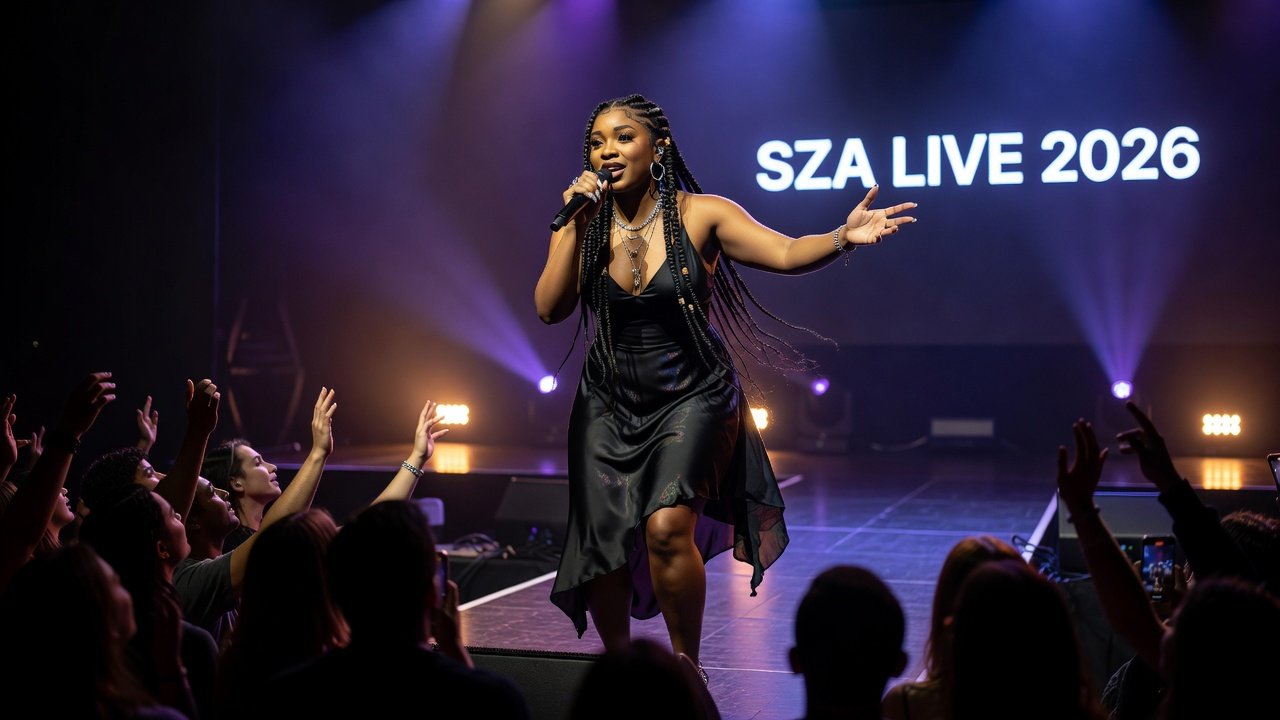
Released in 2022, SOS expanded her sonic palette with pop-infused production while retaining soulful depth. Hits like "Kill Bill" and "Nobody Gets Me" showcased her ability to fuse personal storytelling with mainstream appeal. By 2026, SZA has continued releasing singles and touring, maintaining momentum with fresh explorations in electronic soul and live instrumentation. This album cycle demonstrated her growth in production choices, incorporating more live band elements that enhance emotional delivery on stage.
Signature Vocal Techniques and Practical Application
SZA employs layered harmonies, breathy falsettos, dynamic phrasing, and subtle vocal runs to convey emotion. Her technique prioritizes texture and intimacy over raw power, creating connections that distinguish her from more bombastic contemporaries. For example, in "Good Days," she uses controlled breath support to transition seamlessly between chest voice and head voice. Aspiring singers can practice daily exercises focusing on breath control, harmonic layering over a simple chord progression, and recording improvisations to develop similar authenticity. Comparing her studio takes to live versions reveals how she adapts phrasing for audience engagement without losing emotional nuance.
Analyzing Her Songwriting Process with Step-by-Step Guidance
Central to SZA's craft is journaling and stream-of-consciousness writing. She often starts with personal experiences captured in notebooks, then refines them into universal themes through multiple drafts. A practical breakdown includes: 1) Freewriting emotions without judgment; 2) Identifying melodic hooks on piano or guitar; 3) Structuring verses around narrative arcs; 4) Collaborating with producers for genre fusion elements like trap drums or ambient synths. This method allows blending hip-hop, electronic, and traditional soul without losing emotional core. Songwriters can apply this by dedicating 30 minutes daily to journaling before touching an instrument.
Key Collaborations and Their Creative Impact
Partnerships with artists such as Kendrick Lamar on "All the Stars," Travis Scott, and Doja Cat have broadened her reach. These collaborations highlight her versatility, blending soulful vocals with diverse production styles to create timeless tracks. In 2026, her network continues to evolve, often involving rising producers who bring fresh perspectives while respecting her vision for lyrical depth.
Live Performance Style and Stage Presence
Onstage, SZA delivers immersive experiences through minimalistic setups that spotlight her voice and storytelling. Her 2025-2026 tours emphasize audience connection, often incorporating improvisational vocal elements drawn from her songwriting sessions. Practical advice for performers includes studying her use of pauses for dramatic effect and maintaining eye contact to foster intimacy in large venues.
Cultural Impact on Modern R&B
SZA has influenced a wave of artists prioritizing mental health and authenticity. Her work challenges industry norms, encouraging greater representation of Black women's experiences in mainstream music. For deeper context on genre evolution, see resources from Grammy.com, Billboard.com, and ASCAP.com.
Recommended Listening Playlists
- Essential SZA: Ctrl full album plus standout singles from SOS for foundational study.
- Soulful Evolution: Tracks highlighting genre fusions, including "Drew Barrymore" and recent 2026 releases.
- Live Session Vibes: Acoustic reinterpretations and tour highlights for performance technique analysis.
- Collaborative Gems: Songs featuring her work with peers to understand synergy in the studio.
Technique Comparisons to Peers
Unlike peers focused on high-energy anthems, SZA favors nuanced delivery akin to artists like H.E.R. or Summer Walker. Her approach offers a template for emotional depth over spectacle, useful for vocalists seeking authentic expression. A side-by-side listen of similar themes across artists reveals how SZA's restraint creates more lingering impact.
Practical Tips and Mistakes to Avoid
When studying SZA, avoid over-polishing early demos, which can dilute raw emotion. Instead, embrace imperfections as she does. Tips include experimenting with genre crossovers in your own work and prioritizing lyrical honesty over commercial trends. Guitarists and singers can adapt her melodies by transposing them to acoustic arrangements for deeper practice.
FAQs on SZA's Creative Methods
How does SZA approach songwriting? She begins with raw emotion captured in journals before structuring lyrics around melodies and refining through iteration.
What vocal exercises mimic her style? Focus on breath control, harmonic layering, and recording multiple takes to replicate her textured sound.
Has her process changed by 2026? Recent interviews suggest increased emphasis on collaborative refinement while preserving personal introspection and journaling habits.
How can beginners start emulating her fusion style? Begin with simple soul chord progressions and layer subtle hip-hop rhythms using free production software.
What role does live performance play in her evolution? It allows real-time adaptation of songs, strengthening her connection to material and audience feedback.
Conclusion: Looking Ahead to Future Innovations
SZA's 2026 trajectory promises further innovation rooted in her soulful foundations. By studying her evolution, musicians and fans gain valuable insights into blending vulnerability with artistic growth in contemporary R&B. Her journey serves as both inspiration and a practical blueprint for anyone pursuing meaningful creative expression.

No comments yet. Be the first!