 Instrumentiverse
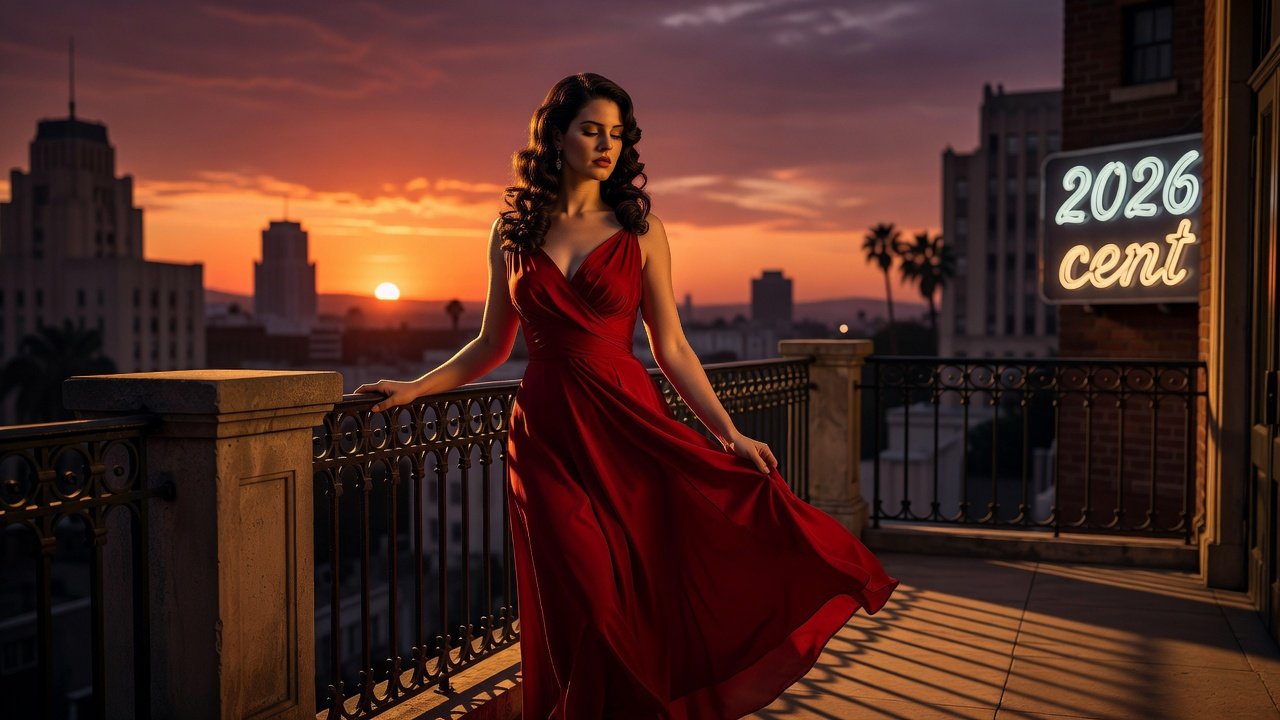
Introduction to Lana Del Rey's Dream Pop Legacy
Lana Del Rey has established herself as one of the most distinctive voices in contemporary music, particularly within the dream pop genre. Her lush, cinematic soundscapes combine elements of 1960s pop, orchestral arrangements, and introspective lyrics that explore themes of love, loss, fame, and American mythology. This in-depth profile traces her journey from underground releases to global icon status, analyzing her evolution up to anticipated 2026 projects while highlighting her influence on genre-bending pop artists today.
Early Career Breakthroughs and Formative Years
Elizabeth Woolridge Grant, known professionally as Lana Del Rey, was born in New York in 1985. Her early musical experiments included self-released projects under names like Lizzy Grant and May Jailer. The pivotal moment arrived in 2011 with the release of the single "Video Games," a track that showcased her signature blend of nostalgic production and vulnerable delivery. The song's success led to a signing with Interscope Records and the re-release of her debut album Born to Die in 2012. This record achieved massive commercial success, moving millions of units and spawning hits like "Born to Die" and "Blue Jeans." Her path demonstrates how persistence through independent releases can transition into mainstream recognition, offering a model for aspiring artists navigating digital platforms.
Signature Cinematic Style and Visual Storytelling
Del Rey's artistic identity is inseparable from her visual aesthetic. Music videos serve as miniature films, often featuring slow-motion cinematography, vintage cars, and references to classic Hollywood. For instance, the "Ride" video from 2012 portrays her as a nomadic figure exploring the American West, complete with motorcycle imagery and desert landscapes. This approach extends beyond videos into album artwork and live staging, creating a cohesive universe that fans immerse themselves in. Her style draws comparisons to directors like David Lynch, emphasizing mood and atmosphere over linear narrative. Practical insights for creators include studying film techniques such as color grading and lighting to enhance musical projects.
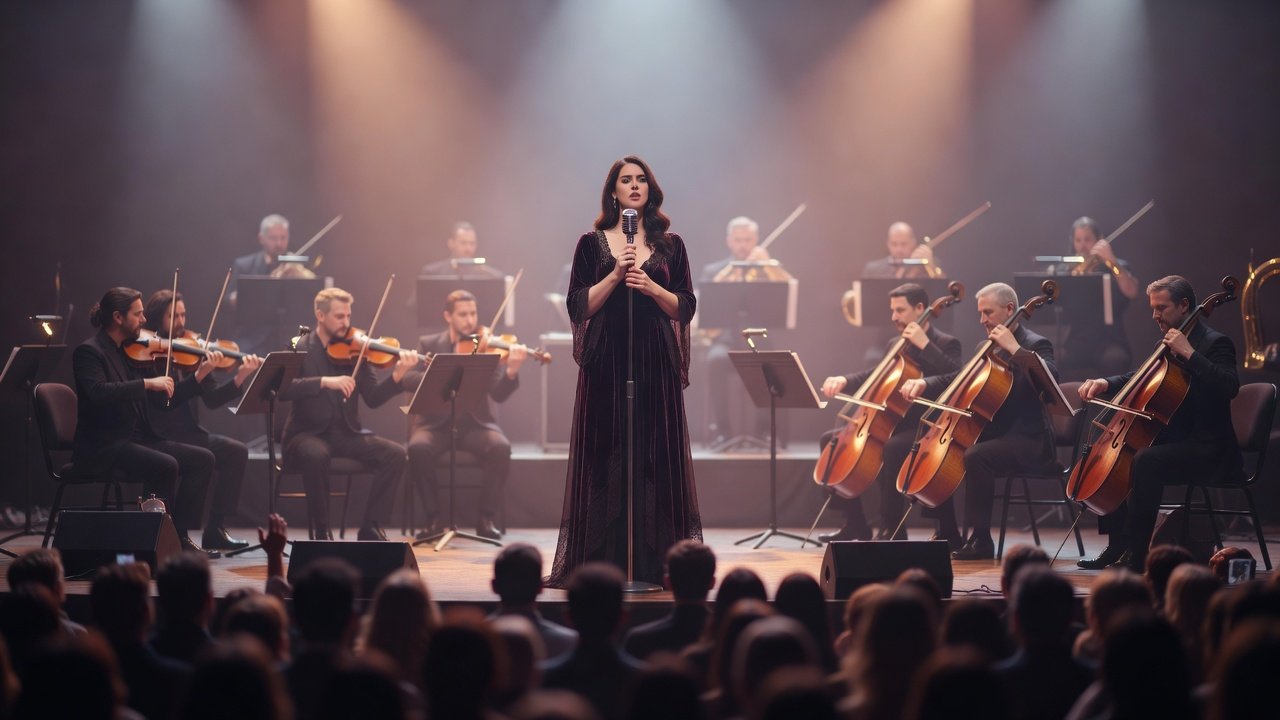
Key Albums: Evolution from Born to Die Through 2026 Releases
Del Rey's discography reveals steady artistic maturation. Born to Die (2012) introduced her baroque pop sound with orchestral swells and trap-influenced beats. Ultraviolence (2014) shifted toward guitar-driven rock and darker themes, produced with Dan Auerbach of The Black Keys. Honeymoon (2015) emphasized dreamy, reverb-heavy production, while Lust for Life (2017) incorporated more upbeat collaborations. The critically acclaimed Norman Fucking Rockwell! (2019) earned a Grammy nomination and featured introspective tracks like "Venice Bitch." Later works such as Chemtrails Over the Country Club (2021) and Did you know that there's a tunnel under Ocean Blvd (2023) explored personal storytelling with folk and orchestral elements. As of late 2025, expectations for 2026 center on potential orchestral expansions and hybrid dream pop-folk releases that continue her thematic focus on nostalgia and identity.
Vocal Techniques, Songwriting Process, and Hit Song Examples
Del Rey's vocal approach relies on a breathy lower register, controlled vibrato, and layered harmonies that create an ethereal quality. She often employs melisma sparingly, favoring emotional restraint that heightens dramatic impact in songs like "Summertime Sadness." Her songwriting process typically begins with piano or guitar sketches, followed by extensive lyric revisions influenced by literature and personal reflection. Hits such as "Young and Beautiful" from the The Great Gatsby soundtrack and "West Coast" demonstrate her ability to merge personal narrative with universal appeal. Comparisons to peers like Lorde or Florence Welch highlight shared interests in atmospheric production, yet Del Rey distinguishes herself through consistent cinematic references.
Cultural Impact, Genre Comparisons, and Broader Influence
Del Rey has reshaped perceptions of dream pop by bridging indie credibility with pop accessibility. Her work has influenced a wave of artists including Taylor Swift's folk-leaning phases and Billie Eilish's moody minimalism. Culturally, she sparked discussions on femininity, authenticity, and nostalgia in the digital age. Authoritative coverage from Billboard and Rolling Stone frequently positions her albums among the decade's most important releases. Mistakes to avoid when analyzing her impact include overlooking how her visual language complements sonic innovation rather than overshadowing it.
Fashion Choices, Collaborations, and Live Performance Evolution
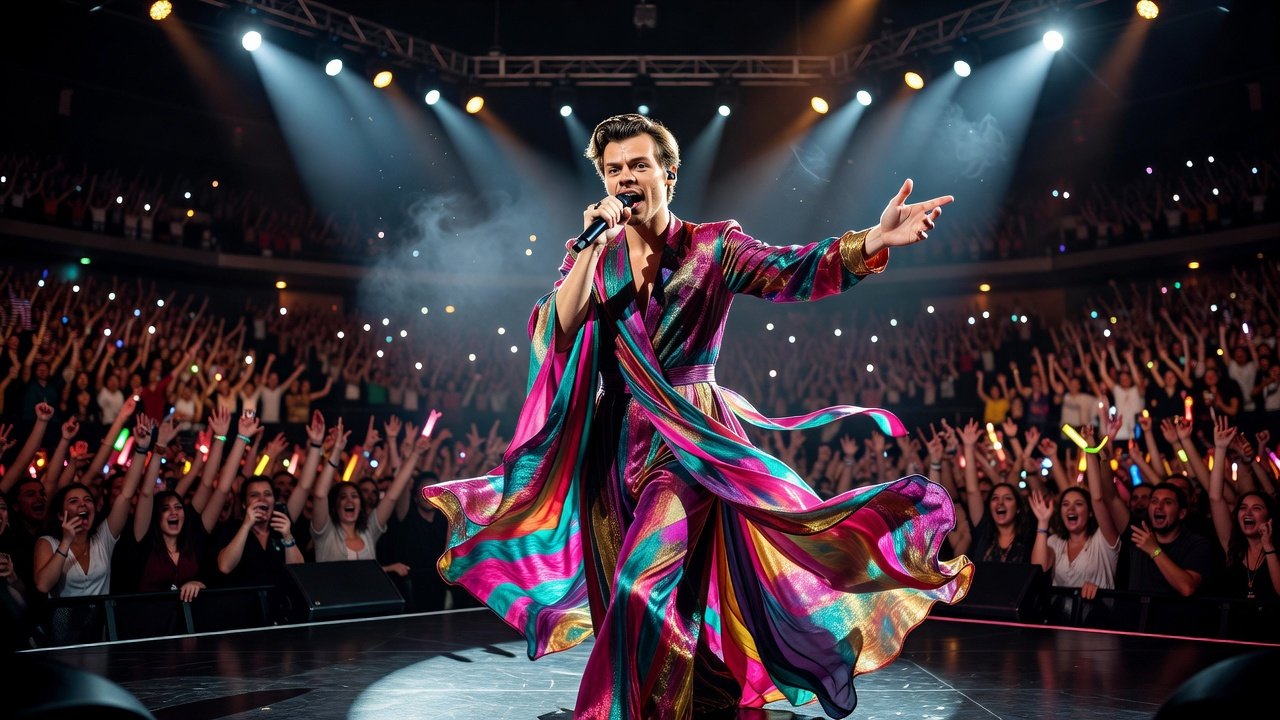
Fashion serves as an extension of Del Rey's persona, with recurring motifs of vintage dresses, fur coats, and retro glamour that align with specific album eras. Collaborations span genres, including features with The Weeknd on "Prisoner," Stevie Nicks on "Beautiful People Beautiful Problems," and recent work with Jack Antonoff across multiple projects. Live performances have progressed from stripped-back early shows to elaborate productions featuring string sections and narrative-driven set designs. A scannable overview of key collaborations includes:
- The Weeknd – shared dark, atmospheric themes on joint tracks.
- Stevie Nicks – vocal harmonies blending classic rock with modern dream pop.
- Playboi Carti – unexpected trap crossovers expanding her audience.
- Jon Batiste – orchestral experiments previewing potential 2026 directions.
These partnerships illustrate her willingness to experiment while maintaining core aesthetics.
Future Projections for 2026 and Beyond
Looking ahead, Del Rey's trajectory suggests continued exploration of multimedia formats, possibly including soundtracks or visual albums. Industry observers anticipate further integration of live orchestral elements and deeper thematic dives into aging and legacy. Her adaptability positions her well for evolving streaming landscapes, where long-form artistic statements thrive alongside singles.
FAQ: Influences, Live Performances, and Common Questions
What are Lana Del Rey's primary musical and literary influences?
Her sound draws from Nancy Sinatra's cool detachment, Elvis Presley's dramatic delivery, and poets such as Walt Whitman and Allen Ginsberg. These sources inform both melody construction and lyrical imagery.
How have her live performances evolved since the early 2010s?
Initial tours emphasized intimacy and minimal staging; modern shows incorporate synchronized visuals, full orchestras, and extended improvisations, transforming concerts into immersive theatrical events that reward repeat attendance.
Which albums best represent her cinematic evolution?
Born to Die established the template, while Norman Fucking Rockwell! and subsequent releases refined it with greater emotional nuance and production sophistication.
Are there practical lessons for songwriters studying her process?
Focus on iterative revision, thematic consistency across an album, and pairing lyrics with evocative imagery to strengthen listener connection.
Conclusion
Lana Del Rey's career offers a compelling case study in sustained artistic vision within dream pop. From early viral breakthroughs to refined 2026 expectations, her blend of vocal innovation, visual mastery, and cultural resonance continues to inspire. For deeper exploration, consult resources at Grammy.com or her official discography archives. Her story underscores the value of authenticity in an industry often driven by trends.
No comments yet. Be the first!