 Instrumentiverse
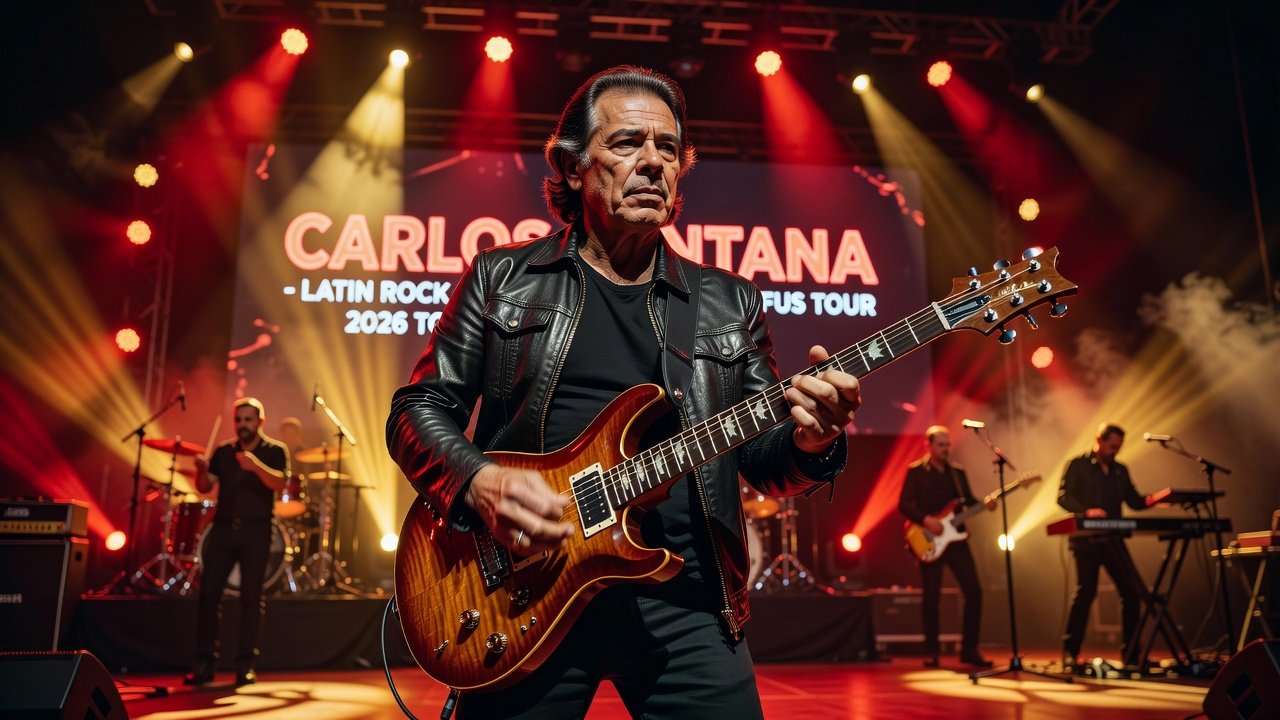
Introduction: Carlos Santana's Enduring Legacy in 2026
Carlos Santana stands as one of the most transformative guitarists in modern music history. In 2026, his fusion of blues, rock, jazz, and Latin rhythms continues to inspire new generations of players and listeners. This detailed profile traces his path from early influences in Mexico and the United States through his iconic Woodstock performance, signature techniques, and decades of evolution. Readers will find practical insights on tone creation, album recommendations, and actionable lessons for aspiring guitarists seeking to develop their own expressive style.
Early Influences: Blending Blues and Latin Traditions
Carlos Santana was born in 1947 in Autlán de Navarro, Mexico. His family relocated to Tijuana and later San Francisco, where he immersed himself in the vibrant music scene of the 1960s. Early exposure to blues icons such as B.B. King, T-Bone Walker, and Muddy Waters shaped his melodic phrasing and emotional delivery. At the same time, he absorbed traditional Mexican folk music, mariachi, and Afro-Cuban rhythms from artists like Tito Puente and Mongo Santamaría. This combination gave rise to his distinctive Latin rock fusion approach, where blues scales meet syncopated percussion grooves. Santana often cites these dual roots as the reason his solos feel both deeply personal and culturally expansive.
Breakthrough at Woodstock and Rise to Fame
The 1969 Woodstock festival marked Santana's explosive entry onto the world stage. Performing with a band that included congas and timbales, he delivered an unforgettable set highlighted by the instrumental "Soul Sacrifice." The performance showcased rapid-fire guitar lines intertwined with Latin percussion, captivating an audience of nearly half a million people. This moment not only launched his debut album but also helped popularize Latin-infused rock for mainstream audiences. Archival footage reveals how his fluid bending and sustain created an almost vocal quality in his playing.
Signature Tone Techniques and Guitar Gear
Santana's tone is instantly recognizable for its singing sustain and warm overdrive. He primarily uses Gibson Les Paul guitars paired with Mesa Boogie amplifiers, often running clean channels pushed into natural compression. Key techniques include generous use of finger vibrato, controlled feedback, and the minor pentatonic scale with added blue notes. He frequently incorporates the Dorian mode for a Latin flavor and employs volume swells to mimic vocal phrasing. Aspiring players can replicate elements of this sound by starting with a Les Paul-style guitar, setting the amp's gain moderate, and practicing long-tone exercises with a focus on even vibrato. Experimenting with light reverb and a touch of delay further enhances the atmospheric quality heard on classic recordings.
Key Albums and Musical Evolution
Santana's discography reflects constant growth while honoring core influences. The 1969 self-titled debut introduced raw fusion energy. Abraxas (1970) brought hits like "Black Magic Woman" and "Oye Como Va," blending rock with cha-cha rhythms. Later albums such as Amigos (1976) and Zebop! (1981) explored jazz and world music territories. The Grammy-winning Supernatural (1999) revived his commercial success through collaborations, while 2010s releases like Shape Shifter returned to instrumental Latin rock roots. In each era, Santana refined his approach without abandoning the foundational groove and melodic sensibility established early on. 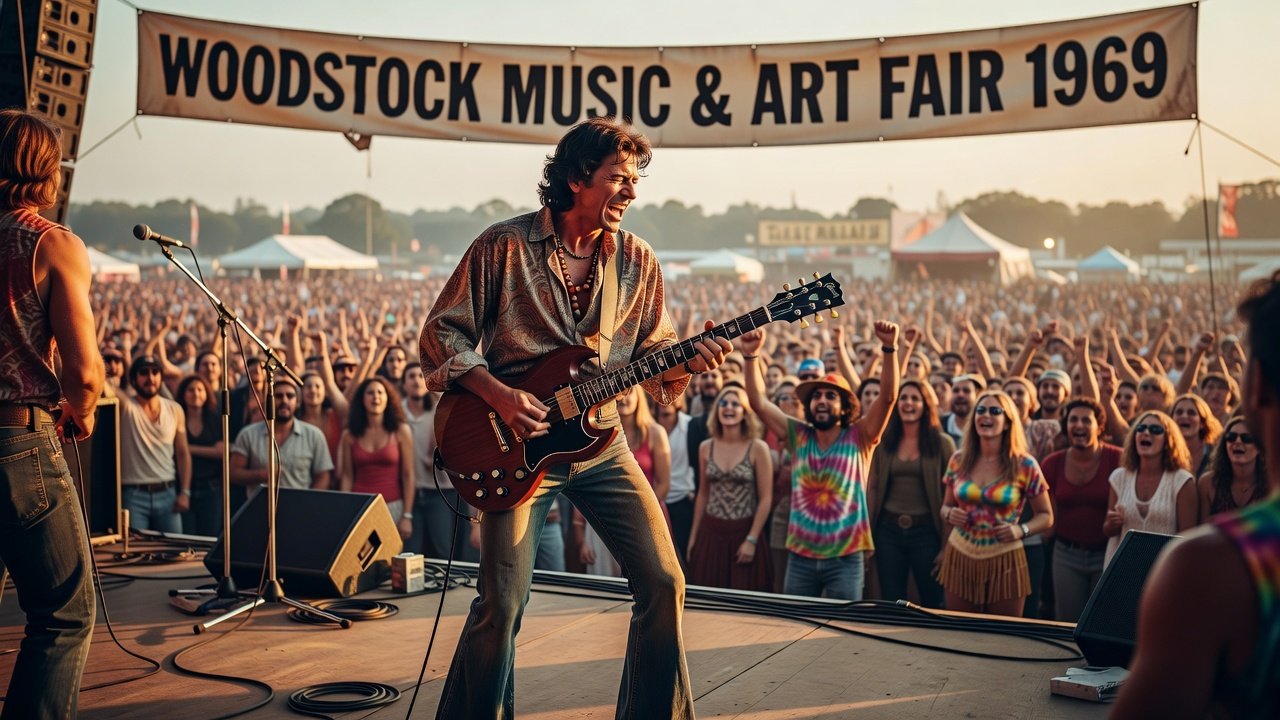
Collaborations with Vocalists and Fellow Artists
Throughout his career, Santana has thrived on partnerships that cross genres. The 1999 track "Smooth" with Rob Thomas became a defining pop-rock hit. Other notable pairings include Michelle Branch on "The Game of Love," John Lee Hooker on blues tracks, and more recent work with vocalists like Cindy Blackman Santana, his wife and drummer. These collaborations demonstrate his ability to adapt guitar lines to support vocal melodies while maintaining rhythmic drive. They also highlight his openness to pop, R&B, and contemporary production styles.
Spiritual Approach to Performance
Santana has long described music as a form of spiritual communication. He practices meditation before shows and views improvisation as a dialogue with a higher power. This mindset translates into live performances filled with extended solos that feel spontaneous and emotionally charged. Fans often note how his concerts create a communal, uplifting atmosphere. The spiritual dimension also appears in song titles and album artwork that reference universal themes of love and unity.
Comparison to Modern Guitarists Like John Mayer
John Mayer represents a contemporary blues-rock approach with clean articulation, sophisticated chord work, and pop song structures. Santana, by contrast, prioritizes rhythmic interplay with percussion and broader cultural textures drawn from Latin traditions. Both artists excel at expressive bends and sustain, yet Santana's playing often incorporates faster scalar runs and call-and-response patterns with his band. Mayer's style tends toward introspective storytelling, while Santana's evokes celebration and collective energy. Studying both provides guitarists with a well-rounded perspective on phrasing and genre blending.
2026 Tours, Recent Updates, and Legacy Impact
As of 2026, Santana continues active touring across North America and Europe, celebrating over five decades of music with fresh arrangements of classics alongside new material. His legacy includes Rock and Roll Hall of Fame induction and influence on countless fusion artists. For authoritative background, visit the Rock Hall and Grammy.com. His official site at santana.com offers tour dates and archival content.
Recommended Listening Playlist
- "Black Magic Woman" from Abraxas – a masterclass in melodic sustain and Latin groove
- "Smooth" featuring Rob Thomas – modern pop-fusion crossover
- "Oye Como Va" – demonstrates Santana's skill at reinterpreting Afro-Cuban classics
- "Maria Maria" – showcases 1990s production with rhythmic guitar layering
- Live "Soul Sacrifice" from Woodstock recordings – raw energy and improvisational fire
- "Put Your Lights On" with Everlast – introspective spiritual tone
Lessons for Aspiring Guitar Players
Aspiring guitarists can extract concrete lessons from Santana's career. Begin by mastering the minor pentatonic scale in multiple positions, then add the Dorian mode for Latin color. Practice volume swells and finger vibrato daily using sustained notes. Incorporate percussion loops or play along with salsa and rumba rhythms to develop timing. Common mistakes to avoid include over-relying on speed instead of phrasing and neglecting band interaction. Record yourself playing along with Santana tracks to compare tone and feel. For gear guidance, explore authoritative resources at Rolling Stone. Consistent listening combined with deliberate practice builds the expressive depth that defines Santana's sound.
Conclusion: Santana's Timeless Fusion
Carlos Santana's journey through 2026 underscores a career defined by cultural synthesis, technical innovation, and spiritual purpose. His story and techniques offer enduring value for guitarists seeking authentic expression across genres.
No comments yet. Be the first!