 Instrumentiverse
Introduction: The Enduring Legacy of Stevie Wonder in 2026
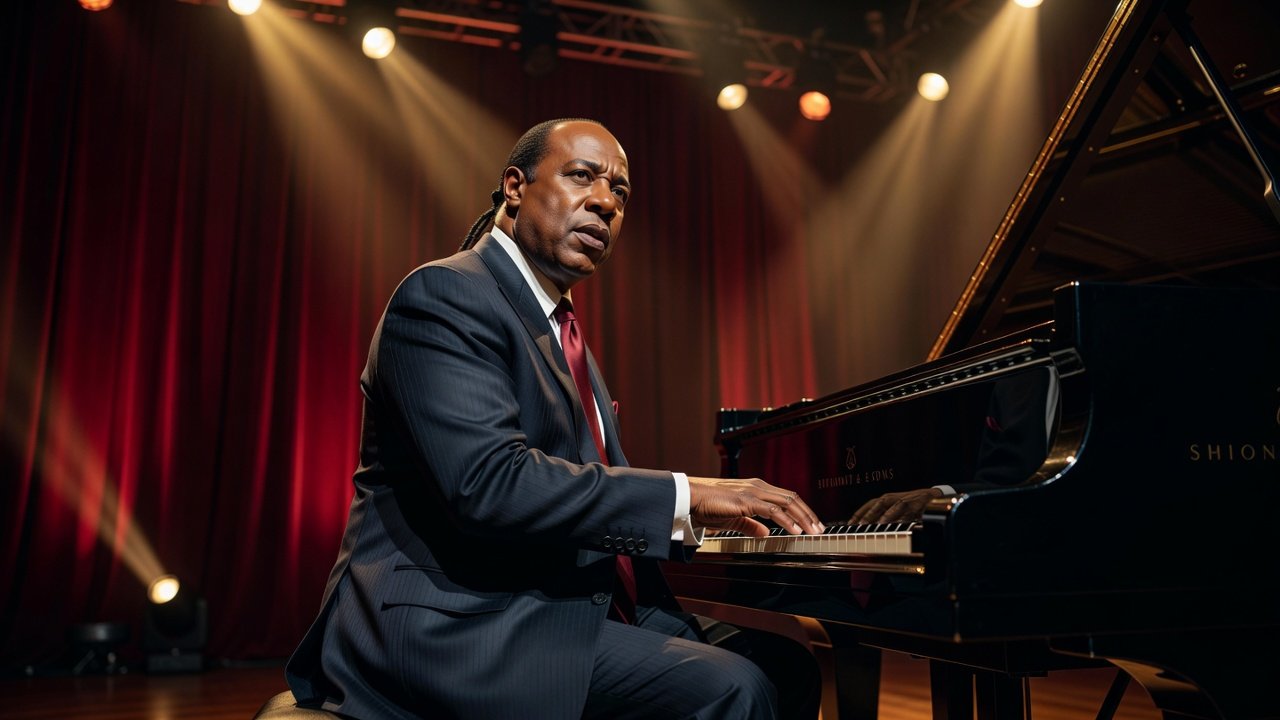
Stevie Wonder remains one of the most transformative artists in music history, seamlessly blending soul, R&B, funk, and pop into a sound that transcends generations. As of 2026, his catalog continues to resonate with new listeners discovering his work through streaming platforms and tribute performances. This comprehensive exploration covers his artistic evolution from early Motown breakthroughs to signature multi-instrumental techniques, key albums spanning decades, vocal mastery, and lyrics infused with social consciousness. We also examine collaborations that shaped modern genres and provide practical insights for aspiring musicians aiming for creative longevity. Whether you are researching guitarist-singer biographies or famous artist stories, this guide delivers fresh 2026 updates while honoring his timeless contributions.
Early Motown Breakthroughs and Formative Years
Born Stevland Hardaway Judkins on May 13, 1950, in Saginaw, Michigan, Stevie Wonder demonstrated prodigious talent from a young age despite losing his sight shortly after birth. He joined Motown Records at just eleven years old after impressing executives with harmonica and vocal performances. His debut single "Fingertips Pt. 2" topped the Billboard Hot 100 in 1963, making him the youngest artist to achieve that feat at the time. Subsequent releases like "Uptight (Everything's Alright)" and "I Was Made to Love Her" showcased his growing command of rhythm and melody. By the late 1960s, albums such as For Once in My Life revealed a maturing artist experimenting with orchestration while maintaining raw emotional delivery. These early years at Hitsville U.S.A. provided the rigorous training ground that would fuel his later independence.
Signature Multi-Instrumental Techniques
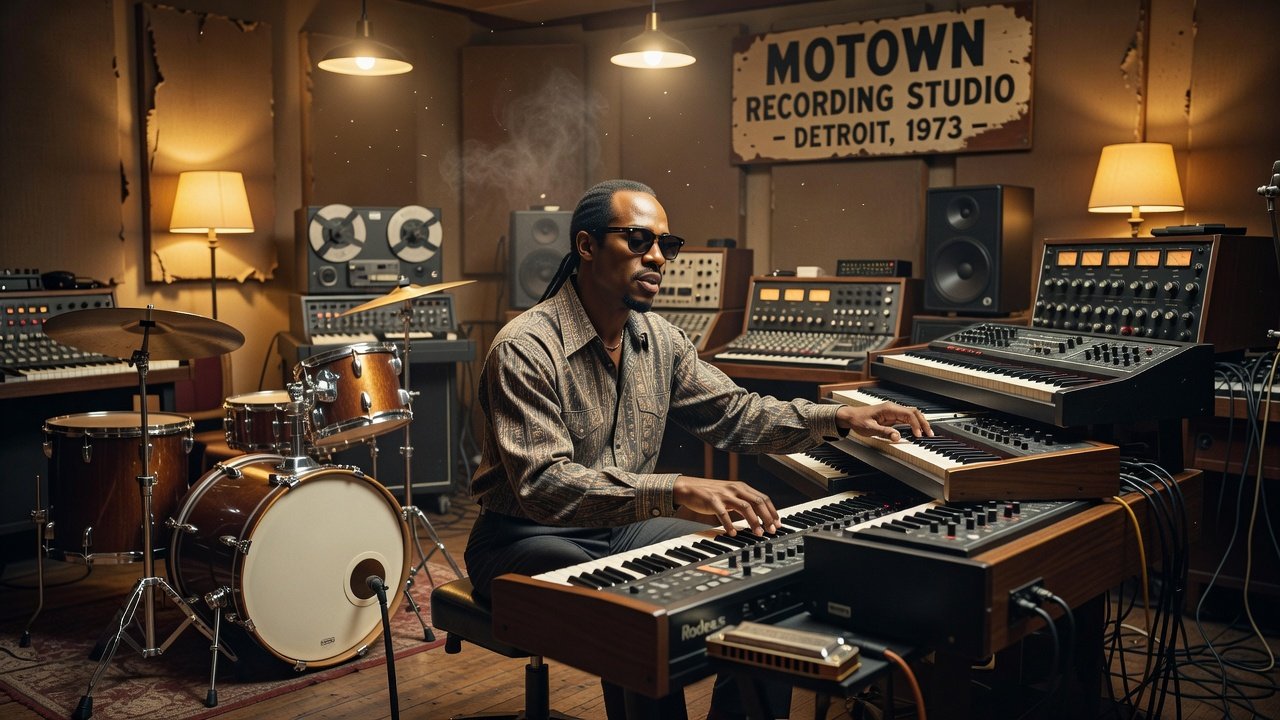
Wonder's genius lies in his self-sufficient studio approach, where he performs nearly every instrument on landmark recordings. He layers clavinet riffs, bass lines, drum patterns, and synthesizers with precision, creating dense yet accessible arrangements. On tracks like "Superstition," the iconic clavinet groove drives the entire composition while he adds horns and vocals. This technique grants complete creative control, allowing rapid iteration without external musicians. Aspiring producers can emulate this by starting with foundational instruments like piano and drums before layering electronic elements. His use of the Hohner Clavinet and ARP synthesizers in the 1970s anticipated modern digital production workflows.
Key Albums Through 2026
Wonder's 1970s output forms the cornerstone of his legacy. Music of My Mind (1972) introduced his synthesizer explorations, while Talking Book delivered hits including "You Are the Sunshine of My Life" and "Superstition." Innervisions followed with socially charged tracks like "Living for the City," and Fulfillingness' First Finale earned multiple Grammys. The pinnacle arrived with the double album Songs in the Key of Life (1976), featuring expansive compositions and guest appearances. Later releases such as Hotter Than July (1980) and Characters (1987) incorporated reggae and electronic influences. Into 2026, reissues and remastered box sets keep these works accessible, with archival material highlighting unreleased sessions that reveal his meticulous creative process. Each album demonstrates evolution while preserving core melodic and rhythmic strengths.
Vocal Range and Expressive Delivery
Wonder's voice spans roughly three octaves, transitioning fluidly between chest voice, head voice, and falsetto. In "I Wish," he employs bright, punchy delivery over funk grooves, while ballads like "Lately" showcase vulnerable, intimate phrasing. His improvisational scat singing and call-and-response patterns add spontaneous energy, techniques that modern vocalists study for dynamic live performances. Producers today reference his recordings when coaching artists on emotional authenticity and breath control.
Social Themes in Lyrics and Collaborations
Throughout his career, Wonder wove messages of equality, spirituality, and human connection into his songwriting. "Higher Ground" reflects on resilience and faith, while "You Haven't Done Nothin'" critiques political inaction. These themes expanded his audience beyond pop listeners. Notable collaborations include the duet "Ebony and Ivory" with Paul McCartney and later features with artists such as Ariana Grande on reimagined classics. His influence appears in contemporary R&B through shared harmonic language and groove-oriented production. Learn more about his Grammy achievements at Grammy.com and explore Motown history at Motown Museum. Additional context on music preservation appears at Library of Congress.
1970s Golden Era Compared to Later Work
The 1970s represented Wonder's most fertile creative period, yielding five consecutive albums that critics still rank among the greatest ever made. This era balanced commercial success with artistic risk-taking. In contrast, 1980s and 1990s work leaned toward polished pop and occasional duets, sometimes sacrificing the raw innovation of earlier records. Yet albums like Conversation Peace (1995) maintained thematic depth. The shift reflects industry changes and personal growth rather than decline, offering lessons in adapting without losing identity.
Practical Insights for Aspiring Musicians on Creative Longevity
Building a decades-long career requires deliberate habits. First, develop multi-instrumental fluency early to retain studio autonomy, just as Wonder did by age sixteen. Second, embed personal convictions into lyrics to create material that ages gracefully. Third, experiment with emerging technology—Wonder embraced synthesizers when many peers resisted. Fourth, prioritize consistent live performance practice to refine stage presence and audience engagement. Fifth, seek cross-genre collaborations that stretch artistic boundaries while preserving core style. Sixth, maintain rigorous vocal and instrumental routines to sustain performance quality over time. These principles help musicians navigate industry shifts and maintain relevance across changing musical landscapes.
Impact on Pop and R&B Genres
Wonder's innovations directly shaped neo-soul, hip-hop sampling, and modern pop production. Artists from Prince to Kendrick Lamar have cited his harmonic sophistication and rhythmic drive. His approach to blending acoustic and electronic sounds remains a template for genre fusion in 2026 releases.
FAQ: Stevie Wonder's Influence on Modern Producers and Live Performance Tips
How has Stevie Wonder influenced today's producers?
His self-contained arrangements encourage beat-makers to prioritize melodic hooks and textural layers rather than relying solely on samples or loops. Contemporary R&B producers frequently replicate his clavinet and synth combinations.
What live performance tips can musicians learn from Wonder?
Focus on storytelling between songs to deepen audience connection. Practice seamless instrument changes onstage for dynamic energy shifts. Protect vocal health through daily warm-ups and hydration, enabling sustained touring careers.
Which album should new listeners start with?
Begin with Innervisions for its ideal mix of accessibility and innovation, then progress through the full 1970s sequence.
How can producers apply his techniques in digital workflows?
Start sessions by recording live drum and bass foundations before overdubbing keyboards and vocals, mirroring Wonder's organic layering process within DAWs.
Conclusion
Stevie Wonder's journey offers a masterclass in artistic evolution, technical mastery, and purposeful songwriting. His work through 2026 continues guiding musicians toward careers defined by both innovation and endurance.
No comments yet. Be the first!