 Instrumentiverse
Introduction: Prince's Enduring Guitar Mastery in 2026
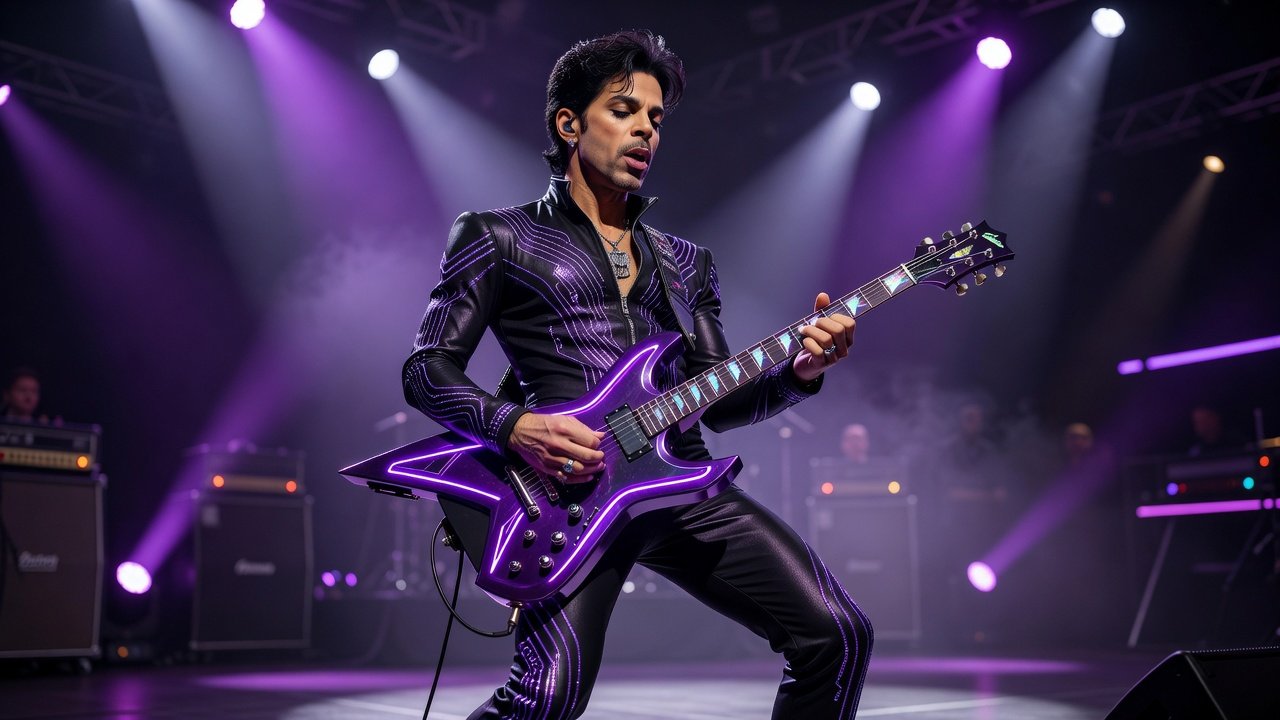
Prince Rogers Nelson remains one of the most influential multi-instrumentalists in music history. His ability to blend funk, rock, soul, and pop created a signature sound that continues to resonate deeply with audiences worldwide. In 2026, fans and musicians still study his guitar techniques for their precision, expressiveness, and innovative use of effects. This article explores his artistic journey in depth, from early breakthroughs to his cultural impact, providing practical insights for guitarists today who seek to understand and apply his methods.
Early Life and Breakthroughs Leading to Purple Rain
Born in 1958 in Minneapolis, Prince showed prodigious talent from a young age, teaching himself multiple instruments including guitar, piano, and drums. His self-taught approach allowed him to experiment freely without formal constraints. Early albums like For You in 1978 demonstrated his multi-instrumental skills, but it was the 1982 release of 1999 that introduced his funk-rock fusion to mainstream audiences through hits like "Little Red Corvette." The 1984 masterpiece Purple Rain marked his true breakthrough, showcasing guitar work that combined searing solos with rhythmic funk grooves. Tracks such as the title song featured extended guitar intros and climactic builds that highlighted his command of dynamics and tone.
Signature Guitar Techniques and Genre Fusions Explained
Prince excelled in techniques such as rapid alternate picking, controlled whammy bar dives for expressive bends, and intricate chord voicings that layered funk rhythms over rock structures. He often used the Hohner Telecaster for its bright, cutting tone ideal for funk leads, paired with custom guitars modified for his unique needs. Effects pedals like the Mu-Tron III and various overdrives created textured layers that defined the funk-rock sound. For example, in "Purple Rain," his solo employs sustained notes with subtle vibrato to mimic vocal phrasing. Guitarists today can replicate this by practicing over funk backtracks, focusing on space between notes to maintain groove while adding melodic interest. His genre fusions drew from James Brown-style funk, Jimi Hendrix-inspired rock, and soulful R&B, resulting in a hybrid that felt both danceable and emotionally raw.
Key Album Milestones Across His Discography
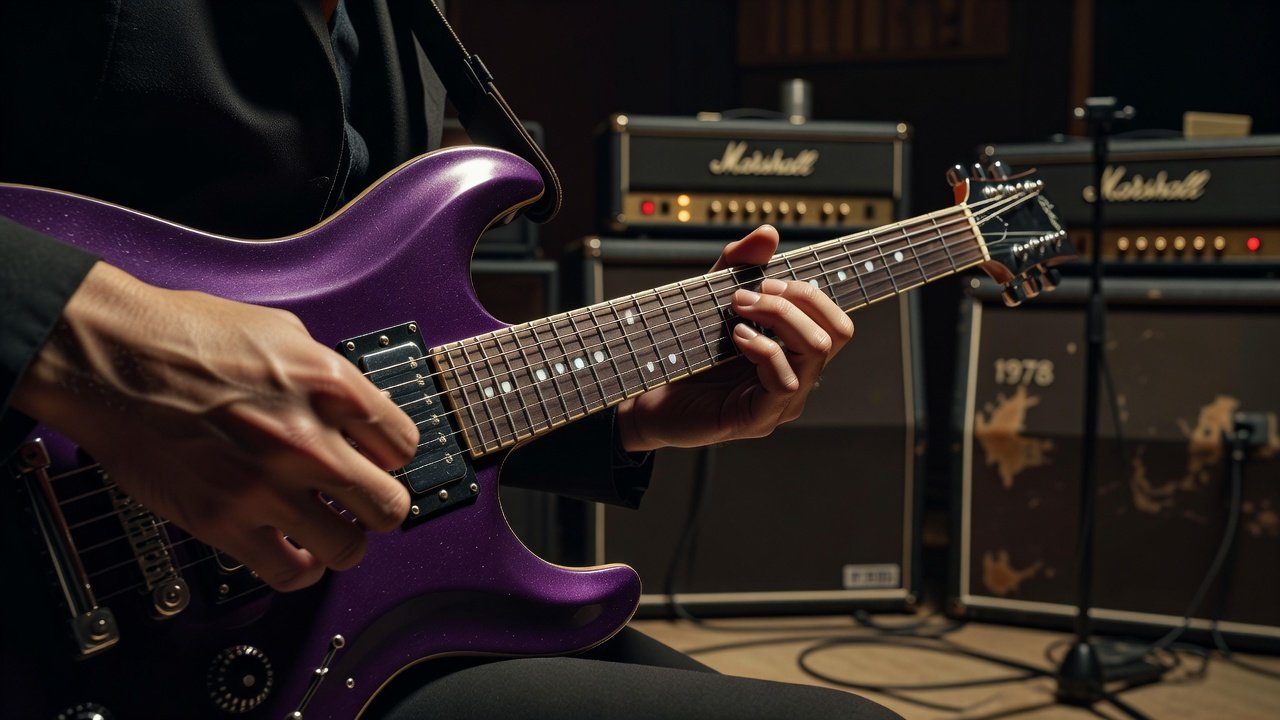
Prince's discography offers a roadmap of evolution. Dirty Mind from 1980 pushed boundaries with raw, provocative guitar riffs and minimal production. Sign o' the Times in 1987 expanded on this with complex arrangements, including the title track's atmospheric guitar lines. Later works like Musicology in 2004 revisited classic funk-rock while incorporating modern production touches. Each album milestone revealed his growth as a songwriter and performer, often recorded with minimal session musicians to preserve his singular vision. Analyzing these records shows how he balanced commercial appeal with artistic risk-taking.
Collaborations That Shaped Funk-Rock History
Prince's partnerships were instrumental in broadening funk-rock's appeal. Work with drummer Sheila E. on albums like The Glamorous Life infused Latin rhythms into the mix. The Revolution band helped craft the Purple Rain sound through tight ensemble playing. Later collaborations on projects like Lotus Flow3r involved guests from jazz and hip-hop worlds, demonstrating his willingness to cross genres. These efforts not only enriched his music but also influenced how artists approach ensemble dynamics in funk-rock settings.
Live Performance Innovations and Stage Craft
Prince's concerts set new standards for live guitar performance. He frequently extended solos into improvisational jams, blending hits like "Kiss" and "When Doves Cry" into seamless medleys. His use of wireless technology allowed freedom of movement, turning shows into theatrical experiences. At venues like the Super Bowl halftime show, his guitar work under rain conditions became iconic. These innovations emphasized spontaneity and audience connection, elements modern performers study through archived footage.
Influence on Modern Artists and Contemporary Music
Artists ranging from John Mayer to H.E.R. and even rock acts like Lenny Kravitz cite Prince as a primary influence. His fusion techniques appear in today's funk-rock revival, evident in production choices on streaming platforms. Interviews from the 1990s reveal his advice on authenticity, urging musicians to prioritize personal expression over trends. This influence extends to guitar education, where his solos serve as case studies in music schools.
Comparing Prince's Approach to Other Guitar Legends
- Versus Jimi Hendrix: Both pioneered effects manipulation, yet Prince integrated funk rhythms and song structure more consistently, creating dance-floor anthems alongside rock explorations.
- Versus Eddie Van Halen: While Van Halen emphasized tapping and speed, Prince prioritized melodic phrasing and emotional depth in solos, often subordinating technical flash to groove.
- Versus Eric Clapton: Prince transcended blues-rock conventions by weaving in pop, soul, and electronic elements, resulting in a broader stylistic palette.
- Versus Stevie Ray Vaughan: Both had powerful tones, but Prince's use of effects and multi-instrumental layering set him apart in live and studio contexts.
These comparisons underscore Prince's role in expanding the guitar's vocabulary within funk-rock frameworks.
Practical Steps for Studying and Applying Prince's Techniques
To internalize his style, begin by transcribing simple solos from Purple Rain using software tools for slow playback. Practice daily improvisation over 12-bar funk progressions, incorporating vocal-like bends. Experiment with effects chains starting with overdrive and delay to mimic his textures. Avoid common mistakes such as overplaying without rhythmic awareness or neglecting dynamics. Record yourself to evaluate phrasing and adjust for authenticity.
FAQs on Prince's Enduring Techniques and Legacy
What guitar did Prince primarily use in his career?
He favored custom models alongside the Hohner Telecaster for its bright tone suited to funk-rock leads, often modified with specific pickups.
How did Prince fuse genres so effectively in his music?
Through layered arrangements combining tight rhythm sections with soaring guitar lines, frequently recorded in focused single sessions that captured raw energy.
Which album best showcases his guitar work for study?
Purple Rain stands out for its balance of virtuosic solos, emotional depth, and accessible hooks that demonstrate fusion principles clearly.
What live techniques can guitarists learn from Prince?
Focus on seamless transitions between songs, extended improvisations, and audience engagement while maintaining technical precision under pressure.
How has Prince influenced guitar education today?
His methods appear in curricula emphasizing genre blending, effects use, and multi-instrumental proficiency as core skills for modern players.
Conclusion
Prince's legacy as a guitar virtuoso endures through his innovative fusions and profound cultural contributions that continue evolving in 2026. His techniques offer timeless lessons for musicians exploring funk-rock. Explore his discography to appreciate the depth of his artistry. For further reading, visit Rolling Stone or Guitar World.
No comments yet. Be the first!