 Instrumentiverse
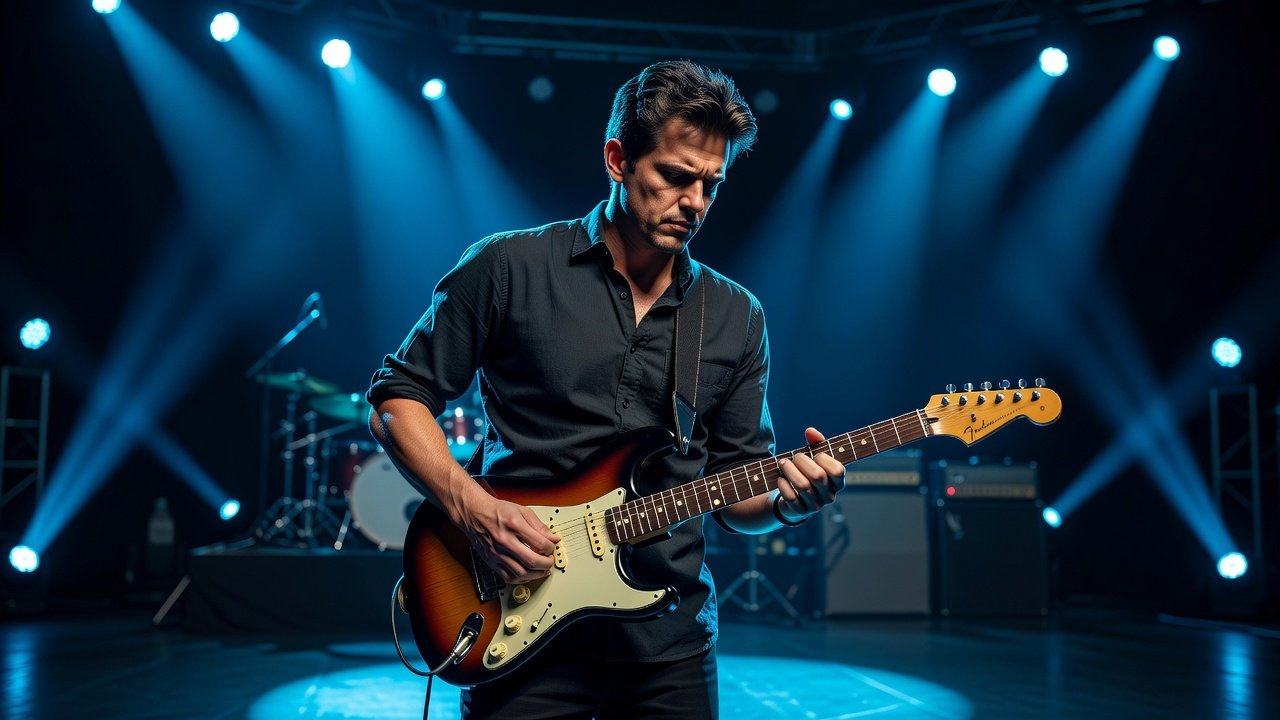
Introduction to John Mayer's Enduring Blues-Rock Legacy
John Mayer has established himself as one of the most influential blues-rock guitarists of the modern era. By 2026 his body of work provides an exceptional case study for players seeking to understand how early blues roots can evolve into a distinctive voice that resonates across genres. This comprehensive analysis covers his formative influences, key albums, signature techniques with concrete song examples, comparisons to contemporaries, collaborations, gear setups, step-by-step technique progressions, recent projects, and lasting contributions to the blues-rock landscape.
Early Blues Influences and Formative Years
Mayer's development began with intensive study of classic blues figures including Stevie Ray Vaughan, B.B. King, Eric Clapton, and Albert King. He absorbed Vaughan's aggressive string bending and fiery leads, King's expressive vibrato and single-note storytelling, and Clapton's smooth phrasing and dynamic control. These elements appear consistently in Mayer's early recordings and live performances. For instance, his use of minor pentatonic scales with added blue notes mirrors the vocabulary of these pioneers while adding personal rhythmic displacement. Young players can trace how Mayer adapted these influences by listening to his pre-mainstream demos and comparing them directly to the original recordings of his heroes.
Breakthrough Albums and Career Milestones
The transition from acoustic singer-songwriter to blues-rock powerhouse occurred with the release of Continuum in 2006, followed by Battle Studies and the more experimental Born and Raised. Each album layered additional sophistication onto his core blues approach. Continuum introduced polished production that highlighted clean Stratocaster tones and extended solos, while later works incorporated soul and Americana textures. Through 2026 Mayer continued this trajectory with new releases that revisited blues structures in fresh contexts, solidifying his reputation as an artist who respects tradition yet pushes boundaries.
Signature Tone and Playing Methods with Song Examples
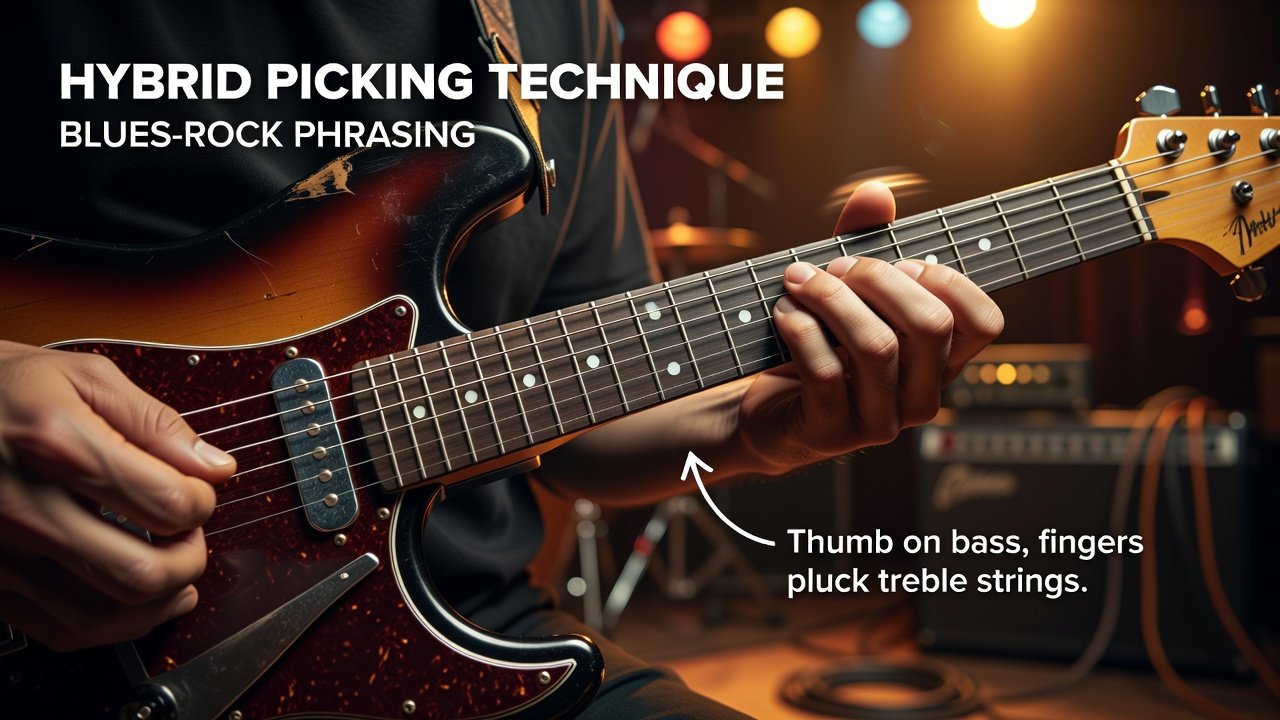
Mayer's tone centers on a Stratocaster's bright, articulate voice combined with subtle overdrive and dynamic picking attack. In the track "Gravity" he demonstrates controlled string bending and volume-knob swells that create vocal-like sustain. "Slow Dancing in a Burning Room" features hybrid picking where the pick and fingers alternate to articulate syncopated rhythms against a steady bass line. "Vultures" showcases rapid alternate picking within pentatonic frameworks, while "Edge of Desire" reveals his command of chord-melody playing on acoustic guitar. These examples illustrate how Mayer balances technical precision with emotional delivery, a hallmark that separates him from many contemporaries.
Comparisons to Peer Guitarists
When placed alongside players such as Joe Bonamassa, Derek Trucks, or Gary Clark Jr., Mayer's style emphasizes melodic space rather than rapid scalar runs. Bonamassa often favors high-gain leads and extended improvisation, whereas Mayer prefers concise phrases that serve the song. Trucks brings slide techniques rooted in Southern traditions, contrasting Mayer's fretted precision. Clark Jr. incorporates hip-hop rhythms and heavier distortion, yet both artists share a commitment to blues authenticity. Studying these differences helps guitarists identify which elements to emulate or adapt in their own playing.
Key Collaborations and Live Performance Insights
Partnerships with the Grateful Dead's surviving members in Dead & Company allowed Mayer to explore extended jamming and modal improvisation drawn from classic rock. Live performances in 2026 frequently featured reimagined versions of his catalog with spontaneous blues excursions. Audiences witnessed his ability to maintain groove while introducing unexpected harmonic substitutions, offering real-time lessons in musical conversation. These shows also highlighted his command of dynamics, moving from whisper-quiet verses to explosive choruses within a single song.
Gear Recommendations for Aspiring Players
Replicating Mayer's sound starts with a Fender Stratocaster equipped with single-coil pickups and a light string gauge. Amplification typically involves Dumble-style overdrive circuits or their modern equivalents for transparent gain. Players should experiment with compressors to even out dynamics and delay pedals set to short repeats for depth. A practical starting point for beginners involves a Strat-style guitar, a clean channel on any tube amp, and an overdrive pedal rolled back for touch-sensitive breakup. More advanced setups incorporate multiple drive stages to achieve the layered textures heard on his recordings.
Beginner-to-Advanced Technique Breakdowns
Beginners should start with pentatonic scale patterns played slowly while focusing on even vibrato and accurate bends. Practice the opening lick from "Gravity" at half tempo, paying attention to the width of each bend. Intermediate players can add hybrid picking exercises using patterns from "Slow Dancing in a Burning Room," alternating between downstrokes and finger plucks on the higher strings. Advanced techniques include modal interchange, where Mayer borrows chords from parallel keys to create emotional tension, as heard in several tracks from Continuum. Daily practice routines might include scale sequencing, chord-tone targeting, and call-and-response phrasing exercises drawn directly from his solos. Recording yourself and comparing playback to original tracks accelerates improvement.
Recent 2026 Projects and Lasting Impact on Blues-Rock
In 2026 Mayer released new material that further integrated blues vocabulary with contemporary production. These projects reinforced his role as a bridge between classic blues and modern audiences. His influence appears in the playing of countless emerging guitarists who prioritize feel and tone over speed. The lasting impact lies in demonstrating that technical skill serves emotional communication, a principle that continues to shape blues-rock education and performance worldwide. For authoritative background on guitar history and equipment, consult resources at Fender and Rolling Stone.
FAQ
What guitar does John Mayer primarily use? He favors Fender Stratocasters, often customized with specific pickups and setups that enhance clarity and dynamic response.
How can beginners learn his techniques? Begin with slow practice of bends, vibrato, and pentatonic phrasing using his early recordings as reference tracks before attempting full songs.
What makes his tone unique in 2026? Continued refinement through live experimentation, careful amp settings, and effects that preserve the natural voice of the instrument.
Are there specific exercises for hybrid picking? Yes, start with simple alternating patterns on open strings and gradually incorporate chord tones from songs like "Slow Dancing in a Burning Room."
Which albums best showcase his blues evolution? Continuum and subsequent releases through 2026 provide the clearest progression from pop-blues fusion to deeper traditional roots.
Conclusion
John Mayer's trajectory through 2026 offers guitarists a complete roadmap for developing blues-rock proficiency. By examining his influences, techniques, gear choices, and performances in detail, players at every level can extract actionable insights that accelerate their own musical growth while honoring the rich traditions of the genre.


No comments yet. Be the first!