 Instrumentiverse
Introduction to Jack White: The Garage Rock Icon
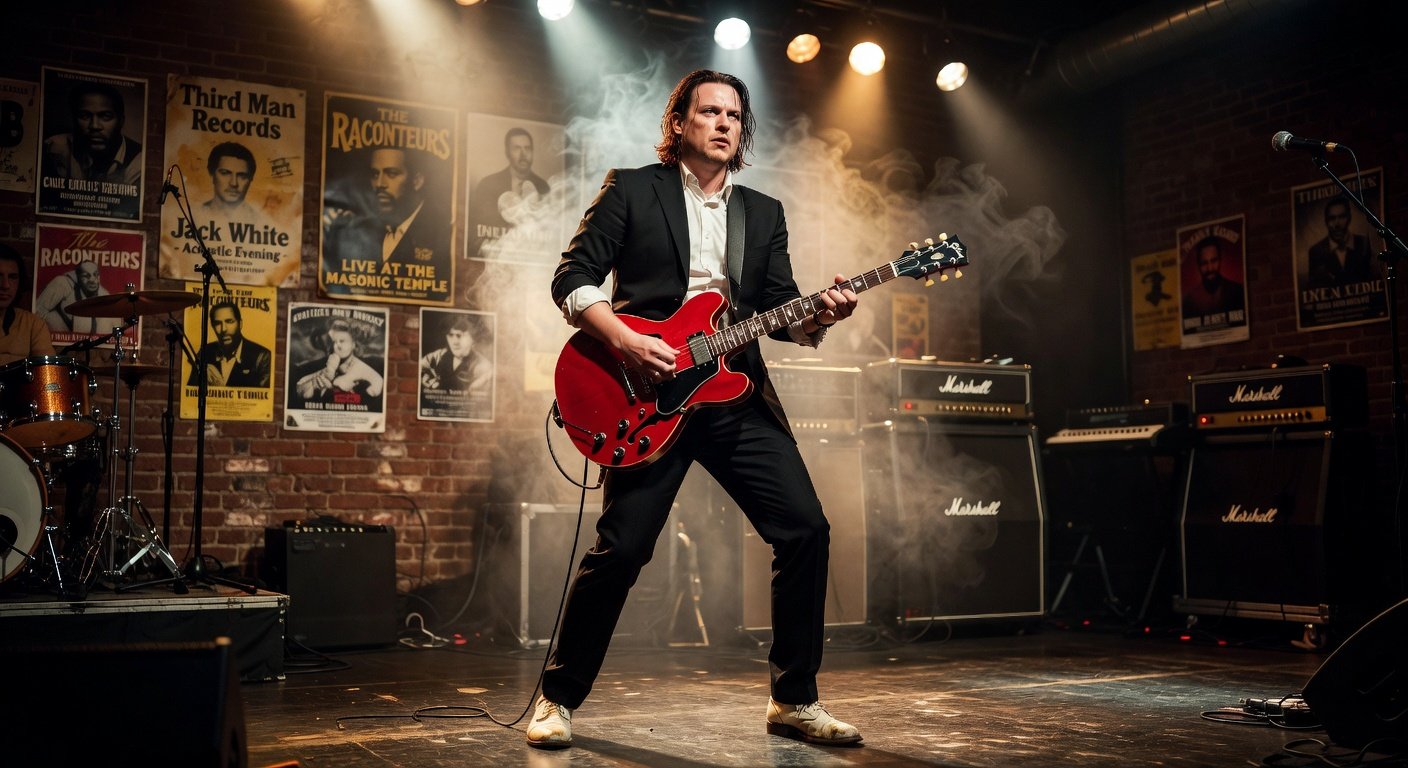
Jack White stands as one of the most influential guitarists of the 21st century, blending raw garage rock energy with meticulous craftsmanship. From his breakthrough with The White Stripes to building the Third Man Records empire, White has redefined indie music. His career trajectory—from duo simplicity to solo innovation and label mogul—offers lessons for aspiring musicians on authenticity, experimentation, and business savvy. This bio traces his path, highlights key albums like Elephant and Lazaretto, dissects his guitar techniques, and shares gear recommendations rooted in his philosophy.
White's impact extends beyond music; he's a cultural force pushing vinyl revival and live performance purity. As we look toward 2026, his ongoing projects signal no slowdown. Whether you're a fan, guitarist, or producer, White's story inspires blending tradition with rebellion.
Early Life and The White Stripes Origins
Born John Anthony Gillis in 1975 in Detroit, Jack White grew up in a working-class family immersed in punk, blues, and Motown. Self-taught on guitar after a pivotal moment with a 1962 Harmony Rocket, he upholstered furniture by day while drumming and guitar-vocals-ing in bands. In 1997, he formed The White Stripes with ex-wife Meg White, fabricating a sibling story for mystique.
The duo's minimalism—guitar, drums, vocals—captured garage rock's primal essence. Their 1999 self-titled debut echoed '60s blues-punk, but 2001's White Blood Cells exploded with hooks like "Fell in Love with a Girl." By 2003's Elephant, they were global stars. Recorded in London's Toe Rag Studios on 8-track analog, it featured White's seismic riff on "Seven Nation Army," a stadium anthem born from a simple oscillator hum.
- Key White Stripes Milestones:
- 2001: White Blood Cells – Raw energy cements cult following.
- 2003: Elephant – Grammy-winning smash with raw production.
- 2005: Get Behind Me Satan – Marimba experiments show evolution.
- 2007: Hiatus after Icky Thump, shifting to solo ventures.
The Stripes' red-white-black aesthetic and anti-digital stance influenced indie rock's lo-fi revival.
Solo Career: Blunderbuss to Fear of the Dawn
Post-Stripes, White launched solo in 2012 with Blunderbuss, a rootsy triumph showcasing multi-instrumentalism. Tracks like "Love Interruption" revealed vulnerability amid bluesy swagger. 2014's Lazaretto upped ante with ultra-limited vinyl (first 100 with hidden holograms) and the title track's explosive riff—played on a custom '50s-style guitar with triple neck.
Collaborations defined eras: Raconteurs with Brendan Benson (Broken Boy Soldiers, 2006), Dead Weather's swampy psych (Horehound, 2009). Recent albums like 2022's Fear of the Dawn and I Beg You Will experiment with electronic edges while honoring analog roots. Looking to 2026, White teases more boundary-pushing releases via Third Man Vault packages.
Third Man Records: Building an Empire
In 2009, White founded Third Man Records in Nashville, a haven for vinyl obsessives. Beyond releases, it features a live venue, pressing plant (producing 250,000+ records yearly), and novelty shop. White's "direct-to-acetylate" mastering skips digital for pure analog fidelity.
The label amplified acts like The White Stripes vault series, Alabama Shakes, and emerging talents. Its blue-room live recordings capture unfiltered magic, embodying White's mantra: "Record everything, release selectively." By 2026, expansions like Third Man Hardware (guitar pedals) solidify its revolution.
Jack White's Innovative Guitar Techniques
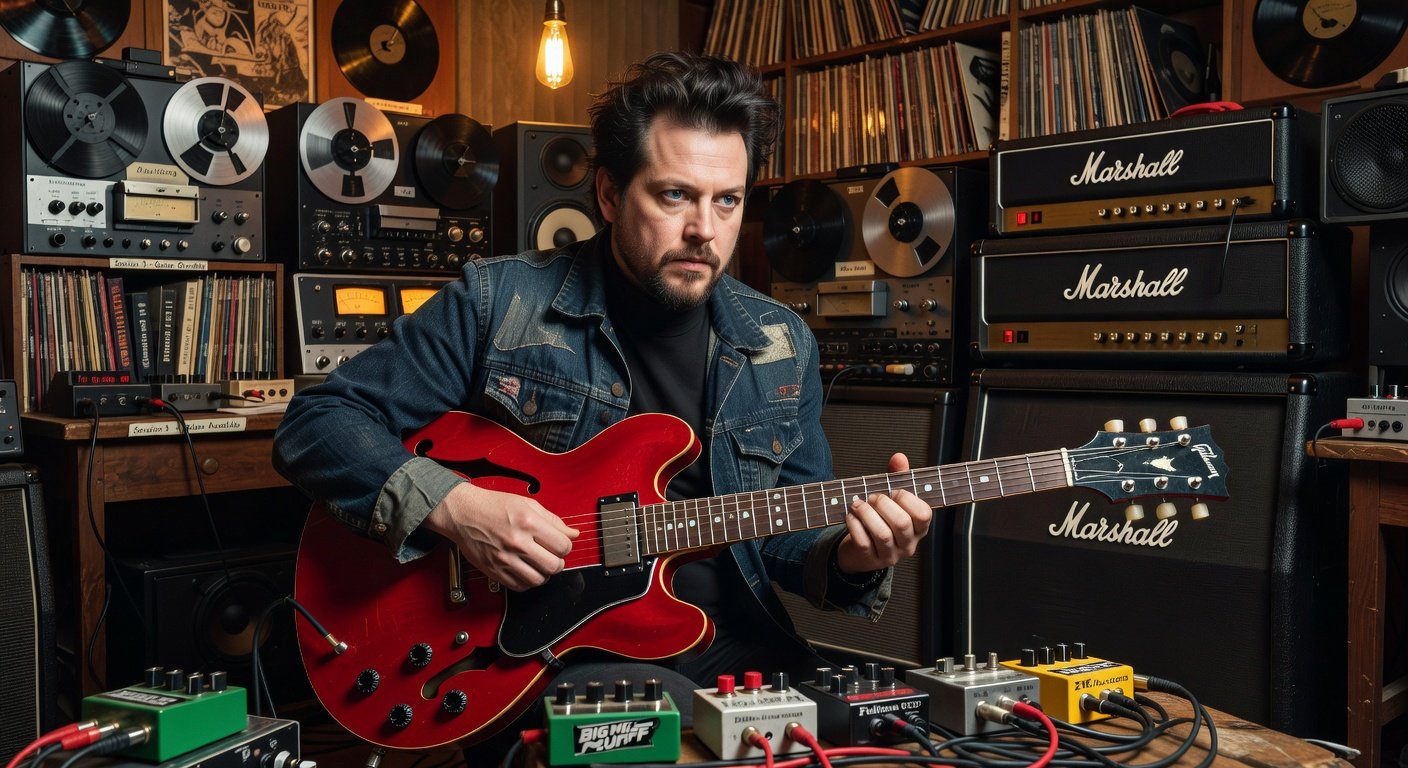
White's style fuses Delta blues (Robert Johnson), punk snarl (The Stooges), and '60s psych (The Kinks). Signature: octave pedals for massive tone without distortion pedals, as on "Seven Nation Army." He favors air-gapping amps—positioning guitar away from speakers—for natural compression.
- Bend and Vibrato: Exaggerated, vocal-like bends mimic Howlin' Wolf.
- Picking: Hybrid alternate for speed, thumb for blues chunk.
- Effects Minimalism: Whammy bar dives, Big Muff fuzz sparingly.
- Tuning Tricks: Open G (D-G-D-G-B-D) for resonance, detuning for menace.
Study Elephant's "Ball and Biscuit" for riff economy—few notes, maximum impact.
Gear Recommendations: Channeling Jack White
White's setup evolves but centers vintage reliability. Core rig:
- Guitars: 1950s Kay Hollowbody (red/white), Gibson SG, Airline JB Hutto. Budget alt: Epiphone Sheraton (~$500).
- Amps: 1950s Marshall 4x12 with Plexi, ZVex Fuzz Factory. Affordable: Fender Blues Junior modded.
- Pedals: DigiTech Whammy, MXR Micro Amp, Third Man Gibson-inspired Big Muff clone.
For beginners: Start with Squier Tele into Boss Katana (model White's tones via IRs). Practice his philosophy: "Know your gear's limits to transcend them." Avoid modern high-gain; chase grit.
Production Philosophy: Lessons for Aspiring Musicians
White preaches limitations breed creativity—no Pro Tools safety nets. Stories abound: Limiting Elephant to two microphones forced intimacy. At Third Man, he demos "one-take wonders" to prove rehearsal trumps overdubs.
Practical Steps to Adopt His Approach:
- Record analog or tape-emulate (e.g., UAD plugins).
- Limit tracks: Aim for 8-16 per song.
- Play live first: Capture performances, edit later.
- Vinyl mindset: Mix for mono compatibility.
- Collaborate diversely: Raconteurs taught genre-blending.
Mistakes to Avoid: Over-relying on Auto-Tune; ignoring stage sound in studio. Reference Jack White's Wikipedia discography for blueprints.
Lasting Impact on Indie Rock and Beyond
White revived garage rock pre-Stripes slump, inspiring Arctic Monkeys, The Black Keys. Third Man democratized vinyl amid streaming dominance. Awards: Multiple Grammys, Rock Walk of Fame. By 2026, expect tours, collabs (e.g., with Pearl Jam), and hardware drops.
His ethos—analog soul in digital age—resonates. As he said, "Killing a lie is journalistic manhood." White kills music industry myths daily.
Conclusion
Jack White's revolution—from White Stripes riffs to Third Man empire—proves passion plus discipline conquers. Guitarists, grab a Kay clone, crank the Marshall, and chase that raw howl. His legacy endures, fueling indie rock's fire into 2026 and beyond.

No comments yet. Be the first!