 Instrumentiverse

Introduction: The Enduring Bridge Between Rock and Hip Hop
Rock music's golden eras have left an indelible mark on contemporary music production, and in 2026 this influence remains stronger than ever in hip hop beats. Producers today draw from iconic guitar riffs, powerful drum breaks, and structural innovations pioneered by rock legends to create fresh, genre-blending tracks that resonate with new audiences worldwide. The crossover appeal has grown significantly as listeners seek music that honors the past while pushing sonic boundaries forward.
This deep connection goes beyond simple nostalgia. It represents a creative evolution where hip hop artists sample, reinterpret, and adapt rock elements to build modern soundscapes filled with emotional weight and rhythmic complexity. Whether you're a dedicated fan of crossover music or an aspiring producer looking to refine your craft, understanding these links unlocks new creative possibilities that can elevate your appreciation and output. In this comprehensive guide, we explore the historical roots, examine real-world applications through detailed case studies, compare rhythmic foundations, forecast emerging trends, and provide actionable advice for anyone eager to participate in this vibrant fusion.
Core Rock History Elements Shaping Hip Hop Beats
Classic rock milestones provide a rich palette for hip hop producers in 2026. Guitar riffs from bands like Led Zeppelin and Black Sabbath are frequently chopped, pitched, and looped to add gritty texture and harmonic interest to otherwise minimal beats. Drum patterns from the 1970s, especially those featuring heavy backbeats, explosive fills, and driving cymbal work, form the backbone of many trap and boom-bap productions today. These foundational sounds bring a live, organic feel that contrasts beautifully with digital synths and programmed 808s.
Additional influences stem from punk rock's raw energy and short, punchy song structures that translate well into concise, high-impact hip hop verses. Progressive rock's expansive arrangements inspire longer intros and breakdowns in modern tracks. Even blues-based rock progressions appear in melodic rap hooks, giving songs a timeless quality. Producers often study these elements through original recordings and reissues to capture authentic tone and dynamics that modern plugins struggle to replicate exactly.
Case Studies of Influential Tracks
One standout example involves the reimagining of guitar-driven rock anthems in recent hip hop releases. Producers layer distorted, sampled riffs over heavy 808 basslines and crisp snares to create tension and release that mirrors classic rock dynamics. Another compelling case features drum breaks from 1970s rock recordings that are meticulously time-stretched, sliced, and combined with contemporary trap hi-hat patterns and vocal chops. These adaptations demonstrate how rock history serves not merely as reference material but as active raw material transformed to suit today's fast-evolving sonic landscape.
Further examples include tracks that borrow chord sequences from psychedelic rock eras and infuse them with hip hop flows, resulting in atmospheric pieces that dominate streaming charts. By examining these specific instances, producers can see practical methods for integrating disparate genre traits without losing coherence or originality.
Comparing Rhythmic Structures Across Genres
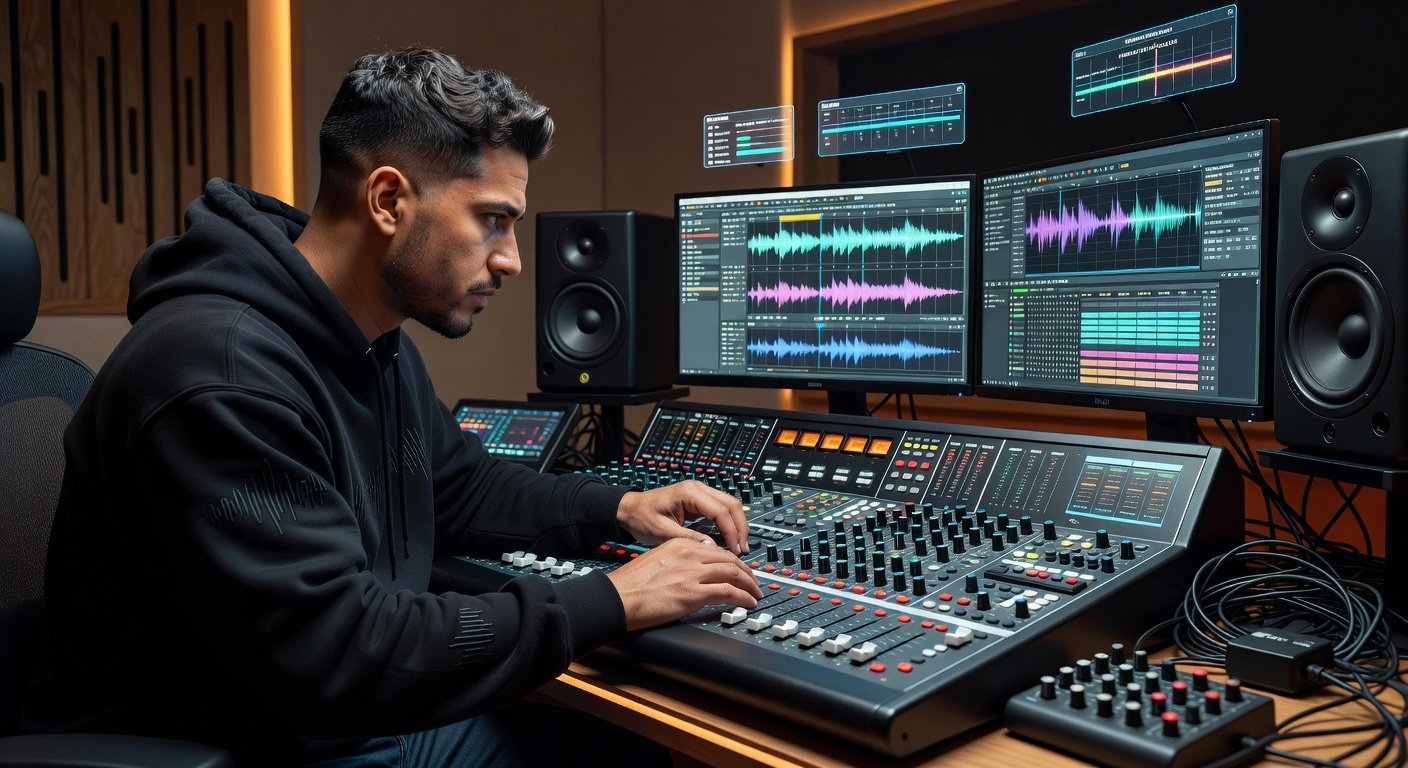
Rock often relies on straight 4/4 beats with strong emphasis on the backbeat, creating a solid foundation that drives energy throughout a song. Hip hop, in contrast, introduces swung rhythms, ghost notes, and polyrhythms that add groove and unpredictability. In 2026 productions, hybrid approaches thrive where rock's steady pulse underpins hip hop's off-kilter grooves, yielding beats that feel both familiar to longtime rock fans and fresh for hip hop enthusiasts.
- Rock backbeats deliver reliable stability ideal for clear vocal delivery and crowd engagement.
- Hip hop swing introduces bounce, syncopation, and rhythmic complexity that keeps listeners hooked.
- When combined thoughtfully, the result produces versatile beats suitable for live band performances, club play, and algorithm-friendly streaming playlists.
- Common pitfalls include over-quantizing rock samples, which removes their human feel, or neglecting to adjust tempos appropriately during integration.
Emerging 2026 Trends in Rock-Hip Hop Blends
Current trends feature AI-assisted sampling from rare rock vinyl collections, allowing producers to isolate and manipulate elements with unprecedented precision. Live band integrations during studio sessions bring authentic instrumentation back into digital workflows. Experimentation with rock-inspired chord progressions in melodic rap creates emotionally resonant hooks that stand out in crowded release schedules.
Virtual production tools and collaborative platforms enable global artists to blend rock archives with hip hop innovation in real time. These developments signal a future where genre boundaries dissolve further, opening doors for experimental projects and mainstream crossovers alike.
Step-by-Step Listening Guide
Follow this detailed practical guide to explore the connections yourself and develop a trained ear for the fusion:
- Begin with foundational rock tracks from the 1960s through 1970s, focusing on guitar tone, drum tone, and arrangement choices.
- Compare them side by side with modern hip hop beats that sample or emulate similar elements, noting differences in processing and context.
- Analyze drum patterns and riff placements using a digital audio workstation to understand layering techniques.
- Build your own themed playlist of crossover tracks spanning decades for repeated, active listening sessions.
- Experiment by recreating short sections yourself to internalize the creative decisions involved.
Example Playlists and Further Exploration
Curate playlists that juxtapose original rock classics with their hip hop reinterpretations. Authoritative resources such as the Rock & Roll Hall of Fame provide deep historical context and archival material. Billboard charts and archives track current crossover successes, while Grammy.com offers interviews and insights from artists working at the intersection.
Tips for Aspiring Producers and Mistakes to Avoid
Focus first on securing proper legal sample clearance before releasing any work. Experiment with live guitar or drum recordings alongside samples to add unique character. Study masters of both genres through critical listening and transcription. Start small by recreating a simple rock riff within your own beats before scaling up to full productions. Avoid common mistakes such as mismatched tempos, ignoring key signatures, or over-relying on stock plugins that flatten the organic quality of rock sources. Instead, prioritize subtle EQ adjustments and dynamic processing to preserve the original energy while fitting it seamlessly into hip hop frameworks.
Frequently Asked Questions
How has rock history specifically impacted hip hop production techniques?
Through creative sampling of riffs and breaks, adaptation of chord structures, and rhythmic borrowing that enriches overall beat complexity and emotional resonance for listeners.
What are the best ways to discover new rock-hip hop fusion tracks in 2026?
Explore curated playlists on major streaming platforms, follow in-depth producer interviews, and consult resources like Rock & Roll Hall of Fame archives for historical ties and recommendations.
Should beginners learn rock music theory to improve hip hop beats?
Yes, grasping rock structures, scales, and arrangement principles provides valuable tools for crafting distinctive, memorable, and structurally sound productions that stand the test of time.
How can producers ensure their blends feel authentic rather than forced?
By studying original recordings closely, respecting the source material's dynamics, and testing mixes across multiple playback systems before finalizing.
By embracing these historical connections with care and creativity, music enthusiasts and producers alike can fully appreciate and contribute to the ongoing evolution of hip hop in 2026 and the years ahead.

No comments yet. Be the first!