 Instrumentiverse
Introduction: The Timeless Rivalry Ignites in 2026
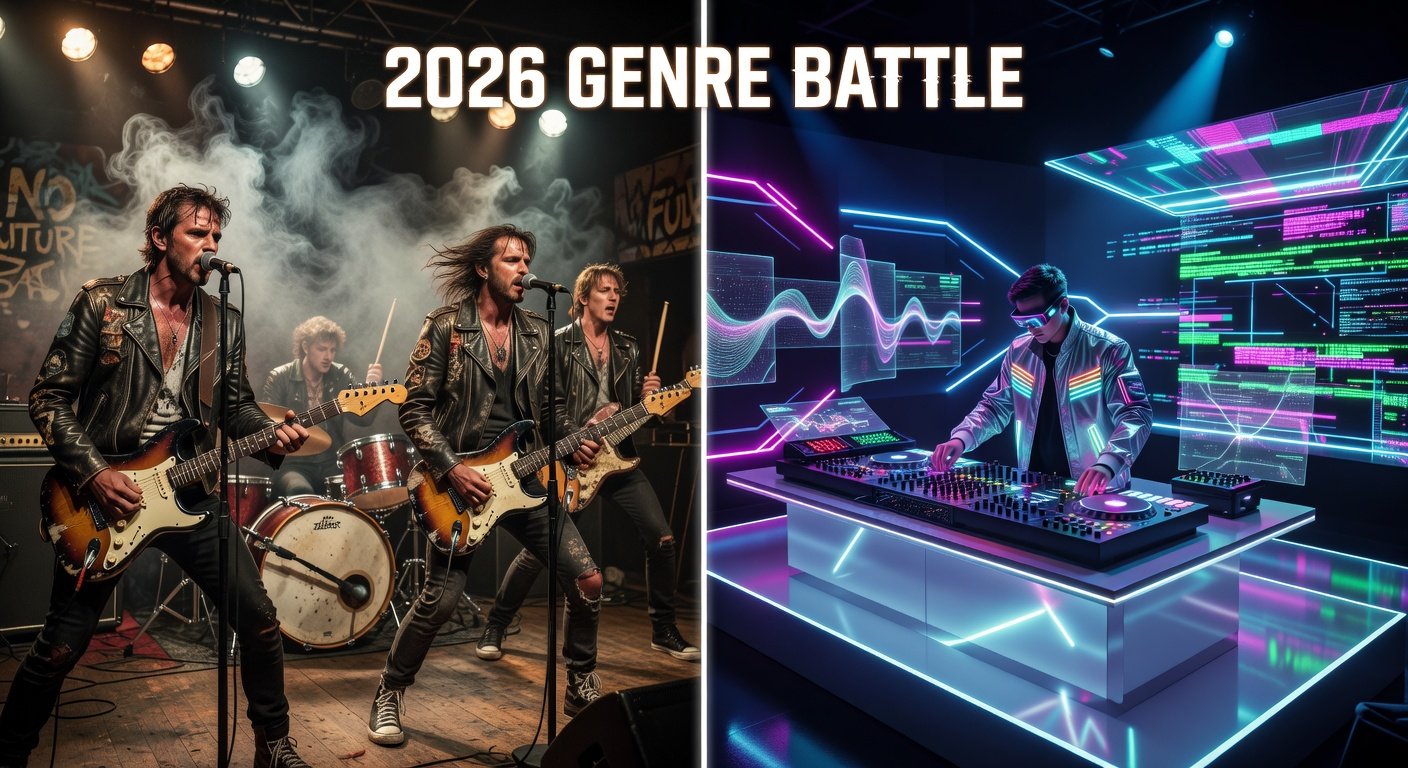
Rock and electronic music have long stood as titans in the music world, each with passionate followers and distinct sonic identities. As we navigate 2026, this genre battle intensifies with revivals, technological leaps, and fusion experiments that blur boundaries. Whether you're a longtime fan or exploring breakdowns for playlist curation, understanding their evolution helps decode today's music landscape.
Rock traces its gritty roots to the 1950s, while electronic emerged from synth experiments in the 1960s. Their paths diverged yet increasingly converge in hybrid forms. This guide dives deep into milestones, techniques, and practical advice to help you appreciate both sides.
Rock's Gritty Origins and Milestones
Rock music exploded from blues and country influences in the mid-20th century. Pioneers like Chuck Berry laid foundations with electric guitar riffs and rebellious energy. By the 1970s, punk emerged as a raw reaction to excess, with bands like the Sex Pistols channeling anger into fast, distorted anthems. The 1990s grunge wave, led by Nirvana and Pearl Jam, brought introspective lyrics and heavy distortion to mainstream audiences.
Into the 2020s, rock saw revivals through indie acts blending classic sounds with modern production. In 2026, expect continued nods to these eras in festival lineups and new releases that honor punk's urgency and grunge's emotional depth.
Electronic Music's Synth Pioneers and Subgenre Shifts
Electronic music began with experimental synth work from artists like Kraftwerk in the 1970s, evolving through house and techno in the 1980s club scenes. Subgenres proliferated: drum and bass in the 90s, dubstep in the 2000s, and future bass more recently. By 2026, AI-driven beats dominate innovation, allowing producers to generate intricate rhythms and melodies with machine learning tools.
Platforms and software accelerate these shifts, making electronic accessible yet endlessly evolving. The focus remains on texture, repetition, and dancefloor energy.
Head-to-Head Comparison: Production Techniques
Rock production emphasizes live instrumentation, analog warmth, and organic layering. Guitar amps, drum kits, and vocals take center stage with minimal digital intervention for authenticity. Electronic production thrives on digital synthesis, sampling, and software like Ableton for precise beat manipulation and sound design.
Key differences include rock's focus on performance capture versus electronic's sculpting of synthetic elements. In 2026, hybrid producers merge both for richer textures.
Live Shows and Performance Dynamics
Rock concerts deliver raw energy through band chemistry, guitar solos, and crowd interaction. Think mosh pits at punk revivals or intimate grunge sets. Electronic shows feature DJs or live electronic acts with visuals, lasers, and synchronized lighting, creating immersive club or festival experiences.
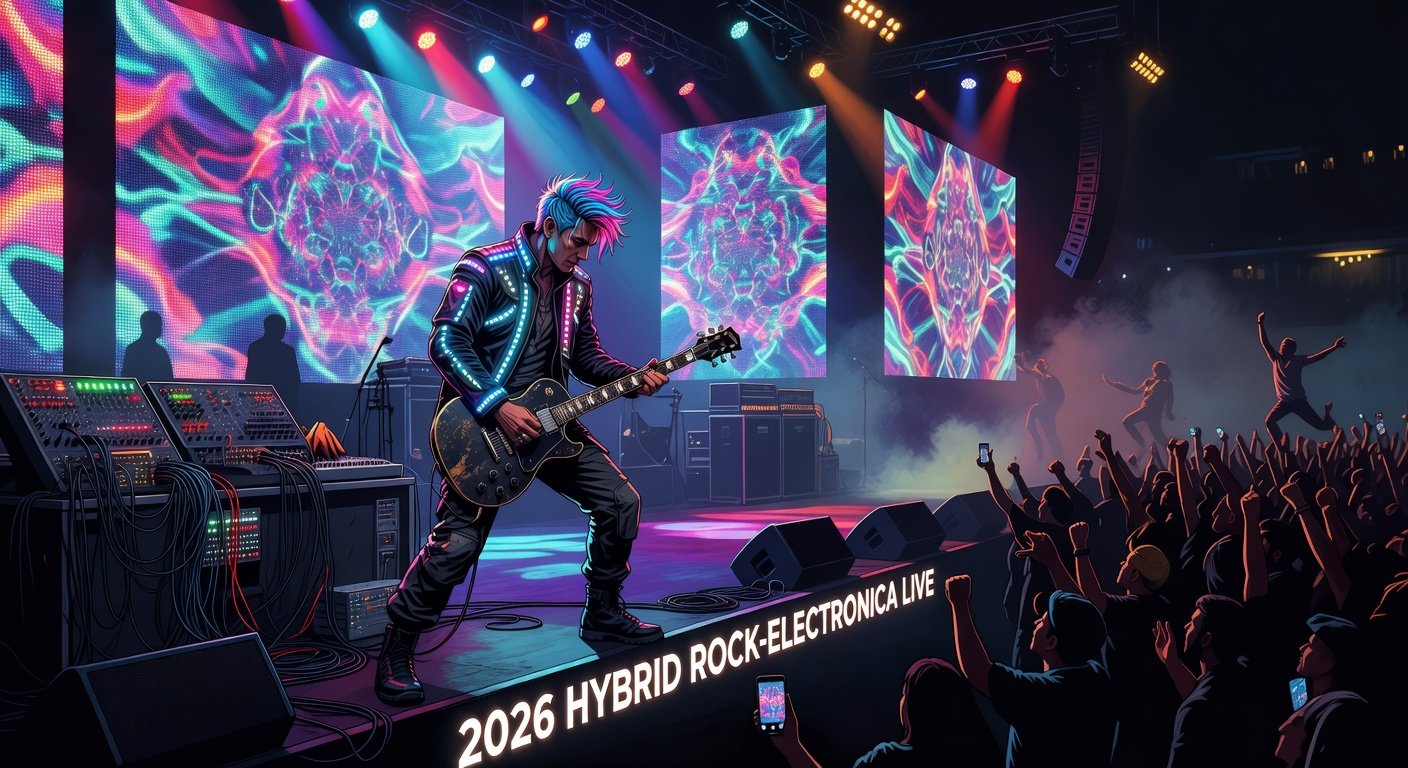
2026 tours highlight both: rock bands incorporating electronic elements for bigger productions, while electronic artists add live instrumentation for depth.
Cultural Impact and Lasting Legacies
Rock shaped countercultures, from punk's anti-establishment stance to grunge's influence on fashion and youth identity. Electronic transformed nightlife, rave culture, and digital music distribution. Together, they influence everything from advertising to social movements.
Authoritative sources like Rolling Stone document these impacts across decades, while Billboard tracks ongoing chart dominance in 2026.
2026 Hybrid Artist Examples
Fusions thrive with artists blending rock guitar with electronic production. Examples include acts like Twenty One Pilots evolving further and new names merging grunge vocals with AI beats. These hybrids top playlists and redefine the battle as collaboration.
Comparison Table: Rock vs Electronic in 2026
| Aspect | Rock | Electronic |
|---|---|---|
| Origins | 1950s blues/country | 1970s synth experiments |
| Key Milestones | Punk (70s), Grunge (90s), 2026 Revivals | House/Techno (80s), AI Beats (2026) |
| Production | Live bands, analog gear | Digital synths, sampling |
| Live Vibe | Band energy, mosh pits | DJ sets, visuals, dance |
| Cultural Role | Rebellion and identity | Nightlife and innovation |
Playlist-Building Steps: Blending Rock and Electronic
- Start with core tracks: Choose 5 rock anthems like classic punk hits and 5 electronic essentials such as synthwave tracks.
- Identify energy levels: Match tempos for smooth transitions, e.g., upbeat rock into driving techno.
- Incorporate hybrids: Add 2026 fusion songs to bridge genres naturally.
- Test for context: Curate separate workout lists with high-energy blends and chill sessions featuring ambient electronic over soft rock.
- Refine with apps: Use streaming tools to analyze and balance your mix.
FAQs: Choosing Tracks for Workouts vs Chill Sessions
How do I pick rock tracks for intense workouts?
Focus on high-tempo punk or grunge with driving drums and motivational lyrics. Aim for 140+ BPM to match running or lifting paces.
What electronic tracks suit chill sessions?
Opt for downtempo or ambient subgenres with soft synths and minimal beats. Look for tracks around 80-100 BPM for relaxation.
Can hybrids work for both?
Yes, rock-electronica fusions offer versatility—use energetic ones for workouts and stripped versions for chill.
Conclusion: Embracing the 2026 Genre Evolution
The rock versus electronic battle in 2026 is less rivalry and more synergy. By understanding their histories and techniques, you can craft playlists that celebrate both worlds. Dive in, experiment with fusions, and let the music guide your next discovery.
No comments yet. Be the first!