 Instrumentiverse

Rhythmic Theory for Dynamic Chord Progressions in Songwriting
Understanding rhythm is essential for creating chord progressions that feel alive and engaging. This guide shows how core music theory principles like time signatures, syncopation, and groove integration can elevate your harmonic choices without relying on standard progression lessons. Rhythm does not merely support harmony; it actively shapes how listeners perceive tension, resolution, and emotional flow in a song. By exploring rhythmic theory, songwriters gain tools to make even simple I-IV-V sequences sound innovative and memorable.
Introduction to Rhythm and Harmony Integration
Rhythm dictates the pulse and flow of music, directly influencing how chords land and resolve. When songwriters align rhythmic patterns with scales and chords, they produce structures that captivate listeners. Popular tracks often demonstrate this through subtle timing shifts that make familiar harmonies sound fresh. For example, a basic C major to G major move can feel entirely different when the second chord arrives half a beat early. This integration prevents harmonic repetition and opens pathways for more dynamic song structures across genres.
Core Concepts: Time Signatures and Their Impact
Time signatures establish the rhythmic framework for chord progressions. Common signatures like 4/4 provide steady foundations, while 3/4 or 6/8 introduce lilting feels that alter harmonic pacing. In 4/4, chord changes often occur on beats one and three, creating a predictable yet powerful drive. Switching to 6/8 redistributes emphasis across six eighth notes, encouraging longer bass sustains or quicker chord stabs. Experimenting with odd signatures such as 5/4 can create tension and release within progressions, encouraging creative scale choices. Songwriters should practice mapping the same chord sequence across multiple signatures to hear how the underlying pulse transforms harmonic rhythm and listener expectations.
Syncopation Techniques for Chord Movement
Syncopation places emphasis on off-beats, adding energy to chord changes. Placing a chord on the "and" of beat two instead of the downbeat disrupts expectations and heightens emotional impact. This technique works especially well when moving between diatonic chords and borrowed chords from parallel scales. Consider a progression in A minor: Am to F to C to G. Shifting the F chord to land on the upbeat creates forward momentum that pulls the listener into the next measure. Advanced application involves layering multiple syncopated voices, such as a rhythm guitar playing off-beats while the bass holds downbeats, resulting in a rich polyrhythmic texture that still feels cohesive.
Analyzing Rhythmic Patterns in Popular Tracks
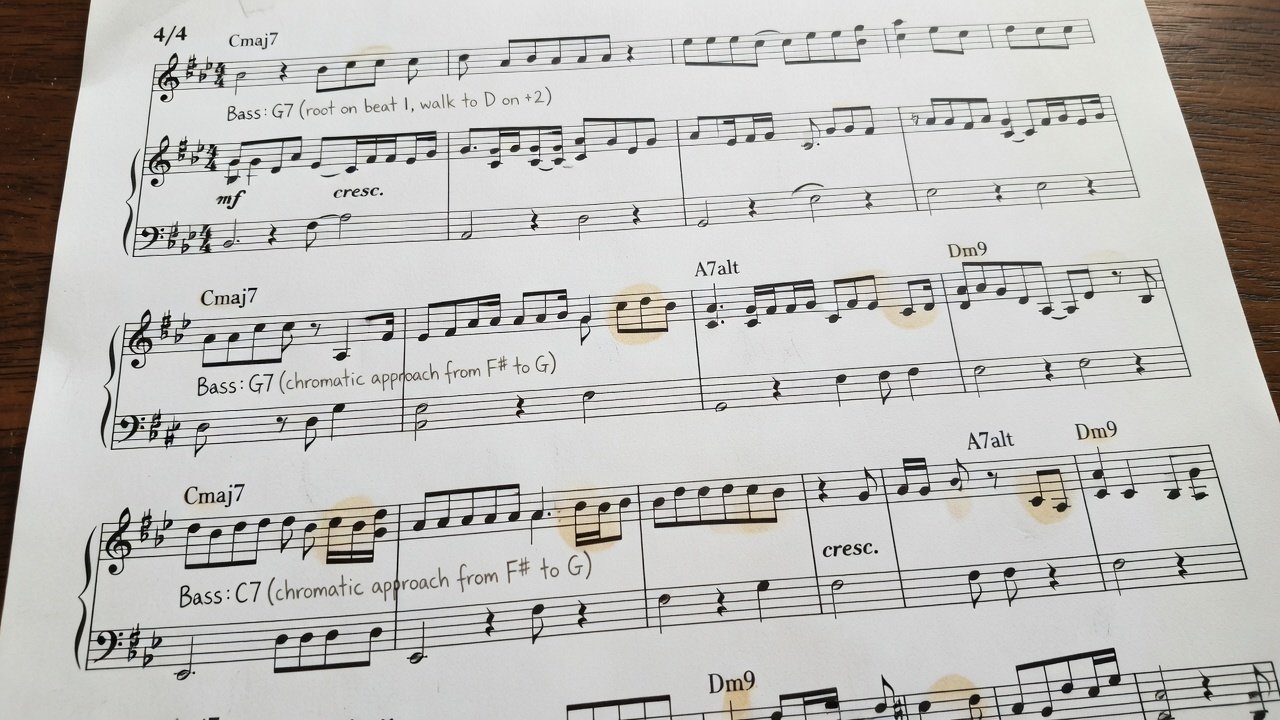
Many hit songs use rhythmic displacement to refresh basic progressions. For instance, examining tracks that shift accents across measures reveals how groove influences harmonic rhythm. Songwriters can transcribe short sections to identify these patterns and adapt them to original work. Listen for how certain productions delay chord arrivals by an eighth note to build anticipation before a chorus drop. This analysis teaches that rhythm is not decorative but structural, often determining whether a progression feels static or propulsive. Breaking down examples from various decades shows consistent use of these methods to maintain interest over repeated harmonic cycles.
Straight Feel Versus Swung Feel Comparisons
Straight eighth notes deliver even, precise timing ideal for rock and pop structures. Swung feels, common in jazz and blues, elongate the first note of each pair and shorten the second, transforming chord voicings into more expressive statements. Testing both feels on the same progression highlights dramatic differences in mood. A straight 4/4 version of a ii-V-I might sound crisp and modern, whereas the swung interpretation adds warmth and swing that invites improvisation. Songwriters benefit from recording both versions back-to-back to decide which rhythmic treatment best serves the lyrical or melodic intent of a section.
Step-by-Step Exercises for Bass Lines and Harmony
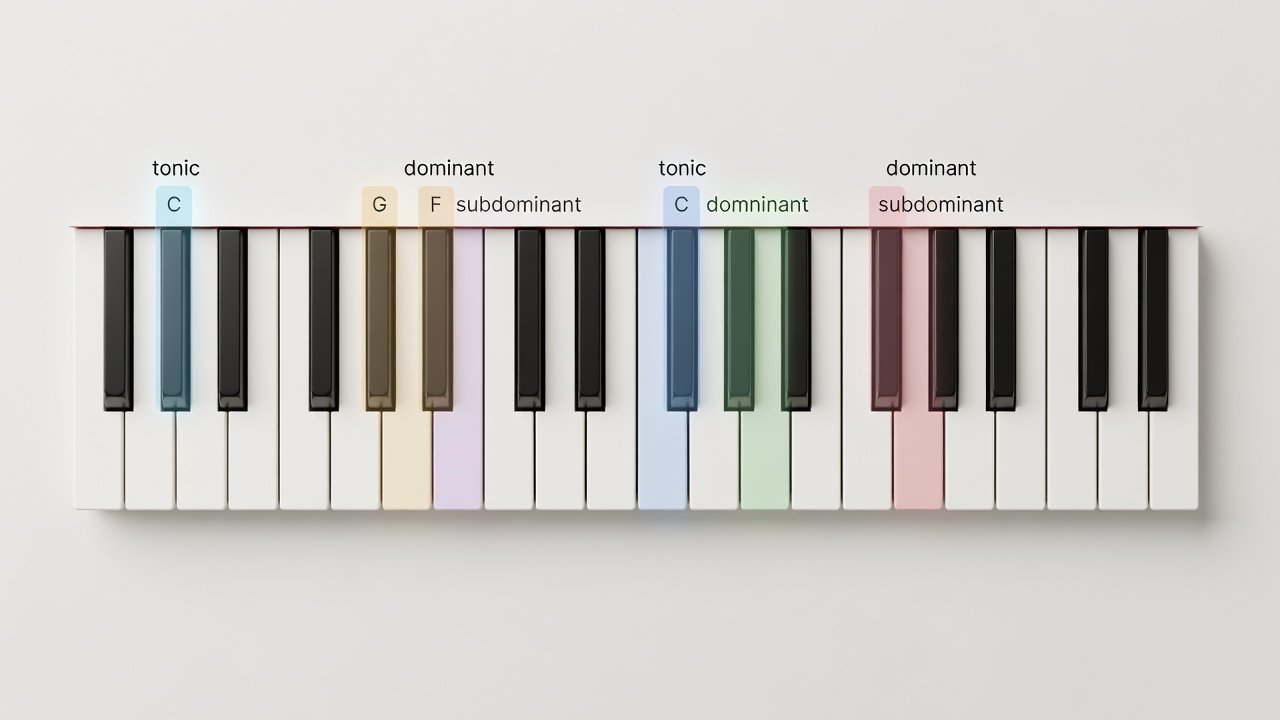
- Start with a simple I-IV-V progression in 4/4 using C, F, and G chords.
- Write a bass line using root notes on strong beats, then add passing tones on off-beats to connect the harmony smoothly.
- Shift one chord arrival to an upbeat to introduce syncopation and note the resulting lift in energy.
- Layer a swung rhythm over the same harmony and compare the groove, paying attention to how the bass interacts with the swung chords.
- Record and analyze how each variation affects perceived tension, then transpose the exercise to different keys and time signatures.
- Extend the exercise by incorporating scale tones in the melody that lock with the rhythmic bass movement.
Practical Examples and Chord-Rhythm Templates
Downloadable chord-rhythm templates provide ready frameworks for practice. One template might feature a 4/4 progression with syncopated chord hits on beats 2& and 4&. Another could explore 6/8 with overlapping bass and guitar rhythms that create a rolling motion. Apply these to your scales by substituting chord tones while maintaining the rhythmic skeleton. For instance, use the template over a Dorian mode scale to add modal flavor without changing the core rhythm. These templates accelerate the songwriting process by offering proven rhythmic scaffolding that can be customized with personal chord choices and melodic ideas.
Integrating Groove with Scales and Chord Voicings
Groove integration requires matching scale selections to the rhythmic feel. In a swung context, minor pentatonic scales often pair naturally with seventh chords to emphasize blue notes on off-beats. Straight feels benefit from major or harmonic minor scales that highlight clean resolutions on downbeats. Experiment with chord inversions to place important notes on accented beats, reinforcing the groove. This approach ensures that harmony and rhythm work together rather than competing, producing progressions that feel both theoretically sound and rhythmically compelling.
Common Pitfalls and How to Avoid Them
- Over-syncopating without clear resolution points leads to confusion and loss of listener connection.
- Ignoring the relationship between tempo and rhythmic complexity can muddy the groove and obscure harmonic movement.
- Failing to align bass movement with chord changes weakens harmonic foundation and makes the progression feel disjointed.
- Neglecting to test progressions at different tempos often results in rhythms that work only in one narrow context.
Frequently Asked Questions
How does rhythm change standard chord progressions?
Rhythm alters where chords land within the measure, creating new emotional arcs even when the harmonic sequence stays the same. This can turn a predictable cycle into something surprising and memorable.
What time signatures work best for beginners exploring this approach?
Start with 4/4 and 3/4 before moving to compound or odd meters. These provide enough variety to experiment while remaining accessible for building rhythmic intuition.
Can these techniques apply across genres?
Yes, rhythmic theory principles transfer effectively from pop and rock to electronic, folk, and world music styles. The same syncopation methods can refresh progressions in any context when adapted thoughtfully.
Conclusion
Mastering rhythmic theory empowers songwriters to breathe new life into chord progressions. By combining time signatures, syncopation, and groove awareness with practical exercises, creators develop fresh structures that stand out. Continue exploring these concepts through templates and analysis to build a personal toolkit that enhances every song. For deeper study, explore resources at musictheory.net, Wikipedia's syncopation entry, and BBC Sounds music collections.

No comments yet. Be the first!