 Instrumentiverse

Introduction to Harmony Layering
Harmony layering transforms basic tracks into emotionally resonant productions by stacking chords, scales, and voices with intentional voice leading. Songwriters who apply these music theory principles create richer depth without overwhelming complexity. This guide delivers actionable strategies for vocal stacks and instrumental layers, complete with real song examples and beginner-friendly exercises that build practical skills over time.
Effective layering starts with understanding how individual elements interact across frequency ranges and registers. By focusing on smooth transitions and emotional intent, you avoid muddiness while enhancing the overall arrangement. Whether building verses or choruses, these techniques help songwriters elevate productions systematically, turning simple ideas into compelling soundscapes that connect with listeners on a deeper level.
Core Principles: Chords, Scales, and Voice Leading
Begin with chord foundations that anchor the harmonic structure. Select progressions that support the melody, then layer additional voices using close or open voicings to add texture. Scales provide the melodic and harmonic palette—major scales deliver uplifting, expansive tones while minor scales evoke introspective or dramatic moods. Voice leading ensures each note moves smoothly to the next, typically by step or common tone retention, which maintains clarity even when multiple layers are present.
Real-world example: In Billie Eilish’s “Bad Guy,” layered vocal harmonies use minor scale fragments with tight voice leading to create tension and release across the track. Instrumental layers on synth pads reinforce the chord tones without clashing, demonstrating how restraint in layering can heighten emotional impact. Another illustration comes from The Weeknd’s productions, where major key layers blend with subtle minor inflections for a haunting yet accessible feel.
Practical tip: Always check for parallel fifths or octaves when stacking, as these can weaken the harmonic texture and make the mix feel thin. Instead, aim for contrary or oblique motion between layers to preserve independence and richness. This approach prevents the common issue of layers blending into a single indistinct mass.
Building Vocal Stacks Step-by-Step
Creating effective vocal stacks requires a methodical process that prioritizes blend and width. Start by recording the lead vocal first with clear intonation and emotional delivery. Next, add a unison layer an octave higher or lower for immediate thickness and presence. Introduce thirds and fifths above or below the lead, staying strictly within the chosen scale to maintain tonal coherence. Pan layers left and right for natural stereo width, then apply subtle EQ cuts around 200-500 Hz and light compression to blend without masking important frequencies.
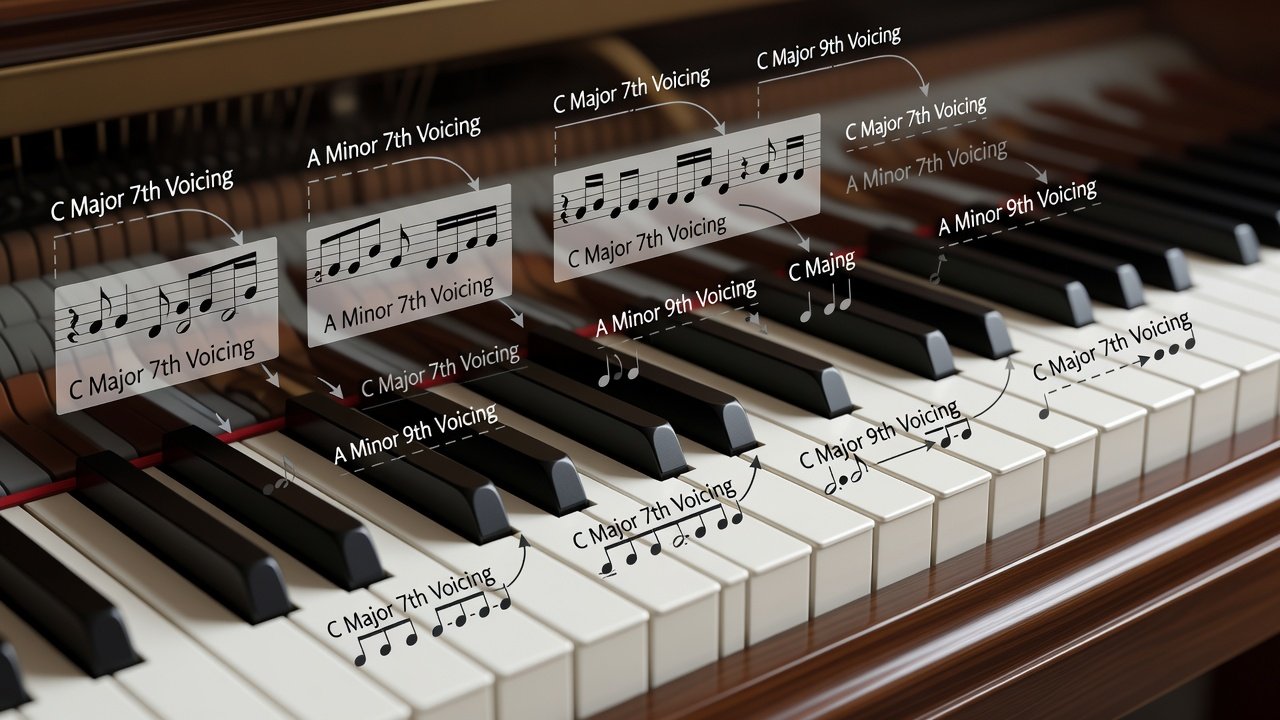
For emotional depth, vary the number of layers per section—sparser in verses to leave space for the main melody, denser in choruses to build intensity and payoff. Practice this with a simple C major progression such as C-F-G: layer C-E-G on the root chord, then add E-G-B for the next chord while ensuring each voice resolves logically. Experiment with doubling the lead at the octave during the bridge for added drama.
Additional nuance comes from timing variations; slight delays on harmony layers can simulate a choir effect without digital processing. Always reference the stack on small speakers to confirm it holds together across playback systems.
Instrumental Layering Techniques
Instrumental layers complement vocals by filling frequency gaps and supporting the harmonic framework. Use sustained pads for chordal beds, arpeggiators for rhythmic interest that propels the groove forward, and melodic counter-lines that follow strong voice leading principles. Compare applications in major keys, which favor bright and expansive qualities through emphasis on the major third, versus minor keys that lean on the minor third and flattened sixth for a sense of melancholy or urgency.
Avoid clashes by ensuring new layers reinforce existing chord tones or introduce non-chord tones sparingly with clear resolution points. For instance, add a suspended fourth that resolves downward into the third of the chord. In practice, a string section layered over a piano progression can provide cinematic weight when the strings move in contrary motion to the piano’s inner voices.
Major vs Minor Key Applications Compared
Major keys excel at conveying optimism and forward momentum. Favor I-IV-V progressions with added sixths or ninths for warmth and color. The Beatles’ “Let It Be” layers gospel-style harmonies over major chords to create uplifting resolution. Minor keys, by contrast, deliver drama and introspection through progressions like i-iv-v or i-VI-III-VII. Layer diminished chords carefully here to heighten tension before resolving back to the tonic.
Transposing the same progression between modes reveals striking emotional differences. A C major loop of C-Am-F-G feels hopeful, yet shifting to C minor transforms it into something more reflective or tense. This comparison exercise helps songwriters choose the right tonal center for each section of a song.
Progression Building Tips and Common Mistakes to Avoid
Start simple with diatonic chords before introducing secondary dominants or borrowed chords for added color and surprise. Build progressions that allow breathing room between layers so each element remains audible. Common pitfalls include overcrowding the midrange frequencies, ignoring register spacing—always keep layers at least a third apart vertically—and neglecting dynamic contrast by failing to automate volume or filter changes throughout the arrangement.
Another frequent mistake is rushing the layering process without testing in context. Solo each layer periodically and listen for unwanted resonances. Reference tracks from artists like Coldplay or Ariana Grande to study how they balance density with clarity in their productions.
Beginner-Friendly Exercises
- Harmonize a single melody note with three different chord tones and record the results to hear how each choice alters the mood.
- Take a two-chord loop and create four unique vocal layers using only scale degrees 1, 3, and 5, then refine with voice leading adjustments.
- Record an instrumental pad layer over a progression, then add a counter-melody that moves in contrary motion to the primary harmony.
- Transpose a short phrase from major to minor and back, layering voices each time to internalize the emotional shift.
These drills build intuition quickly and translate directly to finished tracks when applied consistently during writing sessions.
FAQ: Troubleshooting Harmony Layers
Q: Why do my layers sound muddy? A: Check frequency overlap and apply high-pass filters on lower layers while carving space with EQ. Ensure voice leading avoids repeated notes in the same register that compete for attention.
Q: How do I fix clashing notes between layers? A: Identify the offending interval and adjust one voice to the nearest scale tone that fits the underlying chord, then recheck the overall movement.
Q: Can I layer in different keys? A: Only briefly for modulation effects; otherwise maintain a shared tonal center to preserve coherence and avoid listener disorientation.
Q: What tools help with precise voice leading? A: Notation software or DAW piano rolls allow visual checking of intervals before committing to audio recordings.
Apply these harmony layering strategies consistently and your productions will gain the emotional depth songwriters seek. Explore further at musictheory.net and Khan Academy for additional reference materials that reinforce these concepts through interactive lessons.

No comments yet. Be the first!