 Instrumentiverse
Introduction: The Hidden Fusion Shaping 80s Rock
The 1980s rock landscape did not emerge in isolation. Instead, it represented a sophisticated synthesis of classical era compositional techniques and foundational blues elements. This intersection created the distinctive sounds heard in stadium anthems and intricate album tracks alike. Advanced listeners often overlook these connections, yet they explain much of the era's harmonic richness and rhythmic drive. By examining how composers borrowed from Baroque counterpoint, Romantic chromaticism, and the 12-bar blues form, enthusiasts uncover why certain 80s tracks feel both epic and grounded in raw emotion.
Understanding this evolution requires examining specific borrowing practices rather than broad timelines. Classical forms provided structural frameworks such as exposition, development, and recapitulation, while blues supplied emotional directness and improvisational freedom through pentatonic scales and call-and-response patterns. The result was music that felt both monumental and visceral, appealing to arena crowds while rewarding close analytical listening. This fusion helped define the decade's production values, where synthesizers and layered guitars met precise orchestration techniques adapted from classical scores.
Harmonic Borrowing: Classical Chords Meet Blues Progressions
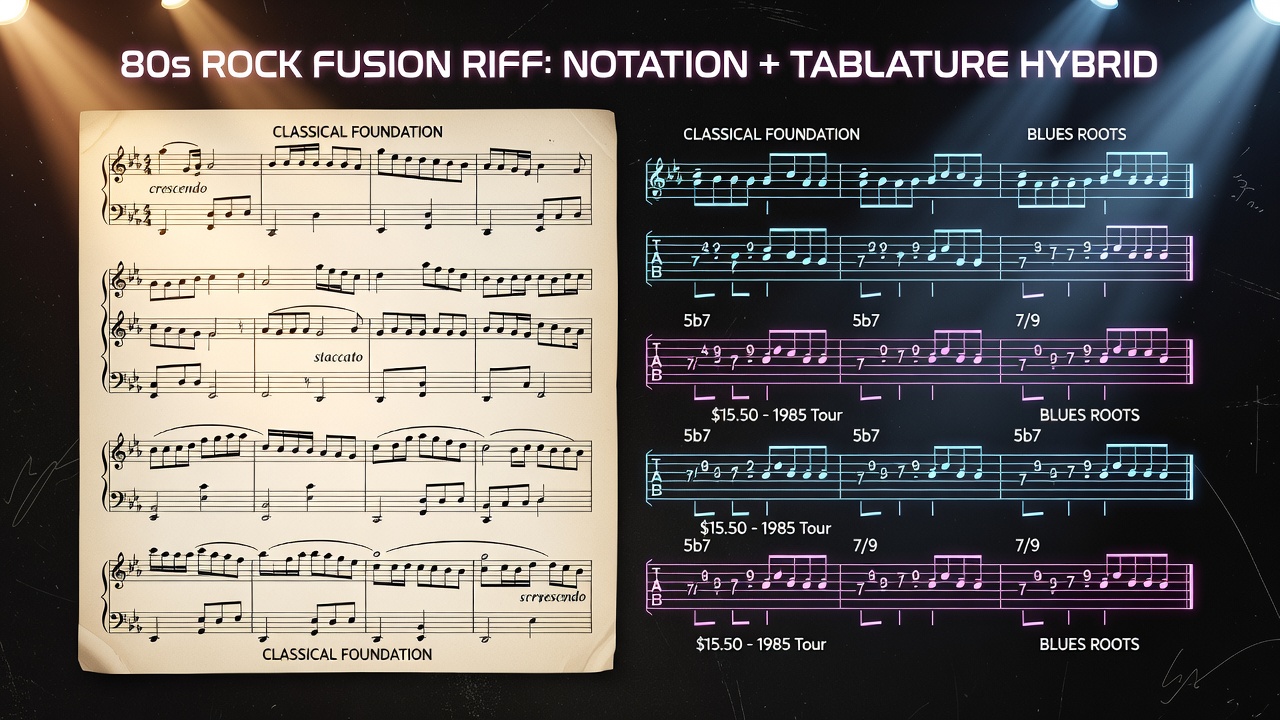
One of the most striking aspects of 1980s rock involves the integration of classical harmonic devices into blues-based songwriting. Composers drew from Baroque and Romantic era techniques, such as suspensions, secondary dominants, and modal mixtures, while retaining the 12-bar blues skeleton. These borrowings added unexpected tension and resolution that elevated simple chord changes into dramatic statements.
For instance, bands incorporated diminished chords and augmented intervals to heighten tension before resolving into familiar blues turns. A standard I-IV-V progression might receive an added Neapolitan sixth or borrowed vii°7 chord from classical repertoire, producing unexpected color and emotional depth. Specific tracks from the decade demonstrate how these adaptations enhanced impact without abandoning the genre's core energy. Side-by-side comparisons reveal the precision involved: listeners can hear how a blues turnaround evolves when classical voice-leading principles guide the inner voices.
Further examples include the use of pedal tones and ostinato figures drawn from classical keyboard works, layered beneath blues-inflected guitar solos. This created harmonic ambiguity that resolved satisfyingly at chorus entrances. Such techniques appear across multiple chart-topping releases, showing a deliberate craft that advanced enthusiasts can trace through careful transcription and comparison.
Rhythmic Adaptations: From Blues Shuffle to Classical Motifs
Rhythmically, 80s rock adapted blues swing and shuffle patterns by overlaying classical phrasing and metric modulation. The straight-ahead backbeat of blues met the precise subdivisions found in classical minuets or fugues. Drummers and guitarists shifted feels mid-track, moving from triplet-based shuffles to duple-meter classical motifs for contrast and propulsion.
Artists experimented with polyrhythms, layering triplet feels from blues over duple classical structures. This produced grooves that powered extended solos and anthemic choruses while maintaining danceable energy. Practical analysis shows these adaptations often involved subtle tempo adjustments and accent placements that rewarded repeated listens, revealing new layers each time. For example, a blues-derived riff might incorporate hemiola effects borrowed from Baroque dance forms, creating forward momentum that feels both familiar and innovative.
These rhythmic fusions also influenced arrangement choices, where bass lines echoed classical ground bass patterns beneath blues-derived chord stabs. The outcome was music with intellectual depth alongside immediate physical appeal, distinguishing 80s rock from earlier decades.
Artist-Specific Evolutions: Key Figures and Their Approaches
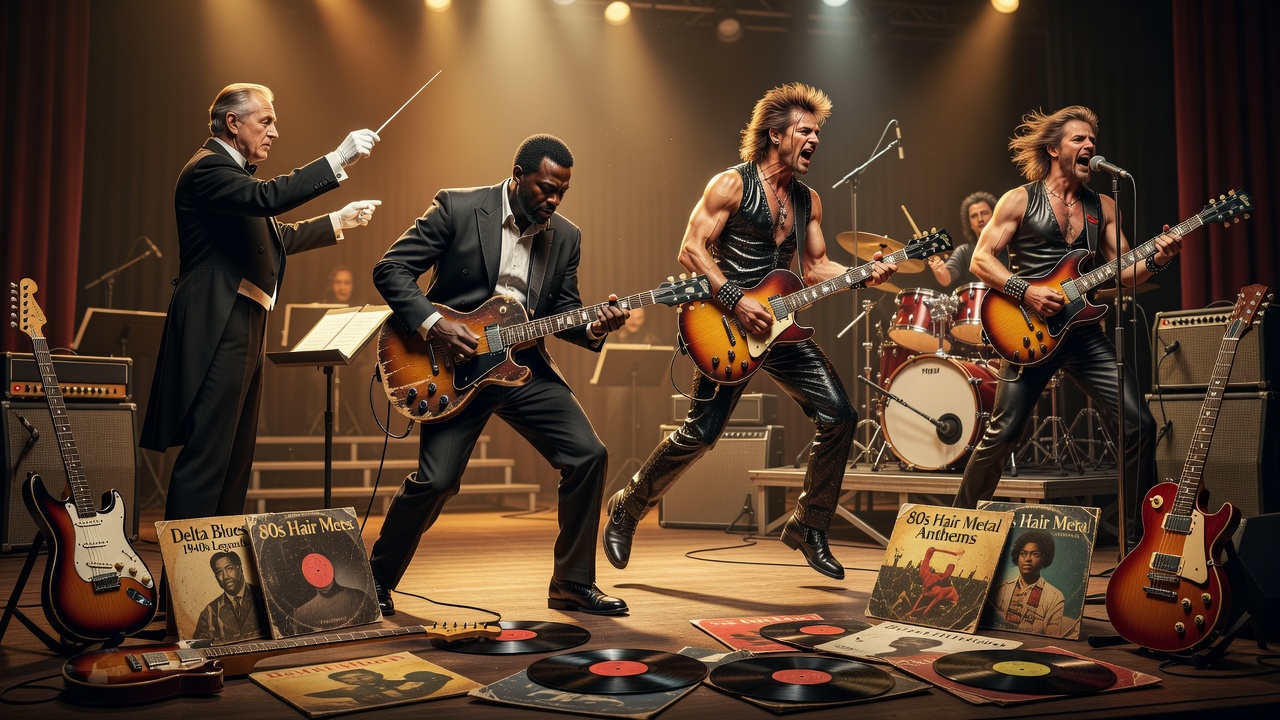
Several prominent artists exemplify this fusion. Their individual evolutions highlight different entry points into the classical-blues dialogue. Examining their discographies provides concrete models for understanding broader trends. One path involved direct quotation of classical melodies reinterpreted through blues scales and electric amplification. Another featured original compositions that adopted sonata-like development sections within verse-chorus formats. A third emphasized improvisational sections where blues phrasing interacted with contrapuntal lines inspired by Baroque counterpoint.
These approaches were not accidental. Many musicians studied classical scores alongside blues recordings, consciously bridging the traditions. Additional artists explored orchestral arrangements that merged string sections with blues harp and slide guitar, creating hybrid textures unique to the decade. Practical steps for analysis include isolating instrumental sections, comparing them to source materials, and noting how each artist balanced accessibility with complexity.
Listening Recommendations and Practical Comparisons
To explore these ideas aurally, begin with carefully selected tracks that showcase clear examples. Compare original classical sources with their 80s reinterpretations. Focus on harmony first, then rhythm, before considering overall form. Use high-quality recordings to hear subtle chord voicings and rhythmic nuances. Pair listening with score analysis where possible to deepen insight.
Recommended starting points include albums featuring extended instrumental passages. Create your own side-by-side playlists that alternate between classical references and 80s tracks. Note moments of direct influence versus more abstract adaptations. This method builds analytical skills quickly and reveals patterns across the genre.
Additional resources for further study include authoritative references such as Britannica's music history entries and detailed genre overviews at AllMusic. The Library of Congress music collections also offer archival recordings and scores useful for deeper comparison.
Tools and Resources for Deeper Analysis
Enthusiasts can use transcription software to slow down tracks and isolate harmonic changes. Digital audio workstations allow layering of classical MIDI realizations with 80s rock stems for direct comparison. Printed scores of Baroque and Romantic works paired with blues fake books provide tangible side-by-side study materials. Avoid common mistakes such as assuming all chromaticism is classical in origin; verify through context and voice leading.
Short FAQ: Addressing Influence Authenticity Debates
Did 80s artists intentionally study classical music? Many did, often through formal training or self-directed exploration of scores and recordings.
Does this fusion dilute blues authenticity? On the contrary, it extends the blues tradition of absorbing outside influences, much as earlier generations incorporated jazz and folk elements.
Are there quantifiable examples of these borrowings? Yes, harmonic analysis of numerous hits confirms the presence of classical devices within blues frameworks, documented in musicological studies.
How can listeners identify these elements without formal training? Start with focused listening exercises on harmony changes and rhythmic shifts, then consult reference materials for confirmation.
Conclusion: Legacy and Continued Relevance
The interplay between classical era structures and blues origins in 80s rock remains a fertile area for analysis. These fusions produced enduring music that continues to influence contemporary artists across genres. By examining the specifics of harmony, rhythm, artist choices, and listening practices, enthusiasts gain richer appreciation for an era often reduced to surface-level nostalgia. The techniques explored here offer a foundation for ongoing discovery in music history.

No comments yet. Be the first!