 Instrumentiverse

2026 Rock Trends: Fresh Classical and Blues Connections
The rock landscape in 2026 continues to evolve through deliberate bridges to the past. Composers and producers are mining the structural sophistication of the classical era alongside the raw rhythmic pulse of early blues, creating sounds that feel both innovative and timeless. This article examines those intersections in depth, offering practical insights for listeners and creators alike. Search trends show growing interest in forward-looking music history analysis. Fans want to understand how Bach-inspired counterpoint or Muddy Waters-style shuffles appear in today's productions. By unpacking specific techniques and real-world applications, this guide helps identify these influences in new releases while providing actionable listening strategies and production tips.
Understanding these connections requires looking beyond surface-level genre labels. Rock in 2026 often functions as a synthesis engine, taking the thematic rigor of 18th- and 19th-century classical music and the emotive, groove-driven foundations of early 20th-century blues. This creates music that rewards analytical listening while remaining accessible for casual fans. Over the following sections we break down the key borrowed methods, show how they manifest in current productions, and equip you with tools to spot them yourself.
Classical Compositional Methods in Modern Rock
Classical masters like Bach and Beethoven emphasized counterpoint, thematic development, and dynamic contrast. In 2026 rock these appear through layered guitar lines that function like fugues and extended song forms that build tension over multiple movements. Producers use orchestration software to add string sections that mirror classical crescendos without overpowering the core band sound. One practical method involves borrowing the sonata-allegro form. Artists structure verses as exposition, choruses as development, and bridges as recapitulation. This creates narrative arcs that reward repeated listens. Riff-based bands now incorporate inversion techniques, flipping melodic motifs upside down for variation while maintaining harmonic coherence.
Additional techniques include the use of ground bass patterns adapted from Baroque passacaglias. A repeating bass line under changing guitar harmonies provides structural glue across long tracks. Orchestral interludes drawn from Beethoven's late quartets appear as atmospheric breakdowns where electric instruments drop out entirely. These choices allow rock songs to explore emotional depth previously reserved for symphonies. Many 2026 producers study scores from the public domain to internalize voice-leading rules before translating them to guitar tablature.
Blues Rhythmic Foundations Adapted Today
Early blues relied on 12-bar progressions, swung rhythms, and call-and-response patterns rooted in African American work songs. Contemporary rock productions retain these while updating them with electronic percussion and odd time signatures. The shuffle feel remains central, often layered under straight rock beats to add groove depth. Practical adaptation includes hybrid drum programming. Producers sample vintage blues recordings, then quantize them lightly to sit with modern click tracks. This preserves the human push-pull of blues timing. Call-and-response now happens between vocals and synth leads or between dual guitarists trading phrases in real time during live sets.
Harmonically, the blues scale's flattened thirds and sevenths blend with classical chromaticism. Guitarists insert diminished passing chords borrowed from classical repertoire into otherwise standard 12-bar frameworks. This hybrid approach appears in both studio albums and festival performances throughout 2026. The result is a richer tonal palette that feels fresh yet historically grounded.
2026 Artist Examples Applying These Elements
Several rising acts demonstrate these connections through audio and video releases. Velvet Echoes released a track featuring a Bach-like canon on electric guitars, available on their official video channel; the piece layers three distinct guitar lines that enter sequentially and resolve in tight harmony. Delta Circuit blends 12-bar blues with orchestral swells in their single "Iron River," viewable on major streaming platforms; the arrangement uses a walking bass line that evolves into a full string quartet interlude midway through. Harbor Lights use thematic development across a three-part suite inspired by Beethoven sonatas, with each movement exploring a single motif through increasing rhythmic complexity. Stone Lantern Project incorporates swung blues shuffles into progressive rock structures on their latest EP, adding subtle 7/8 overlays that never disrupt the underlying groove. Nightroot Collective demonstrates call-and-response between harmonica and modular synths in a 2026 live session recording, turning an old blues device into an electronic conversation that builds to an improvised climax.
These examples illustrate how the techniques move from theory into practice. Watching the live footage reveals improvisational choices that echo both classical development sections and blues jam traditions. 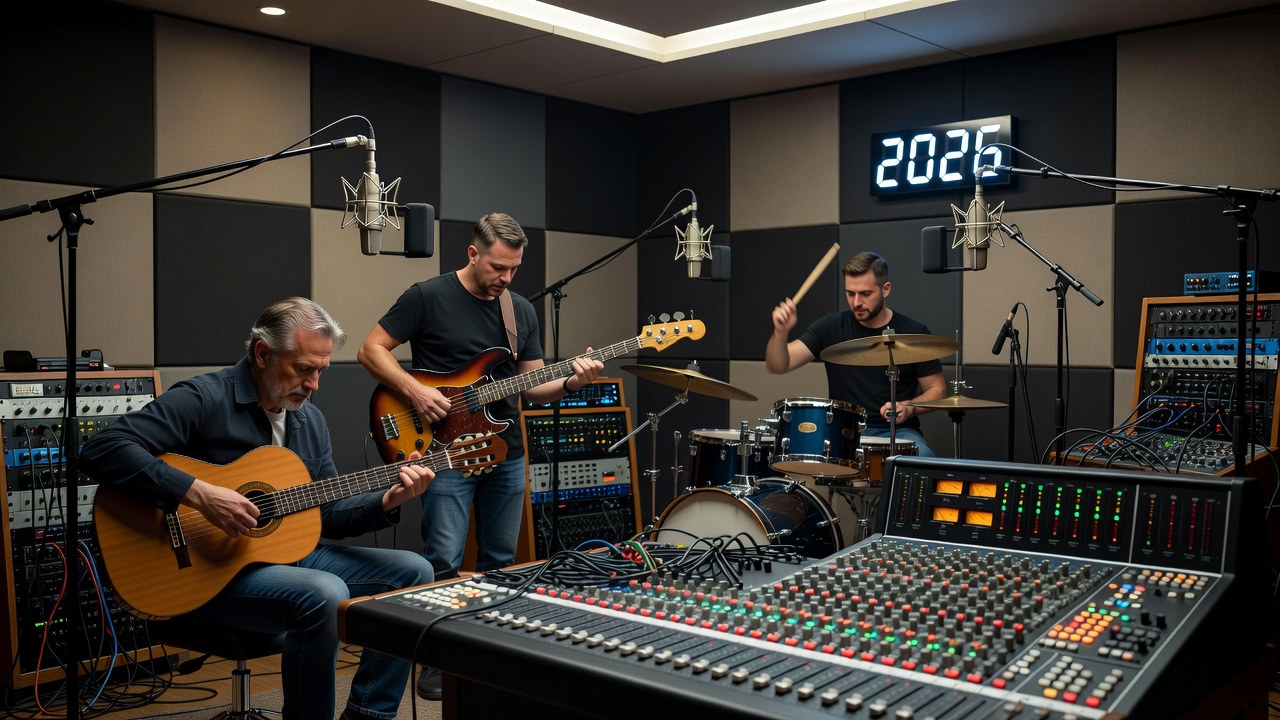
Traditional vs Modern Applications Comparison
| Element | Traditional Application | Modern 2026 Application |
|---|---|---|
| Counterpoint | Multiple independent melodic lines in Baroque ensembles | Layered guitar and synth lines mimicking fugues in rock mixes |
| 12-Bar Form | Core structure in Delta blues recordings | Extended with electronic breakdowns and key changes |
| Call-and-Response | Vocals answered by instruments in field hollers | Vocals traded with processed guitar effects in studio productions |
| Dynamic Contrast | Orchestral swells and quiet passages | Builds from intimate verses to arena-sized choruses with string overlays |
This table highlights how core ideas persist while production tools expand their reach. Library of Congress archives provide excellent reference recordings for studying original blues phrasing. Additional context appears on Grammy.com through interviews with 2026 producers discussing their classical influences.
Practical Steps for Spotting Influences in New Music
Active listening is the most effective way to train your ear. Follow these steps when approaching a new 2026 rock release:
- Begin with the rhythm section. Note whether the drums maintain a straight rock beat or introduce swung subdivisions typical of blues shuffles. Count the bars to detect 12-bar frameworks even when electronic elements obscure them.
- Track melodic motifs across the song. Classical influence often reveals itself through a short theme that returns in varied forms rather than simple repetition.
- Listen for dynamic builds. Sudden drops to near-silence followed by layered instrumental entries mirror classical sonata development more than standard verse-chorus pop structures.
- Check production credits and liner notes for mentions of string arrangements or classical training. Many 2026 artists studied at conservatories before forming rock bands.
- Compare live versions to studio recordings. Blues roots surface most clearly during extended improvisational sections where musicians trade phrases in real time.
- Use reference tracks from earlier eras. Play a Muddy Waters recording alongside the new track to isolate the rhythmic DNA, then contrast it with a Bach invention to hear contrapuntal similarities.
These steps turn passive listening into an analytical skill that deepens appreciation for both historical sources and contemporary creativity.
Common Mistakes When Analyzing Cross-Genre Influences
Many listeners over-attribute every string part to classical music while ignoring how blues artists already used orchestration in the 1950s. Others dismiss electronic elements as antithetical to blues roots, missing how producers deliberately preserve swing feel beneath modern beats. Avoid assuming that any odd time signature signals classical influence; blues musicians experimented with meter long before progressive rock. Finally, do not overlook the role of technology. 2026 software makes classical techniques accessible to self-taught rock musicians who never read a score.
Conclusion
The 2026 rock scene thrives by respectfully adapting classical structure and blues rhythm. These connections enrich both composition and performance, offering listeners deeper engagement with each new release. By applying the listening strategies above you can trace these threads through future albums and concerts.
Frequently Asked Questions
How can I identify classical influences in a rock song?
Listen for extended thematic development, contrapuntal guitar lines, or sudden dynamic shifts that mirror symphonic writing. Pay special attention to bridges that revisit earlier material in new keys.
Are blues rhythms still dominant in 2026 rock?
Yes, particularly the swung feel and call-and-response, though often fused with electronic and progressive elements. The 12-bar form persists but is frequently stretched or interrupted by modern production techniques.
Where can I hear examples of these trends?
Search streaming platforms for the 2026 artists mentioned above and explore their behind-the-scenes production videos. NPR Music regularly features sessions that highlight historical connections in new recordings.
Do I need formal music theory training to appreciate these connections?
No. Basic awareness of repeating motifs and swing timing is enough to start noticing patterns. Over time you can deepen your understanding by comparing original classical and blues recordings to their rock adaptations.
No comments yet. Be the first!