 Instrumentiverse
Introduction to Classical and Blues Influences on Rock
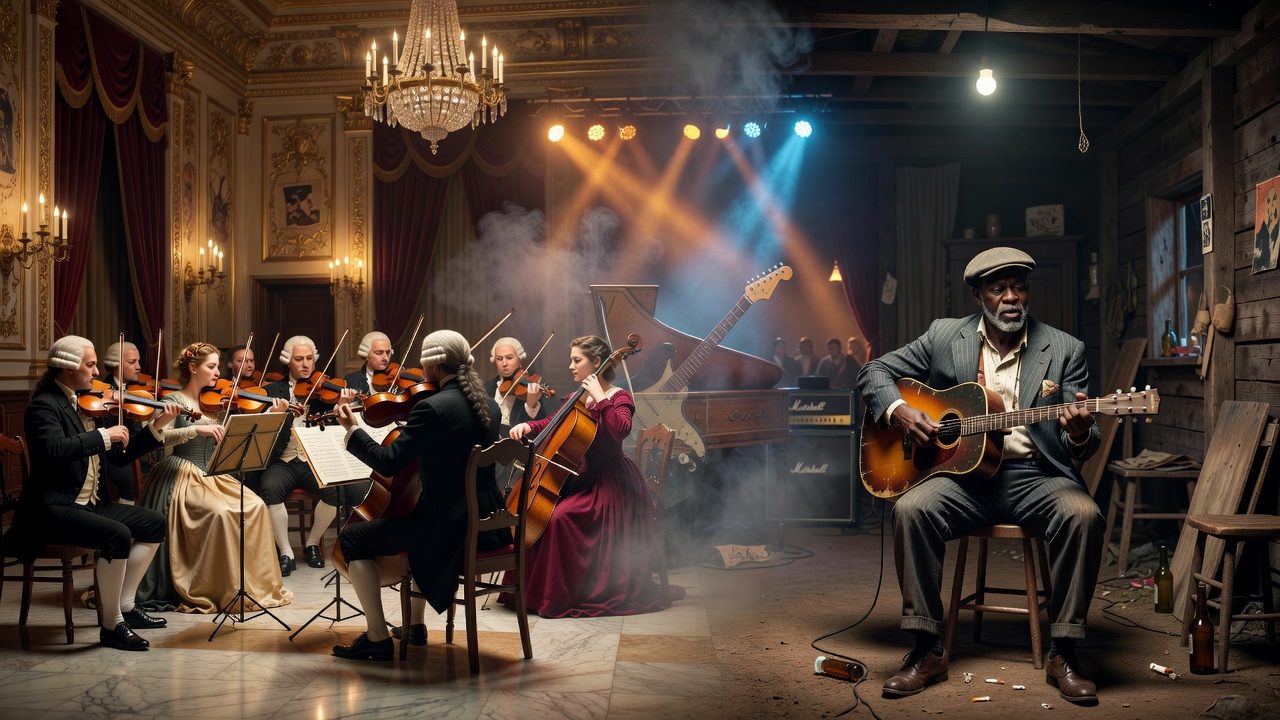
The evolution of rock music represents a fascinating fusion of contrasting traditions that continues to resonate with listeners today. Structured forms from the Classical Era met the raw expressiveness of Blues Origins, creating the foundation for decades of innovation across multiple genres. This deep dive examines their differences, overlaps, and lasting effects, especially in 80s synth-infused tracks that bridged historical eras while pushing musical boundaries forward. By understanding these roots, enthusiasts gain analytical tools to appreciate rock at a deeper level beyond surface-level listening.
Core Elements of the Classical Era
The Classical Era, spanning roughly 1750 to 1820, emphasized balance, clarity, and formal structures that prioritized intellectual design. Composers relied on sonata form, symphonies, and precise harmonic progressions developed by masters such as Mozart and Haydn. These elements created music that felt architecturally sound, with clear expositions, developments, and recapitulations. Later rock musicians drew from this precision when crafting elaborate song arrangements and dynamic builds that avoided pure chaos in favor of organized emotional journeys.
Blues Origins and Emotional Foundations
Blues emerged in the late 19th century American South from African American work songs, field hollers, and spirituals shaped by the experiences of enslaved and freed communities. Its core lies in the 12-bar structure, blue notes created by flattening the third, fifth, and seventh scale degrees, and call-and-response patterns that invited improvisation. Unlike Classical formality, Blues prioritized personal storytelling and emotional catharsis, channeling hardship, love, and resilience into powerful expression. This raw energy would later electrify rock and roll when amplified through electric guitars in the mid-20th century.
Musical Theory Contrasts
Classical music features complex counterpoint, major-minor key systems with strict resolutions, and adherence to rules of voice leading that create tension and release in predictable yet satisfying ways. Blues favors pentatonic scales, dominant seventh chords, and flexible rhythms allowing string bending and microtonal expression. These contrasts created productive tension when merged in rock music, where structured verses built on Classical phrasing often explode into bluesy, improvised solos that prioritize feel over notation. Listeners can hear this in the way many rock songs maintain tight harmonic frameworks while permitting individual musicians expressive freedom during instrumental breaks.
Timeline Milestones in Their Convergence
Key moments trace back to the 1950s when rock and roll pioneers borrowed blues riffs while incorporating Classical-inspired chord progressions and orchestration in recordings. By the 1960s British Invasion bands expanded these ideas with longer compositions. The 1970s progressive rock movement explicitly quoted Classical motifs. The 1980s accelerated the hybrid with synthesizers adding orchestral-like layers to blues-derived riffs, resulting in radio-friendly yet sophisticated hits. Authoritative historical context can be found through resources at the Library of Congress.
80s Synth-Infused Rock Examples
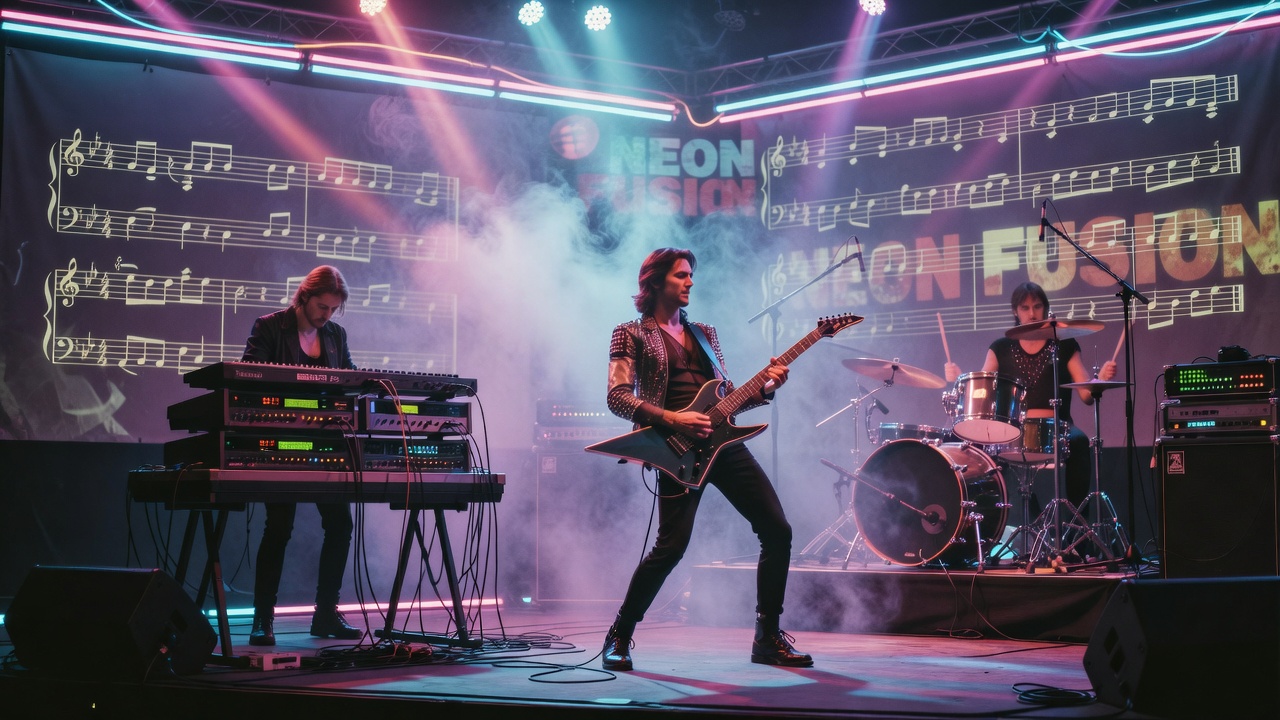
Tracks from artists like Journey and Toto blended sweeping synth pads reminiscent of orchestral swells with gritty blues guitar lines and soulful vocals. Songs such as Journey's "Don't Stop Believin'" showcase verse structures echoing Classical phrasing and development sections alongside bluesy emotional peaks in the chorus and extended solos. Toto's "Rosanna" demonstrates similar layering where keyboard textures provide harmonic richness while the rhythm section maintains a blues shuffle foundation. These productions used technology to evoke Classical grandeur without abandoning the emotional directness inherited from Blues Origins, creating a distinctive sound that dominated airwaves and influenced countless imitators throughout the decade.
Artist Case Studies of Hybrid Influences
Guitarists like Eddie Van Halen fused Classical technique, including rapid scalar runs inspired by violin etudes, with blues scales in 80s anthems such as "Eruption" and album tracks on Van Halen II. Keyboardists in bands like Yes and Genesis drew from Baroque counterpoint and Romantic orchestration while maintaining blues-rooted grooves and pentatonic soloing. Vocalists often adopted Classical dynamic control for building intensity across verses and choruses before releasing into blues-inflected screams or bends. These case studies reveal practical hybrids that listeners can actively trace by comparing isolated instrumental tracks or live performances against studio recordings.
Practical Steps to Identify These Elements in Recordings
Follow these concrete steps to train your ear and deepen appreciation for the influences at play:
- Listen for repeating 12-bar patterns indicating Blues Origins, especially in verses or turnaround sections where chord changes follow the classic I-IV-V progression.
- Note formal builds, thematic development, and clear resolutions typical of Classical Era influences during bridges and outros that feel composed rather than purely spontaneous.
- Pay attention to synth textures and layered pads that add harmonic depth and orchestral color in 80s productions, often contrasting with raw guitar tones.
- Compare live improvisations against studio versions to distinguish emotional blues phrasing from more structured Classical arrangements.
- Use a simple audio editor to isolate frequency ranges and hear how blue notes sit against tightly arranged harmonic backdrops.
- Create personal playlists grouping songs by dominant influence and revisit them after studying basic theory texts to reinforce recognition skills over multiple listening sessions.
Common Misconceptions Addressed in FAQ
Is rock purely derived from blues?
No. While Blues Origins provided the emotional core and rhythmic drive, Classical Era structures supplied organizational frameworks that elevated rock beyond simple repetition into complex, memorable compositions appreciated by wide audiences.
Did 80s synth music abandon blues roots?
Many tracks retained blues scales, phrasing, and call-and-response elements beneath polished production and new technology, creating accessible yet roots-connected sounds that still hold up in modern analyses of genre evolution.
How can beginners start analyzing these influences?
Begin with side-by-side comparisons of a short Classical symphony movement and a classic blues recording, then apply findings to rock tracks from different decades while noting specific moments of overlap or contrast in structure and expression.
Are there ongoing influences in contemporary music?
Yes, modern artists continue blending these traditions through neo-classical metal solos and blues-revival acts that incorporate sophisticated arrangements, showing the lasting power of this hybrid foundation.
Further reading on music history is available at Britannica and Library of Congress music archives.


No comments yet. Be the first!