 Instrumentiverse
Introduction: Tracing the Threads of Musical Evolution
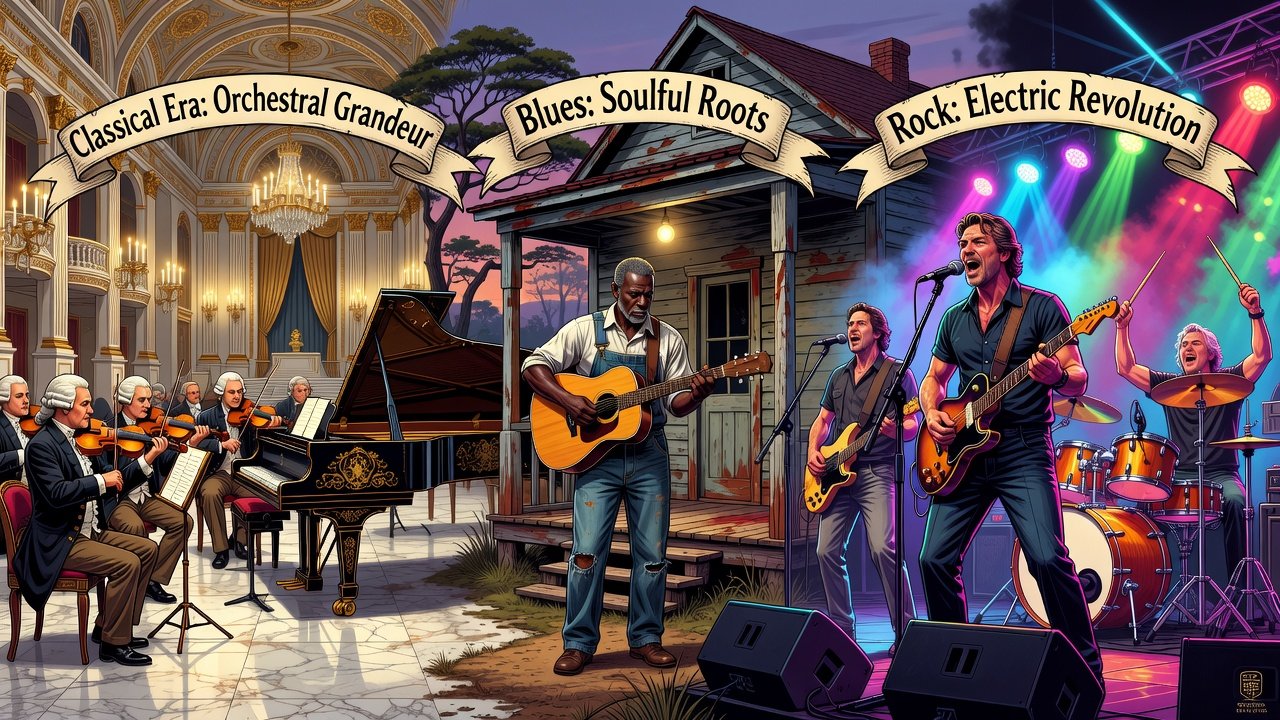
Music history reveals fascinating connections across centuries, from the structured elegance of the Classical era to the raw emotion of blues and the electrifying energy of rock. This quiz explores how composers like Mozart influenced later genres, how blues scales shaped rock riffs, and iconic 80s tracks that bridged these worlds. Whether you're a casual listener or a dedicated fan, testing your knowledge here offers both entertainment and insight into music's interconnected past. The journey begins in the late 18th century with Haydn and Mozart, moves through African American blues traditions in the early 20th century, and arrives at the guitar-driven innovations of rock. Along the way, we'll highlight misconceptions and provide context for deeper understanding. Understanding these links enhances appreciation for how musical ideas travel through time, inspiring new generations of artists and listeners alike.
The Classical Era's Lasting Influence
The Classical period (roughly 1750-1820) emphasized balance, clarity, and form. Composers such as Wolfgang Amadeus Mozart and Joseph Haydn created works that prioritized melodic development and harmonic structure. These elements later echoed in blues progressions and rock compositions, where repetition and variation play key roles. Mozart's symphonies, for example, feature clear thematic development that parallels the way rock guitarists build solos from simple motifs. Many rock musicians drew indirect inspiration from classical forms. For instance, the sonata structure influenced extended song forms in progressive rock. To learn more about foundational music periods, explore resources from Britannica. Practical listening tip: compare the exposition-development-recapitulation pattern in a Mozart sonata to the intro-verse-solo structure in classic rock tracks.
Blues Origins and Adaptations in Rock
Blues emerged in the late 19th century from African American work songs and spirituals in the Mississippi Delta. The 12-bar blues form and pentatonic scales became building blocks for rock 'n' roll. Artists like Chuck Berry adapted these into guitar riffs that defined early rock. By the 1960s and 1970s, bands incorporated blues scales into solos, creating the foundation for hard rock and metal. Common misconceptions include assuming all blues is slow and sad—many early blues tracks were upbeat dance numbers. Key figures such as Robert Johnson and Muddy Waters provided the raw techniques that guitar heroes later amplified. Rock adaptations often add distortion and faster tempos while preserving the core call-and-response patterns from blues.
80s Music Hits and Evolutionary Paths
The 1980s saw rock evolve with synthesizers and new wave influences while retaining blues roots. Tracks like "Sweet Child O' Mine" by Guns N' Roses blended classical-inspired melodies with bluesy bends. This era also featured hits that sampled or referenced earlier styles, showing how producers layered historical elements into modern productions. Understanding these paths helps appreciate how genres cross-pollinate. Additional examples include Van Halen's use of tapping techniques rooted in blues bends combined with flashy classical-style arpeggios. For archival insights into American music traditions, visit the Library of Congress.
Interactive Music History Quiz
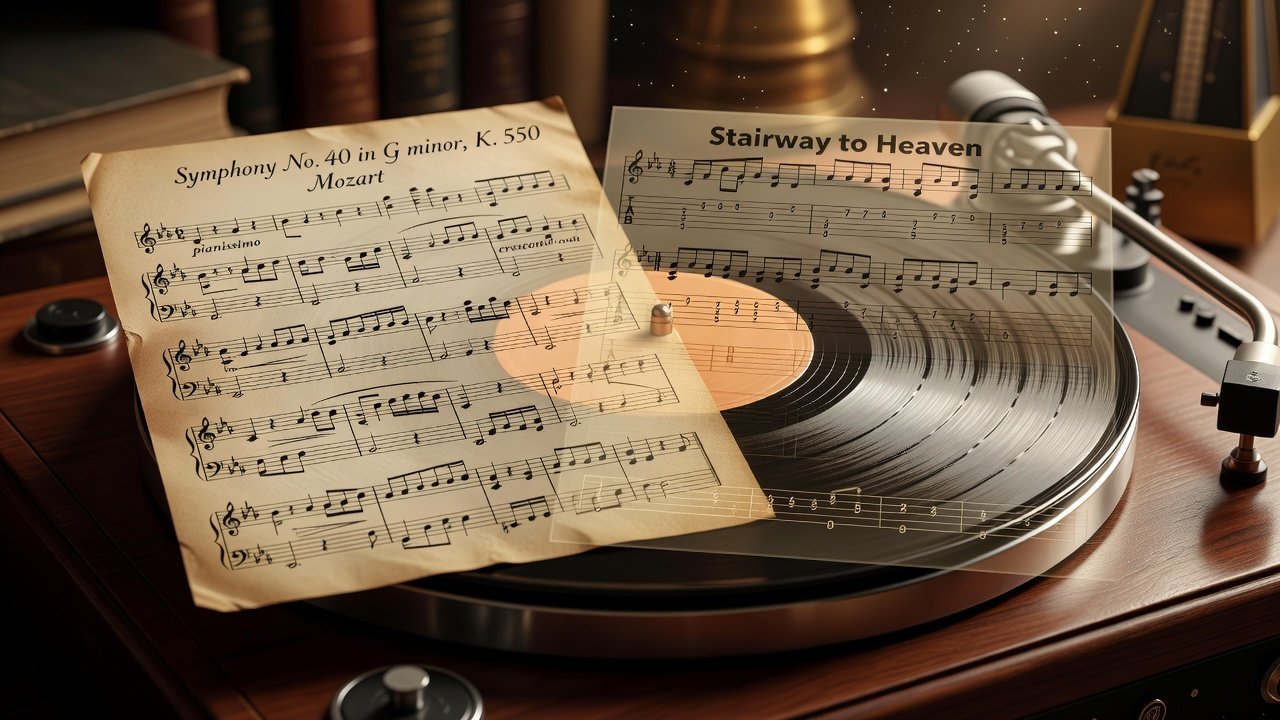
Ready to test your knowledge? Answer these 9 multiple-choice questions covering classical influences, blues scales, and 80s examples. Choose the best answer for each, then check the breakdowns below. This quiz format supports active recall, a proven method for retaining historical connections between genres.
- Which Classical composer’s melodic style most directly influenced the riff structures in early rock songs? A) Bach B) Mozart C) Beethoven D) Vivaldi
- The blues scale is derived from which traditional form? A) European folk B) African American work songs C) Asian classical D) Latin rhythms
- What 1980s hit features a prominent blues-scale guitar solo? A) "Billie Jean" B) "Sweet Child O' Mine" C) "Like a Virgin" D) "Take On Me"
- How did Classical sonata form influence rock? A) Through verse-chorus repetition B) Extended instrumental sections C) Only in ballads D) Not at all
- Which blues artist’s techniques were adapted by rock guitarists like Eric Clapton? A) Robert Johnson B) Elvis Presley C) Frank Sinatra D) Louis Armstrong
- An 80s track that evolved rock by blending synths with blues riffs: A) "Jump" by Van Halen B) "Thriller" C) "Girls Just Want to Have Fun" D) "Wake Me Up Before You Go-Go"
- Common misconception: Blues scales only use minor notes. True adaptation in rock often includes: A) Major pentatonic additions B) Only diminished chords C) No scales at all D) Classical counterpoint
- Mozart’s influence appears in which rock element? A) Drum patterns B) Harmonic resolutions in bridges C) Rap verses D) Electronic beats
- Tracing evolution: Delta blues led to Chicago blues, which influenced: A) Country only B) Rock 'n' roll pioneers C) Opera D) Classical revivals
Post-Quiz Breakdowns and Explanations
Here are the correct answers with context to address common misconceptions. Each explanation includes why the answer fits the broader historical thread and how to apply the insight when listening.
- 1. B) Mozart – His clear phrasing inspired melodic hooks in rock. Many guitarists unconsciously mimic his balanced phrases when crafting memorable riffs.
- 2. B) African American work songs – This root explains the emotional depth carried into rock. The call-and-response format survives in countless rock choruses.
- 3. B) "Sweet Child O' Mine" – Slash’s solo uses blues scales extensively. The track demonstrates how 80s rock fused technical playing with classic blues vocabulary.
- 4. B) Extended instrumental sections – Similar to development sections in sonatas. Progressive rock bands explicitly studied these forms to create longer compositions.
- 5. A) Robert Johnson – His fingerpicking and bends shaped rock lead playing. Modern players study his recordings to understand the origins of expressive guitar techniques.
- 6. A) "Jump" by Van Halen – Combines synth hooks with blues-infused guitar. This hybrid approach defined much of 80s hard rock evolution.
- 7. A) Major pentatonic additions – Rock riffs mix scales for brighter tones. This combination avoids the purely minor sound often stereotyped in blues.
- 8. B) Harmonic resolutions in bridges – Echoing Classical cadences. These satisfying endings help songs feel complete, just as they did in 18th-century music.
- 9. B) Rock 'n' roll pioneers – Muddy Waters and others bridged the gap. Their amplified Chicago sound directly fed into the first wave of rock artists.
These explanations highlight how misconceptions, like viewing genres in isolation, overlook the continuous evolution. Active listening exercises, such as slowing down solos to identify scale degrees, can reinforce these connections.
Practical Steps to Trace Musical Threads
To deepen your understanding after the quiz, follow these steps: first, select one classical piece and one 80s rock track; second, note shared melodic shapes; third, practice the blues scale over both; fourth, create a simple playlist mixing eras. This method turns passive listening into active learning.
Common Mistakes to Avoid
Avoid treating music history as linear—genres overlap constantly. Do not ignore regional origins of blues, and remember that 80s production techniques sometimes masked traditional roots. Skipping side-by-side comparisons leads to shallow knowledge.
Frequently Asked Questions
How can I trace classical influences in modern rock playlists?
Start with curated lists on streaming platforms focusing on progressive rock or artists who studied classical music, then compare structures to Mozart sonatas. Many playlists now tag songs by historical influence.
What are the best resources for learning blues scale adaptations?
Begin with guitar method books that demonstrate pentatonic applications, then listen to side-by-side comparisons of blues originals and rock covers. Online tutorials from established music education sites offer free demonstrations.
Are there specific 80s tracks ideal for studying these connections?
Yes, explore songs by Queen or Dire Straits, which often weave classical motifs with blues foundations. "Money for Nothing" is another strong example of blues phrasing in a pop-rock context.
Can these historical links improve my own music creation?
Absolutely. Incorporating classical phrasing or blues scales into original compositions adds depth and helps your music stand out.
Conclusion: Continue Your Musical Journey
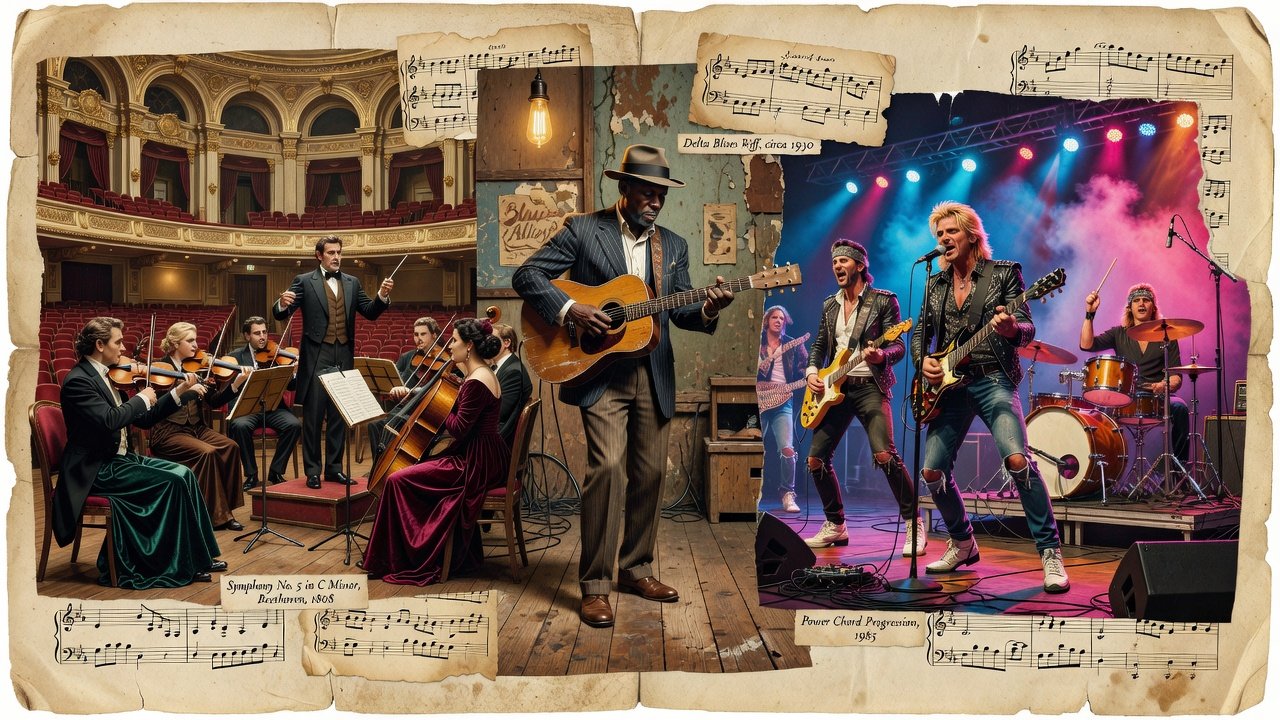
This quiz demonstrates the rich lineage from classical compositions through blues to rock. By understanding these links, listeners gain appreciation for music's ongoing dialogue across eras. Explore related playlists on major streaming services or dive deeper into historical recordings to extend your learning. The connections between eras remain a vibrant area for further discovery and enjoyment.

No comments yet. Be the first!