 Instrumentiverse
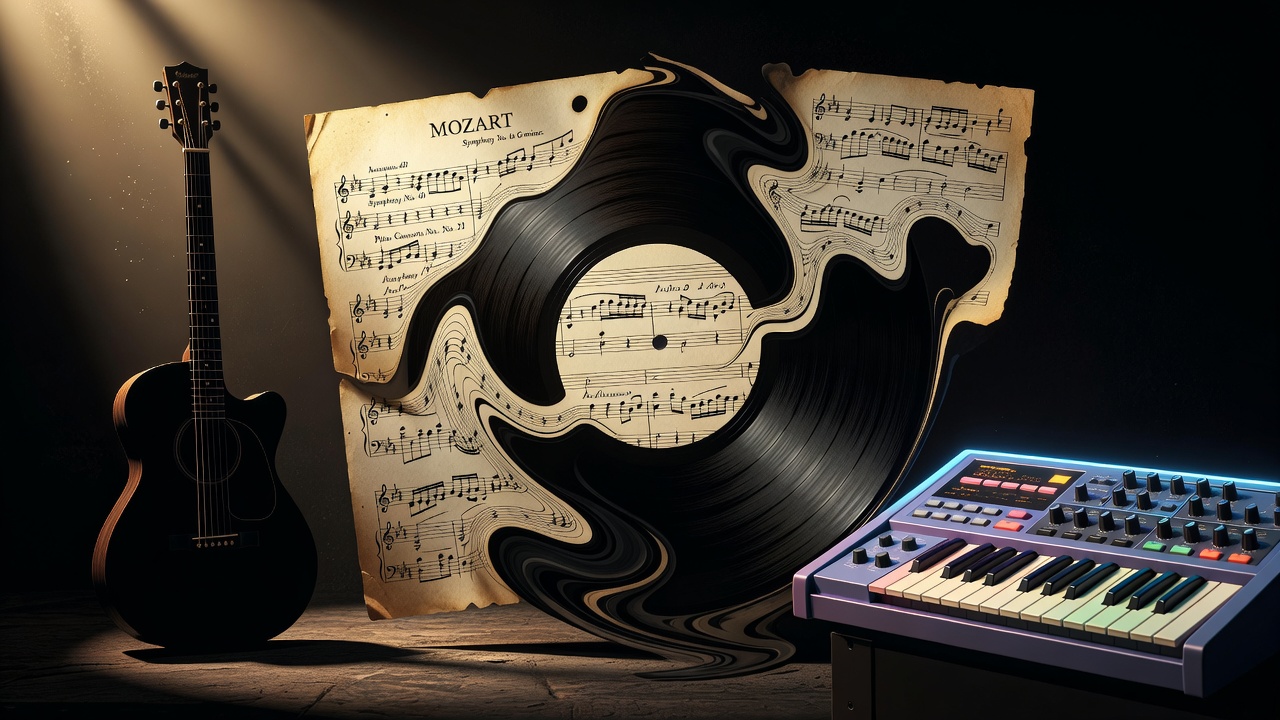
Introduction: Tracing Classical Echoes Through Blues to 80s Rock
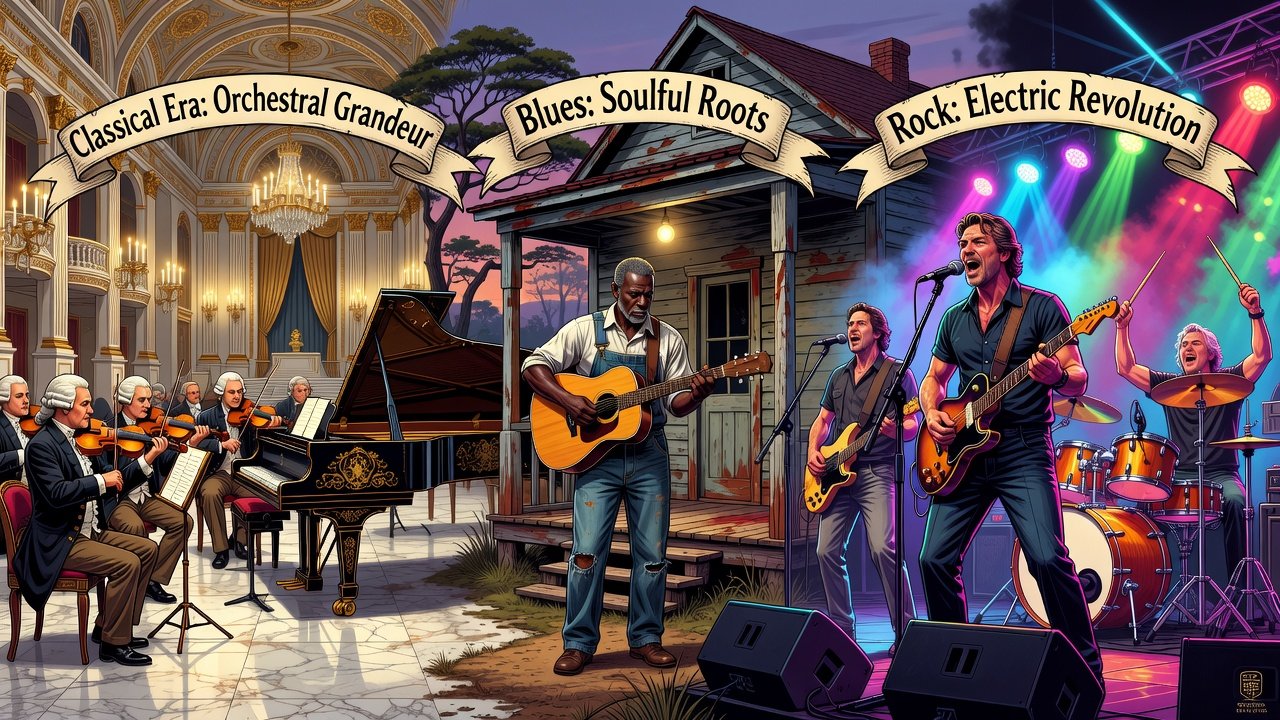
The connections between the Classical era and modern genres often get reduced to surface-level nods, yet deeper threads link Mozart-era motifs to Delta blues riffs and baroque forms to synth-driven 80s rock. These overlooked influences helped shape artists like Robert Johnson and Queen while fueling today's 2026 rock revival trends that blend historical structures with contemporary production. Music historians have long noted how European classical traditions traveled through immigration, education, and cultural exchange into the American South, where they intersected with African-derived rhythms to create the blues foundation. By the 1980s, these same structural elements resurfaced in rock through synthesizers and studio innovation, creating a rich lineage that continues to inspire new generations of musicians and listeners seeking authentic connections in an era dominated by digital streaming.
Understanding these links provides fresh perspectives for music history enthusiasts beyond standard narratives of African American folk traditions or guitar innovation. This article explores five key overlooked connections, offering concrete examples, analysis techniques, and actionable steps for listeners to verify these influences in their own collections.
Historical Context of Classical Transmission to American Music
Classical music reached the Mississippi Delta through traveling minstrel shows, church hymnals, and formal music lessons available to some Black and white musicians in the early 20th century. Sheet music of Mozart and Haydn sonatas occasionally appeared in general stores alongside early blues 78s. This created opportunities for cross-pollination that shaped phrasing and harmonic choices in blues guitar work. The Metropolitan Museum of Art's musical instrument collections document how European instruments and scores migrated alongside cultural practices during this period.
Mozart Motifs in Delta Blues Riffs
One striking parallel appears in melodic phrasing. Mozart's piano sonatas frequently employ descending scalar runs and arpeggiated turns that mirror patterns in early Delta blues. Robert Johnson's "Cross Road Blues" features guitar lines echoing the ornamental flourishes found in Mozart's K. 331, particularly in the way short motifs repeat with slight variations to build tension. Similar echoes appear in the opening of "Hellhound on My Trail," where the bending notes and quick resolutions recall Classical appoggiaturas. This is not direct quotation but structural borrowing through oral transmission in the American South, where classical sheet music occasionally circulated among traveling musicians. Listeners can hear comparable scalar descents in Charley Patton's recordings, suggesting a broader regional influence rather than isolated coincidence.
Practical Steps to Identify These Elements
- Listen to Mozart's Piano Sonata No. 11 and note the A major theme's descending figures.
- Compare directly with Johnson's 1936 recording, focusing on the opening riff's similar contour and resolution points.
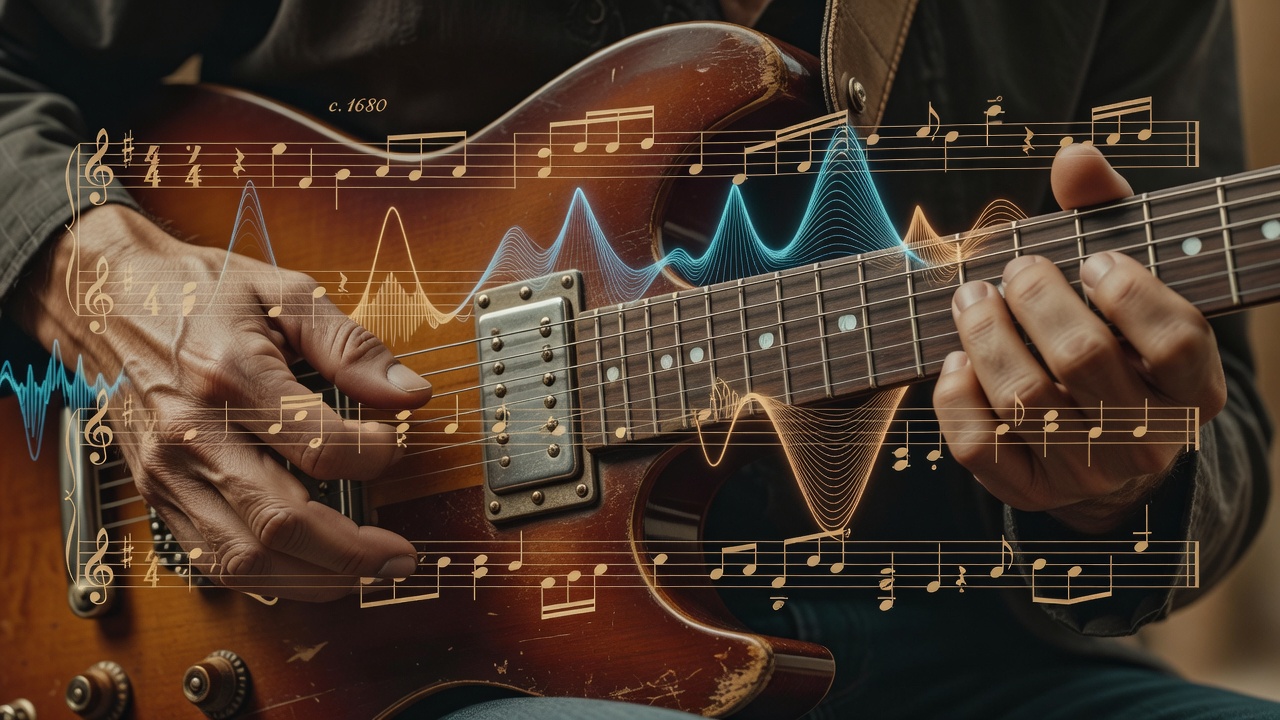
- Use a free spectrogram app to visualize shared pitch movements around the minor third and dominant seventh intervals.
- Repeat across multiple tracks like "Sweet Home Chicago" to spot recurring classical-derived ornaments and cadential patterns.
- Record your own comparisons and note how the emotional arc mirrors sonata development sections.
Baroque Structures in Synth-Heavy 80s Tracks
Baroque counterpoint, with its interwoven voices and fugal entries, found new life in 80s synthesizers. Bands layered polyphonic sequences reminiscent of Bach inventions onto electronic backdrops, creating dense textures that propelled rock evolution. Tracks by artists such as Yes and Genesis in their later 80s phase incorporated these techniques through keyboard programming, while more mainstream acts used them subtly in verse-chorus builds. Queen's "Bohemian Rhapsody" extends this further by incorporating operatic passages with contrapuntal vocal lines that trace back to baroque choral writing. The multi-tracked harmonies function like a fugue, with each vocal entry developing the previous motif independently before converging.
Britannica's overview of Baroque music highlights the period's emphasis on complexity that resurfaced decades later in popular music production.
Robert Johnson and Comparative Classical Borrowings
Johnson's slide technique often employs call-and-response patterns akin to Classical era dialogues between soloist and orchestra. These elements influenced later 80s guitarists who sampled or emulated blues while adding synth layers. When comparing Johnson's work to Mozart string quartets, the conversational interplay between lead lines and underlying chordal responses becomes evident. Modern analysts note that these structures allowed blues to achieve dramatic narrative arcs similar to symphonic movements, a quality that 80s producers amplified with digital effects and sequencing.
Queen's Integration of Opera and Classical Forms
Beyond rhapsody, Queen's work draws on Classical sonata principles for dynamic contrast and development sections, bridging blues roots with theatrical rock. Songs like "The Prophet's Song" use thematic transformation techniques straight from Beethoven, evolving a simple blues motif through increasingly complex variations. This approach helped define 80s stadium rock's epic scale while grounding it in earlier traditions.
2026 Revival Trends and Listener Action Plan
These ties inspire current artists experimenting with hybrid sounds. To explore: curate playlists mixing Mozart, Johnson, and 80s hits; attend live revivals; analyze scores where available. Many 2026 releases feature deliberate nods to these connections through vintage synth patches combined with blues scales. Mistakes to avoid include assuming all influences are direct copies rather than evolutionary adaptations.
FAQ: Addressing Common Misconceptions
Does this imply classical music invented blues? No, it highlights convergent evolution and selective borrowing across cultures. Library of Congress American music archives provide primary recordings that demonstrate the blended origins.
Are these links proven historically? Evidence is interpretive but supported by melodic analysis and period accounts of music education in the South.
How does this affect modern rock? It encourages innovative fusions seen in 2026 releases that prioritize structural depth over simple nostalgia.
What tools help listeners analyze these connections today? Free software like Audacity for waveform comparison and online classical score databases make identification accessible without formal training.
Conclusion: Listening with New Ears
Recognizing these five overlooked links enriches appreciation for both historical depth and contemporary creativity in rock music. By applying the practical identification steps outlined above, listeners can uncover similar patterns across their favorite recordings and participate in the ongoing 2026 revival movement.

No comments yet. Be the first!