 Instrumentiverse
Introduction: Why Curate a Music History Collection in 2026
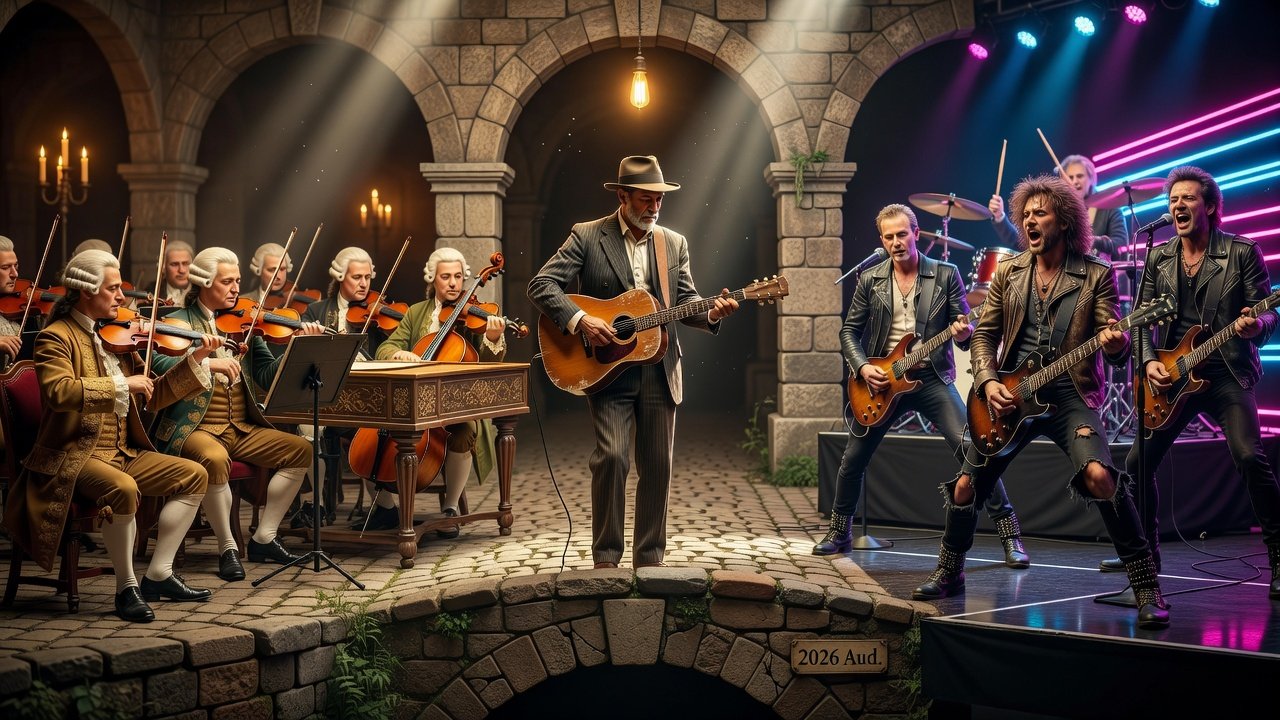
Creating a thoughtful music history collection bridges centuries of sound, from the structured elegance of the Classical era through the raw emotion of blues to the electrifying evolution of rock, including the synth-driven anthems of the 1980s. Collectors today seek resources that reveal thematic connections like improvisation and musical structure, helping them understand how genres influence one another. This guide provides practical steps for acquiring vinyl records, sheet music scores, and digital archives while comparing physical and streaming formats. In an era where digital access dominates, building a tangible library offers deeper engagement and preservation of cultural heritage.
Tracing the Eras: Classical Foundations to Blues and Rock
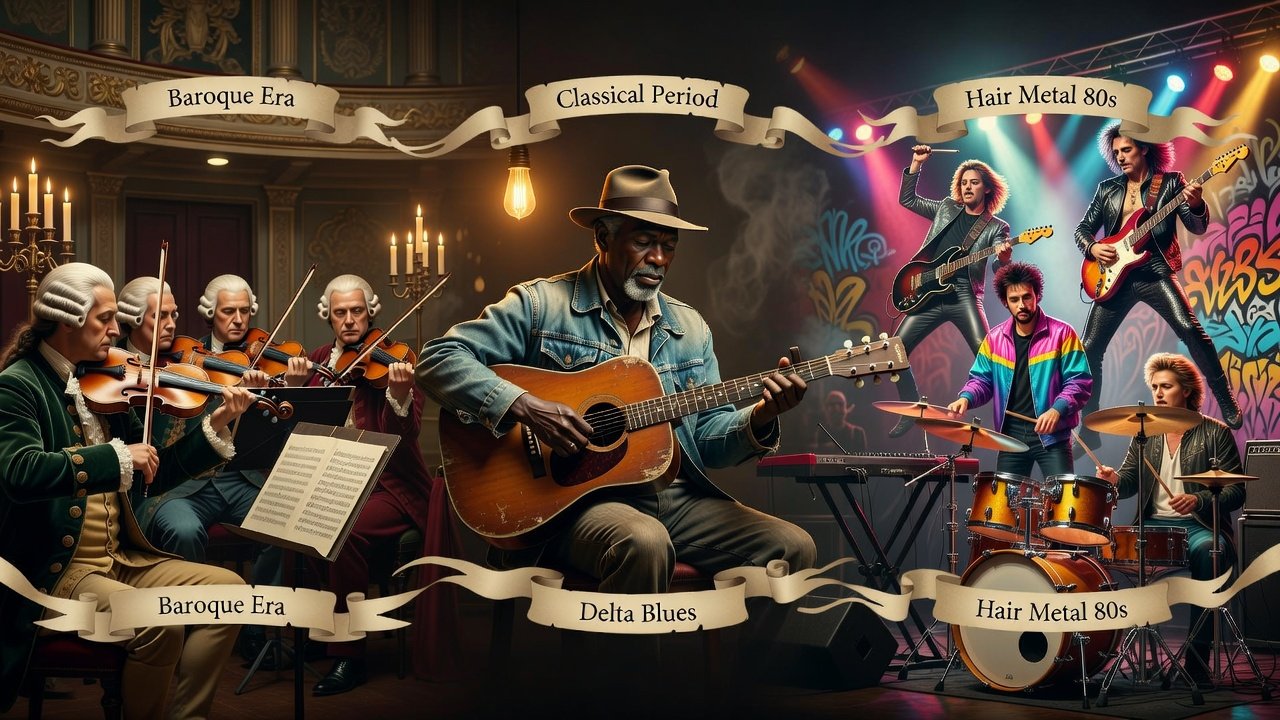
The Classical era, spanning roughly 1750 to 1820, emphasized balance, form, and orchestration. Composers like Mozart and Beethoven laid groundwork for thematic development that later echoed in rock compositions. Blues emerged in the late 19th century from African American work songs and spirituals, introducing call-and-response patterns and blue notes that directly shaped rock and roll. Rock itself evolved in the 1950s, exploding through the 1960s and 1970s before the 1980s brought polished production and new wave experimentation. These connections are not linear but interwoven, with improvisation serving as a constant thread from Baroque variations to extended guitar solos.
Understanding these links allows collectors to select recordings that highlight cross-era influences, such as how Beethoven’s dynamic contrasts appear in Led Zeppelin riffs or how blues scales underpin 80s guitar solos. Further exploration reveals how 1980s synth textures borrow from Classical counterpoint techniques.
Selecting Essential Recordings for Cross-Era Connections
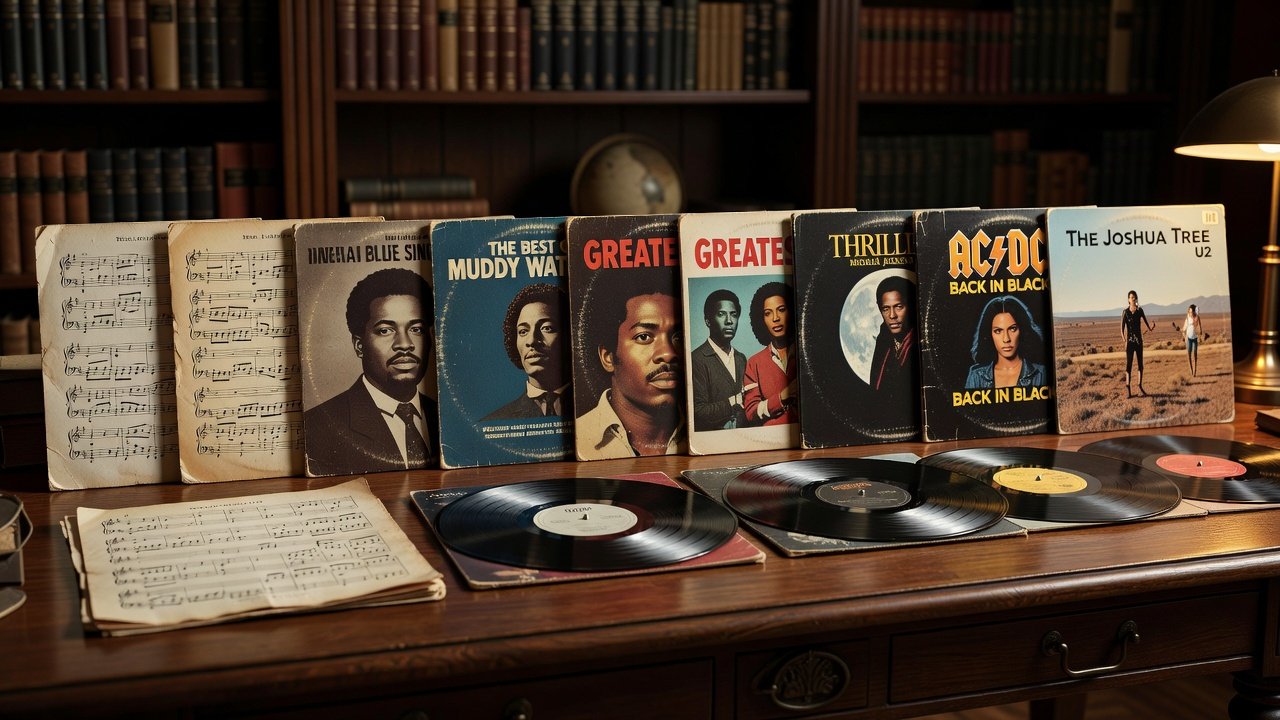
Focus on albums that demonstrate clear lineage. Start with Classical essentials like Beethoven’s Symphony No. 9 for its structural innovation. Pair this with Robert Johnson’s blues recordings from the 1930s to hear early guitar techniques. Then move to rock milestones such as The Beatles’ “Abbey Road” for studio evolution and Michael Jackson’s “Thriller” for 1980s production flair. Additional selections include Bach’s Brandenburg Concertos alongside Pink Floyd’s “The Wall” to illustrate thematic development, or Muddy Waters paired with AC/DC’s early work to trace riff-based structures. Thematic curation around improvisation might include Miles Davis’ “Kind of Blue” alongside Jimi Hendrix live performances, while structure-focused picks could contrast Bach fugues with progressive rock suites by Yes or Genesis. Real collector value comes from editions that include detailed liner notes explaining these historical ties.
Organizing Materials by Theme and Era
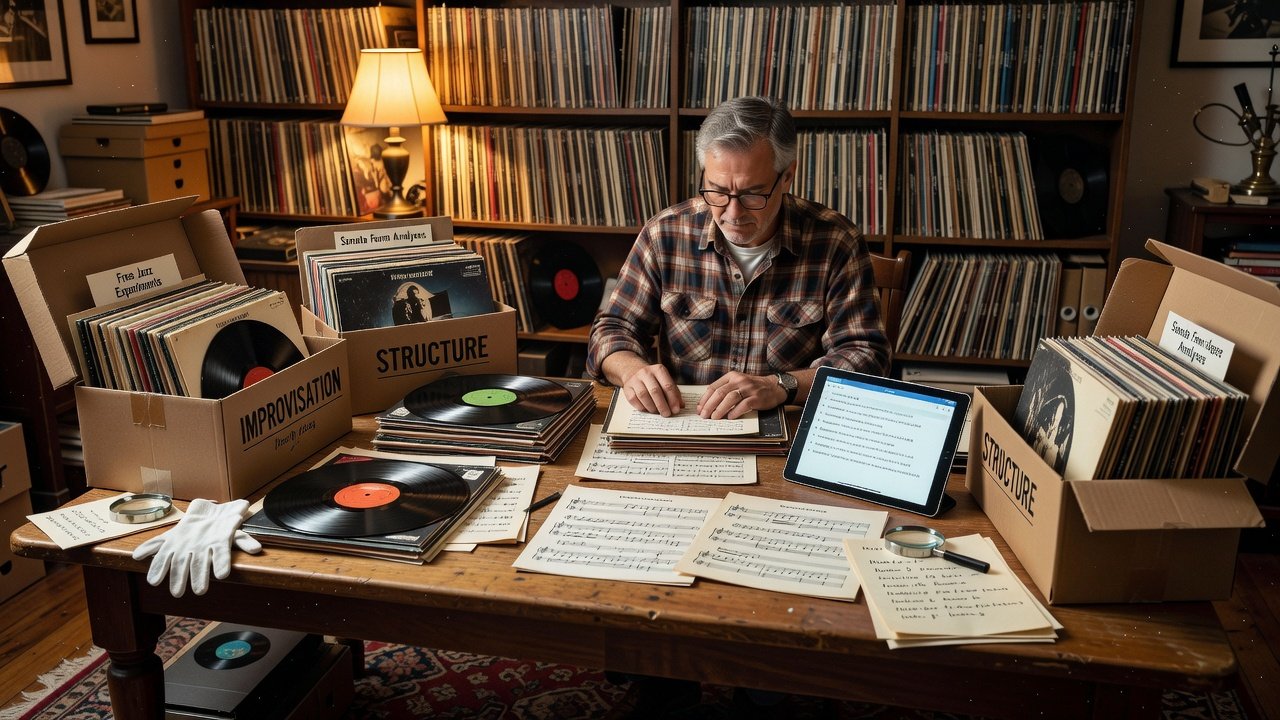
Organize your collection chronologically yet with thematic overlays. Create sections for improvisation, rhythmic structure, and cultural fusion. Use archival boxes for vinyl and acid-free folders for scores. Digital archives benefit from metadata tagging by era and influence. Many collectors maintain a master spreadsheet noting connections between pieces, such as linking Baroque counterpoint to 1980s synth layering. Consider dividing into physical zones: one shelf for Classical and Baroque influences, another for blues originators, and a third for rock evolutions including 1980s icons. Label everything clearly and review quarterly to add new discoveries that reinforce thematic links.
Physical Vinyl and Scores Versus Streaming Options
Physical formats offer tactile engagement and often superior liner notes, while streaming provides instant access to vast libraries. Vinyl remains prized for its analog warmth and collectible value. Scores allow deep score study unavailable in most digital platforms. Hybrid approaches work best: stream for discovery, then purchase physical copies of key works. For instance, use streaming services to sample 1980s remasters before hunting original pressings. Physical media also supports better long-term preservation when stored correctly, whereas streaming depends on platform availability that can change over time.
Step-by-Step Guide to Sourcing Rare Items
1. Identify target recordings through discographies from authoritative sources such as the Library of Congress.
2. Search specialized auction sites and estate sales for original pressings, verifying condition carefully.
3. Contact university music libraries for score reproductions and facsimiles.
4. Verify authenticity using matrix numbers on vinyl and cross-reference with official catalogs.
5. Join collector forums to trade duplicates and locate 1980s promo editions or unreleased blues acetates.
6. Attend regional record fairs for in-person inspection of rare Classical reissues that connect to later rock arrangements.
Real-world examples include first-press copies of “The Dark Side of the Moon” or original 78 rpm blues sides that reveal direct influences on later rock guitarists. Patience and persistence often yield the most rewarding finds.
Real-World Examples of Standout Albums and Compositions
Beethoven’s “Moonlight Sonata” demonstrates emotional arc that parallels 1980s power ballads. Muddy Waters’ “Hoochie Coochie Man” bridges blues and early rock. Queen’s “Bohemian Rhapsody” fuses operatic structure with rock energy, echoing Classical influences. Additional standouts feature Chuck Berry’s guitar innovations linking directly to 1960s and 1970s rock, or the Police’s 1980s reggae-infused tracks showing rhythmic evolution from blues foundations. These selections help illustrate how improvisation evolved from blues bends to extended rock solos and synth experiments.
Common Mistakes to Avoid When Building Your Collection
- Overlooking condition grading when buying vintage vinyl, which can lead to poor playback quality.
- Focusing only on popular titles instead of thematic connections across eras.
- Neglecting proper storage, resulting in warped records or damaged scores.
- Ignoring digital backups of liner notes and metadata for long-term reference.
Short FAQ: Common Collector Challenges in 2026
- How do I verify rare vinyl authenticity? Check runout etchings and compare against official discographies from sources like the Smithsonian.
- Should I prioritize original pressings or reissues? Originals for historical value, quality reissues for listening pleasure.
- What storage conditions protect scores and records? Cool, dry environments away from direct sunlight and humidity fluctuations.
- How can streaming complement a physical collection? Use it for exploration before committing to purchases of key cross-era works.
- Where to begin if budget is limited? Start with affordable reissues of landmark albums that showcase clear historical links.
Conclusion: Building a Lasting Legacy
A well-curated 2026 music history collection becomes both a personal archive and a tool for deeper appreciation. By focusing on cross-era connections and practical organization, collectors create resources that educate and inspire. Start small, prioritize quality connections over quantity, and enjoy the journey through sound history. Regular review and expansion ensure the collection remains relevant and engaging for years to come.
No comments yet. Be the first!