 Instrumentiverse
Introduction: Tracing the Classical Lineage in Modern Rock
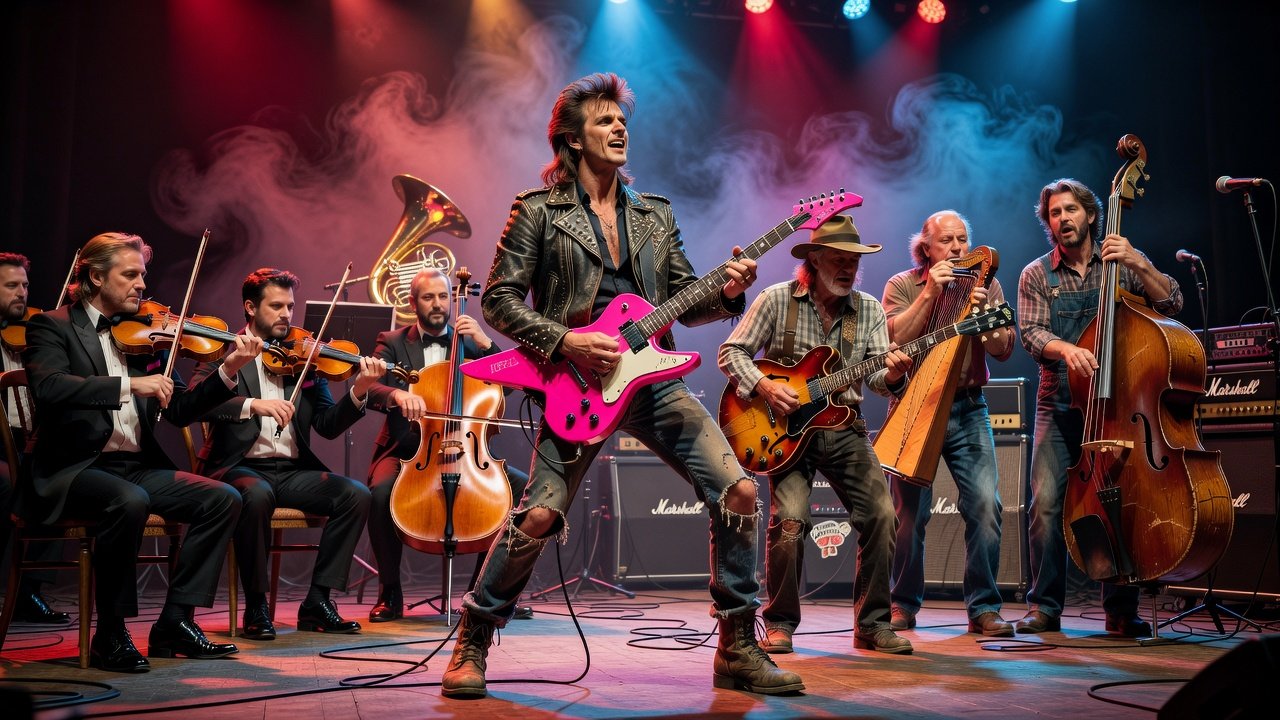
The connections between classical music structures, blues scales, and 1980s rock anthems form a fascinating thread in music history that continues to influence creators today. This evolution reveals how formal sonata principles adapted into the 12-bar blues framework before exploding into stadium rock during the 1980s. Understanding these links helps listeners and producers appreciate the depth behind iconic tracks while applying timeless techniques in contemporary settings. From Mozart's thematic development to the riff-driven energy of bands like Led Zeppelin and their 80s successors, the path is direct yet transformative. This article breaks it down step by step with concrete examples drawn from specific recordings and offers actionable advice for modern applications.
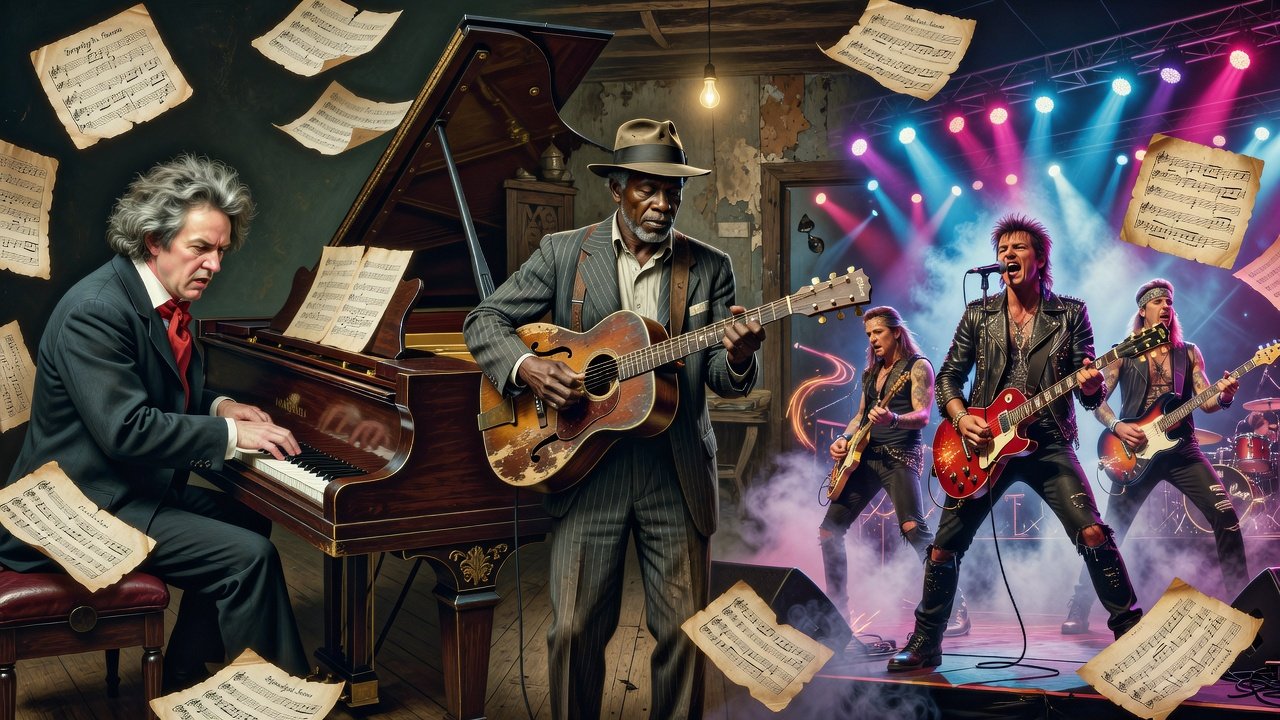
By examining these musical lineages, we see how European classical forms merged with African American blues traditions to create the foundation for much of what we recognize as classic rock. The result was a powerful hybrid that dominated airwaves in the 1980s and still resonates in 2026 productions seeking emotional depth and structural sophistication.
Step-by-Step: Sonata Form Evolves into Blues Progressions
Sonata form, a cornerstone of classical composition from the late 18th century onward, typically features exposition, development, and recapitulation sections that create narrative tension and release. In the 19th and early 20th centuries, these elements began migrating into blues through African American musical traditions influenced by work songs and spirituals. The I-IV-V chord progression in blues mirrors the tension and resolution of sonata development sections, where motifs are explored and transformed before returning home.
- Exposition becomes the opening riff or verse statement that introduces the main musical idea in a clear, memorable way.
- Development transforms into improvisational solos over blues changes, allowing musicians to explore variations much like classical composers varied themes.
- Recapitulation returns in the final chorus or outro with heightened energy, often featuring layered guitars or vocal harmonies to echo the classical return.
By the 1950s, this fusion was complete in rock 'n' roll through artists like Chuck Berry. In the 1980s, artists amplified it with distortion, larger production values, and extended solos. A prime example is Guns N' Roses' "Sweet Child o' Mine," where the main riff echoes classical motif repetition within a blues structure, building tension through repetition before explosive release.
Side-by-Side Comparisons: Mozart Motifs, Blues Riffs, and 80s Adaptations
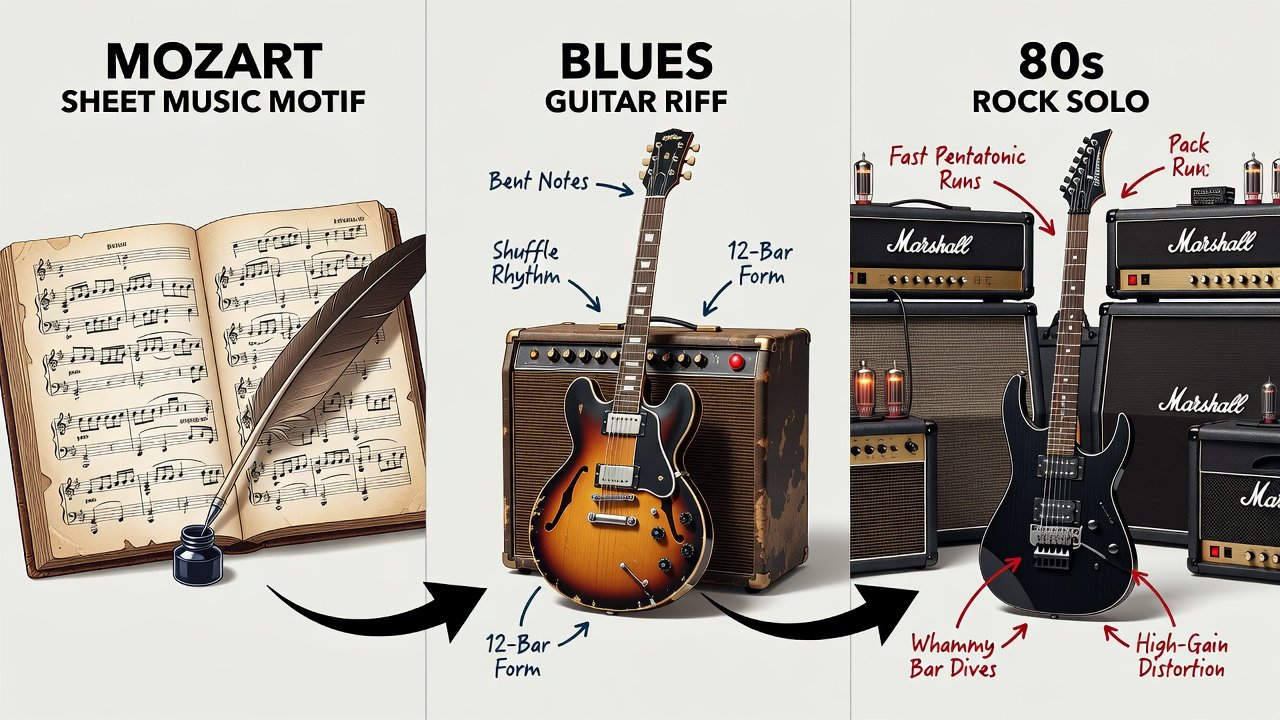
Consider Mozart's Symphony No. 40 in G minor. Its opening motif features a descending chromatic line that builds tension through repetition and variation. Compare this to the blues scale's flattened third and seventh notes, which create similar emotional pull through expressive bending and sliding techniques on guitar.
Side-by-side analysis reveals clear parallels:
- Mozart motif: Repetitive descending phrases in minor key that develop through harmonic shifts and dynamic changes.
- Blues adaptation: Robert Johnson's "Cross Road Blues" uses analogous bends and slides for expressive tension, turning classical chromaticism into vocal-like guitar lines.
- 80s rock version: Van Halen's "Eruption" takes the chromatic descent and turns it into a tapping showcase, preserving classical drama in a blues-derived framework while adding speed and technical flair.
Another strong case is Queen's "Bohemian Rhapsody," blending operatic classical elements with blues rock. The multi-part structure directly references sonata principles filtered through 12-bar roots, moving from ballad to operatic section to hard rock climax. Similarly, Rush's "YYZ" incorporates complex classical-inspired rhythms within blues-based rock formats, demonstrating how 80s prog-rock bands extended these ideas further.
Historical Context and Cultural Fusion
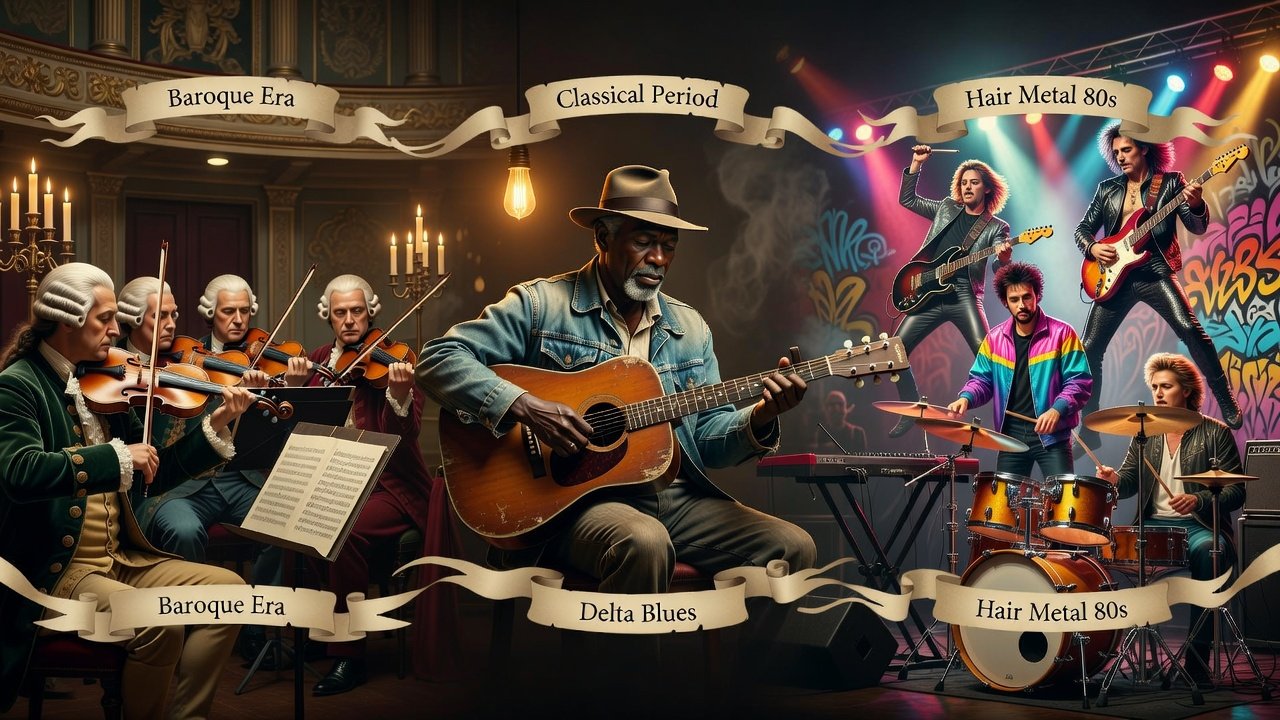
The blending began in the early 20th century when blues musicians encountered classical recordings through radio and migration patterns. This cross-pollination accelerated in the 1960s British Invasion, where guitarists like Eric Clapton studied both Delta blues and Baroque counterpoint. By the 1980s, MTV amplified these hybrids globally, making tracks like Journey's "Don't Stop Believin'"—with its piano-driven sonata-like build—household anthems. This context shows the evolution was never accidental but rooted in deliberate artistic choices across decades.
Practical Tips for Identifying These Influences in 80s Tracks
Listeners can train their ears with these detailed methods to deepen appreciation and analytical skills:
- Listen for recurring motifs that develop like classical themes—common in AC/DC's "Back in Black," where the opening riff undergoes rhythmic variations akin to sonata development.
- Spot blues scale usage in solos, then note how they resolve like sonata recapitulations, often returning to the root note with dramatic effect in songs such as Scorpions' "Rock You Like a Hurricane."
- Compare live versus studio versions to hear improvisational development sections, as seen in extended solos from Iron Maiden recordings.
- Analyze chord progressions for I-IV-V foundations overlaid with classical-inspired modulations, evident in Def Leppard's multi-layered productions.
- Use simple transcription apps to map melody lines and compare them directly to public domain classical scores for pattern recognition.
Start with curated playlists mixing classical recordings and 80s rock to hear the lineage clearly, then progress to isolated instrumental tracks for focused study.
Applying Insights to 2026 Rock Productions
Modern producers can revive these connections for fresh sounds that stand out in a crowded market. Layer classical string motifs over blues-based guitar riffs, as heard in recent hybrid tracks blending orchestral swells with raw blues energy. Experiment with sonata-like song arcs in album sequencing by structuring tracks around exposition, development, and recapitulation phases. Use digital tools to analyze and adapt scales from historical recordings, then apply them to MIDI arrangements for hybrid genres. Incorporate practical exercises such as rewriting a Mozart theme as a blues riff before electrifying it for rock context. This approach yields emotionally resonant music with historical weight and contemporary edge, helping new releases connect with audiences seeking substance beyond surface trends.
Short FAQ: Common Misconceptions
Does blues directly copy classical music? No, it adapts structural ideas through cultural fusion rather than direct quotation, creating original expressions that honor both traditions.
Were 80s rock bands classically trained? Many drew from blues records that carried indirect classical DNA, not formal study, though some like Steve Vai incorporated classical techniques explicitly.
Can these techniques work in non-rock genres? Yes, they enhance electronic, indie, and even hip-hop productions equally well by adding structural depth and melodic sophistication.
How do I start experimenting with these ideas? Begin by transposing a short classical phrase into a blues key and improvising over it on your instrument of choice.
Are there risks of sounding derivative? Focus on transformation rather than replication to avoid this, using the influences as starting points for personal innovation.
For deeper reading, explore resources at Britannica on music theory evolution and MusicTheory.net for scale breakdowns and interactive lessons.
Conclusion
The lineage from classical sonata forms through blues to 80s rock remains a vital source of inspiration for musicians worldwide. By studying specific tracks, practicing identification techniques, and applying these principles in new productions, creators in 2026 can craft music with historical weight and contemporary edge that engages listeners on multiple levels.
No comments yet. Be the first!