 Instrumentiverse
Introduction
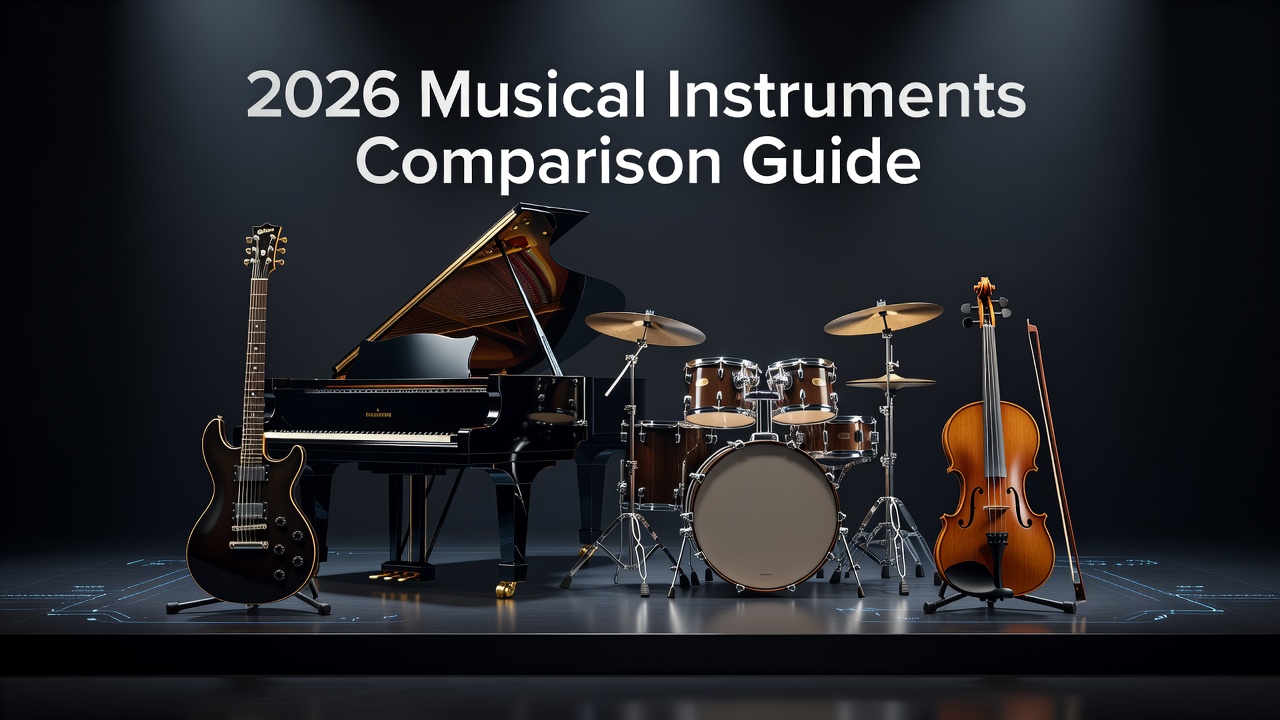
Choosing your first musical instrument is an exciting step that can shape years of creativity and personal growth. In 2026, beginners often weigh guitar, piano, drums, and violin when deciding where to start. This guide examines each option across learning curves, costs, practice space, and long-term enjoyment while highlighting 2026 trends such as hybrid digital instruments and online community resources. The decision involves more than just picking an appealing sound; it requires considering how the instrument fits into daily life, physical capabilities, and musical aspirations over time.
Whether you dream of performing on stage or simply want a rewarding hobby, understanding these factors helps you select an instrument that matches your lifestyle and goals. Many new musicians abandon their first choice within months because they overlook practical realities like portability or noise levels. This comprehensive comparison aims to prevent that outcome by providing actionable insights drawn from real-world experiences of countless beginners who have succeeded with each of these four instruments.
Comparing Learning Curves in Detail
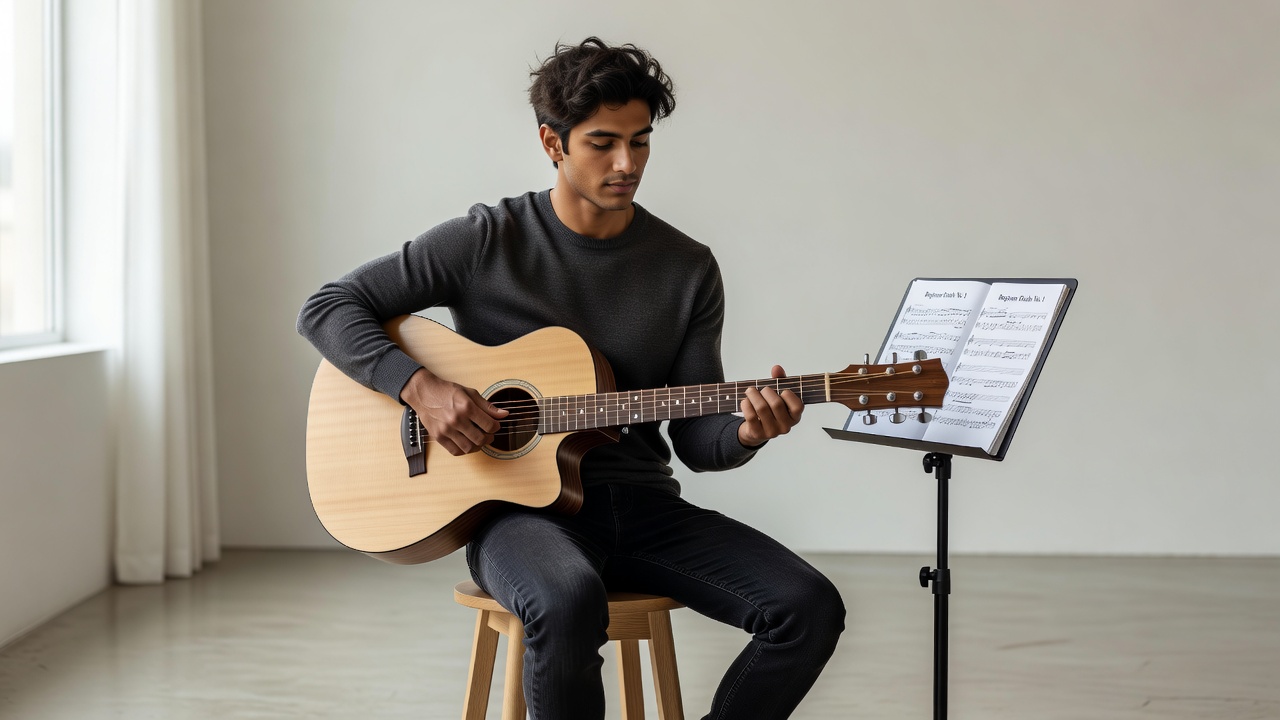
Each instrument presents unique challenges for new players, and the pace of progress varies dramatically based on prior musical exposure and natural aptitude. The guitar offers quick wins with basic chords, allowing beginners to play simple songs within weeks. Open chords like G, C, and D can be learned in the first few lessons, providing immediate gratification through familiar tunes. However, developing clean strumming patterns and transitioning between chords smoothly often takes several months of focused practice.
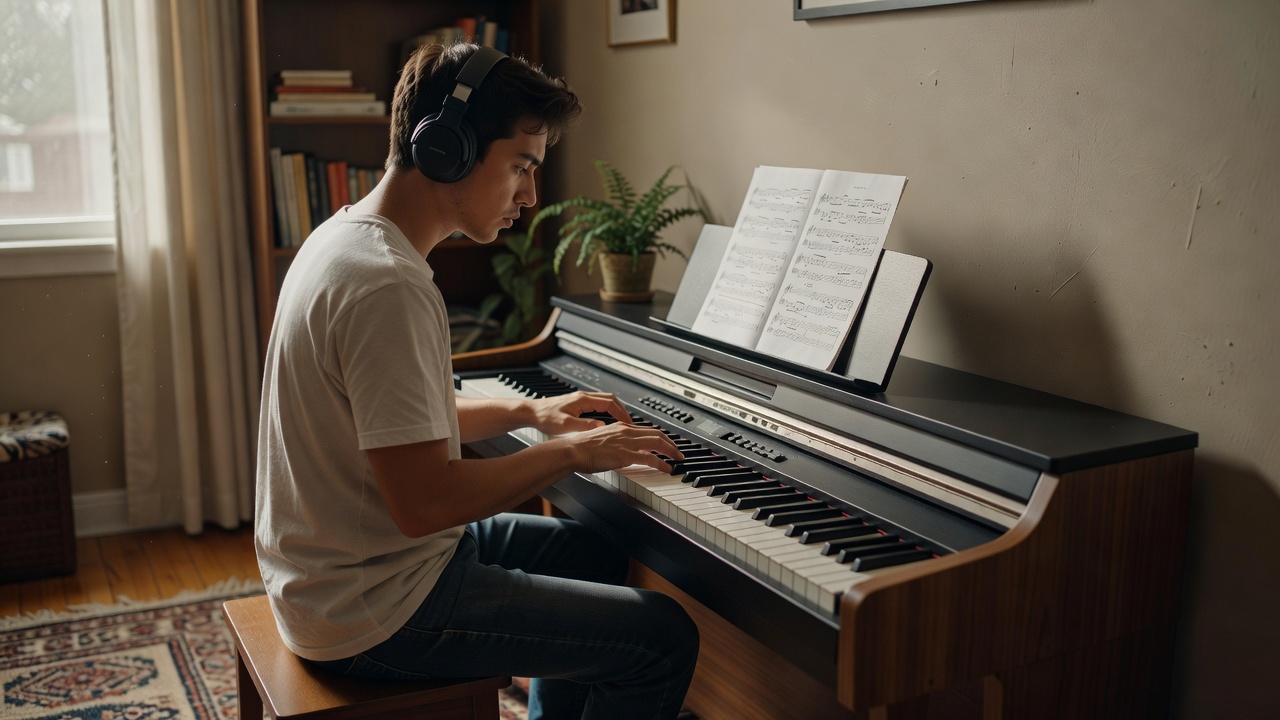
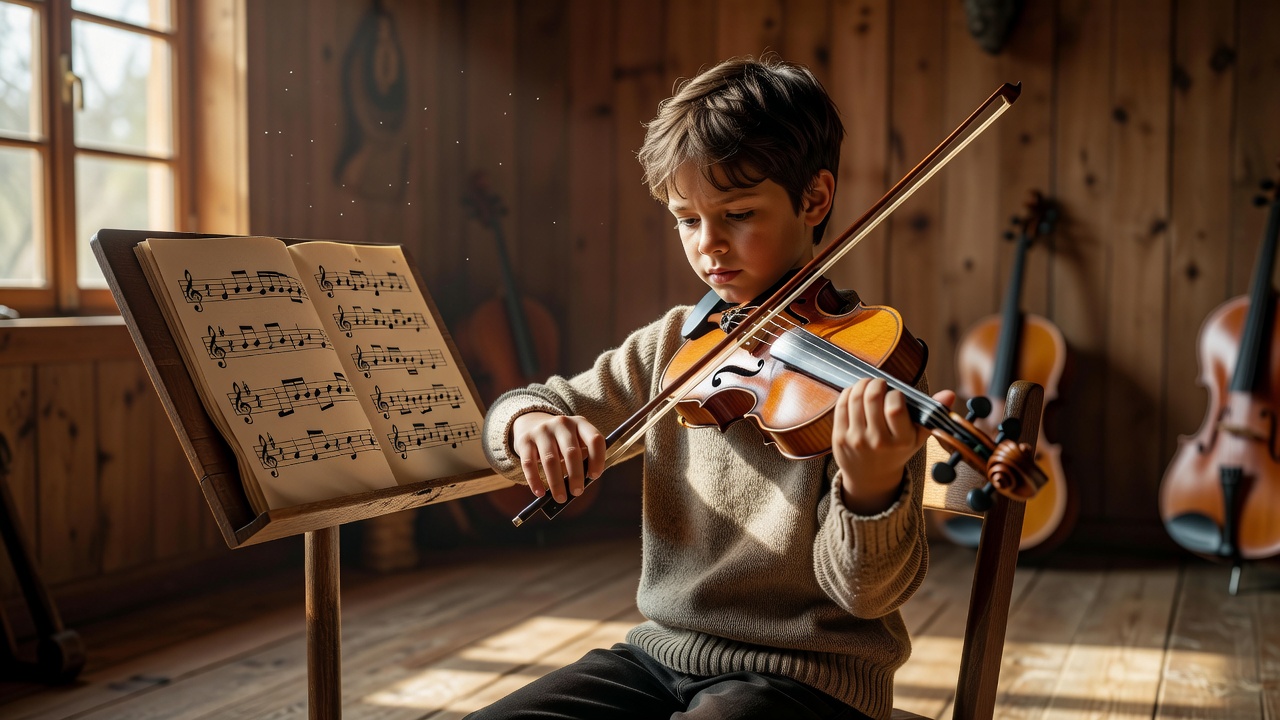
Piano provides immediate visual feedback through its layout, yet mastering coordination between hands takes consistent practice. Right-hand melodies paired with left-hand chords or bass lines create early hurdles that require building independence in each hand. Drums demand strong rhythm and coordination from day one, rewarding physical energy but requiring patience with timing. New drummers frequently struggle with limb independence, such as playing a steady bass drum while executing complex snare patterns. Violin requires precise bowing and finger placement, making early progress slower yet deeply satisfying once technique improves. Intonation issues plague beginners because there are no frets to guide finger positions, demanding a refined ear for pitch accuracy.
Many learners find that motivation increases when they choose an instrument aligned with their favorite music genres. Guitar suits rock and folk, piano excels in classical and pop, drums drive jazz and metal, while violin shines in classical and folk traditions. To accelerate learning, consider pairing formal lessons with self-directed exploration of online tutorials tailored to your chosen style.
Costs and Accessibility Factors
Budget considerations influence the decision for most beginners. Entry-level acoustic guitars and digital pianos remain accessible without large upfront investments. Drum kits vary from compact electronic pads to full acoustic sets, while violins range from student models to higher-quality options. In all cases, focusing on durable beginner instruments rather than professional gear keeps initial spending reasonable. Ongoing costs such as lessons, strings, or maintenance should also factor into long-term planning. Accessories like cases, tuners, and method books add to the total but enhance the learning experience significantly.
Space Requirements and Practical Setup
Available practice space often determines feasibility. Guitars and violins are highly portable and need minimal room, fitting easily into even the smallest apartments or dorms. Digital pianos fit comfortably in apartments when using headphones, allowing silent practice at any hour. Drums, especially acoustic sets, require dedicated space and sound control, making electronic kits popular for urban environments where noise restrictions apply. Consider soundproofing solutions such as rugs, curtains, or portable isolation panels if you live in shared housing. Rural homes may accommodate larger acoustic kits more easily, while city dwellers benefit from compact digital alternatives that support late-night sessions without disturbing neighbors.
Long-term Enjoyment Factors and Health Benefits
Long-term satisfaction depends on musical goals and personal connection. Guitarists enjoy versatility across genres, pianists appreciate the full harmonic range, drummers thrive on rhythmic expression, and violinists value expressive tone. Hybrid digital options available in 2026 enhance enjoyment by offering silent practice, built-in lessons, and easy recording features. Beyond musical growth, playing any instrument supports mental health through stress reduction and improved focus. Physical benefits include better posture for pianists and violinists or enhanced coordination for drummers and guitarists. Tracking progress over years reveals how initial challenges transform into sources of pride and creative outlet.
Starter Equipment Recommendations
Beginners benefit from quality starter packages. For guitar, a reliable acoustic or electric model with a basic amplifier works well; look for comfortable neck profiles and included accessories like straps and picks. Piano learners should consider 88-key digital keyboards with weighted keys to simulate acoustic feel and support proper technique development. Drum starters often begin with a practice pad set before upgrading to a full kit, progressing to electronic modules with multiple sounds for versatility. Violin students need a properly sized instrument, bow, and case; renting from local shops allows growth into larger sizes as skills advance. Always test equipment in person when possible and seek guidance from instructors on brands known for reliability in educational settings.
Famous Player Examples for Motivation
Iconic musicians inspire new players across decades. Jimi Hendrix transformed guitar playing with innovative techniques that continue to influence modern rock. Ludwig van Beethoven composed timeless piano works despite personal challenges, demonstrating resilience in artistic pursuit. Gene Krupa elevated drumming to an art form through dynamic performances that showcased the instrument's expressive power. Itzhak Perlman demonstrates violin mastery through expressive performances that blend technical precision with emotional depth. Additional examples include Taylor Swift for guitar-driven songwriting, Alicia Keys for piano versatility in contemporary music, Neil Peart for complex drum patterns in progressive rock, and Hilary Hahn for violin excellence in classical repertoire. These examples show how dedication leads to remarkable achievements regardless of starting point.
2026 Trends: Hybrid Digital Options and Community Resources
Modern technology expands possibilities for all four instruments. Hybrid digital instruments combine traditional feel with smart features like app integration and interactive tutorials that adapt to individual progress. Online communities on platforms from major music institutions provide free lessons, forums, and virtual jam sessions that connect learners worldwide. Resources from Berklee College of Music and NAMM help beginners connect and learn efficiently. Additional support comes from organizations like the Recording Academy, which promotes music education initiatives and offers insights into industry trends relevant to new musicians.
How to Decide: A Simple Flowchart with Expanded Steps
Follow these steps to choose your instrument:
- Identify your favorite music genres and list three artists whose sound appeals to you most.
- Assess available practice space and noise tolerance by measuring your room and noting any restrictions from neighbors or family.
- Consider budget for initial purchase and maintenance, including accessories and potential lesson fees over the first year.
- Evaluate time commitment for daily practice, aiming for at least 20-30 minutes to build steady progress.
- Test instruments in person before committing, spending at least 15 minutes with each to gauge natural comfort.
Practical Steps for Testing Instruments Locally
Visit local music stores to try each instrument in a dedicated demo area. Play simple scales or rhythms to gauge comfort and sound quality under real conditions. Ask staff about rental options and lesson programs that often bundle with purchases. Many stores host beginner workshops that let you experience multiple instruments in one session, providing hands-on comparison without pressure. Online reviews and community feedback from forums can supplement in-store experiences, helping you narrow choices before visiting. Bring a friend for objective opinions on your playing posture and enthusiasm during trials.
Common Mistakes to Avoid
New players often rush into purchases without trying instruments first or ignore long-term maintenance needs. Another frequent error involves selecting based solely on appearance rather than playability. Overlooking genre compatibility can lead to frustration when the instrument does not match preferred music styles. Finally, neglecting consistent practice routines undermines even the best equipment choices.
FAQ
Does hand size affect which instrument I can play?
Hand size matters most for guitar, piano, and violin. Smaller hands may prefer narrower guitar necks or compact violin sizes, while piano keyboards remain standard. Drums focus more on coordination than hand span, making them accessible across varied physical builds.
Which instrument fits best with specific genres?
Guitar dominates rock and blues, piano suits classical and contemporary pop, drums anchor rhythm-heavy styles like jazz, and violin excels in orchestral and folk music. Many musicians eventually explore crossover genres as skills develop.
Are hybrid digital instruments worth considering in 2026?
Yes. They offer silent practice, built-in learning tools, and connectivity that supports modern lifestyles while preserving authentic playing feel. These features prove especially valuable for apartment dwellers or those with irregular schedules.
How important are lessons versus self-teaching?
Lessons accelerate proper technique and prevent bad habits, while self-teaching fosters creativity. A balanced approach combining both yields the best results for most beginners.
Conclusion
Selecting between guitar, piano, drums, and violin depends on personal preferences, practical constraints, and long-term goals. By evaluating learning curves, space needs, and 2026 digital trends, beginners can make informed choices that lead to years of musical enjoyment. Start by testing instruments locally and exploring community resources to begin your journey with confidence. The right instrument becomes a lifelong companion when chosen thoughtfully and practiced consistently.
No comments yet. Be the first!