 Instrumentiverse
Introduction to Long-Term Instrument Care in 2026
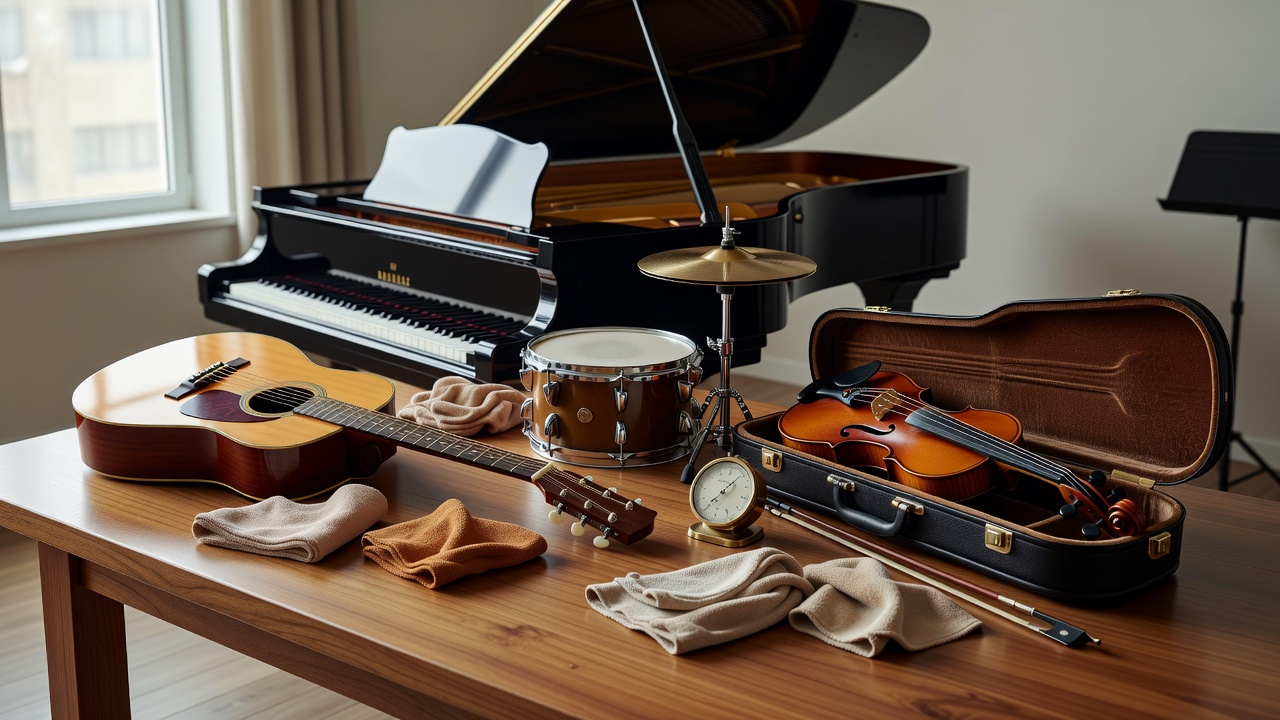
Proper maintenance of musical instruments ensures they deliver optimal sound quality and last for decades. Whether you are a beginner or advancing player, understanding seasonal care routines for guitar, piano, drums, and violin helps prevent costly repairs and preserves value. This guide covers cleaning methods, humidity control, storage best practices, practical checklists, common mistakes, and real-world before-after comparisons in depth. Neglected instruments often suffer from warped wood, corroded strings, and degraded finishes while well-maintained ones retain resonance and playability. Focus on consistent routines rather than reactive fixes to extend lifespan and improve tone over time.
Seasonal changes dramatically affect instruments. Winter dryness can crack guitar tops and violin soundboards while summer humidity warps piano soundboards and loosens drum heads. Beginners seeking actionable advice beyond initial learning will find concrete steps here that go far beyond basic overviews.
General Principles: Humidity, Cleaning, and Storage
Most acoustic instruments contain wood that reacts to environmental changes. Ideal relative humidity ranges from 40-55 percent year-round. Use digital hygrometers for monitoring and maintain stable temperatures between 65 and 75 degrees Fahrenheit. Clean with appropriate tools only including microfiber cloths, instrument-specific polishes, and soft brushes. Store in cases with climate control packets when not in use for extended periods.
Invest in quality cases that provide padding and humidity control. Rotate instruments regularly if you own multiple pieces to prevent uneven wear. Smithsonian Institution resources highlight how stable environments protect heritage instruments, principles that apply directly to modern use. Always acclimate instruments gradually when moving them between rooms or buildings to avoid sudden shock to wood and glue joints.
Guitar Maintenance Tips
Acoustic and electric guitars need fretboard conditioning every three months. Wipe strings after playing to remove skin oils that cause corrosion. In winter months use humidifiers in cases to prevent cracking while summer requires dehumidification packs in humid climates. Check the truss rod adjustment twice yearly as temperature shifts alter neck relief.
- Weekly: Wipe body, neck, and hardware with a dry microfiber cloth
- Monthly: Clean fretboard with a small amount of lemon oil or fingerboard conditioner and inspect frets for wear
- Seasonally: Perform full setup including intonation check, nut lubrication, and bridge inspection
- Annually: Deep clean electronics on electric models and replace strings with fresh sets
Common pitfall includes over-tightening strings during storage which leads to neck warp. Before example shows a guitar with a cracked top from prolonged low humidity exposure. After six months of consistent humidification and cleaning the same instrument regains full resonance and structural integrity.
Piano Care and Seasonal Routines
Pianos are highly sensitive to temperature swings and require placement away from windows, heating vents, and exterior walls. Dust keys weekly using a soft brush and schedule professional tuning at least twice per year. Humidity control prevents sticking keys, rust on strings, and soundboard cracks that permanently alter tone.
- Check for loose hammers, pedals, and action parts monthly
- Use interior dehumidifier rods during damp seasons and monitor with a case hygrometer
- Cover the piano when not in use to reduce dust accumulation on strings and hammers
- Inspect for pest damage quarterly especially in older upright models
Avoid DIY string replacement or major regulation work. Instead schedule technician visits for complex adjustments. Well-maintained pianos retain tonal clarity and even action far longer than neglected instruments that develop yellowed keys, sluggish response, and uneven volume across registers.
Drums: Hardware and Skin Care
Drum kits combine metal hardware, wooden shells, and synthetic or animal-skin heads. Clean cymbals with non-abrasive polish to maintain shine without removing protective layers. Lubricate moving parts on stands and pedals quarterly using manufacturer-recommended oils. Store shells upright in climate-controlled spaces to prevent warping and finish damage.
Checklist for drums includes inspecting tension rods for rust, replacing worn drum heads before they affect tuning stability, polishing chrome hardware, and checking bearing edges for smoothness. Pitfall to avoid is leaving drums in direct sunlight which stretches heads and fades finishes. Before scenario features a kit with dull rusty hardware and dead-sounding heads. After restoration the same drums deliver crisp attack, stable tuning, and vibrant projection.
Violin Seasonal Maintenance
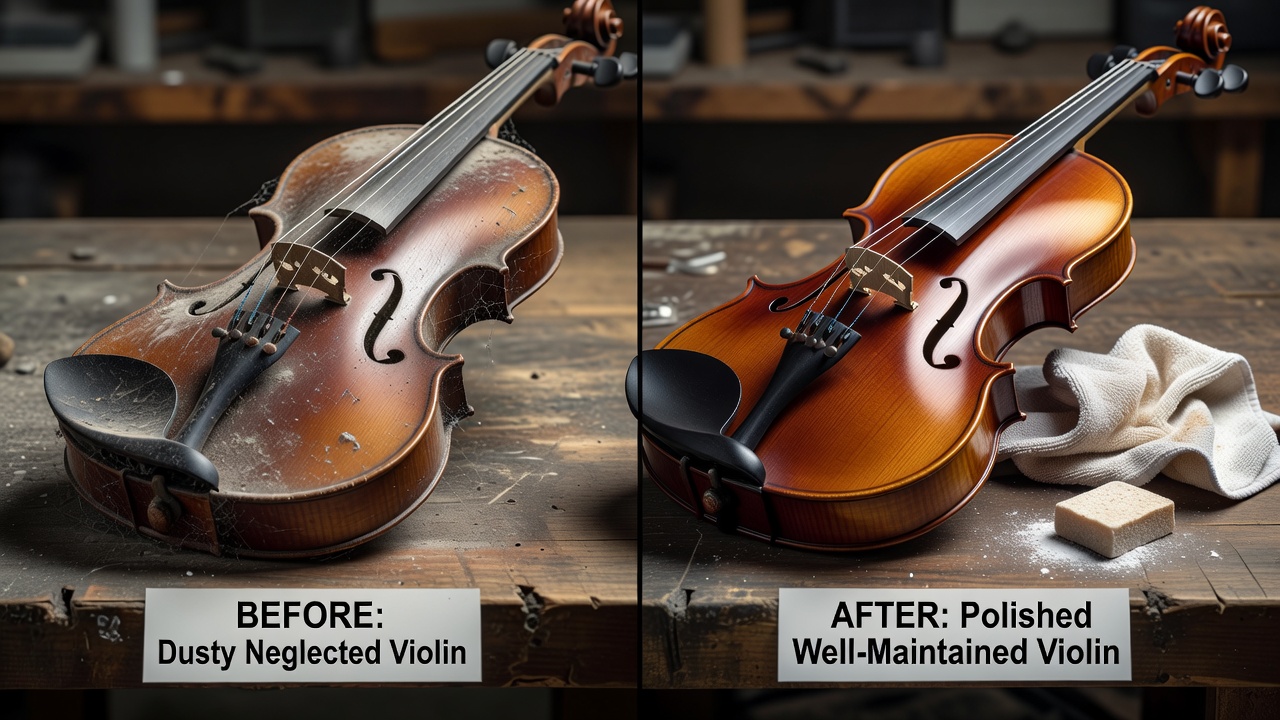
Violins demand careful humidity management to protect the soundpost, bridge, and seams. Rosin dust buildup dulls tone so clean the body and fingerboard regularly with a dedicated cloth. Loosen bow hair when storing to relieve tension on the stick. In dry seasons add case humidifiers while humid periods call for silica gel packs to absorb excess moisture.
Practical steps include checking the bridge alignment monthly and ensuring the chinrest and tailpiece remain secure. Library of Congress music collections demonstrate how consistent care preserves antique violins for generations of players.
Essential Tools and Supplies for Maintenance
Building a maintenance kit makes routines easier and more effective. Include digital hygrometers, microfiber cloths in multiple sizes, instrument polish safe for your finishes, lemon oil or fingerboard conditioner, soft brushes, case humidifier packets, and a reliable polishing cloth. Keep a small notebook to log maintenance dates and observations about tone or playability changes.
Common Pitfalls and How to Avoid Them
Many beginners ignore seasonal shifts leading to cracked wood or seized mechanisms. Always acclimate instruments gradually when moving between environments. Never use household cleaners or furniture polish on instrument finishes as they can damage protective coatings. Over-lubricating hardware attracts dust and causes sticking. Store instruments away from direct heat sources and extreme cold to maintain glue joints and wood stability.
Monitoring Your Instrument's Health Over Time
Regular visual inspections combined with listening tests reveal early warning signs. Listen for buzzing, rattling, or loss of sustain. Look for cracks, loose parts, discoloration, or changes in string height. Photograph your instruments periodically to track condition and share details with technicians when needed.
Before-and-After Examples
A neglected guitar developed deep top cracks after one dry winter season. After six months of humidity packs, regular cleaning, and professional setup the top stabilized and tone improved noticeably with richer bass response. A piano left near a window showed sticking keys and yellowed ivories; after relocation, professional regulation, and consistent covering the action became responsive again. Similar results appear across drum kits and violins when seasonal routines are followed consistently.
FAQ: Professional Servicing and DIY Solutions
When should you seek professional help? For pianos schedule annual regulation and voicing. Violins benefit from luthier visits every two years for soundpost adjustment and seam checks. Drums require professional bearing-edge work only when damage is visible. DIY works well for basic cleaning and string changes but avoid internal adjustments on pianos or soundposts on violins.
Cost-effective solutions include buying quality cases and multiple hygrometers rather than frequent repairs. Consistent home care reduces the need for expensive interventions while keeping instruments in peak playing condition. Track maintenance in a simple calendar to stay on schedule throughout the year.
Conclusion
Adopting these 2026 instrument care practices protects your investment and enhances musical enjoyment. Start with simple weekly routines and build seasonal habits for guitar, piano, drums, and violin. Your instruments will reward consistent attention with superior sound, reliable playability, and extended lifespan for years of rewarding performance.


No comments yet. Be the first!