 Instrumentiverse
Introduction: Building a Complete Instrument Setup That Lasts
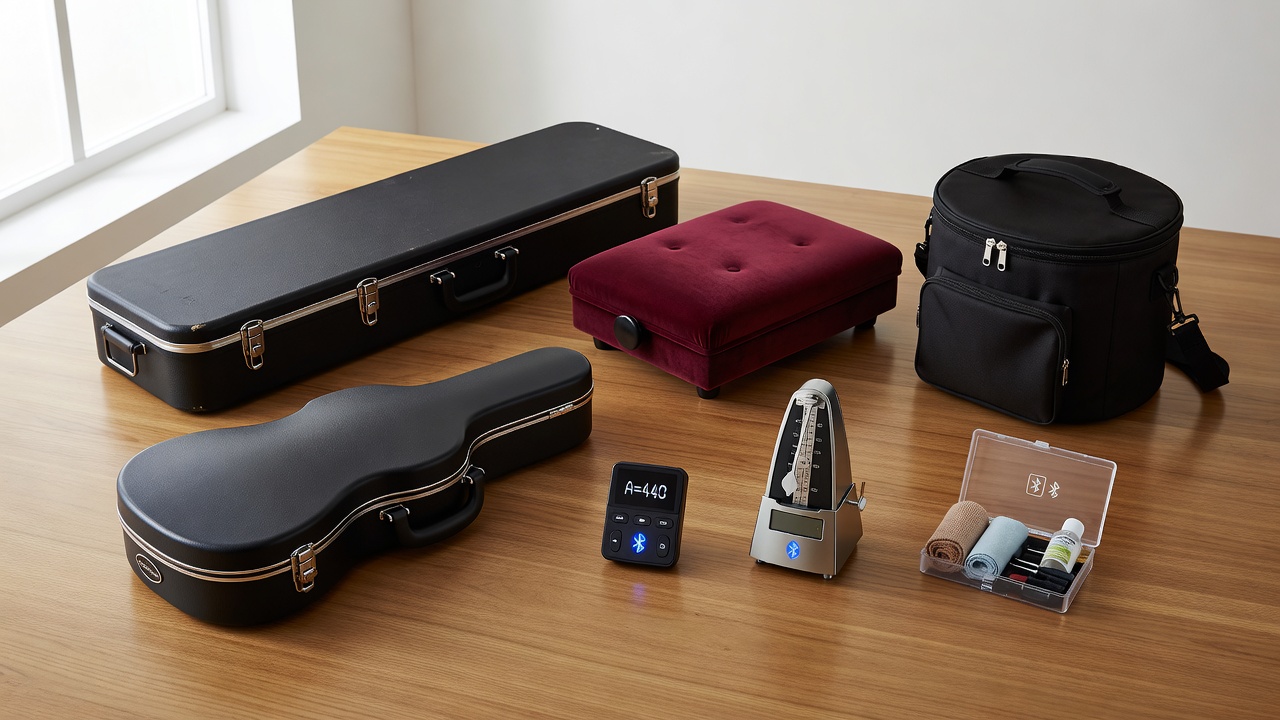
Choosing the right accessories transforms a basic instrument into a reliable, long-term musical companion. For beginners researching guitar, piano, drums, or violin, focusing on quality accessories ensures better playability, protection, and maintenance without overspending. This 2026 guide emphasizes value and longevity, helping you select items compatible with your playing style while incorporating emerging smart technology trends.
Accessories such as cases, tuners, stands, metronomes, and maintenance kits directly impact daily practice and instrument lifespan. Whether you play acoustic guitar at home or perform on violin in ensembles, the right choices prevent common frustrations like detuning or damage during transport. Many beginners overlook these supporting items until problems arise, leading to frustration or extra costs later.
Why Accessories Matter for Longevity and Performance
High-quality accessories protect your investment and enhance practice efficiency. A well-chosen case shields against humidity and impacts, while a precise tuner helps develop accurate pitch recognition from the start. Stands reduce the risk of accidental damage during rehearsals, and metronomes build essential rhythmic discipline. Maintenance kits preserve tone quality and appearance over years of use. In 2026, musicians increasingly seek items that integrate with digital tools for tracking progress, making these choices even more strategic.
Core Accessories Explained: Cases, Tuners, Stands, Metronomes and Kits
Every musician needs foundational accessories tailored to their instrument. Hard-shell cases provide superior protection compared to soft bags, especially for travel. Digital tuners offer precise pitch detection, while stands keep instruments secure during breaks. Metronomes develop timing skills essential for all players, and maintenance kits preserve tone and appearance.
Compatibility matters across instruments. A clip-on tuner works equally well on guitar, violin, or even drum hardware with vibration sensors. Piano players often prefer app-based tuners due to the fixed nature of the instrument. When comparing options, evaluate factors like battery life, ease of use, and weather resistance for real-world scenarios.
Step-by-Step Selection Criteria by Playing Style
- Identify your primary environment: home practice, stage performances, or travel.
- Match material durability to usage frequency—leather or reinforced nylon for frequent movers.
- Prioritize adjustable features like stand height for growing musicians or different seating arrangements.
- Consider integration with smart devices for 2026 trends like app-connected metronomes that track progress.
- Test for ergonomic comfort during extended sessions to avoid physical strain.
- Review warranty and replacement part availability from manufacturers.
Instrument-Specific Recommendations
Guitar Accessories
Acoustic and electric guitars benefit from padded gig bags for everyday use and sturdy cases for storage. A reliable clip-on tuner clips directly to the headstock, while a folding stand prevents neck damage. Maintenance kits with string cleaners and polish extend string life significantly. For example, a guitarist practicing fingerstyle may prefer a stand with extra padding to protect the body finish during frequent setup changes.
Piano Accessories
Pianos require bench cushions for comfort during long sessions and dust covers for protection. Digital metronomes or apps help with rhythm practice. For upright or grand models, wheel locks on stands add stability. Players focusing on classical repertoire often select weighted metronomes that simulate natural tempo variations encountered in live performances.
Drum Accessories
Drummers need sturdy hardware bags and cymbal cases. Metronomes with visual cues prove invaluable during loud practice. Maintenance kits focus on drumhead cleaners and lug lubricants. A drummer in a band setting might choose reinforced cases that stack easily for transport between venues, reducing wear on hardware over time.
Violin Accessories
Violinists prioritize shaped cases with humidity control. Fine tuners on the tailpiece pair well with digital tuners. Bow hair maintenance and rosin application kits are essential. Students preparing for orchestra auditions often invest in cases with built-in hygrometers to maintain optimal conditions for the wood and strings.
Budget Recommendations and Value Comparisons
Focus on mid-range options that balance cost and durability rather than the cheapest alternatives. Compare features such as waterproofing on cases or battery life on tuners across brands. Starter kits often bundle a case, tuner, and stand at a combined value that exceeds individual purchases. When evaluating value, consider how each accessory contributes to consistent practice habits and reduces future repair needs.
Real-World Examples of Starter Kits
A typical beginner guitar kit might include a reinforced case, chromatic tuner, adjustable stand, and basic maintenance supplies. Similar violin bundles emphasize humidity packs inside the case alongside a digital metronome. Drum starter kits commonly feature padded hardware bags and visual metronomes suitable for ensemble work. These combinations support consistent practice from day one and allow musicians to focus on skill development rather than equipment issues.
2026 Trend Updates: Smart Tech Integrations
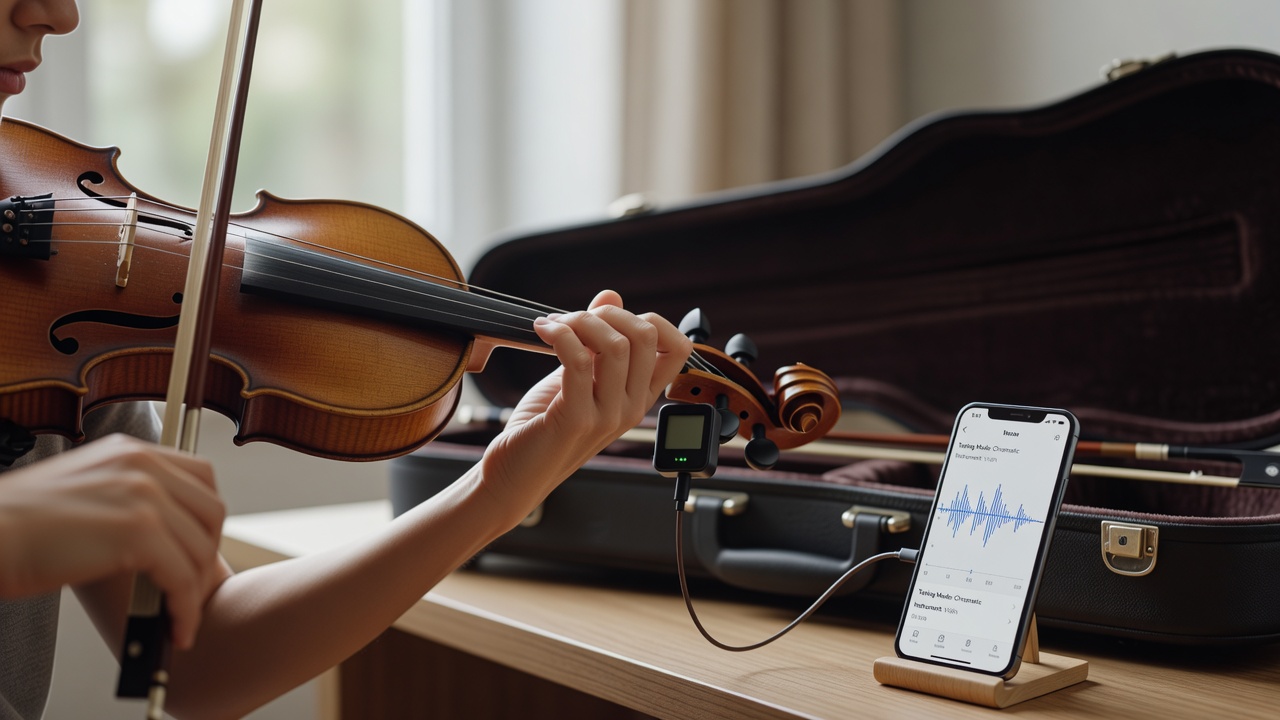
Modern accessories increasingly feature Bluetooth connectivity and companion apps. Smart tuners now analyze intonation over time, while metronomes sync with practice logs. These integrations help track improvement and maintain motivation without replacing traditional reliability. Industry reports from NAMM highlight growing adoption of connected devices among beginners. Additionally, resources from The Recording Academy discuss how technology supports music education and practice routines in evolving ways.
Common Mistakes to Avoid: Quick FAQ
- Should I buy the cheapest case available? No—poor protection leads to costly repairs later. Opt for reinforced materials suited to your climate.
- Are clip-on tuners accurate for violin? Yes, when calibrated properly for the instrument’s range and used in quiet environments initially.
- Do I need a separate metronome for drums? A visual model works best in loud environments to maintain steady tempo without audio interference.
- How often should maintenance kits be used? Weekly cleaning prevents buildup and preserves tone; always follow manufacturer guidelines for specific products.
- Can one stand work for multiple instruments? Adjustable models offer versatility but verify weight capacity and stability before switching between guitar and violin.
- Is app-based tuning sufficient for professional aspirations? Many apps provide high accuracy, yet dedicated hardware tuners remain more reliable in varying lighting or noisy conditions.
Maintenance and Longevity Tips for Your Setup
Regular care extends the life of both instruments and accessories. Store cases in temperature-controlled spaces and clean tuners periodically to maintain sensor accuracy. Rotate stands to prevent uneven wear on rubber feet, and replace metronome batteries before important practice milestones. These habits ensure your complete setup remains functional for years, supporting steady musical progress.
Conclusion: Invest Wisely for Long-Term Enjoyment
Selecting thoughtful accessories for guitar, piano, drums, or violin creates a foundation for years of musical growth. Prioritize compatibility, durability, and emerging smart features to maximize value. With these guidelines, beginners can assemble a complete setup that supports progress while avoiding unnecessary expense. Explore options from established manufacturers to ensure quality and compatibility.


No comments yet. Be the first!