 Instrumentiverse

Introduction: Why Rock History Matters in Electronic Music
Electronic music in 2026 continues to draw deeply from rock's foundational elements, even as digital tools dominate production. This beginner guide breaks down those connections without requiring advanced fusion skills. Rock's guitar riffs, drum patterns, and song structures have quietly influenced everything from house beats to techno drops. Understanding these roots helps new producers create more dynamic tracks while incorporating touches from hip hop sampling and jazz improvisation.
Rock music evolved through key milestones in the 1960s and 1970s, establishing rhythmic and melodic templates that producers now adapt digitally. By examining these influences, newcomers can build tracks that feel timeless yet fresh for today's audiences. The hidden role of rock history reveals itself in the energy of a modern drop or the punch of a sampled breakbeat, making it essential knowledge for anyone starting out in electronic production.
Key Rock Milestones and Their Digital Adaptations
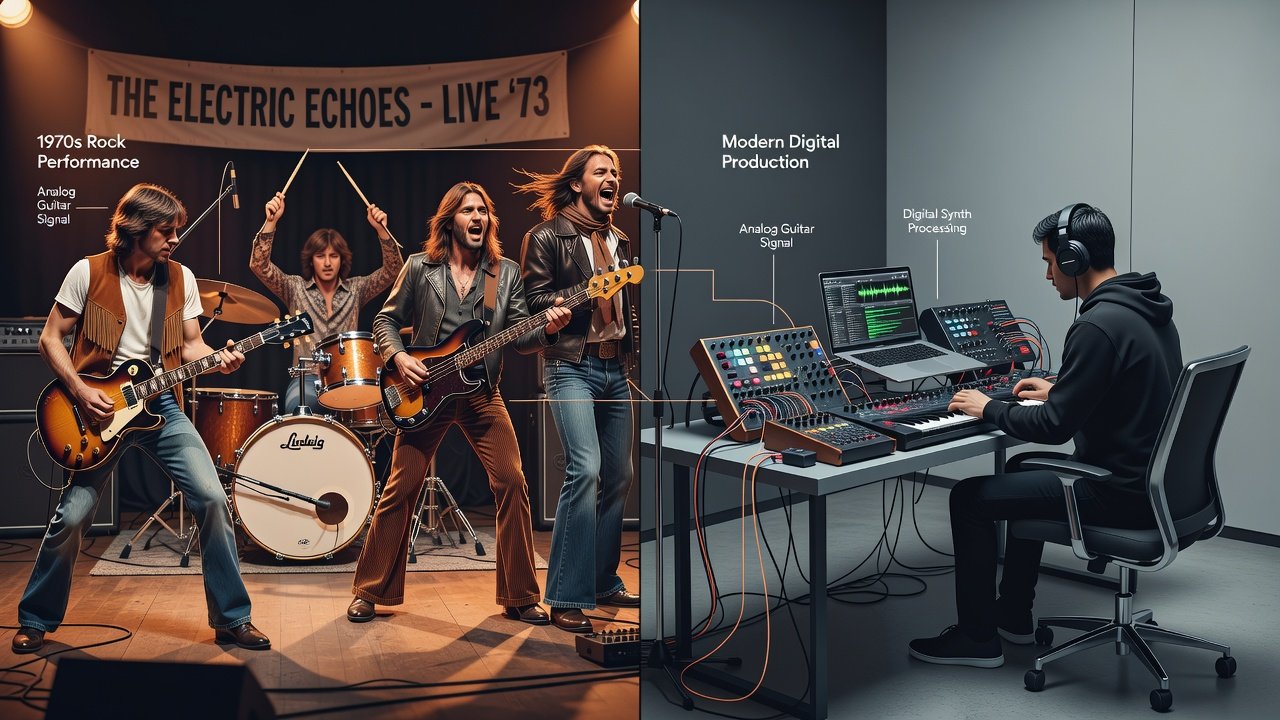
Classic rock milestones like the driving guitar riffs of the 1960s British invasion and the powerful drum fills of 1970s hard rock provide core building blocks. In 2026, producers recreate these using software synths and sample packs. For instance, a distorted guitar riff from the era might be processed through modern plugins to create a bass-heavy electronic hook. The raw energy of early rock recordings, captured on analog tape, translates today into warm saturation effects applied to digital audio.
Drum patterns from rock, such as the straight-ahead backbeat of early rock 'n' roll, translate into four-on-the-floor kicks in electronic genres. These adaptations keep the energy of live rock performances while fitting club-friendly tempos. Later milestones, including the punk era's stripped-down aggression and progressive rock's complex time signatures, also find echoes in glitchy electronic textures and intricate break patterns. Producers often layer multiple rock-inspired samples to build depth without overcrowding the mix.
Comparing Classic Rock Structures to Electronic Beats
Classic rock often follows verse-chorus structures with dynamic builds, while electronic music emphasizes loops and drops. A rock song's bridge section can inspire an electronic breakdown, where tension releases into a powerful drop. This comparison reveals opportunities for hybrid energy without complex layering. Rock's use of tension and release through guitar solos or extended jams mirrors the way electronic producers manipulate filter sweeps and riser effects to heighten anticipation before the main beat returns.
Producers benefit from studying how rock's verse-chorus format supports narrative flow, then mapping it onto electronic arrangements that loop seamlessly. For example, the repetitive yet evolving nature of a rock chorus can become a memorable vocal chop sequence in a house track. Electronic beats gain emotional weight when they borrow rock's ability to shift between quiet verses and explosive choruses, creating contrast that keeps listeners engaged across longer playtimes.
Hip Hop Sampling Crossovers and Jazz Improvisation Elements
Hip hop's sampling techniques often pull from rock records, creating crossovers that electronic producers can emulate. Jazz improvisation adds spontaneity through syncopated rhythms and chord variations, which can be programmed into electronic sequences for organic feel. These elements enrich electronic tracks by introducing unexpected swings or sampled textures, helping beginners move beyond basic loops.
In practice, hip hop sampling crossovers involve chopping rock drum breaks or guitar phrases into rhythmic fragments that fit electronic grids. Jazz elements bring subtle timing offsets and extended chords that prevent electronic music from sounding too rigid. Together, these influences allow producers to craft beats that feel both grounded in history and forward-looking for 2026 dance floors.
Practical Steps for Producers to Incorporate These Influences
Follow these steps to blend rock history into your 2026 electronic productions:
- Study classic rock tracks and isolate drum or riff elements using free audio tools. Start by listening to influential albums and noting specific moments where the rhythm or melody stands out.
- Layer a rock-inspired guitar sample over an electronic beat, adjusting EQ for clarity. Experiment with pitch shifting to match your track's key while preserving the original character.
- Experiment with hip hop-style chopping on jazz piano loops to create unique fills. Use short slices of audio and rearrange them to form new melodic ideas that complement your main groove.
- Test structures by mapping rock verse-chorus onto your arrangement, then refine the drop section. Build tension in the verse sections before unleashing a full electronic chorus.
- Reference real-world examples like Daft Punk's rock-infused tracks or modern artists sampling 1970s riffs in house music. Analyze how these tracks balance the old and new to inform your own workflow.
- Record live drum hits or guitar tones if possible and process them digitally to add human nuance to otherwise quantized electronic patterns.
Real-World Track Examples
Tracks from 2026 often feature subtle rock nods, such as electronic remixes of classic rock hits or productions using drum patterns inspired by legendary rock albums. Listen to how certain basslines echo rock foundations while fitting electronic frameworks. For instance, several current techno releases incorporate the driving pulse of 1970s rock drums beneath synthetic leads, creating a hybrid sound that resonates on festival stages.
Other examples include electronic artists who sample iconic rock guitar solos and stretch them into atmospheric pads, or hip hop producers flipping jazz piano riffs over rock-inspired beats. These real-world cases demonstrate how foundational elements from multiple genres converge in modern productions without requiring advanced technical knowledge.
Common Mistakes to Avoid When Blending Genres
Many beginners overload their tracks with too many historical references at once, resulting in cluttered arrangements. Focus instead on one or two core elements, such as a single rock drum pattern or a jazz chord progression, and let them support the electronic core. Another frequent issue is ignoring tempo compatibility; always match rock samples to your project's BPM before layering.
Over-processing samples can strip away the authentic character that makes rock influences compelling. Use light effects and preserve some of the original dynamics. Finally, avoid neglecting arrangement flow—rock structures thrive on contrast, so ensure your electronic sections provide clear build-ups and releases.
FAQ: Blending Genres Effectively
How do I start without overcomplicating my tracks?
Begin with one rock element, like a simple riff sample, and build around it gradually. Test each addition in context before moving to the next layer.
Can jazz improvisation work in electronic beats?
Yes, by adding slight timing variations to MIDI notes for a more human swing. Small deviations in velocity and timing create the desired organic quality.
What are common mistakes to avoid?
Avoid forcing too many elements together; focus on balance between rock energy and electronic clarity. Poor EQ choices often bury important frequencies, so prioritize clean mixing.
Which software helps most with sampling rock elements?
Most digital audio workstations include built-in tools for slicing and pitching samples, making the process accessible for newcomers.
For deeper dives into music history, visit AllMusic or explore genre timelines at Rolling Stone. Additional context on production techniques appears at Grammy.com.
Conclusion
Rock history provides a rich foundation for electronic music in 2026. By applying these beginner-friendly insights, producers can craft tracks that honor the past while innovating for the future. Consistent practice with these methods leads to distinctive sounds that stand out in a crowded field.

No comments yet. Be the first!