 Instrumentiverse
Introduction to Hip Hop's Evolving Soundscape
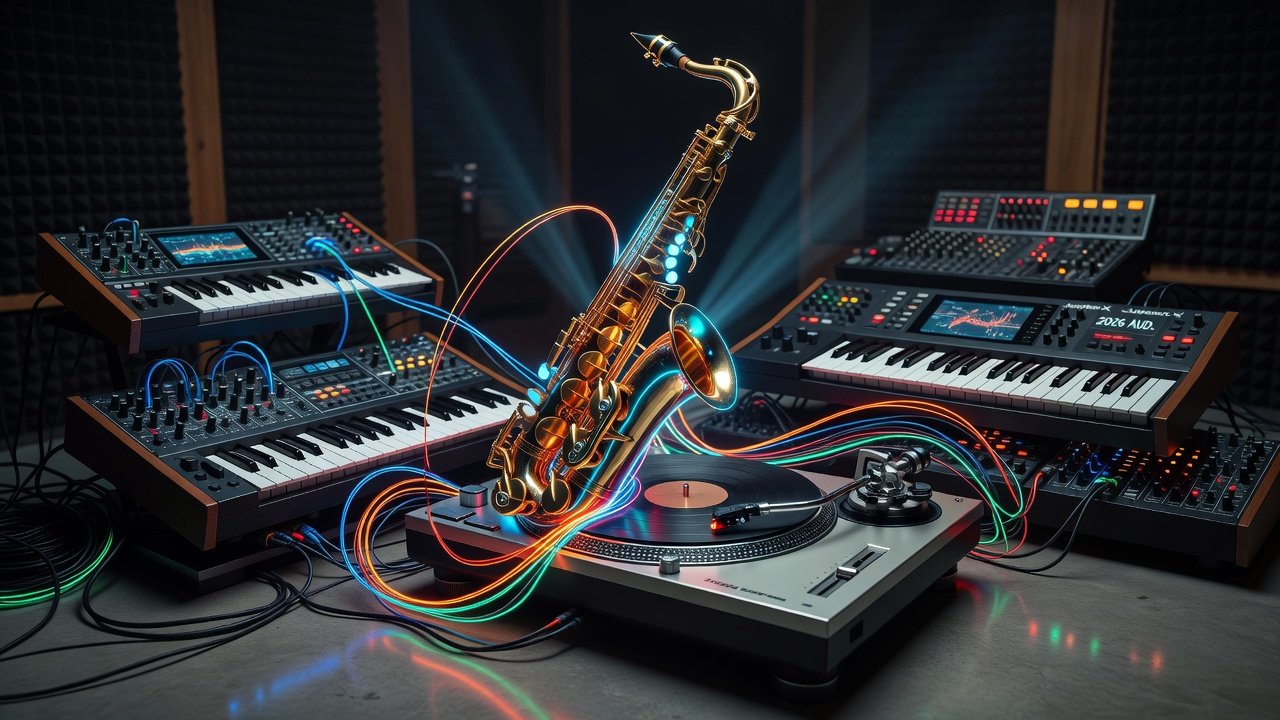
Hip hop has always been a dynamic genre that borrows from diverse musical traditions. In 2026, audiences are increasingly drawn to its intersections with jazz and electronic music, creating fresh sonic landscapes that reward careful listening. This guide breaks down the essentials for beginners while tracing historical threads and offering practical ways to explore these fusions. Understanding these connections helps listeners appreciate how producers transform acoustic jazz elements into digital beats and how electronic textures push hip hop boundaries further than ever before.
Core Elements of Hip Hop
At its foundation, hip hop revolves around four pillars: MCing or rapping, DJing, breakdancing, and graffiti art. Production techniques emphasize sampling, beat-making with drum machines, and layered rhythms. Modern electronic beats often incorporate synthesizers and software like Ableton to expand these roots into club-ready anthems. The essence lies in the breakbeat, where DJs isolate and loop the most danceable sections of funk or jazz records. Today, this practice merges with electronic sequencing to create intricate polyrhythms that keep crowds moving on dance floors worldwide.
Jazz Roots and Sampling Techniques
Jazz's improvisational spirit and complex harmonies have deeply influenced hip hop since the genre's early days. Producers frequently sample jazz records for their rich instrumentation, such as upright bass lines or saxophone riffs. To identify jazz sampling, listen for swung rhythms, modal scales, and acoustic textures that contrast with electronic drums. For example, tracks like those from A Tribe Called Quest demonstrate clear jazz loops repurposed into boom-bap beats. The technique involves chopping samples into smaller pieces, pitching them differently, and layering them over new drum patterns. This creates a dialogue between eras, where 1960s jazz recordings breathe new life in contemporary productions. Rolling Stone highlights how jazz-hip hop crossovers continue to evolve with fresh approaches each year.
Electronic Music Influences on Hip Hop Beats
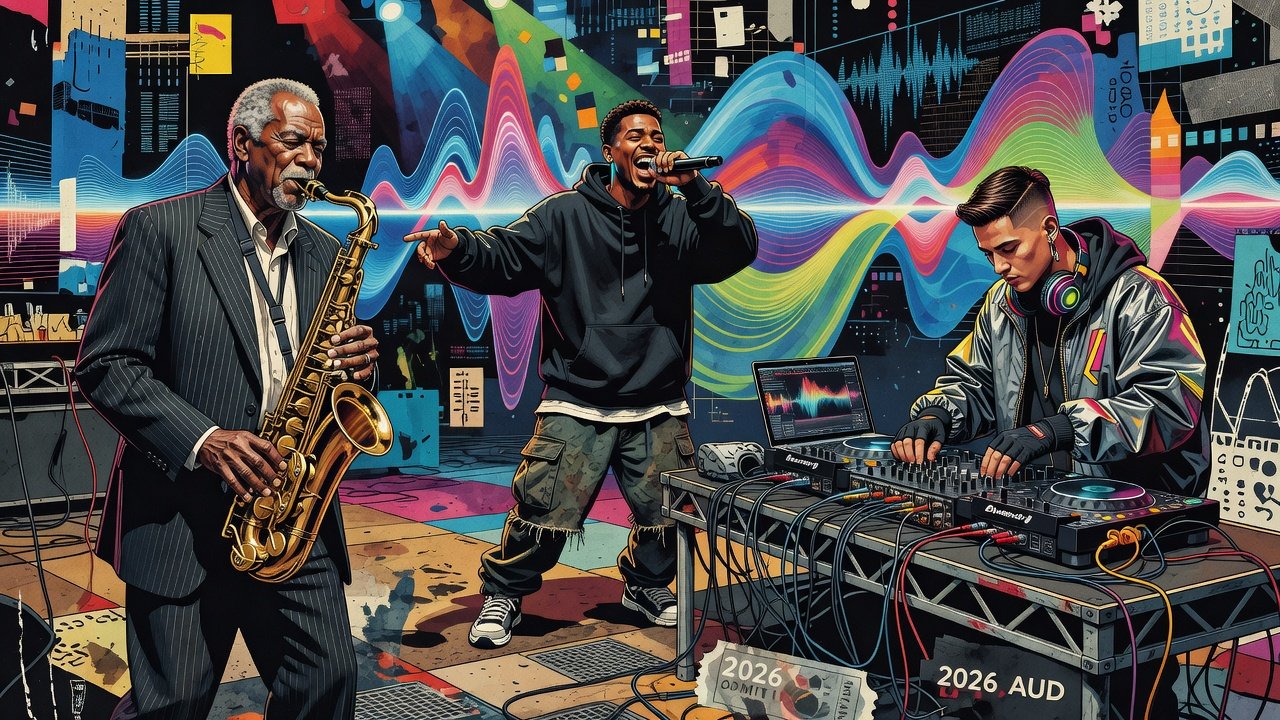
Electronic elements add futuristic layers through synth bass, glitch effects, and trap hi-hats. Artists blend these with jazz samples to create hybrid sounds popular in 2026 playlists. Production tips include layering vinyl crackle over digital pads for warmth and using sidechain compression to make kicks punch through electronic textures. Many producers start with a jazz loop, then introduce 808-style basslines and arpeggiated synths to modernize the feel. The result is music that feels both nostalgic and forward-looking, appealing to listeners who crave depth alongside danceability.
Influential Artists and Track Examples
Key figures include Robert Glasper for jazz-hip hop fusions, Flying Lotus for electronic experiments, and Kendrick Lamar whose albums weave jazz motifs into rap narratives. Tracks such as "Jazz (We've Got)" by A Tribe Called Quest or modern electronic-leaning cuts from Kaytranada showcase these blends effectively. Additional examples feature Madlib's collaborations with jazz musicians and the electronic-infused work of artists like TOKiMONSTA. Each example illustrates specific techniques: Glasper often uses live jazz instrumentation over hip hop drums, while Flying Lotus manipulates samples with granular synthesis for ethereal electronic atmospheres.
Step-by-Step Listening Exercises
Developing an ear for these fusions takes practice. Begin with a classic jazz track such as a Miles Davis modal piece and note its melody and chord changes. Next, compare it directly to a hip hop sample of the same recording, observing how the producer truncates or loops sections. Then mentally layer an electronic beat over the result and observe how rhythms interact or clash. Repeat the process with contemporary 2026 releases to track ongoing evolution. Advanced listeners can use playlist tools to create side-by-side comparisons, noting tempo shifts, instrumentation changes, and emotional impact. These exercises build analytical skills that enhance both enjoyment and creative inspiration.
Rock History Echoes in Current Beats
While jazz and electronics dominate, subtle rock influences appear through distorted guitars or driving bass in hybrid tracks. Comparisons reveal how 1970s rock riffs echo in modern trap productions, adding edge without overshadowing the core groove. For instance, some producers incorporate guitar feedback or power chord stabs processed through electronic filters. This creates tension and release that mirrors classic rock dynamics while remaining firmly rooted in hip hop structures.
Curated 2026 Playlist Starter List
Start your exploration with these selections that highlight the intersections. "Melt" by Flying Lotus combines jazz piano with glitchy electronic production. "Alright" by Kendrick Lamar features jazz undertones in its horn arrangements and rhythmic complexity. "Lite Spots" by Kaytranada showcases electronic beats layered over soulful jazz-inspired samples. "Black Radio" by Robert Glasper Experiment bridges live jazz improvisation with hip hop lyricism. Seek emerging electronic-hip hop cuts from 2026 independent releases on platforms that surface new talent. Each track offers a distinct entry point for understanding how producers balance acoustic warmth with digital precision.
Tips for New Producers Experimenting with Fusions
Begin by sourcing royalty-free jazz loops and processing them through electronic plugins. Experiment with tempo shifts between 80-100 BPM for hip hop foundations. Avoid over-layering to maintain clarity, and study free resources on music theory sites for harmonic guidance. Common pitfalls include mismatched swing feels—always align jazz samples to your grid. Record live instrumentation when possible and use MIDI controllers to humanize electronic drums. Test mixes on multiple systems, from headphones to club speakers, to ensure the jazz elements translate across formats. Collaborate with musicians from different genres to gain fresh perspectives on blending acoustic and synthetic sounds.
Common Misconceptions FAQs
Is jazz sampling just copying old records? No, it is creative reinterpretation that respects original artists through transformation and new context. Do electronic beats dilute hip hop authenticity? They expand it, as seen in genre-spanning hits that reach wider audiences while preserving core rhythmic foundations. Can beginners produce these fusions without expensive gear? Yes, free digital audio workstations and public domain samples provide ample starting material for meaningful experiments.
Conclusion
Understanding these connections enriches appreciation for hip hop's ongoing evolution. Dive into the playlist, try the exercises, and experiment with production to discover your own genre fusions. The interplay between jazz improvisation, hip hop storytelling, and electronic innovation promises endless creative possibilities for listeners and creators alike in the years ahead.
No comments yet. Be the first!