 Instrumentiverse
Introduction to Jazz Essentials in Hip Hop Production
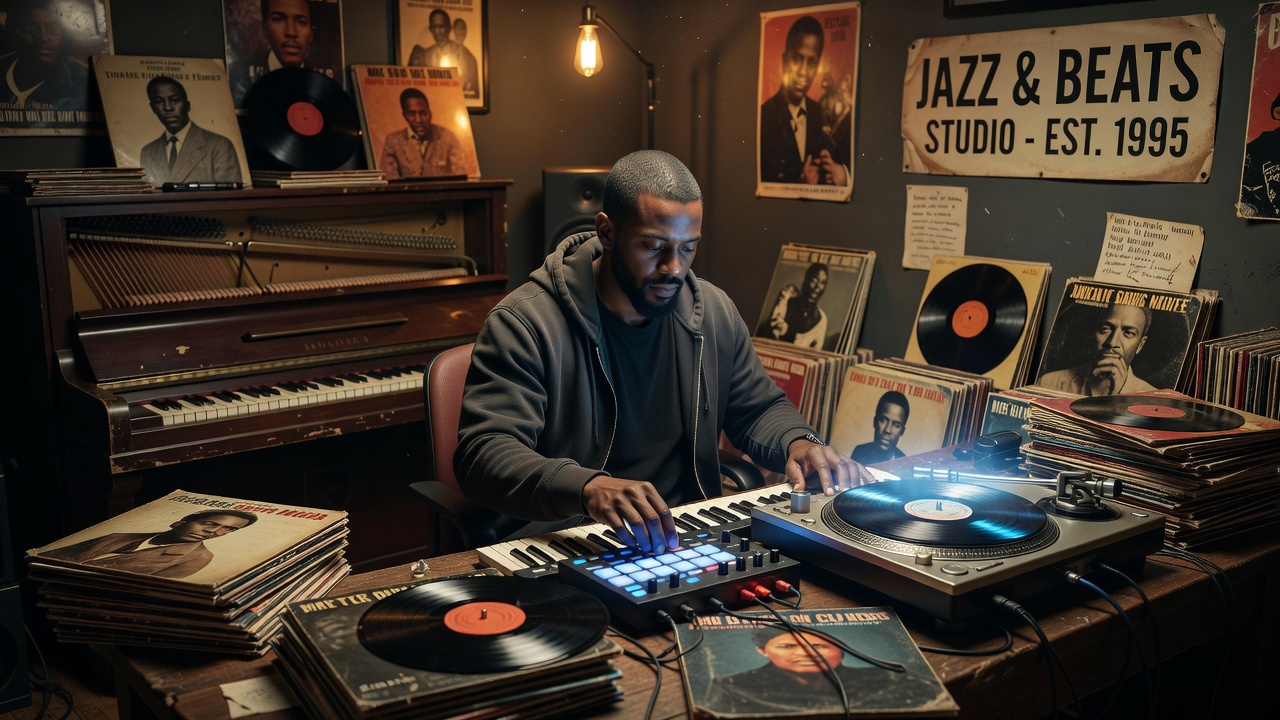
Jazz and hip hop share deep roots in improvisation, swing rhythms, and soulful expression that have shaped modern music for decades. This comprehensive guide explores how producers blend jazz essentials into hip hop beats, covering practical techniques that elevate tracks from basic loops to sophisticated compositions. Whether you're sampling vinyl records or crafting original chords in your DAW, understanding these elements unlocks creative fusion across music genres and helps you stand out in a crowded production landscape. The interplay between jazz harmony and hip hop's rhythmic drive creates emotionally resonant beats that resonate with listeners seeking depth beyond standard trap or boom-bap patterns.
Rock history crossovers appear frequently in this fusion, as artists like The Roots and Kendrick Lamar draw from both jazz and rock influences to create layered, narrative-driven beats. We'll break down chord progressions, sampling methods, and real-world examples to help you produce original music that honors tradition while innovating for today's audiences. By the end of this guide, you'll have actionable steps to identify jazz structures and apply them effectively in your own productions.
Understanding Core Jazz Structures for Hip Hop Beats
Key Chord Progressions and Their Application
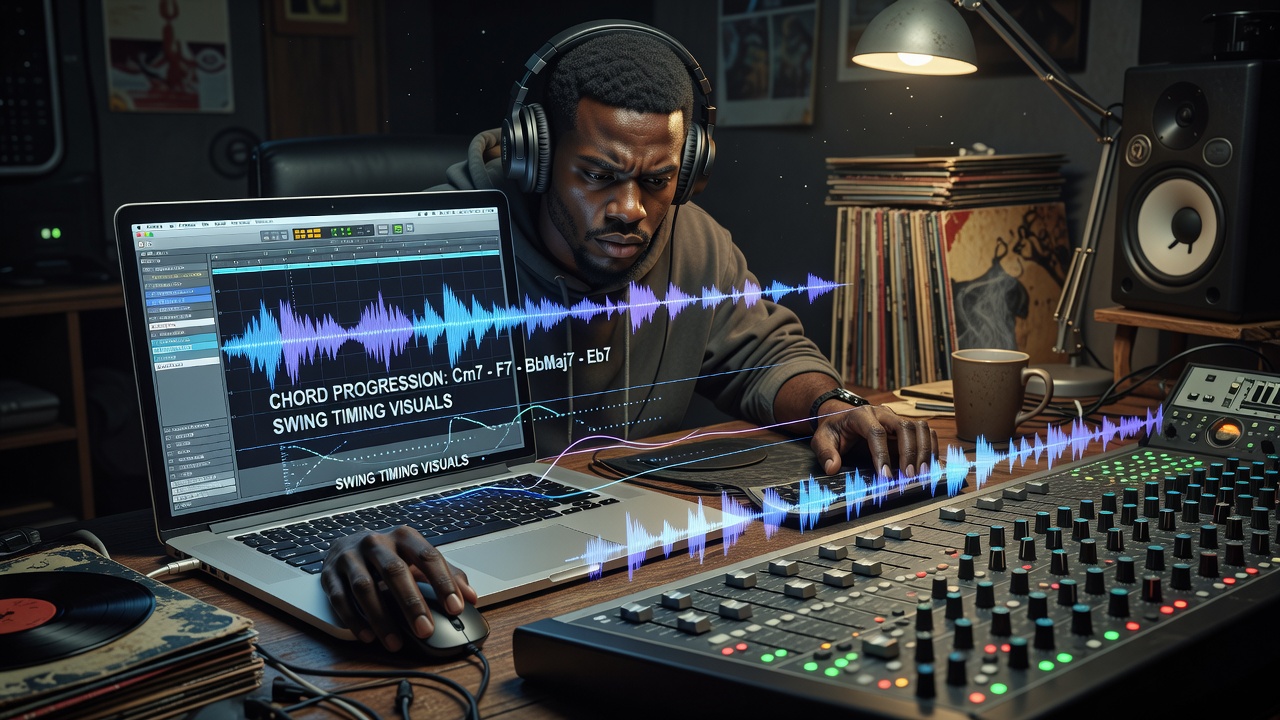
Jazz often relies on foundational ii-V-I progressions and extended chords like major 7ths, dominant 9ths, and minor 11ths that add rich color and tension. In hip hop production, these chords create moody, atmospheric backdrops that support intricate rhymes and melodic hooks. For example, producers frequently adapt the classic ii-V-I from standards like "Autumn Leaves" into a hip hop context by slowing the harmonic rhythm and pairing it with a heavy 808 bass line or vinyl crackle textures.
Step-by-step process for implementation: First, load a jazz piano sample or virtual instrument into your DAW. Second, isolate the chord changes using MIDI or audio editing tools. Third, adjust the tempo to 85-95 BPM to match classic hip hop feels while preserving the natural swing. Fourth, add filtered bass and subtle percussion layers to lock the groove. Fifth, experiment with inversions and voice leading to avoid muddiness when drums enter. This approach ensures the jazz elements enhance rather than overwhelm the beat.
Sampling Methods and Technical Considerations
Effective sampling preserves the organic warmth of jazz recordings while fitting hip hop's quantized grid. Techniques include chopping loops at swing points, time-stretching without artifacts, and pitching down samples by two to four semitones for added depth and low-end presence. Always start by identifying the source material's key and tempo before manipulation to maintain musical coherence.
Practical tips include using high-quality vinyl rips or licensed sample packs, applying gentle compression to glue elements together, and layering live instrumentation like upright bass or muted trumpet over sampled jazz piano. Explore sampling databases to trace influences from legendary producers like J Dilla and Madlib, who mastered jazz-hip hop integration through meticulous crate digging and creative rearrangement.
Producer Case Studies and Classic Versus 2026 Track Comparisons
Classic examples include Pete Rock's soulful jazz loops on "They Reminisce Over You (T.R.O.Y.)," where he layered saxophone and piano samples over crisp drums. In contrast, 2026 productions often feature live jazz ensembles fused with trap-influenced 808s and rapid hi-hat patterns, as heard in recent collaborations between jazz pianists and rising rappers. These modern tracks emphasize real-time improvisation captured during studio sessions, differing from the loop-based methods of the 1990s.
Another case study is Madlib's work on "Madvillainy," where he chopped jazz records into abstract collages. Today's producers build on this by incorporating digital modeling of vintage instruments alongside actual acoustic recordings. Rock history crossovers add another dimension, with guitar textures from classic rock bands integrated into hip hop beats to create hybrid grooves that bridge generations and appeal to diverse playlists.
Step-by-Step Breakdown: Identifying and Applying Jazz in Beats
- Analyze a jazz track for swing feel and harmonic movement using spectral analysis plugins to visualize frequency content and timing nuances.
- Extract melodic phrases and reverse-engineer the underlying chord changes by playing along with a reference recording or using ear-training apps.
- Match tempo by stretching samples carefully, prioritizing groove preservation over exact BPM alignment to retain the human element of jazz performance.
- Layer hip hop drums with emphasis on kick-snare patterns that complement jazz off-beats, using sidechain compression to create pumping effects that drive the track forward.
- Apply targeted EQ and spatial effects to carve frequency space for vocals or additional live instruments, ensuring clarity across playback systems.
- Test the beat in different listening environments and iterate based on how the jazz elements interact with the overall mix.
Common Challenges and Solutions in Genre Fusion
- Tempo matching difficulties: Reference the original jazz recording's natural feel rather than forcing strict metronomic alignment; use groove extraction tools in your DAW to transfer swing to drums.
- Genre fusion pitfalls: Avoid overcrowding the mix with too many harmonic layers; prioritize space and let key jazz motifs breathe between rap verses.
- Copyright and clearance concerns: Clear samples through proper channels or recreate jazz elements using MIDI and virtual instruments for commercial releases to avoid legal issues.
- Balancing authenticity with innovation: Study both historical recordings and contemporary releases to find the sweet spot that feels fresh yet respectful.
FAQ
How do I match jazz swing to straight hip hop drums?
Use groove templates or humanize functions in your DAW to shift drum hits slightly off the grid, mimicking the triplet-based swing found in jazz drumming. Start with small adjustments of 10-20 milliseconds and refine by ear.
What are the main pitfalls when fusing jazz and hip hop?
Overusing complex extended chords can clash with rap flows and vocal delivery; begin with simpler triads or seventh chords and gradually introduce extensions as the arrangement develops. Poor sample quality or mismatched dynamics also derail the fusion.
Which artists best exemplify this blend?
Study Robert Glasper's genre-blending albums, Terrace Martin's productions for Kendrick Lamar, and Flying Lotus's electronic-jazz experiments. These creators demonstrate how jazz essentials enhance hip hop without losing either genre's core identity.
Can beginners start with free tools for jazz sampling?
Yes, many DAWs offer built-in sampling features, and free plugins for EQ and compression allow experimentation. Focus first on listening and analyzing before investing in paid sample libraries.
Conclusion
Integrating jazz essentials into hip hop production rewards patient experimentation, attentive listening, and a willingness to blend historical influences with modern technology. Apply these detailed techniques, chord strategies, and case study insights to craft beats that honor both jazz and hip hop traditions while pushing creative boundaries in today's evolving music landscape. The result will be original, professional-sounding tracks that connect emotionally with listeners across genres.

No comments yet. Be the first!