 Instrumentiverse
Introduction: The Evolution of Electronic-Rock Hybrids in 2026
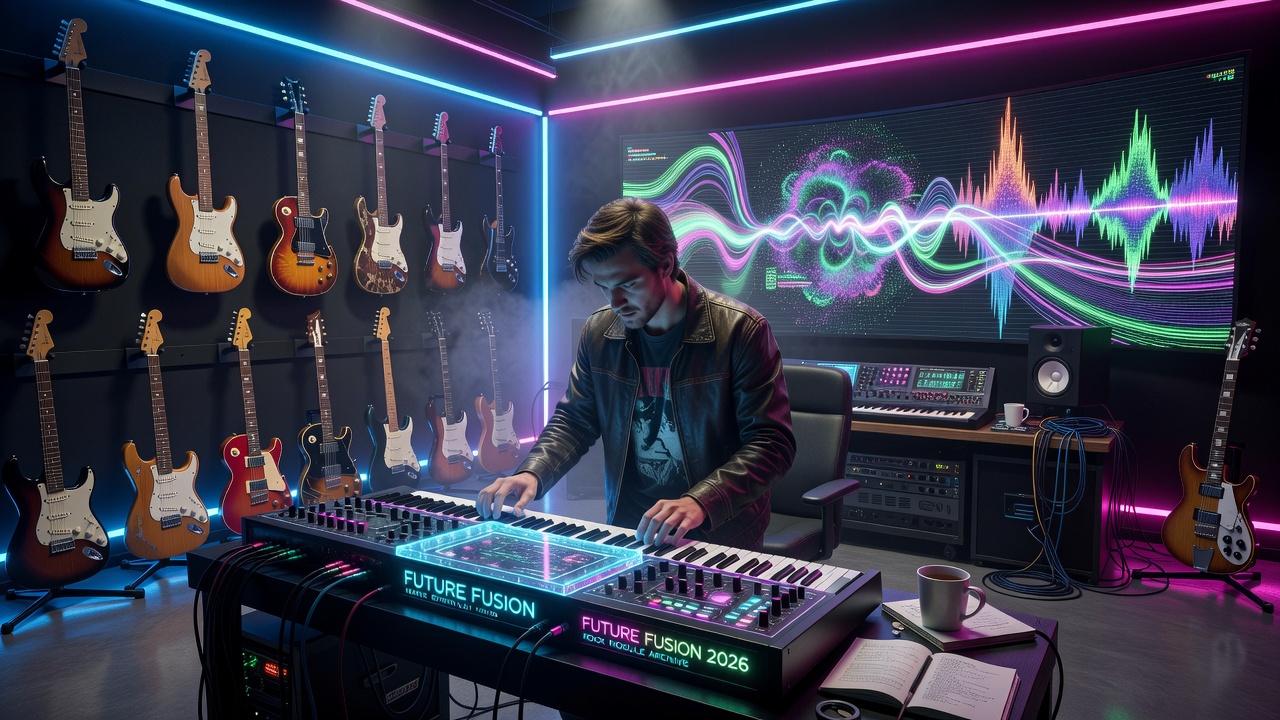
Electronic music continues to evolve by drawing from rock history, creating innovative sounds that resonate with modern audiences. Producers in 2026 are increasingly fusing synth-driven beats with classic rock elements to stand out in a crowded market. This approach satisfies search intent around genre evolution by offering both creative inspiration and actionable techniques. Rock's raw energy—think distorted guitars and driving rhythms—pairs naturally with electronic textures, resulting in tracks that feel timeless yet forward-looking. Hip hop's rhythmic complexity and jazz's improvisational flair further enrich these blends, adding depth for advanced producers seeking to create distinctive 2026 sounds.
The fusion of electronic music with rock history is not entirely new, yet recent advancements in digital audio workstations and plugin technology have made it more accessible and refined than ever. By examining how producers adapt elements like iconic riffs, drum patterns, and guitar samples, we uncover methods that elevate hybrid tracks beyond simple mashups into cohesive artistic statements.
Iconic Rock Riffs Adapted to Synths
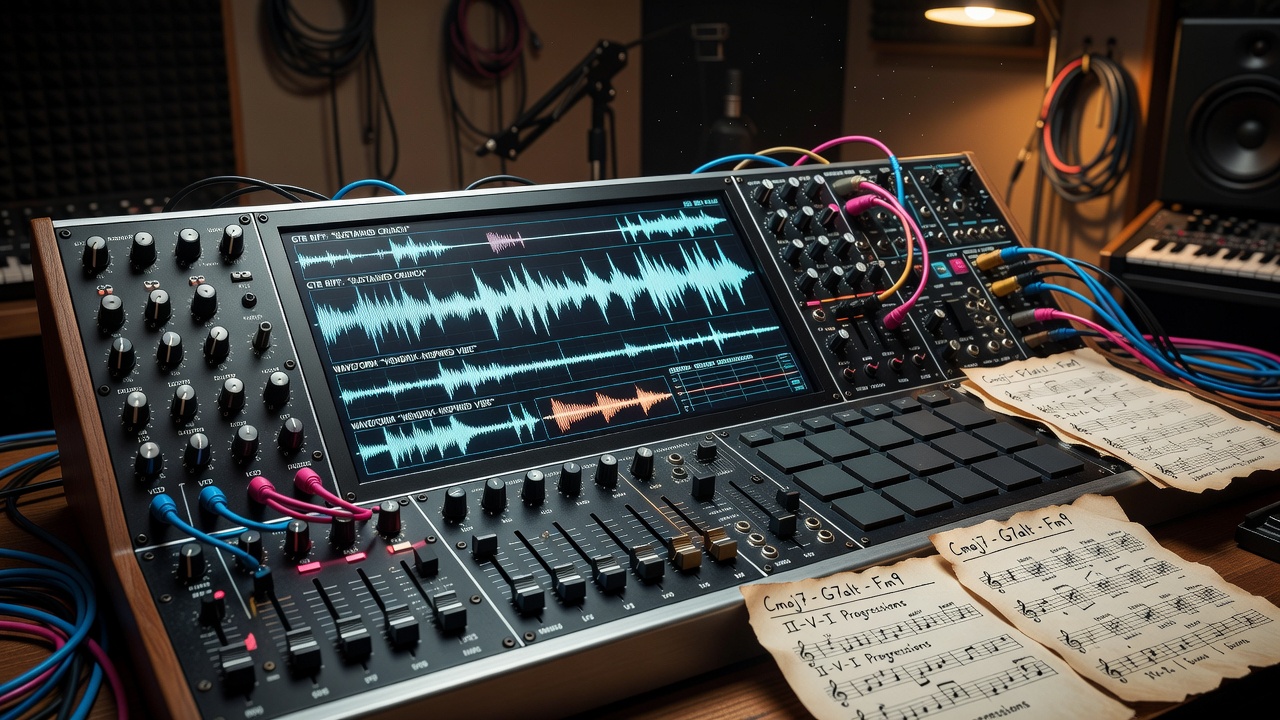
Classic rock riffs from bands like Led Zeppelin or AC/DC can be reimagined using synthesizers. Start by sampling a riff and processing it through granular synthesis to create ethereal pads or aggressive leads. This technique preserves the riff's melodic contour while transforming its timbre. Advanced producers often use tools like Serum or Massive X to resynthesize guitar tones, applying formant shifting to give them an otherworldly quality suitable for electronic arrangements. When hip hop elements are introduced, these adapted riffs can be chopped and sequenced in a manner reminiscent of boom-bap sampling techniques, adding syncopated rhythms that contrast with straight rock phrasing. Jazz essentials come into play through the addition of extended harmonies, where producers overlay minor seventh chords or altered scales over the riff's foundation to introduce unexpected tension and release.
Emerging artists such as those on independent labels are layering these adapted riffs over 808 basslines, creating hybrid anthems that bridge generations. Real-world examples include tracks that reinterpret the opening riff from "Smoke on the Water" as a modulated wavetable synth line, paired with trap-influenced percussion for a fresh 2026 edge.
Drum Patterns: Bridging Rock and Electronic Beats
Rock drum patterns emphasize live energy with powerful kicks and crashing cymbals. In electronic production, these are quantized and augmented with electronic percussion. Try programming a rock-inspired backbeat in your DAW, then add swing and velocity variations for a human feel. Specific patterns might involve a four-on-the-floor kick combined with off-beat snare hits reminiscent of classic rock tom fills, but layered with electronic claps and side-chained compression to glue them into the mix. Hip hop influences appear when producers insert rapid hi-hat rolls or ghost notes drawn from boom-bap traditions, creating polyrhythms that keep listeners engaged. Jazz drumming concepts, such as swung eighth notes or ride cymbal patterns, can be emulated digitally to add organic swing to otherwise rigid electronic grids.
This hybrid drumming approach allows for dynamic builds where rock power meets electronic precision, resulting in grooves that support both dancefloor energy and head-nodding introspection.
Guitar Samples in Modern Hybrid Tracks
Guitar samples provide organic texture to electronic arrangements. Record or license real guitar takes and process them with effects like delay and reverb to fit synth-heavy contexts. Jazz influences shine here through extended chords and modal improvisation applied to sampled riffs. Producers might start with clean DI recordings of power chords, then route them through amp simulators before applying granular effects or spectral processing. Hip hop production techniques encourage time-stretching samples to match electronic tempos while preserving attack transients for punch. The result is a layered sound where guitar textures interact with synth arpeggios, creating evolving sonic landscapes.
Practical Steps for Layering These Elements
- Choose a rock reference track and isolate key elements like the main riff or drum loop using stem separation tools such as those in iZotope RX.
- Import into your DAW and match tempo to your electronic project, adjusting pitch if necessary to align with your key signature.
- Apply synth processing to riffs while retaining core melody—experiment with oscillator sync and filter envelopes for movement.
- Layer drums with electronic transients for punch, using parallel compression on the rock elements to match the electronic side's clarity.
- Add hip hop or jazz samples for additional rhythmic or harmonic interest, such as chopped vocal chops or modal keyboard stabs.
- Automate filters and effects to build tension and release, incorporating sidechain ducking tied to the kick for dancefloor compatibility.
- Reference the full mix on multiple systems and make iterative EQ cuts to prevent frequency clashes between guitar mids and synth highs.
- Export stems for collaboration, ensuring each hybrid element remains editable for further refinement.
Real-World Track Examples from Emerging Artists
Artists like those featured on platforms such as Rolling Stone showcase these fusions in recent releases. Tracks often combine 70s rock riffs with contemporary synth arpeggios, delivering fresh energy. For instance, underground producers have released singles that blend Black Sabbath-style doom riffs with acid house sequences, while others incorporate jazz-fusion guitar solos processed through granular delays over hip hop breakbeats. These examples demonstrate how the hybrid approach yields commercially viable yet artistically adventurous results in 2026.
Traditional Electronic vs Hybrid Approaches
Traditional electronic music relies on purely synthetic sounds for clean, precise results. Hybrid methods introduce rock's unpredictability, leading to more dynamic arrangements. The hybrid path often yields greater emotional impact but requires careful mixing to avoid muddiness. In comparison, pure electronic tracks may achieve faster workflow but lack the tactile warmth that live guitar samples or rock-derived drum feels provide. Producers report that hybrid projects benefit from extended arrangement sections where rock builds contrast with electronic breakdowns, creating narrative arcs within a single track.
Common Pitfalls to Avoid
- Overloading the mix with too many layered elements, which leads to a cluttered frequency spectrum and reduced clarity.
- Ignoring phase issues when combining live guitar samples with synths, causing cancellation and thin-sounding results.
- Neglecting genre balance, which can alienate core listeners from either electronic or rock communities.
- Skipping reference tracks during the creative process, resulting in arrangements that drift without clear direction.
- Failing to account for dynamic range differences between rock transients and electronic compression standards.
- Over-relying on presets without customization, diluting the unique fusion potential.
FAQ: Beginner Questions on Genre Blending
How do I start blending genres without sounding forced?
Begin with small experiments, such as adding a single rock sample to an existing electronic beat, then refine based on what feels cohesive. Listen critically and iterate.
What tools work best for this fusion?
Popular DAWs like Ableton Live or FL Studio excel at layering, with plugins for guitar simulation enhancing authenticity. Consider spectral processors for advanced sound design.
Can jazz elements enhance rock-electronic hybrids?
Absolutely—jazz chords and swing rhythms add sophistication, especially when integrated thoughtfully with hip hop grooves for richer harmonic movement.
How important is tempo matching in these blends?
Tempo matching is crucial to maintain groove integrity; use warping tools to align rock loops precisely with electronic grids while preserving feel.
What are the best reference tracks for learning this style?
Study works from artists who have successfully crossed genres, and cross-reference production articles on sites like Sound on Sound for technical insights.
Conclusion
By thoughtfully incorporating rock history into electronic productions, artists craft compelling 2026 sounds that honor the past while pushing boundaries. Experiment boldly, reference established works from sources like NPR Music, and refine your approach for professional results that stand the test of time.

No comments yet. Be the first!