 Instrumentiverse
Introduction: Blending Rock History and Jazz into Modern Hip Hop
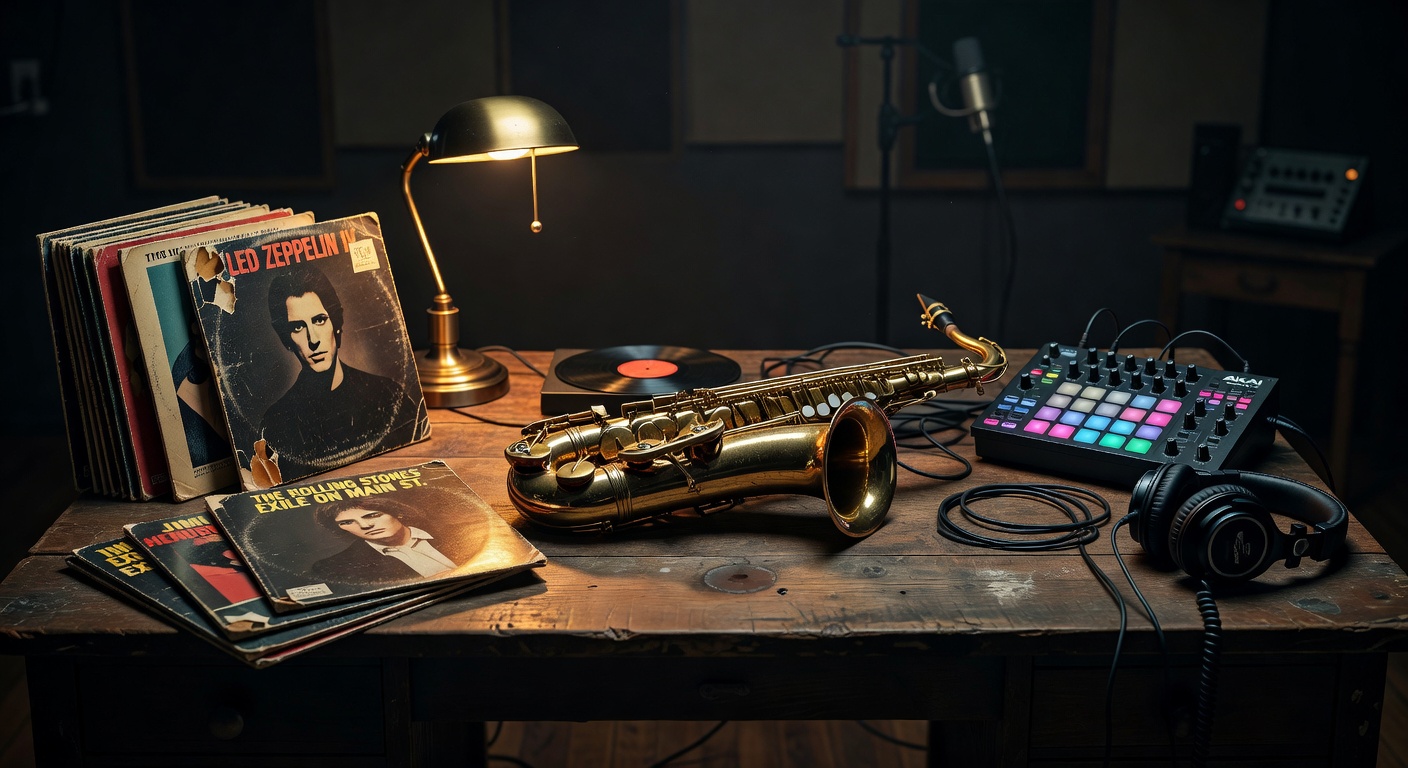
In 2026, hip hop producers are increasingly turning to rock history and jazz fundamentals for inspiration that goes beyond surface-level fusions. This approach unlocks unique rhythmic textures, harmonic depth, and creative sampling opportunities that differentiate beats in a crowded market. Rather than direct genre mashups, the focus lies on extracting core elements and reinterpreting them through hip hop production techniques such as chopping, layering, and re-pitching. Whether you are sampling vintage recordings or emulating live feels with software instruments, understanding these influences opens doors to innovative sound design that resonates with listeners seeking something fresh yet rooted in tradition.
This guide provides actionable steps, real-world artist examples, side-by-side comparisons, and tools to integrate these ideas into your workflow. By studying rock's milestones and jazz's expressive qualities, you can build beats that feel both timeless and contemporary. Producers who master these cross-genre ideas often find their music stands out on playlists and streaming platforms because of the added emotional and rhythmic complexity.
Foundational Rock Milestones That Shape Hip Hop
Rock music's evolution from the 1950s onward offers rhythmic drive and guitar textures that translate powerfully into hip hop drums and loops. Key milestones include the raw energy of early rock 'n' roll pioneered by artists like Chuck Berry, the psychedelic experimentation of the late 1960s with bands pushing boundaries through effects and extended solos, and the punk attitude of the 1970s that emphasized minimalism, speed, and rebellious attitude. These eras provide a wealth of sonic material for modern producers to draw upon without copying entire genres.
Producers can draw from these eras by studying how rock guitar riffs create tension and release through simple yet powerful chord progressions and distorted tones. For instance, the driving backbeat in classic rock tracks provides a foundation for layering boom-bap drums or trap hi-hats while maintaining a sense of forward momentum. Reinterpreting these milestones means focusing on attitude and energy rather than literal replication, allowing hip hop to absorb rock's rebellious spirit and apply it to contemporary themes. This method has proven effective in creating beats that feel energetic and culturally resonant across decades.
Core Jazz Elements: Improvisation and Swing
Jazz's greatest gifts to hip hop lie in improvisation and swing rhythm, both of which add a human, unpredictable quality to otherwise rigid electronic productions. Improvisation encourages producers to treat beats as living compositions, leaving space for vocalists or featured instruments to breathe and interact dynamically. Swing, characterized by its uneven eighth-note feel where the second note in each pair is delayed, adds groove that straight quantization often lacks and helps emulate the organic push and pull found in live jazz ensembles.
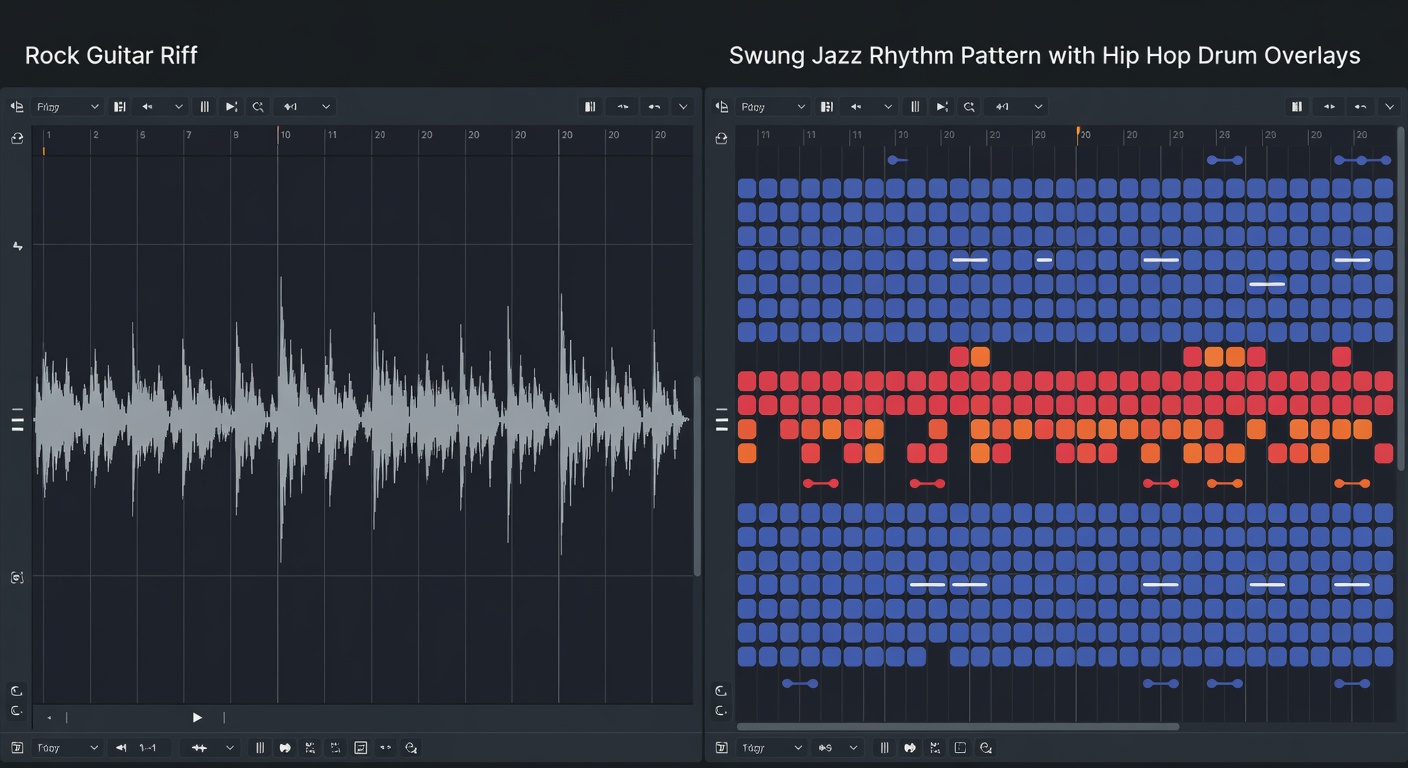
To incorporate swing, adjust your DAW's groove templates or manually offset hi-hat placements by 10-20 milliseconds while experimenting with velocity variations to mimic a drummer's natural inconsistencies. This creates that elusive pocket heard in classic jazz recordings. Improvisation translates to production by recording live takes of melodies or drum fills instead of relying solely on loops, allowing for happy accidents that become signature elements. Additional jazz elements like blue notes, complex chord extensions, and call-and-response patterns can be layered subtly to enrich harmonic content without overpowering the hip hop foundation.
Sound Palette Comparisons
Rock often features distorted guitars, powerful drums, and straightforward chord progressions that convey raw power, while jazz emphasizes acoustic instruments, complex harmonies, and dynamic rhythms that prioritize expression and interaction. Hip hop sits in between with heavy low-end focus, sampled textures, and repetitive motifs designed for club and car playback. Understanding these palettes helps producers make informed decisions about which elements to borrow and how to adapt them.
- Rock palette: Bright, aggressive mids from guitars; punchy snares with long decays; emphasis on riff-based structures.
- Jazz palette: Warm upright bass lines; brushed or swung drums; rich piano voicings and horn stabs with room for improvisation.
- Hip hop reinterpretation: Layer rock guitar samples over swung jazz basslines with 808s for modern weight; blend vinyl warmth with digital clarity.
These comparisons reveal opportunities for hybrid sounds that feel cohesive yet innovative.
Practical Steps to Sample and Reinterpret
Follow these detailed steps to integrate rock and jazz into your hip hop productions effectively:
- Source high-quality recordings from public domain archives or cleared libraries, focusing on isolated stems like individual guitar tracks or horn sections to give yourself maximum flexibility during editing.
- Chop jazz horn stabs or rock guitar licks into one-shot samples using precise editing tools, then map them across a MIDI keyboard for real-time performance and variation.
- Apply swing quantization to your drum patterns and layer with hip hop drum kits, paying close attention to transient alignment so elements lock together rhythmically.
- Use EQ and multiband compression to carve space for the low-end typical in hip hop while preserving the midrange character of rock and jazz sources.
- Record live improvisation on MIDI keyboards or even acoustic instruments if available to capture organic phrasing that software alone cannot replicate.
- Test your final arrangement against reference tracks in the same tempo range, making micro-adjustments to timing and effects until the blend feels natural and intentional.
Always test your samples in full context with a reference track to maintain genre authenticity while pushing creative boundaries. This systematic approach minimizes frustration and maximizes the unique character each borrowed element brings to your beat.
Real-World Examples from Influential Artists
Artists like J Dilla drew heavily from jazz phrasing in his off-kilter beats, using swung rhythms and imperfect timing to create emotional depth on albums such as Donuts. Producers such as Madlib have sampled rock and jazz extensively, often combining obscure vinyl finds with modern drum programming to craft genre-defying tracks. More recent examples include Kendrick Lamar's collaborations that echo jazz improvisation within hip hop structures, particularly on projects featuring live instrumentation and spontaneous-feeling arrangements. These cases show how selective borrowing creates timeless tracks without forcing unnatural blends, offering clear models for emerging producers to study and adapt.
Playlist Recommendations for Inspiration
Build a reference playlist with tracks like Miles Davis' Kind of Blue for swing concepts and modal exploration, Led Zeppelin's early albums for rock energy and riff construction, and classic hip hop like A Tribe Called Quest for successful integrations of jazz samples into rap contexts. Additional recommendations include Herbie Hancock's fusion-era work for rhythmic complexity and OutKast's innovative use of live-feeling elements. Stream these on platforms and analyze the rhythmic interplay, paying special attention to how each genre handles space, dynamics, and repetition.
Production Tips to Keep Beats Fresh
Experiment with vinyl crackle effects on jazz samples to add warmth and nostalgia that contrasts nicely with crisp digital drums. Use sidechain compression triggered by your kick drum to let rock guitar elements breathe without clashing in the low-mids. Avoid over-quantizing to preserve the human feel central to both rock and jazz traditions. Additional techniques include parallel processing on bass lines to retain jazz warmth while adding hip hop punch, and automating filter sweeps on sampled riffs to create movement and interest throughout longer tracks.
FAQ: Common Blending Challenges
How do I avoid sounding like a direct fusion? Focus on small, targeted elements rather than entire sections and always filter or process sounds to fit the hip hop aesthetic.
What if swing clashes with my 808s? Adjust swing percentages gradually and high-pass the bass to maintain clarity while preserving low-end impact.
Where can I learn more about music theory? Explore resources at MusicTheory.net for foundational concepts that support advanced applications.
Are there copyright concerns with sampling? Review guidelines from The Recording Academy for best practices on clearance and fair use.
How can I find suitable source material quickly? Check archives and music history overviews at Rolling Stone for curated recommendations and context.
Conclusion
By mining rock history and jazz essentials thoughtfully, hip hop producers in 2026 can craft beats that feel both nostalgic and forward-looking. The techniques outlined here encourage experimentation grounded in musical understanding rather than random trial and error. Apply these methods consistently in your sessions, refine through careful listening, and your productions will stand out with genuine creative depth that connects across listener generations.

No comments yet. Be the first!