 Instrumentiverse
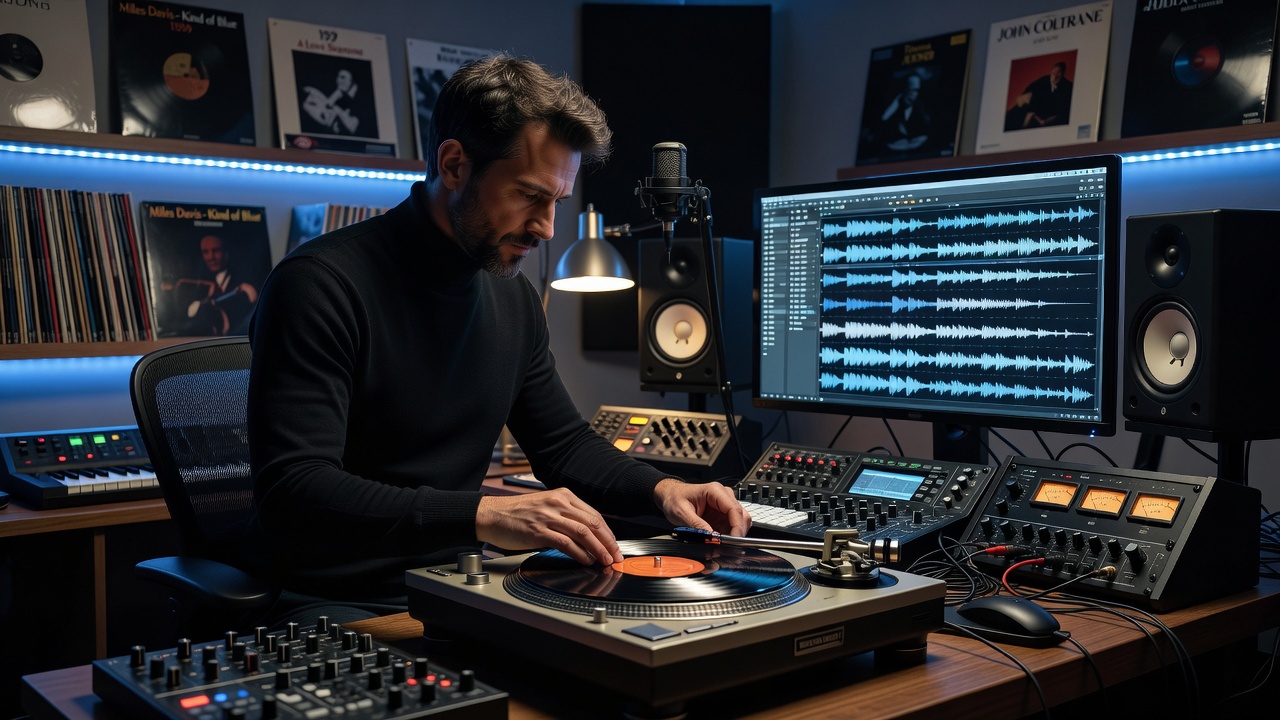
Introduction to Advanced Jazz Sampling in Electronic Music
Producers in 2026 are pushing boundaries by integrating jazz essentials into electronic tracks through precise sampling techniques. This guide focuses on practical workflows for selecting, chopping, and transforming jazz recordings into fresh sound palettes that fuse with modern beats and textures. Rather than relying on basic loops, advanced creators explore micro-editing, spectral manipulation, and hybrid layering to achieve distinctive results that stand apart from mainstream trends.
The search intent behind this topic centers on actionable steps for genre fusion. Producers want concrete examples using real jazz standards, detailed processing chains, and guidance on maintaining musicality while adapting to electronic contexts. This article delivers those elements with step-by-step instructions, expanded processing advice, and decision-making frameworks.
Selecting Iconic Jazz Tracks for Effective Chops
Choosing source material starts with identifying jazz standards that offer rich harmonic movement and rhythmic complexity. Tracks like Miles Davis' "So What" provide modal structures ideal for slicing into atmospheric pads. Similarly, Dave Brubeck's "Take Five" delivers a 5/4 time signature that yields intriguing off-kilter loops when processed. Additional strong candidates include "Autumn Leaves" for its cyclical chord changes and "Blue Bossa" for its Latin-tinged swing that translates well into downtempo electronic beats.
Focus on recordings with clear instrumental separation, such as piano solos from Bill Evans or saxophone lines from John Coltrane. High-resolution reissues from the 1950s and 1960s often yield cleaner transients for manipulation in digital audio workstations. When selecting vinyl or digital transfers, prioritize versions with minimal surface noise or compression artifacts so that subsequent processing remains transparent.
Step-by-Step Chopping Workflow with Jazz Standards
Begin by importing a selected jazz track into your DAW. Use spectral editing tools to isolate a four-bar piano phrase from "So What." Slice at natural decay points to preserve organic feel while creating individual hits. Set markers on transient peaks and use zero-crossing detection to avoid clicks.
Next, apply time-stretching algorithms to match your project tempo without artifacts. Pitch-shift select chops down a minor third to create darker tonal centers suitable for electronic contexts. Layer subtle saturation to add warmth reminiscent of analog tape. For "Take Five," extract the iconic drum pattern and quantize lightly to retain swing while aligning with grid-based electronic sequences. Process individual slices through granular synthesis for evolving textures that shift across the stereo field.
Further refine by exporting small regions and reloading them as one-shot samples in a sampler instrument. Map velocity layers so softer hits trigger quieter, more intimate jazz fragments while harder velocities introduce processed, filtered versions.
Advanced Processing Techniques
After initial chopping, apply targeted EQ to carve space for electronic elements. Cut low-mids around 250-400 Hz on piano chops to prevent muddiness when combined with sub-bass. Boost air frequencies above 8 kHz on saxophone lines for added sparkle without harshness. Use multiband compression to tame dynamic swings while preserving the expressive phrasing inherent in jazz performances.
Convolution reverb with custom impulse responses from jazz clubs can place samples in realistic acoustic spaces. Parallel processing chains allow one path to remain dry and intimate while another receives heavy delay and modulation for rhythmic interest.
Layering Jazz Chops with Hip-Hop Rhythms
Combine chopped jazz elements with boom-bap drum patterns by placing kick and snare hits beneath sustained piano chords. Use sidechain compression triggered by the kick to allow jazz textures to breathe dynamically. Experiment with swing percentages between 55% and 65% on electronic drums to complement the natural triplet feel of jazz sources.
Incorporate swung hi-hats from classic hip-hop breaks at 85-95 BPM. Automate filter cutoffs on jazz saxophone chops to create call-and-response effects against vocal samples or synth stabs. For added depth, duplicate jazz piano regions and offset them by one sixteenth note, then apply low-pass filtering to create subtle movement.
Blending Rock History Textures for Unique Sound Design
Introduce rock-derived grit by routing jazz piano chops through amp simulation plugins modeled after 1970s tube gear. This adds harmonic distortion that contrasts the smooth jazz source material. Layer distorted electric guitar textures from rock archives under basslines derived from upright bass recordings. Use convolution reverb with impulse responses from vintage recording studios to unify the hybrid sonic space.
Additional techniques include running jazz cymbal hits through guitar pedal emulations for metallic resonance and blending them with electronic noise bursts. These combinations create tension and release that feel fresh in 2026 productions.
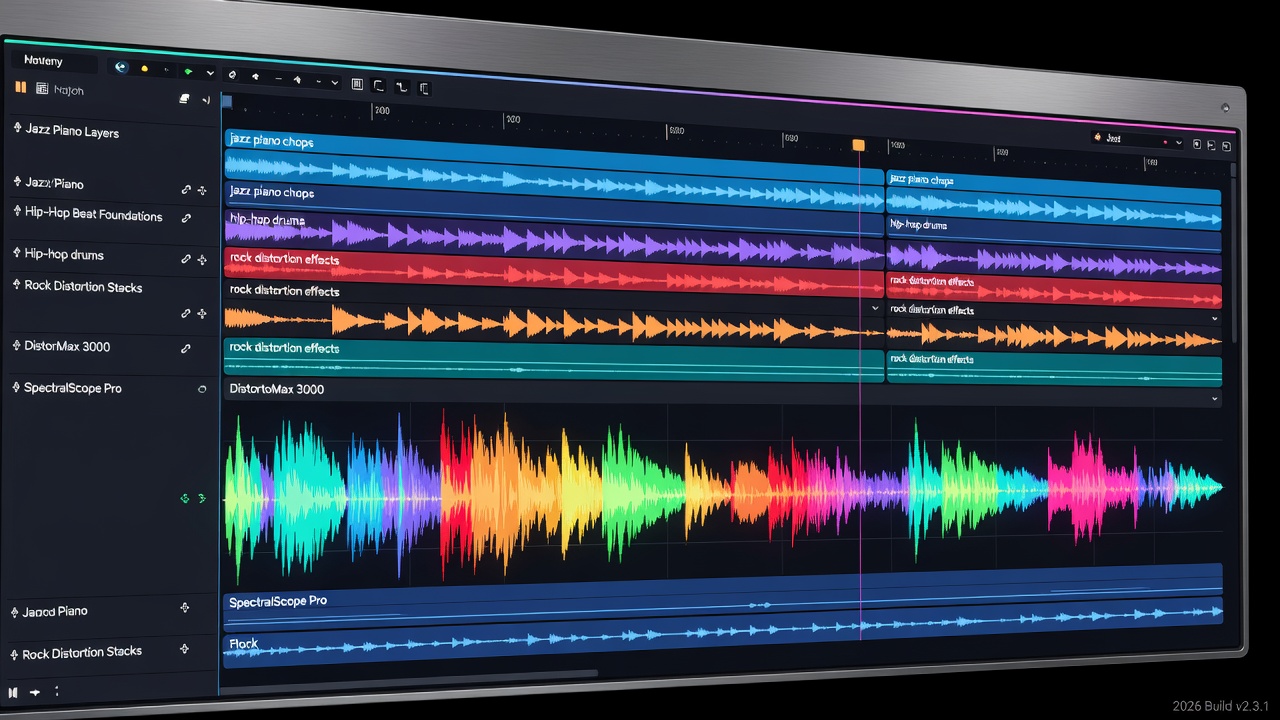
Innovative 2026 Production Tools
Current tools include AI-assisted stem separation software that isolates jazz instruments with greater precision than earlier versions. Spectral morphing plugins allow seamless blending between jazz chops and electronic noise sources. Cloud-based collaboration platforms enable real-time sharing of processed sample libraries among producers, accelerating iterative sound design processes.
Many producers now integrate machine-learning-based groove matching to align jazz swing with programmed beats automatically. These tools analyze micro-timing variations and suggest quantization settings that retain human feel while fitting electronic grids.
Before-and-After Audio Comparison Examples
A raw four-bar section from a jazz standard sounds lush yet static. After chopping, pitching, and layering with hip-hop drums plus rock saturation, the result becomes a driving, atmospheric loop with forward momentum and depth suitable for full track arrangements. In one example, a Bill Evans piano phrase was transformed from a gentle ballad fragment into a pulsing mid-tempo groove by applying half-time processing and parallel distortion.
Common Mistakes to Avoid
- Over-quantizing jazz swing until it loses its characteristic push and pull.
- Applying excessive effects that bury the original harmonic richness of the source material.
- Ignoring phase alignment when layering multiple chopped regions, which can cause low-end cancellation.
- Selecting overly compressed modern reissues instead of dynamic original recordings.
Copyright Considerations FAQ
- How much of a jazz recording can I sample legally? Fair use guidelines vary by jurisdiction; consult U.S. Copyright Office resources for current details on transformative use.
- Do I need clearance for short chops? Even brief samples may require permission; consider royalty-free jazz sample packs or original recreations when possible.
- What about public domain recordings? Many pre-1929 jazz performances are public domain, but verify specific releases through library archives such as those at Library of Congress collections.
- Are there safe alternatives for commercial releases? Yes, many producers recreate jazz-inspired phrases using virtual instruments or hire session musicians to avoid clearance issues entirely.
Always document your sources and consider licensing platforms for commercial releases.
Conclusion
Advanced jazz sampling elevates electronic productions by merging sophisticated harmonic language with contemporary rhythms and textures. Apply these workflows methodically to develop distinctive tracks that stand out in 2026's competitive landscape. Consistent experimentation with chopping, layering, and processing will yield increasingly refined results over time.
No comments yet. Be the first!