 Instrumentiverse
Introduction: The Unexpected Jazz Renaissance Through Hip Hop
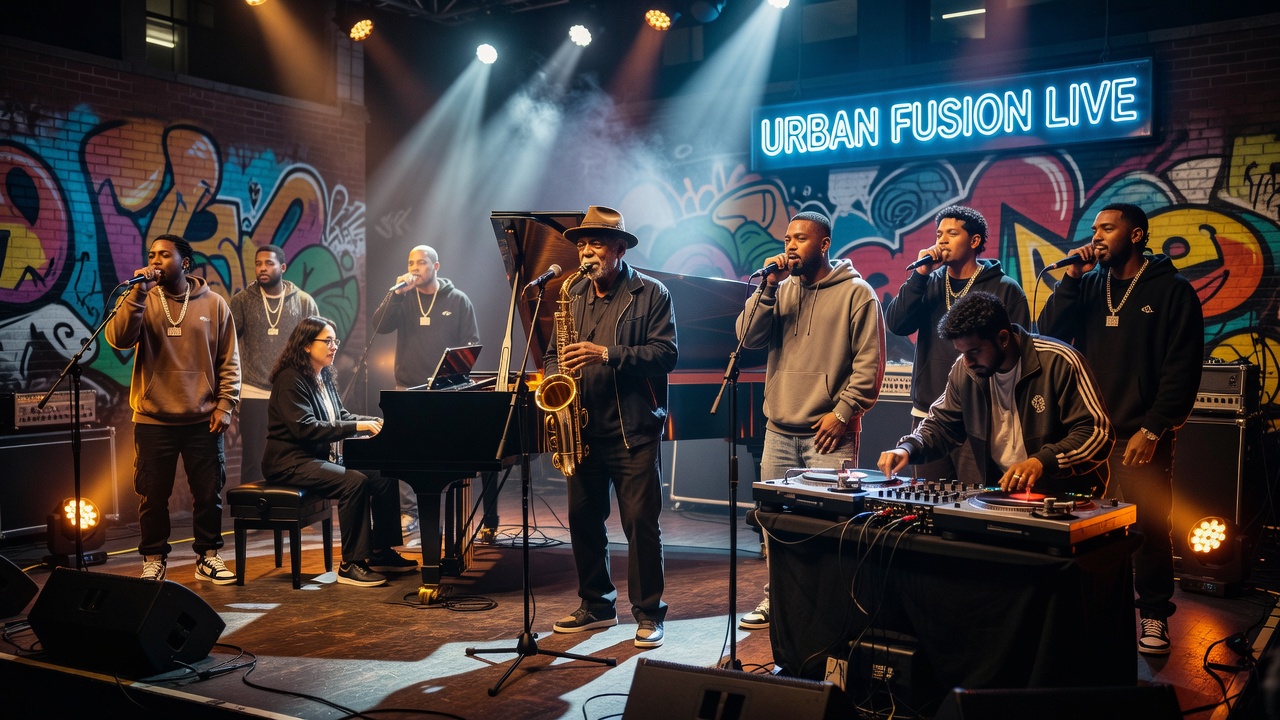
In 2026, music listeners continue to witness the powerful ripple effects of hip hop's embrace of jazz essentials. Far from a niche phenomenon, this revival has reshaped how new generations experience improvisation, swing rhythms, and harmonic complexity originally rooted in jazz. This case study explores the intersections without diving into production techniques, focusing instead on historical context, standout examples, and lasting listener benefits. Beginners exploring genre connections will find practical value in understanding these links. Hip hop's sampling and collaboration strategies have spotlighted jazz's core elements, making them accessible within mainstream playlists and live performances. The ongoing dialogue between these styles demonstrates music's ability to evolve while honoring foundational traditions, creating pathways for audiences who might otherwise overlook jazz's rich heritage.
Understanding this revival requires examining how hip hop artists have positioned jazz not as background influence but as a central pillar of creative expression. This approach has introduced jazz phrasing, chord progressions, and rhythmic nuances to listeners primarily familiar with contemporary urban sounds, fostering a broader appreciation that spans age groups and cultural backgrounds.
Historical Intersections with Rock and Broader Music History
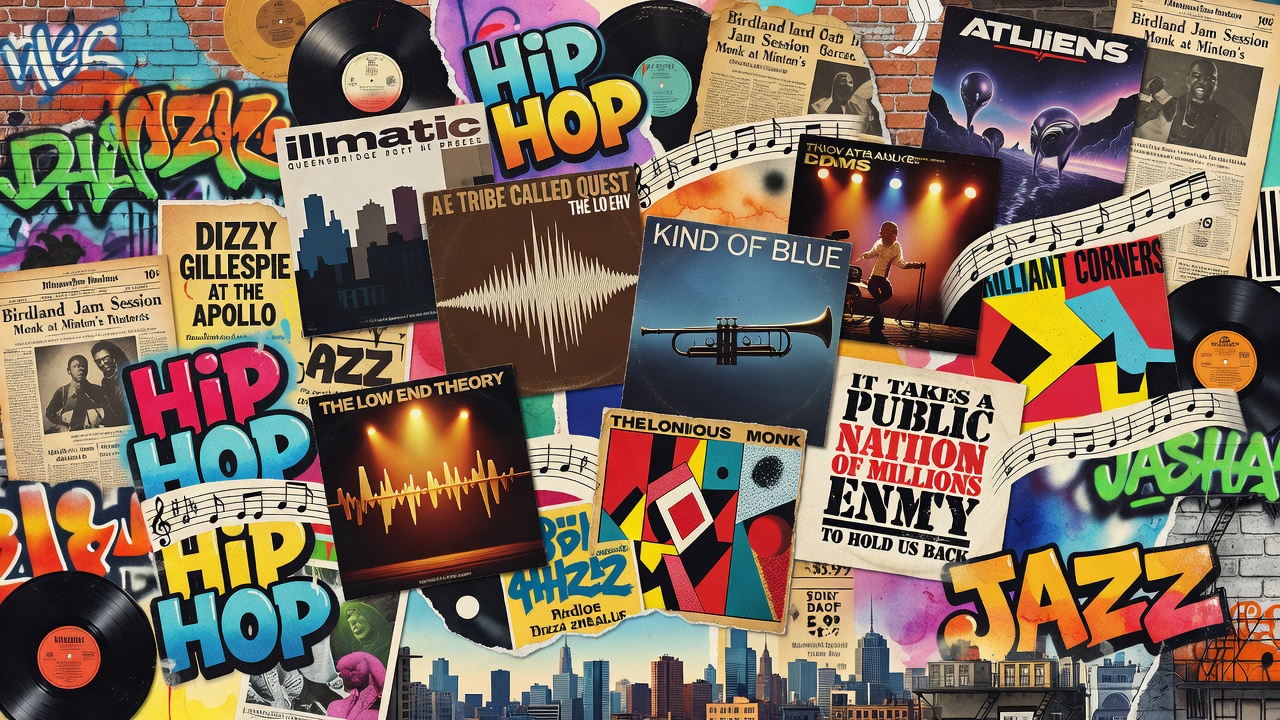
The story begins in the late 1980s and early 1990s when hip hop producers started drawing from jazz's rich catalog. This built upon earlier rock history experiments where artists blended jazz phrasing with electric guitars and backbeats. By the mid-1990s, the approach had evolved into full genre crossovers that introduced jazz standards to urban audiences worldwide. These connections demonstrate how musical traditions evolve through dialogue rather than isolation. Library of Congress music archives document numerous examples of jazz influencing popular forms across decades, providing essential context for today's listeners.
Rock's flirtations with jazz in the 1960s and 1970s laid groundwork for hip hop's later innovations. Bands incorporated extended solos and complex harmonies that echoed bebop and cool jazz eras. When hip hop emerged, it absorbed these precedents, adapting them to new rhythmic frameworks. The result was a layered history where each genre borrowed from predecessors while injecting fresh perspectives, ultimately sustaining jazz essentials in popular consciousness long after their initial heyday.
Key Artist Examples Driving the Revival
Several pioneering figures stand out in this narrative. Artists like A Tribe Called Quest incorporated jazz basslines and horn stabs into their work, creating timeless tracks that highlighted jazz's melodic sophistication. Later innovators such as Kendrick Lamar collaborated directly with jazz luminaries, bringing live improvisation to hip hop stages and recordings. Additional examples include Robert Glasper's fusion projects that bridge jazz ensembles with rap lyricists, and earlier contributions from groups like Gang Starr that featured jazz guitar and piano loops.
These partnerships extended beyond American borders, influencing global scenes where jazz fusion met hip hop beats. European and Asian artists have adapted similar strategies, creating localized crossovers that maintain jazz's improvisational spirit. The result has been a broadening of what audiences consider "essential" listening, encouraging beginners to explore both genres side by side. Each collaboration serves as a case study in mutual respect, where hip hop provides the platform and jazz supplies the depth that elevates the overall artistic statement.
Notable Tracks and Genre Crossovers
Iconic examples include tracks that sample classic jazz recordings while maintaining hip hop's narrative drive. Songs featuring live jazz ensembles alongside rap verses have become benchmarks for crossover success. These pieces illustrate how jazz essentials like syncopation and modal exploration enrich hip hop's storytelling without overshadowing it. Genre crossovers have also appeared in live settings, where festivals now routinely program joint bills featuring hip hop acts and jazz trios. This visibility helps demystify jazz for newcomers who might otherwise view it as inaccessible.
Further notable tracks span from the 1990s golden era through recent releases, showcasing consistent evolution. Live performances often highlight spontaneous interplay between MCs and jazz instrumentalists, creating moments of genuine musical conversation that captivate diverse crowds. Such events underscore the organic nature of these crossovers, proving that jazz essentials thrive when given contemporary contexts that resonate with modern audiences.
Cultural Impacts and Listener Benefits
The cultural ripple effects extend into education and community building. Young listeners gain appreciation for jazz's improvisational spirit through familiar hip hop gateways, leading to increased concert attendance and streaming of classic jazz albums. Benefits include enhanced musical literacy and a deeper sense of historical continuity in popular music. By spotlighting jazz essentials, hip hop has fostered inclusivity, allowing diverse audiences to connect with complex musical traditions on their own terms.
Practical listener benefits manifest in several ways. Exposure broadens taste palettes, improves critical listening skills through recognition of shared motifs, and encourages exploration of live music scenes. Communities have formed around these hybrid interests, resulting in discussion groups and online forums dedicated to tracing jazz influences in hip hop. This interconnectedness strengthens cultural appreciation and supports emerging artists who continue the tradition of blending styles thoughtfully.
Recommended Playlists for Beginners in 2026
To start exploring these connections, curate playlists around foundational crossovers. Begin with selections featuring A Tribe Called Quest and move into modern collaborations involving artists like Robert Glasper. Supplement with jazz classics that inspired the samples to trace the lineage fully. Streaming platforms offer ready-made mixes titled "Jazz Hop Essentials" or "Hip Hop Meets Jazz." These provide an ideal entry point, helping beginners build listening habits that span both worlds. Experiment by alternating tracks to notice shared rhythmic and harmonic traits.
- Start with mid-1990s hip hop tracks paired with their jazz source material for direct comparison.
- Include live recordings of joint performances to experience improvisation firsthand.
- Add contemporary releases from 2025-2026 that continue the dialogue between genres.
- Balance with pure jazz albums to understand the roots before returning to hip hop interpretations.
Listeners should dedicate time to active listening sessions, noting emotional responses and musical elements that stand out. This methodical approach maximizes educational value and enjoyment.
FAQ: Addressing Common Misconceptions
Is this just about sampling, or something deeper?
While sampling played an early role, the revival involves genuine artistic collaboration and reinterpretation that honors jazz traditions while expanding their reach. Modern examples emphasize live interaction and co-creation rather than static reuse of recordings.
Does hip hop dilute jazz's complexity?
Evidence from live performances and critical reception shows the opposite: hip hop often amplifies jazz elements by introducing them to broader demographics, preserving and evolving the essentials. Complexity remains intact through sophisticated arrangements that respect original structures.
Where should complete beginners start listening?
Focus on curated playlists that pair hip hop tracks with their jazz source material. This side-by-side approach clarifies connections quickly and enjoyably. Supplement with reading artist interviews and historical overviews for added context.
Will these crossovers continue beyond 2026?
Trends suggest ongoing evolution, with new generations of artists building on established foundations to keep jazz essentials vibrant in popular music. Festival lineups and collaborative albums indicate sustained interest and innovation.
How do these connections affect music education?
Educators increasingly incorporate hybrid playlists into curricula, using hip hop as an entry point to teach jazz theory and history. This strategy makes lessons more relatable and engaging for students unfamiliar with traditional jazz instruction.
In conclusion, hip hop's spotlight on jazz has created lasting bridges between genres. Beginners who engage with these case studies gain not only knowledge but also a richer, more connected musical experience moving forward. The revival continues to inspire new explorations that honor the past while embracing future possibilities in music appreciation.
No comments yet. Be the first!