 Instrumentiverse
Rock History Meets Hip Hop, Jazz & Electronic: Beginner Guide
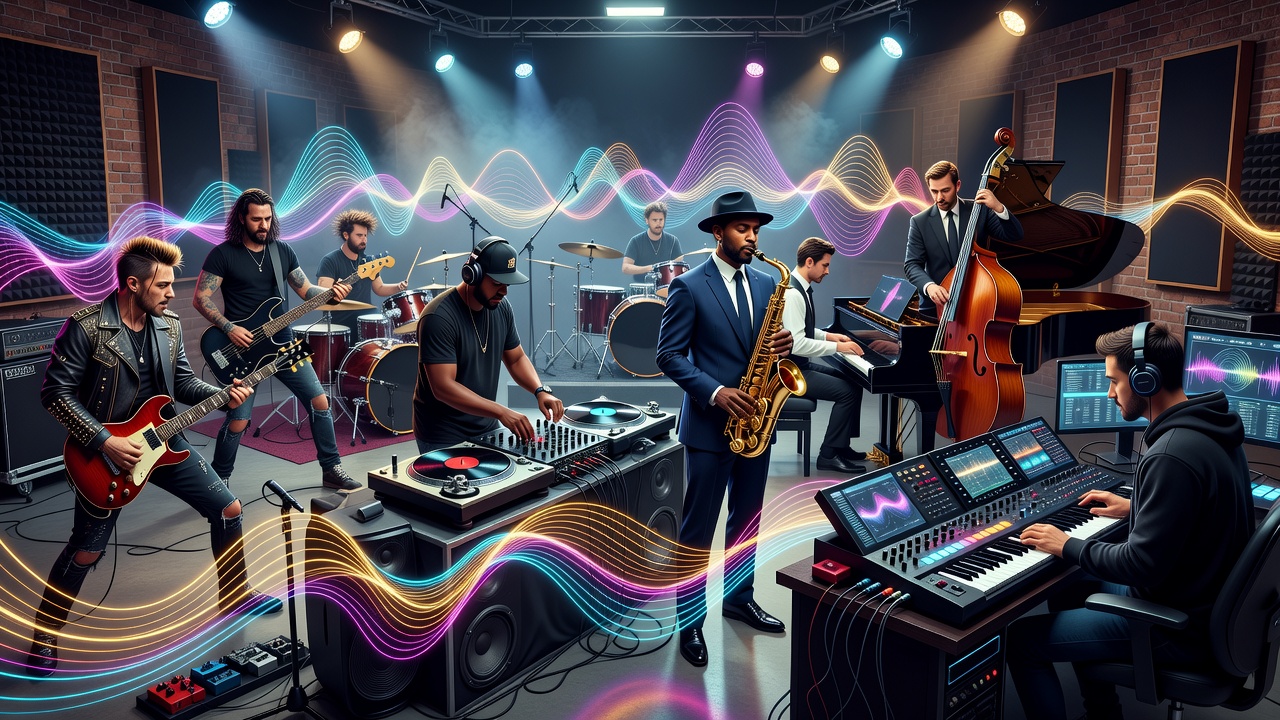
Music genres often share surprising roots even when they sound worlds apart. This guide uses rock history as a foundation to explore how hip hop rhythms, jazz essentials, and electronic textures connect through rhythm, improvisation, and innovation. Designed for beginners, it focuses on clear definitions, key milestones, listening examples, and simple ways to start mixing tracks from each style. Whether you are new to music exploration or looking to broaden your horizons, understanding these connections helps create richer listening experiences without needing advanced production knowledge.
Defining Traits of Each Genre
Rock music centers on electric guitars, driving drums, and energetic vocals. It emphasizes strong backbeats and memorable hooks that encourage sing-alongs and live energy. Bands often rely on verse-chorus structures that make songs instantly memorable. Hip hop builds around rhythmic spoken-word delivery called rapping, heavy bass lines, and sampled beats drawn from older recordings. The focus stays on storytelling, social commentary, and danceable grooves. Jazz highlights improvisation, complex chords, and swinging rhythms led by instruments like saxophone and piano. Performers frequently alter melodies on the spot, creating unique versions of standards during each performance. Electronic music relies on synthesizers, drum machines, and digital production to create layered soundscapes without traditional live instruments. It allows precise control over every sound element, from pulsing bass to ethereal pads. These traits overlap more than they differ. For instance, rock and hip hop both prize powerful rhythms that drive movement, while jazz and electronic music share a love for spontaneous or programmed improvisation that keeps listeners engaged throughout extended pieces.
Timeline Milestones in Rock History
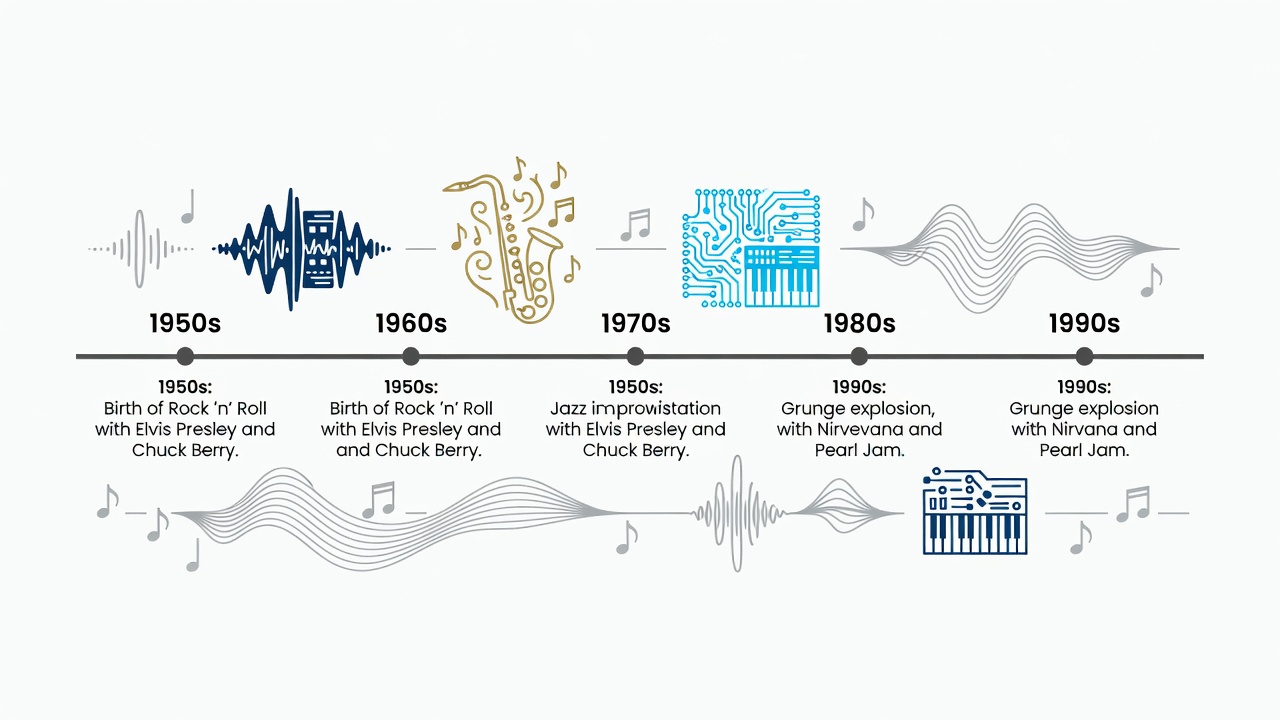
Rock emerged in the 1950s with artists blending blues, country, and rhythm and blues into energetic new sounds. Early hits featured simple chord progressions and youthful rebellion themes. The 1960s brought the British Invasion and psychedelic sounds that expanded rock into longer compositions and experimental recording techniques. By the 1970s punk and hard rock pushed boundaries further with raw energy and heavier distortion. The 1980s introduced MTV-driven pop-rock that combined visual storytelling with catchy anthems. The 1990s grunge era refreshed guitar-driven energy by returning to authentic, less polished expressions. Later decades saw rock incorporate elements from other styles, setting the stage for hip hop sampling of rock riffs and electronic remixes of classic tracks. Understanding this timeline helps listeners see how later genres borrowed rock’s rebellious spirit and amplified it across new formats. Explore further details at the Rock & Roll Hall of Fame.
Essential Jazz Listening Examples
Start with classics that showcase improvisation at its finest. Miles Davis’s “So What” demonstrates modal jazz and space for soloists to explore scales freely over minimal chord changes. John Coltrane’s “Giant Steps” highlights rapid chord changes and virtuosic playing that challenges even experienced musicians. Modern listeners can explore Herbie Hancock’s “Chameleon” for funky grooves that bridge jazz and other styles through memorable bass lines and horn riffs. Additional recommendations include Duke Ellington’s “Take the A Train” for big-band swing and Ella Fitzgerald’s scat singing on “How High the Moon” to hear vocal improvisation. These tracks reveal jazz’s emphasis on live interaction and emotional expression, making them ideal entry points for understanding how jazz influences rhythm sections in rock and beat-making in hip hop.
Hip Hop Beat Structures
Hip hop beats typically follow a 4/4 time signature with emphasis on beats two and four, creating the signature bounce that invites head nodding. A basic structure includes a kick drum on beat one, snare on beats two and four, and hi-hats filling the spaces with rapid patterns. Producers layer samples from soul or funk records to add texture and cultural depth. New listeners can experiment by clapping along to the backbeat in tracks like “The Message” by Grandmaster Flash to feel the foundation before adding lyrics. Variations include boom-bap styles with heavier snares or trap beats featuring rapid hi-hats and 808 bass. These structures trace back to rock drum patterns while introducing new sampling techniques that later inspired electronic producers.
Simple Electronic Layering Techniques
Electronic music builds depth through stacking sounds in a digital workspace. Begin with a steady drum loop that establishes the tempo. Then add a bassline that locks tightly with the kick drum for cohesion. Next layer atmospheric pads or arpeggiated melodies using software synths. Use filters to sweep frequencies for movement and tension release. These steps mirror how rock guitarists layer riffs or jazz players trade solos, showing shared creative principles across genres. Beginners can start with free tools to recreate basic loops and gradually introduce effects like reverb to create space. Over time this approach reveals how electronic textures can enhance rock energy or jazz swing when combined thoughtfully.
Comparing Shared Elements: Improvisation and Rhythm
Improvisation appears in jazz solos, hip hop freestyle battles, rock guitar jams, and live electronic sets where performers adjust sounds in real time. Rhythm unites all four through syncopation and groove that keeps audiences moving. Rock’s backbeat influenced early hip hop, jazz swing inspired electronic breakbeats, and electronic repetition echoes rock riffs in extended mixes. These connections make cross-genre playlists feel natural rather than forced. Listeners often notice how a jazz walking bass line shares DNA with hip hop bass drops or how rock drum fills translate into electronic build-ups. Recognizing these threads deepens appreciation and encourages creative mixing during personal listening sessions.
FAQ: Starting a Cross-Genre Playlist
- How do I begin? Pick one track from each genre and group them by mood or tempo to maintain flow.
- What if tempos clash? Use apps that match BPMs or choose mid-tempo songs around 90–110 BPM for smoother transitions.
- Are there rules? None—focus on personal enjoyment and flow between tracks rather than strict genre boundaries.
- Where to find recommendations? Explore curated playlists on major streaming platforms or community forums dedicated to genre blending.
- How long should the playlist be? Start with 10–15 tracks and expand based on listening habits and discoveries.
- Can I include live versions? Yes, live recordings often highlight improvisation shared across styles and add dynamic energy.
Actionable Steps for New Listeners
- Listen to one defining track from each genre daily for a week, noting initial reactions and standout features such as rhythm or melody.
- Note shared rhythms or improvisational moments in a simple journal to track patterns and preferences over time.
- Build a 10-song playlist mixing one classic and one modern example per style, then refine it after repeated listens.
- Attend a local live show or watch recorded performances to experience energy firsthand and observe how musicians interact on stage.
- Revisit the playlist monthly and swap in new discoveries while removing tracks that no longer resonate.
- Experiment with simple mashups using free editing software to hear how elements from different genres complement each other.
Exploring these genres through rock’s historical lens reveals music as an evolving conversation rather than isolated categories. Start small, stay curious, and enjoy the journey across sound. Additional resources are available through the Library of Congress music collections at loc.gov and community discussions at NPR Music.

No comments yet. Be the first!