 Instrumentiverse

Introduction: Jazz's Enduring Influence on Modern Beats
Jazz continues to shape contemporary music production in 2026, infusing hip hop beats and electronic drops with rich rhythmic and harmonic depth. This comparison highlights key differences in how producers apply jazz essentials across these genres, helping intermediate creators make informed choices in their workflows. Producers worldwide are blending traditional jazz elements with modern electronic and urban sounds to create tracks that feel both timeless and cutting-edge.
Understanding these distinctions allows for more authentic integrations that elevate tracks beyond basic loops. Producers often draw from jazz's improvisational roots to create dynamic, engaging music that resonates with listeners seeking both nostalgia and innovation. In 2026, the fusion has become even more sophisticated due to advanced DAW tools and sample libraries that capture live jazz nuances with greater accuracy than ever before. This article breaks down the core techniques, offers actionable steps, and provides real-world context to help you apply these ideas immediately in your own productions.
Swing Rhythms in Hip Hop Verses
Swing rhythms form the backbone of jazz-infused hip hop, creating that signature laid-back yet propulsive feel. In verses, producers apply swing by offsetting hi-hats and snares slightly off the grid, typically at 55-65% swing intensity in DAWs like Ableton or FL Studio. This subtle timing shift transforms rigid drum patterns into organic grooves that breathe life into the track. The effect is especially powerful when paired with boom-bap style kicks and deep basslines that lock into the swung pocket.
This technique contrasts with straight rhythms by adding a humanized groove that mimics live jazz drummers. Step-by-step identification begins with isolating the drum pattern in your session. Next, examine the hi-hat timing for triplet-based subdivisions that push and pull against the main beat. Finally, listen closely for the resulting tension against the bassline and vocal delivery. Many 2026 hip hop tracks use this approach to differentiate verses from choruses, building emotional contrast without needing additional instrumentation.
- Layer a jazz brush sample underneath the kick for added texture and warmth.
- Automate swing percentage gradually throughout the verse to build tension toward the hook.
- Experiment with velocity variations on swung elements to further emulate acoustic drumming.
- Reference classic jazz recordings when programming to internalize the feel before applying modern processing.
Harmonic Improvisation in Electronic Drops
Electronic drops leverage jazz's harmonic improvisation through extended chords, modal shifts, and unexpected resolutions that create euphoric builds. Unlike hip hop's verse-focused swing, drops emphasize rapid chord changes and synth leads that mimic the spontaneity of a live sax solo. In 2026 productions, this often involves layering lush seventh and ninth chords over pulsing basslines to generate tension that releases dramatically at the drop's peak.
Practical examples from recent tracks show producers using modal jazz scales such as Dorian and Mixolydian modes to craft memorable synth lines. To identify opportunities in your own work, start by mapping out chord progressions that deliberately avoid standard I-IV-V resolutions. Introduce chromatic passing tones or borrowed chords from parallel keys to heighten interest. Tools like chord generators in Serum or Vital make real-time experimentation straightforward while maintaining musical integrity.
All About Jazz provides extensive resources on modal harmony that can deepen your understanding of these techniques. Incorporating live-recorded jazz guitar or piano samples into electronic arrangements further bridges the gap between genres.
Brass Sample Layering Techniques
Brass samples add punchy accents in both genres but differ significantly in execution and placement. In hip hop, brass layers deliver short, rhythmic stabs that cut through verses, while electronic drops feature swelling orchestral hits that intensify breakdowns and climaxes. The key lies in careful selection and processing to ensure the brass sits naturally within the mix rather than sounding pasted on.
Step-by-step method includes choosing high-quality brass libraries with multiple articulations, applying EQ to carve space around the 200-500Hz range, and using light reverb and saturation for cohesion. Automation of filter cutoff and volume on brass layers can create evolving textures that respond to the arrangement. Common pitfalls include phasing problems from stacking similar samples, over-compression that flattens dynamics, and mismatched tuning between samples and your project key.
Step-by-Step Identification Methods for Jazz Elements
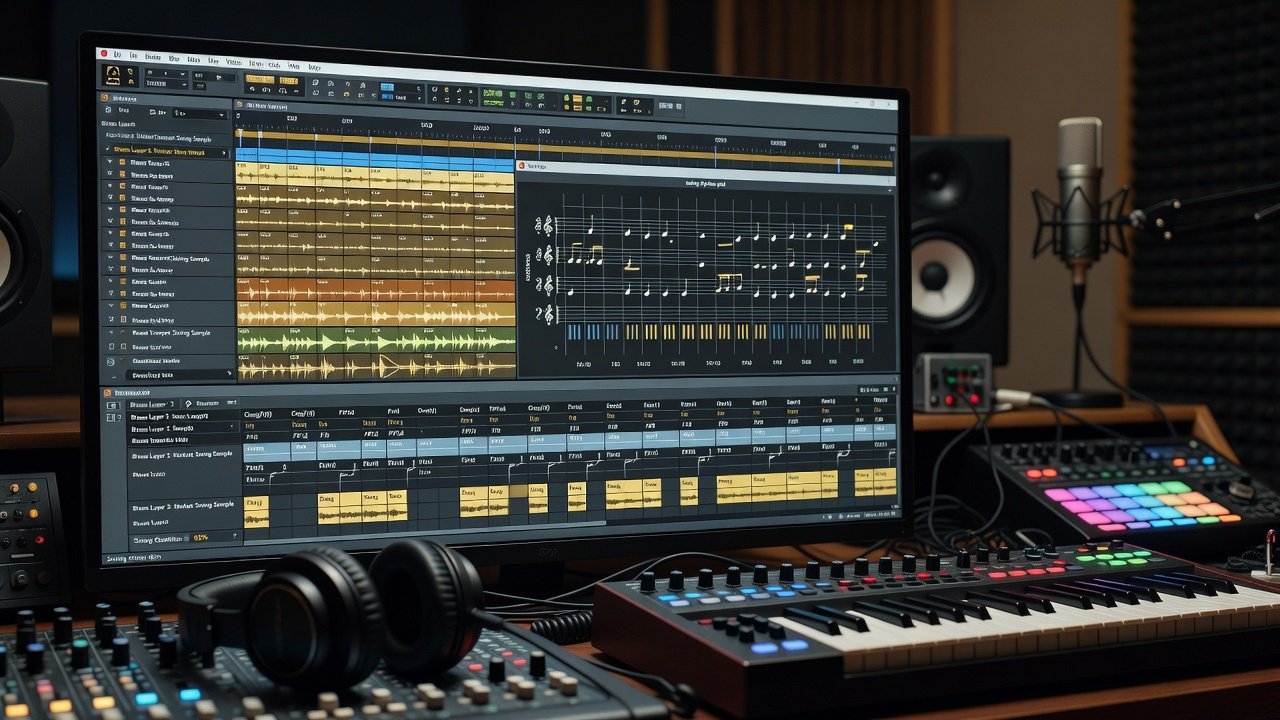
Learning to spot jazz influences in existing tracks sharpens your production ear. Begin by soloing the rhythm section and checking for swing percentages or triplet feels. Move to the harmonic content by analyzing chord extensions and any improvisational melodic lines. Finally, examine the arrangement for brass or woodwind samples that interact with the main elements. Repeat this process across multiple reference tracks to build pattern recognition.
Practical Examples from 2026 Tracks
Recent releases in 2026 demonstrate these techniques effectively. Hip hop productions frequently layer swung jazz drum loops over modern trap bass, creating a hybrid groove that feels fresh yet rooted. Electronic tracks incorporate improvised synth solos inspired by jazz phrasing during build-ups, often using granular processing to add texture. Listening to festival mainstage drops reveals brass swells that echo big-band energy while fitting electronic energy levels.
Common Pitfalls to Avoid
Many producers encounter issues when first experimenting with jazz fusion. Ignoring tempo matching between jazz samples and contemporary beats leads to rushed or sluggish results. Neglecting MIDI quantization adjustments can erase the intended swing feel entirely. Over-processing brass with heavy effects often removes the organic quality that makes jazz samples compelling. Always test your mix on multiple playback systems and reference commercial tracks at similar stages of arrangement.
FAQ: Adapting Jazz Elements for Producers
How do I start incorporating swing into my beats? Begin with simple drum patterns and adjust timing manually in your DAW using groove templates or manual nudging before adding more complex layers.
What software works best for harmonic improvisation? Tools like Serum, Vital, or even stock synths in Logic Pro allow real-time chord manipulation inspired by jazz voicings while maintaining low CPU usage.
Can these techniques work in other genres? Yes, swing and modal harmony adapt well to R&B, future bass, and indie pop productions seeking added sophistication and emotional range.
How important is sample quality when layering brass? High-resolution, multi-sampled libraries make a dramatic difference in realism and mix flexibility compared to basic one-shot samples.
Should I quantize everything when using jazz rhythms? Light quantization preserves human feel while preventing timing drift; full quantization often removes the essential groove.
Billboard regularly tracks emerging genre fusions and can provide additional context on current trends.
Conclusion
Mastering these jazz essentials empowers producers to craft distinctive 2026 tracks that stand out in a crowded market. By comparing swing application, harmonic choices, and brass techniques across hip hop and electronic contexts, you gain practical frameworks for experimentation. Apply the step-by-step methods and avoid the outlined pitfalls to refine your sound and achieve professional, engaging results.
No comments yet. Be the first!