 Instrumentiverse
Introduction to Rock Samples in Modern Electronic Music
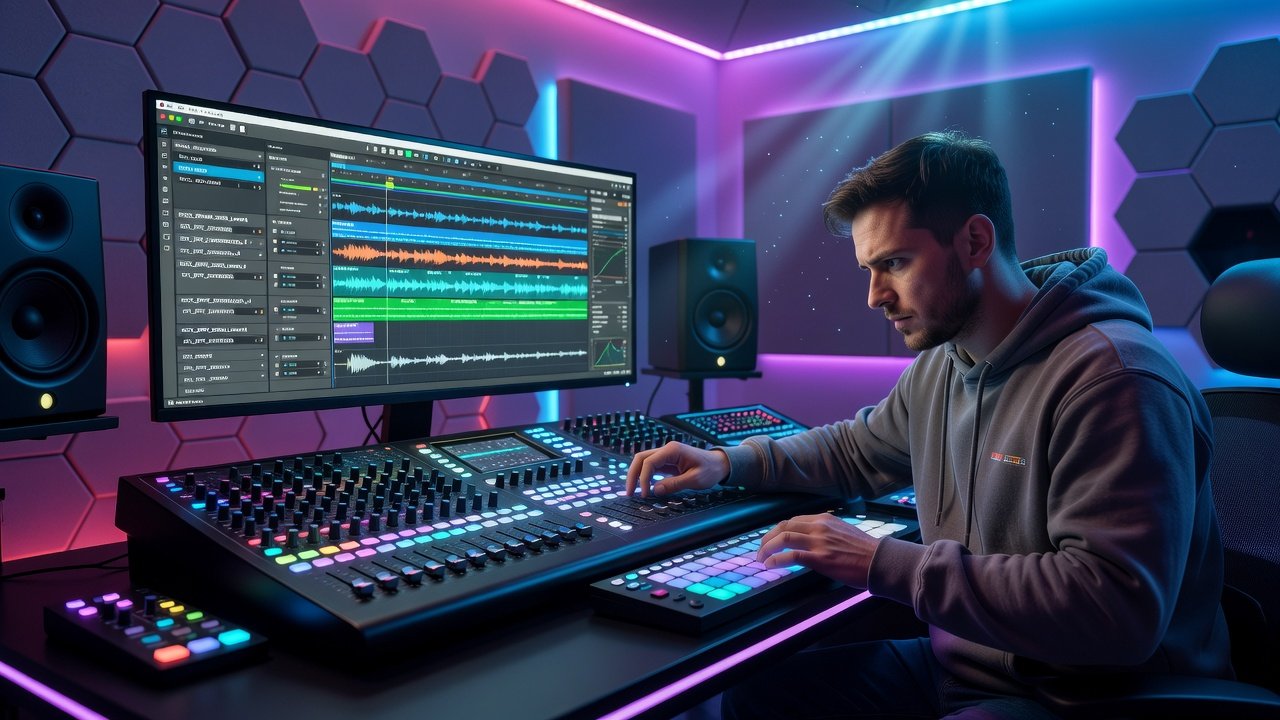
Electronic producers in 2026 continue to draw inspiration from rock history, incorporating elements like guitar riffs, powerful drum kits, and bass lines into contemporary beats. These samples inject organic warmth, dynamic transients, and emotional depth into otherwise synthetic productions. This comprehensive guide delivers actionable workflows for integrating rock samples effectively, covering everything from initial sample selection through advanced processing chains. Producers working in house, techno, trap, or ambient electronic styles will find practical advice suited to beginner and intermediate skill levels. The techniques emphasize compatibility, tonal balance, and creative decision-making to help your tracks stand out in a crowded market.
Rock samples offer a contrast to purely digital sounds by introducing real-world recording nuances such as string noise, room ambience, and natural compression from vintage gear. When layered thoughtfully, they bridge generational gaps between classic rock energy and cutting-edge electronic arrangements. Throughout this article we reference established production principles drawn from trusted industry resources like Sound on Sound and Ableton.
Selecting Rock Samples from Key Eras
Choosing the right source material sets the foundation for successful integration. The 1960s provide raw, often mono guitar tones and simple drum patterns from early rock recordings. The 1970s and 1980s deliver larger-than-life drum sounds and riff-heavy textures perfect for high-energy drops. 1990s grunge and alternative rock contribute gritty, detuned guitars and dry, aggressive drums that pair well with modern lo-fi or bass-heavy electronic genres.
Prioritize isolated tracks or stems over full-mix recordings. Search for one-shot drum hits, short riff loops, or clean bass lines that allow maximum flexibility. Consider the original recording quality—higher fidelity samples respond better to heavy processing. Listen critically for key, tempo, and tonal characteristics that will complement your existing synth patches and drum programming. Building a personal library organized by era and instrument type speeds up future projects significantly.
Step-by-Step Layering Methods
Begin by importing your rock drum samples and aligning them with your electronic kick and snare pattern. Duplicate the rock drum channel and apply gentle bus compression to blend the two layers into a cohesive groove. For guitar riffs, slice longer phrases into shorter, loopable segments that match your arrangement structure. Experiment with reversing or pitching sections to create unexpected variations.
Position rock elements in the stereo field by panning guitars slightly left or right while keeping electronic elements anchored in the center. Introduce volume automation to highlight rock layers during transitions and breakdowns. Layer multiple rock sources carefully—start with drums, then add bass, and finally introduce riff elements only after the foundation feels solid.
Tempo and EQ Adjustments
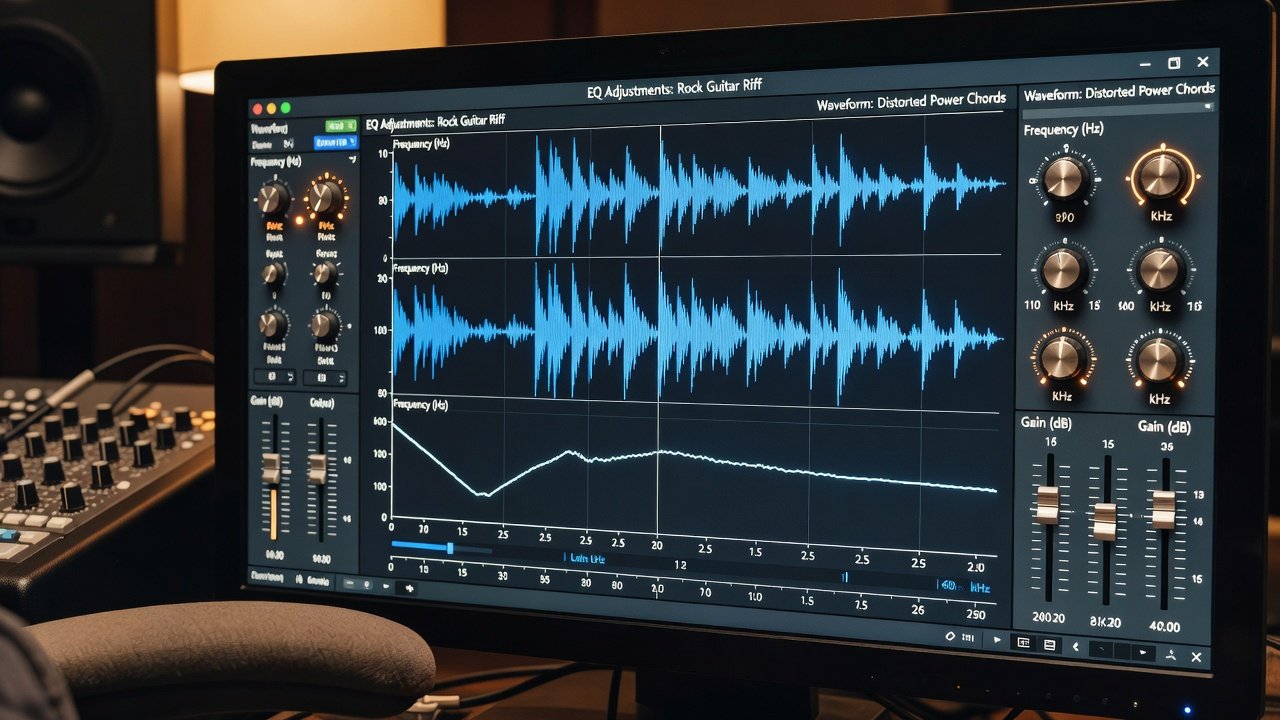
Use your DAW’s warping or time-stretching tools to match rock sample tempos to your project BPM while preserving groove. Small timing deviations can be retained intentionally to maintain human feel. Apply corrective EQ next: cut muddy frequencies between 200–500 Hz on guitar layers and boost presence around 3–5 kHz for clarity against electronic hi-hats. High-pass filtering below 100 Hz on rock drums prevents low-end competition with your primary kick.
Reference tracks from similar hybrid productions help calibrate these adjustments. Always check mono compatibility after EQ moves to ensure club or radio playback remains powerful.
Comparisons to Hip Hop and Jazz Integrations
Hip hop integration typically centers on chopped vocal phrases and soulful loops with heavy swing quantization. Jazz elements focus more on harmonic extensions and rhythmic displacement. Rock layering instead emphasizes transient impact and riff-based hooks that drive forward momentum. Producers can combine approaches by placing rock drums as the rhythmic core, overlaying jazz chords for harmonic interest, and finishing with hip hop-style vocal processing for melodic hooks.
Real-World 2026 Production Examples
Several 2026 releases demonstrate effective rock-electronic fusion. One techno track layers 1970s breakbeats beneath a four-on-the-floor kick, using sidechain compression to create rhythmic breathing. An ambient producer processed 1990s grunge guitar textures through granular delay and subtle saturation, transforming them into evolving pads. These examples show that context and processing matter more than the sample’s original genre.
Audio Processing Tips
Enhance rock samples with harmonic saturation to add richness without increasing volume. Parallel compression allows a heavily effected signal to sit underneath a dry layer for added punch. Transient designers help accentuate drum attacks or tame guitar strums. Consider multiband compression across the full mix to manage dynamic spikes from rock elements. Stereo imaging tools should be used conservatively to avoid phase problems when summing to mono.
- Route rock layers through the same reverb send as electronic elements for unified space.
- Automate filter cutoffs on riffs to create movement that mirrors synth lines.
- Print processed versions as new audio files to lock in creative decisions.
- Compare your mix at low volumes to verify rock elements remain audible.
Common Mistakes to Avoid
Over-layering quickly leads to a cluttered frequency spectrum. Always solo combinations and remove anything that masks core elements. Ignoring phase relationships between multiple drum layers causes thin or hollow low end. Neglecting to match the production aesthetic of your electronic core can make rock samples feel like an afterthought rather than an intentional choice.
Practical Workflow Example
Start a new session at 128 BPM. Import a 1970s drum break and warp it to tempo. Layer your electronic kick on beats one and three, then add the rock snare on two and four with slight timing offsets. Introduce a chopped guitar riff on the off-beats, processed with low-pass filtering during verses. Build the arrangement by automating rock layer volumes upward into the drop. Export stems and reference on different playback systems before finalizing.
FAQ: Avoiding Common Pitfalls
How do I prevent phase cancellation when layering drums? Invert polarity on duplicate tracks and compare until the combined low end feels full and focused.
What if rock samples feel disconnected from the electronic elements? Apply identical effects chains such as the same reverb or delay presets used on your synths.
Should rock samples always be quantized? Retain natural timing variations for groove unless the genre requires strict grid alignment.
How much processing is too much? Stop when the sample enhances rather than dominates the overall production vision.
Conclusion
Rock samples remain a powerful tool for adding character to 2026 electronic music when integrated with care. Following the selection criteria, layering steps, tempo matching, EQ strategies, and processing techniques outlined above enables producers to create distinctive hybrid tracks. Continue experimenting with these workflows and adapt them to your personal production style for consistently professional results.


No comments yet. Be the first!