 Instrumentiverse
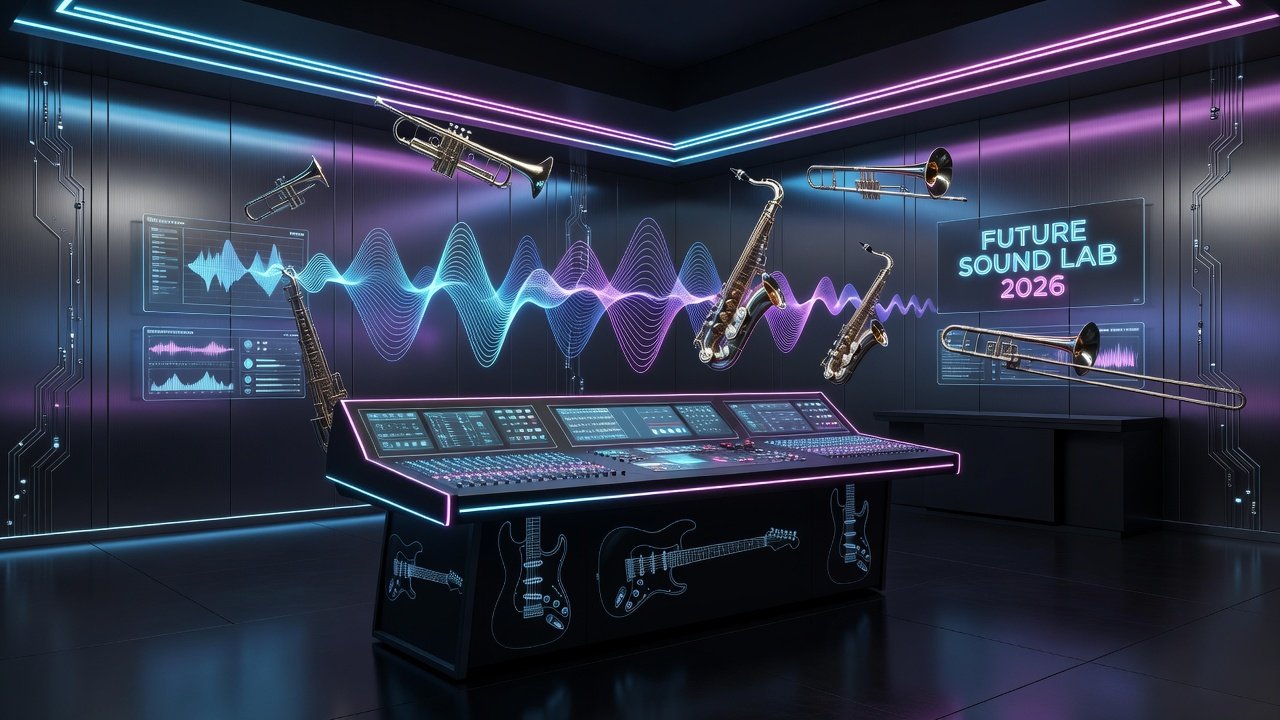
Introduction: Jazz Meets Electronic Music in 2026
The evolution of music genres continues to blend jazz essentials with electronic productions, creating rich, layered tracks that appeal to both traditional jazz fans and modern beatmakers. As of late 2026, producers are increasingly integrating swing rhythms, brass samples, and improvisational elements into electronic genres like house, techno, and future bass. This guide provides a step-by-step approach for beginners to spot these jazz influences in contemporary electronic tracks, helping new producers understand how genre fusion enhances creativity and listener engagement. By mastering detection methods, you can elevate your own productions while respecting the roots of jazz in modern electronic contexts.
Understanding Core Jazz Essentials in Electronic Contexts
Jazz essentials include swing rhythms that create a laid-back yet propulsive feel, brass samples evoking big band energy, and improvisation that adds spontaneity. In electronic music, these elements are often manipulated through sampling, MIDI sequencing, and effects processing. Recognizing them starts with active listening: focus on the groove rather than straight 4/4 beats common in EDM. Swing introduces a triplet subdivision that gives music an organic bounce absent in rigid electronic grids. Brass samples bring harmonic richness and punchy attacks, while improvisation layers allow for dynamic variation that keeps tracks fresh across repeated listens. These components have evolved from early jazz recordings into digital workflows, reflecting broader trends in how genres borrow and adapt over decades.
Step-by-Step Techniques to Detect Swing Rhythms
- Isolate the drum track in your DAW and check for swung hi-hats or off-beat snares that deviate from straight timing.
- Compare against straight-time electronic beats to hear the triplet-based delay that defines swing, often around 50-70% swing feel in 2026 productions.
- Use tools like Ableton’s Groove Pool or FL Studio’s swing parameters to quantify and replicate the exact percentages found in reference tracks.
- Listen for bass lines that lock into the swung pocket, creating a cohesive groove that feels alive rather than mechanical.
- Analyze full mixes by soloing percussion sections during breakdowns to confirm the rhythmic foundation before full arrangement builds.
These methods help producers identify how jazz swing elevates electronic dance tracks, making them more danceable and emotionally resonant.
Identifying Brass Samples and Their Role
Brass samples in electronic music often come from vintage jazz recordings or modern recreations. Listen for punchy trumpet stabs or sax riffs layered over synth pads. In 2026, artists like Kaytranada and Flying Lotus successors frequently incorporate these to add warmth and texture to otherwise digital sounds. Pay attention to reverb tails and filtering that make brass sit naturally in the mix without overpowering electronic elements. Brass can serve as hooks, fills, or atmospheric layers, evolving from simple stabs in early electronic jazz experiments to complex, processed arrangements today.
Grammy official resources highlight genre fusion trends that support this integration.
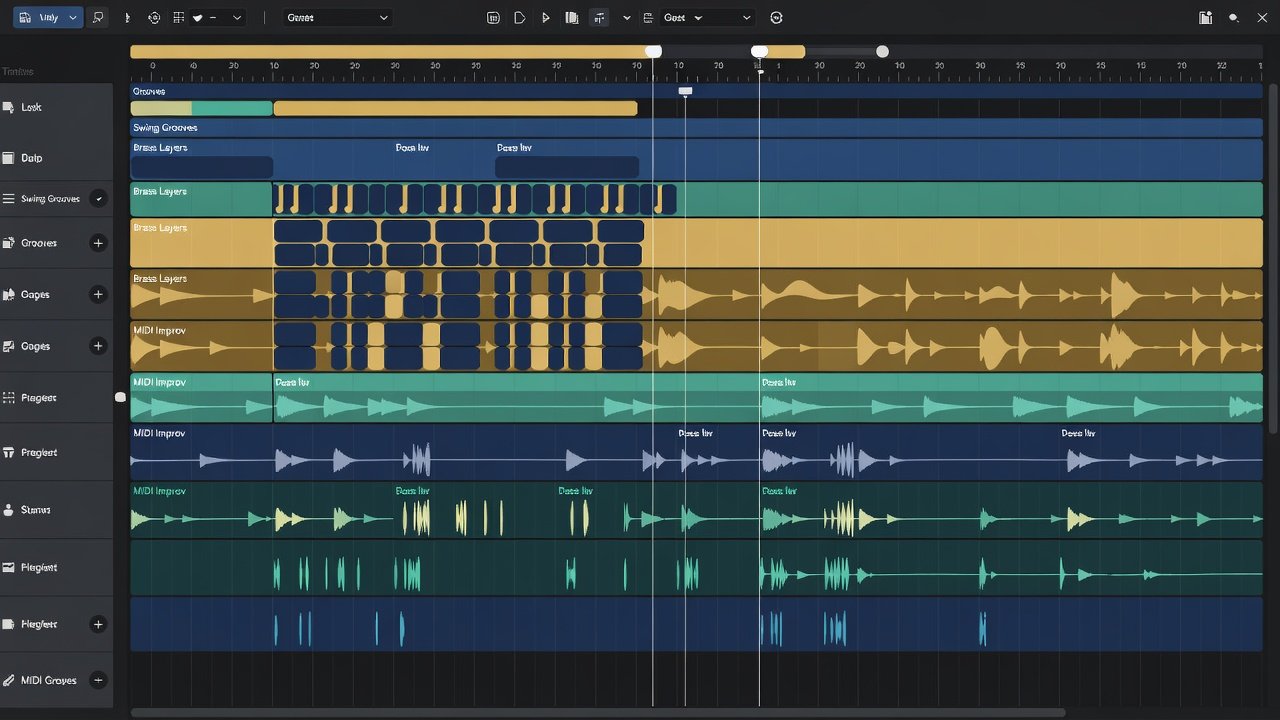
Spotting Improvisation Within Modern Beats
Improvisation appears as unexpected melodic variations or real-time synth tweaks that break from repetitive loops. In electronic contexts, this might manifest through live looping, generative plugins, or humanized MIDI input that mimics jazz soloing. Compare these to more rigid hip hop beats where loops repeat predictably without deviation. Look for subtle pitch bends, velocity changes, or ad-libbed elements that suggest a performer reacting in the moment rather than following a strict grid. This spontaneity adds human touch to digital productions, a key marker of jazz influence.
Comparisons to Hip Hop Applications
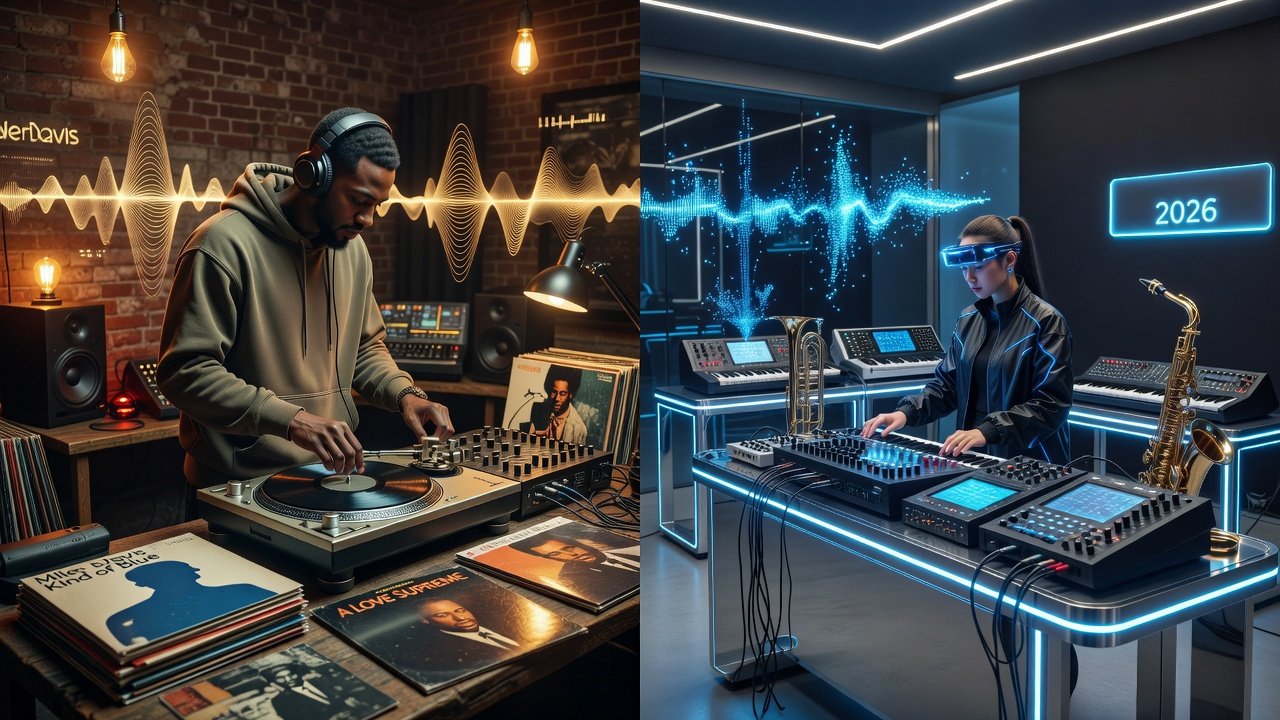
While hip hop often uses jazz samples for boom-bap drums and chopped horns with heavy vinyl textures, electronic tracks apply them with heavier automation, sidechain compression, and spatial effects. Hip hop leans on gritty, sample-based aesthetics rooted in crate digging, whereas 2026 electronic productions emphasize clean digital processing combined with subtle jazz swing for festival-ready energy and extended builds. The crossover allows electronic producers to borrow hip hop's sampling ethos but adapt it for club environments through tempo adjustments and effects chains that preserve swing while enhancing clarity.
2026 Artist Examples and Layering Tips
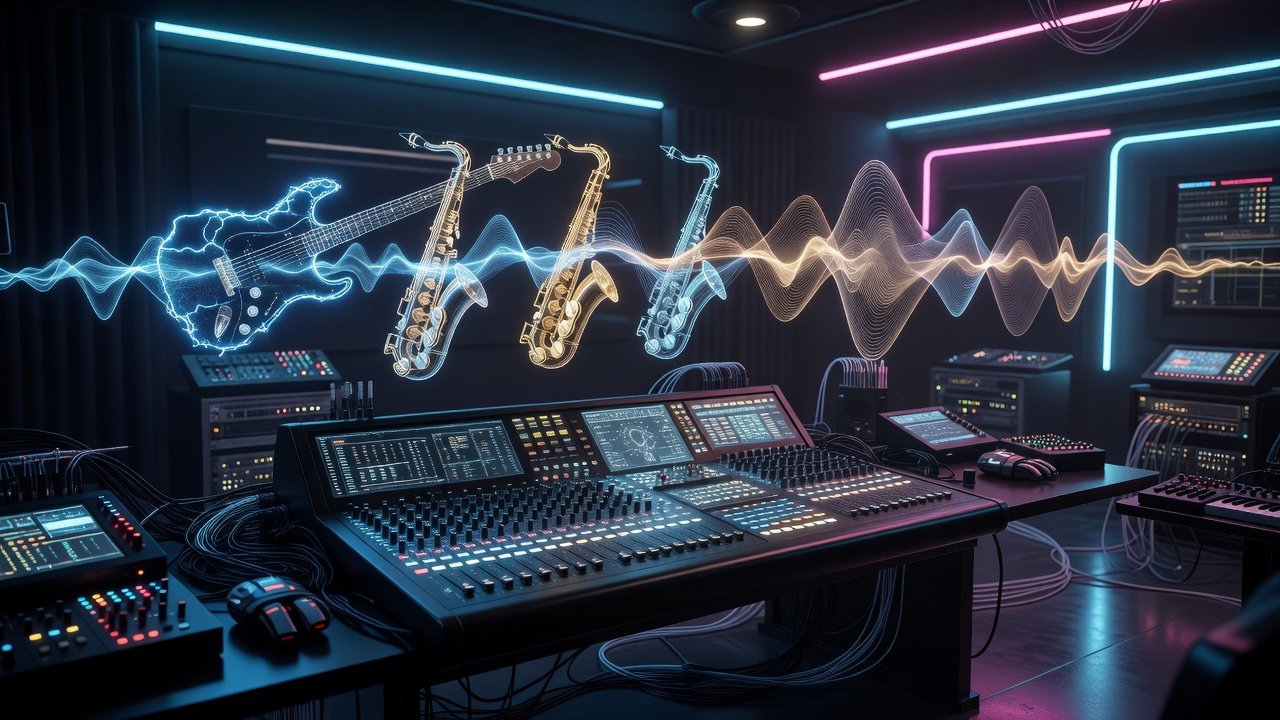
Producers such as Ross from Friends, standout acts in the UK electronic scene, and emerging fusion artists demonstrate jazz-electronic fusion through tracks that layer brass over deep basslines. To incorporate subtle rock history influences like distorted guitar echoes from 1970s prog rock beneath brass lines for added depth, begin with a clean electronic kick drum. Next add swung percussion at 60% feel, introduce brass at low volume with light saturation, then build improvisation layers using arpeggiators or live recording. Experiment with parallel processing on rock-influenced guitars to blend them seamlessly under jazz elements without clashing frequencies. This approach creates multidimensional tracks that evolve throughout a listening session.
Common Pitfalls to Avoid
- Overusing obvious jazz samples without processing, leading to dated or clichéd sounds that fail to integrate with modern electronic palettes.
- Ignoring tempo matching between jazz elements and electronic beats, which can cause rhythmic clashes and disrupt dancefloor momentum.
- Neglecting EQ and compression to carve space for brass amid dense synths, resulting in muddy mixes where elements compete rather than complement.
- Forgetting to humanize MIDI data, making improvisation feel robotic instead of organic and expressive.
- Skipping reference tracks from established 2026 releases, missing opportunities to calibrate swing intensity and brass placement accurately.
Tools and Software for Effective Analysis
Beginners benefit from spectrum analyzers in stock DAW plugins to visualize frequency ranges occupied by brass. Reference track matchers like those in iZotope Ozone help align swing feels. Generative tools such as Ableton’s Max for Live devices or third-party jazz-inspired packs provide starting points for improvisation layers. Always cross-check with full song references from platforms like Billboard charts to stay current with evolving trends.
Short FAQ for New Producers
How do I start integrating jazz into my tracks? Begin by studying swing in classic recordings and experimenting with MIDI swing functions in your DAW before adding brass samples.
What software helps detect these elements? Spectrum analyzers, groove quantizers, and reference track tools built into most modern DAWs streamline the identification process.
Is this trend likely to continue? Genre evolution points to ongoing fusion with jazz essentials in electronic music as producers seek fresh hybrid sounds.
Can rock influences be added without overpowering jazz elements? Yes, by using subtle volume automation and frequency carving to keep rock layers supportive rather than dominant.
Where can I find quality brass samples? Explore curated libraries from reputable sound design sites that offer processed jazz-inspired packs tailored for electronic use.
Conclusion
Mastering these detection and layering techniques opens doors to innovative productions that honor jazz history while embracing 2026 electronic innovation. With practice, you will confidently spot and apply these essentials to create compelling, genre-blending music.
No comments yet. Be the first!