 Instrumentiverse
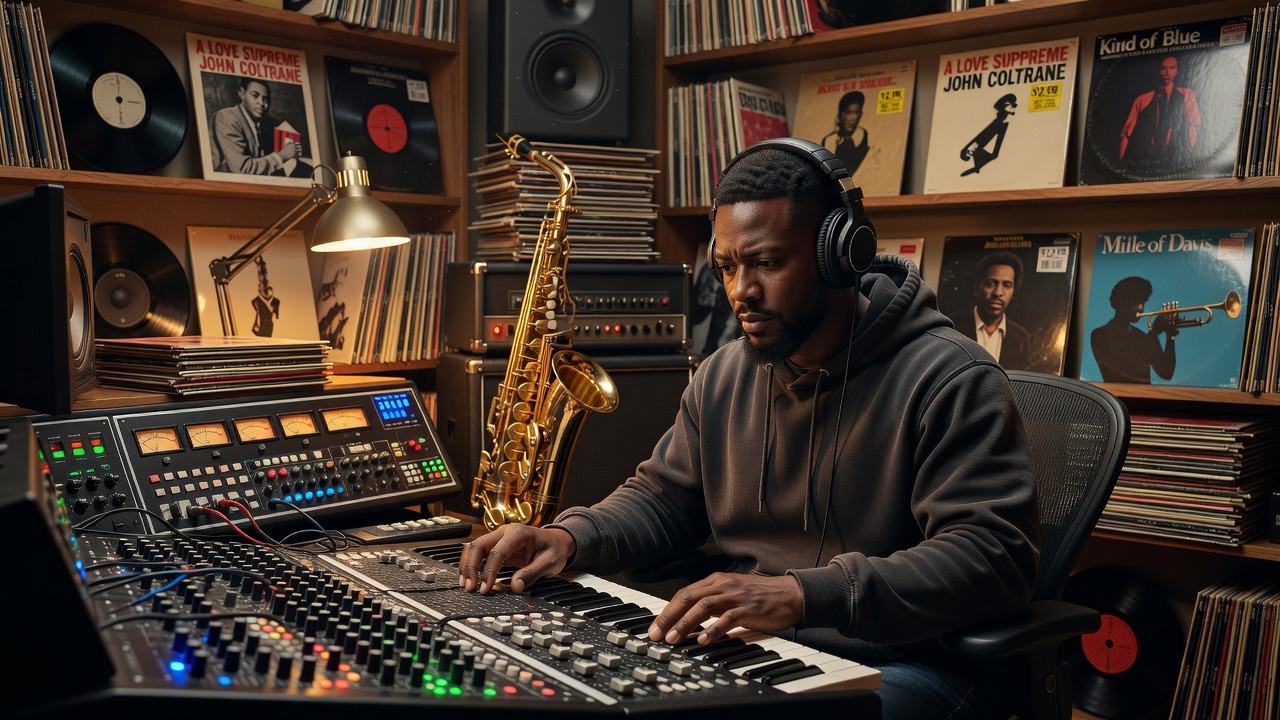
Introduction to Jazz in Hip Hop
Hip hop has long drawn from jazz traditions, creating rich hybrid sounds that reward careful listening. Whether you are a casual fan or an aspiring producer, recognizing jazz essentials helps deepen your appreciation and sharpens production skills. This guide breaks down signature traits such as improvisation, swing rhythms, and brass samples while offering concrete listening strategies that anyone can apply immediately. Beginners often confuse jazz-infused hip hop with other fusions because surface-level similarities like heavy bass or rhythmic vocals can mask deeper differences. The key is focusing on rhythmic feel, harmonic movement, and instrumental textures rather than lyrics alone. By understanding these layers you gain repeatable methods for spotting jazz elements in any track, from golden-age classics to current streaming releases. The educational value lies in training your ear systematically so that genre recognition becomes second nature rather than guesswork.
Core Jazz Essentials Found in Hip Hop
Improvisation as a Core Element
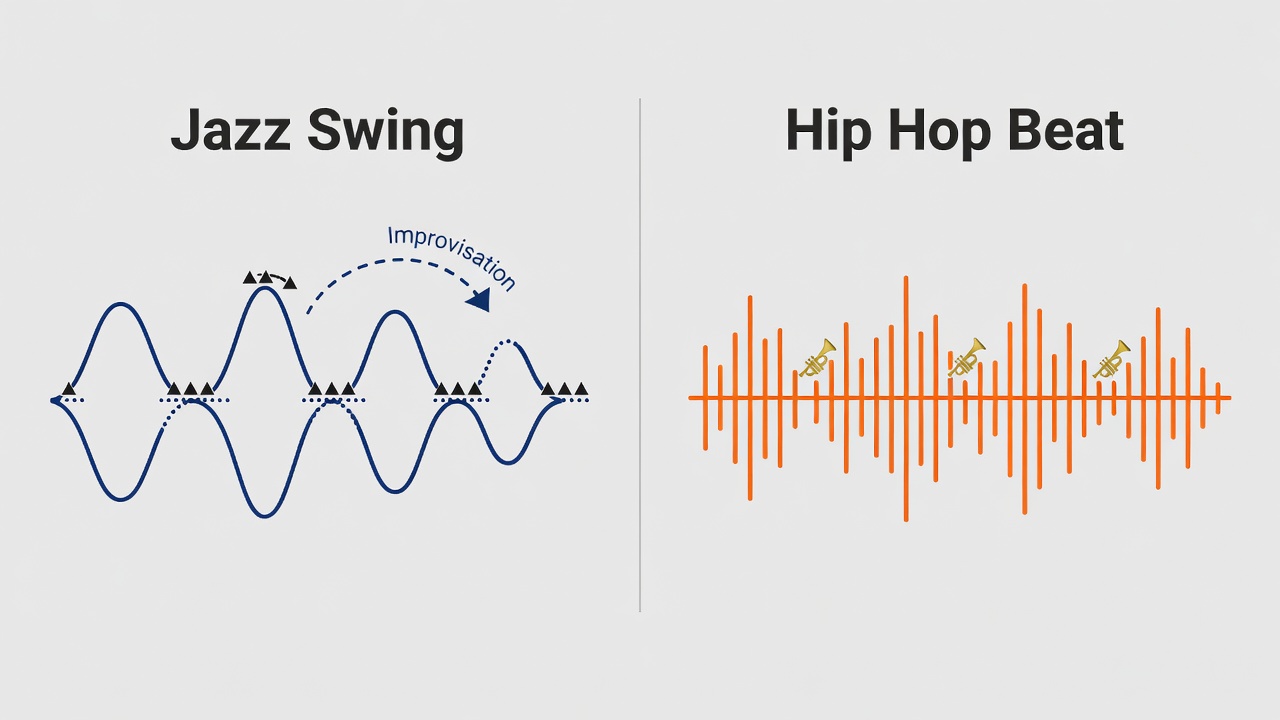
Improvisation shows up as spontaneous-sounding solos or unexpected instrumental fills layered over beats. In hip hop this often manifests as ad-libbed horn lines or live-sounding keyboard riffs that respond to the rapper’s delivery in real time. Unlike pre-composed electronic melodies, these moments feel organic and slightly unpredictable, mirroring the spontaneous nature of jazz club performances. Producers achieve this by sampling extended jazz solos or recording new improvisations over existing loops.
Swing Rhythms and Groove
Swing rhythms introduce a triplet-based groove that contrasts with straight hip hop quantization. Instead of rigid sixteenth notes, the hi-hats or drums push and pull around the beat, creating a bouncy, human feel. This rhythmic elasticity comes directly from jazz drumming traditions where players avoid mechanical precision in favor of expressive timing. Detecting swing requires slowing tracks down and listening for the space between beats rather than the beats themselves.
Brass Samples and Horn Textures
Brass samples, often taken from classic jazz recordings, add warm, punchy accents that modern synths rarely replicate. These samples carry natural reverb, breath noise, and slight pitch variations that signal live instrumentation. Common sources include trumpet stabs, saxophone riffs, and trombone slides that punctuate verses or serve as hooks. The timbral warmth and dynamic range distinguish them from purely synthesized alternatives.
Step-by-Step Audio Analysis Techniques
Follow these expanded techniques to systematically identify jazz elements. First, isolate the drums and listen for swing by playing the track at half speed and checking whether hi-hats or snares land slightly behind the beat in a triplet feel. Second, scan the midrange for horns or saxophones by using EQ to boost 200–800 Hz and noting any reedy, breathy tones that suggest live jazz instrumentation. Third, check for harmonic complexity because jazz-influenced chords often contain extended sevenths and ninths rather than simple triads; listen for movement that avoids basic I–IV–V loops. Fourth, look for call-and-response patterns between vocals and instruments, a hallmark of both jazz and hip hop. Fifth, examine the bass line for walking patterns or melodic movement beyond root notes, which frequently appears in jazz-leaning productions. Sixth, pay attention to dynamic shifts within sections where instruments drop in and out to create tension and release similar to jazz arrangements. Practice these steps repeatedly on well-known tracks before applying them to new releases. Over time the process becomes intuitive and you will spot elements within the first thirty seconds of playback.
Historical Context and Lasting Influences
Jazz and hip hop share roots in African American musical expression, with early hip hop DJs and producers drawing directly from jazz crates for breaks and melodies. The 1980s and 1990s saw deliberate sampling of Blue Note and Prestige recordings, establishing a template that continues today. This cross-pollination influenced not only beats but also lyrical themes of improvisation and storytelling. Modern producers maintain the lineage by either digging deeper into vinyl archives or collaborating with live jazz musicians to recreate authentic textures without relying solely on old samples.
Comparing Jazz Influences with Rock and Electronic Crossovers
Classic rock history brought guitar solos and blues scales into early hip hop, yet jazz adds a different rhythmic and harmonic layer. Rock crossovers often feature straight-eighth grooves and power chords, while jazz-infused beats favor off-beat accents and chord extensions. Modern electronic music crossovers lean toward synthesized textures and four-on-the-floor patterns that lack the organic swing of jazz drumming. Side-by-side listening reveals these distinctions quickly. Compare a straight-ahead boom-bap track with a trap beat that uses 808s; the former is far more likely to contain jazz DNA. Electronic productions may incorporate jazz samples but often quantize them rigidly, removing the essential swing feel that defines authentic integration.
Real-World Track Examples with Detailed Breakdowns
A Tribe Called Quest’s “Can I Kick It?” showcases clear jazz basslines and horn stabs. The drums swing gently while Q-Tip’s flow rides the pocket created by the sampled rhythm section, demonstrating perfect integration of improvisation and groove. Kendrick Lamar’s “For Free?” from To Pimp a Butterfly features live jazz musicians trading improvisational phrases with the rapper, illustrating how contemporary artists keep the tradition alive through full-band recordings. Madlib’s work on Madvillainy includes numerous jazz loops with extended chords and swinging rhythms that underpin MF DOOM’s dense lyricism. Knxwledge frequently layers fresh horn recordings over dusty breaks, preserving the organic quality of classic jazz while updating the sonic palette for streaming-era listeners. Additional examples include J Dilla’s “Donuts” instrumentals that chop jazz records into swinging, off-kilter beats and Robert Glasper’s hip hop collaborations that fuse live improvisation directly into rap frameworks. Analyzing these tracks side by side highlights both consistency and evolution in how jazz essentials are deployed.
Tools and Software for Deeper Analysis
Beginners can start with free audio players that allow slow playback and EQ adjustments. More advanced users benefit from digital audio workstations such as Ableton Live or Reaper to isolate stems and visualize waveforms. Spectrum analyzers reveal frequency content of brass samples, while metronome plugins help quantify swing ratios. Online resources from established music platforms provide reference tracks and community discussions that reinforce learning through shared examples.
Building a Genre-Spotting Playlist
Create a dedicated playlist that alternates between pure jazz recordings and their hip hop reinterpretations. Start with a Thelonious Monk track, then follow it with a hip hop song that samples the same melody. Repeat this pattern across several pairs to train your ear. Include both golden-age classics and current releases so you can trace how the sound evolves. Add columns or notes in your playlist app for specific elements spotted in each track, turning passive listening into an active educational exercise. Over weeks of curation the playlist becomes a personalized reference library for quick comparisons.
Common Mistakes to Avoid When Spotting Jazz Elements
- Assuming every brass sample equals jazz without checking for swing or harmonic depth.
- Ignoring tempo; many jazz-hip hop tracks sit at mid-tempos that allow room for rhythmic elasticity.
- Over-relying on visual spectrograms instead of focused listening, which can miss subtle timing nuances.
- Confusing funk horn sections with jazz ones; funk tends toward tighter, more repetitive phrasing.
FAQs on Common Misconceptions
Is every horn sample automatically jazz?
No. Many horn samples come from funk or soul records. True jazz samples usually carry more harmonic sophistication and a looser rhythmic feel that sets them apart.
Do I need music theory knowledge to spot these elements?
Basic listening skills suffice. While theory helps, focused ear training on swing and instrumentation works for most beginners who practice consistently.
Can electronic production still include jazz essentials?
Yes. Producers often layer live-recorded or sampled jazz drums beneath electronic textures, preserving swing while using modern sound design techniques.
How long does it take to develop reliable genre-spotting skills?
With daily focused listening sessions of thirty minutes, most listeners notice significant improvement within two to three weeks of deliberate practice.
Conclusion
Identifying jazz essentials in hip hop becomes straightforward once you know what to listen for. Apply the step-by-step techniques outlined above, build comparative playlists, and revisit classic versus modern examples regularly. Over time you will recognize these signatures instantly and gain a richer understanding of how two influential genres continue to shape each other. For further listening resources and historical context, explore Grammy.com, Billboard.com, and AllMusic.com. Start your own analysis today and watch your appreciation for both genres grow.
No comments yet. Be the first!