 Instrumentiverse

Introduction
Playlist curation offers a creative way to explore music history while highlighting how rock foundations shaped hip hop rhythms. This guide helps beginners connect essential rock milestones to modern beats, creating engaging cross-genre listening experiences that feel both nostalgic and fresh. Whether you are building a personal library or sharing mixes with friends, understanding these connections opens doors to richer musical appreciation and discovery. By thoughtfully selecting tracks, you can educate listeners about genre evolution and keep them engaged through seamless transitions that honor the past while embracing contemporary sounds.
Understanding Rock’s Influence on Hip Hop
Rock and hip hop share deep roots that date back to the 1970s Bronx parties where DJs began sampling rock guitar riffs and drum patterns. Producers like those behind early hits turned classic rock tracks into foundational beats, demonstrating how live instrumentation could power electronic and vocal-driven genres. Recognizing these connections helps you select tracks that flow naturally and educate listeners about shared heritage. For instance, the raw energy of distorted guitars often mirrors the aggressive delivery in rap verses, creating emotional bridges across decades. This influence extends beyond sampling to attitude and innovation, as rock’s rebellious spirit fueled hip hop’s rise as a voice for marginalized communities.
Identifying Essential Rock Milestones
Focus on pivotal moments that influenced hip hop. Key examples include Jimi Hendrix’s innovative guitar work sampled in numerous rap tracks for its raw energy, Led Zeppelin’s heavy rhythms inspiring boom-bap production styles, and The Beatles’ experimental production techniques opening doors for genre-blending. Additional milestones worth exploring are the funk-rock fusions of Parliament-Funkadelic that directly fed into sampling culture and the punk attitude of bands like The Clash that echoed in hip hop’s rebellious spirit. Further examples include Chuck Berry’s guitar licks that influenced early rap flows and the psychedelic experiments of Pink Floyd that inspired atmospheric hip hop productions. These milestones provide a strong backbone for your playlist and allow you to trace sonic evolution through specific recordings, helping listeners appreciate the lineage from classic rock anthems to today’s chart-toppers.
Building Playlist Structures
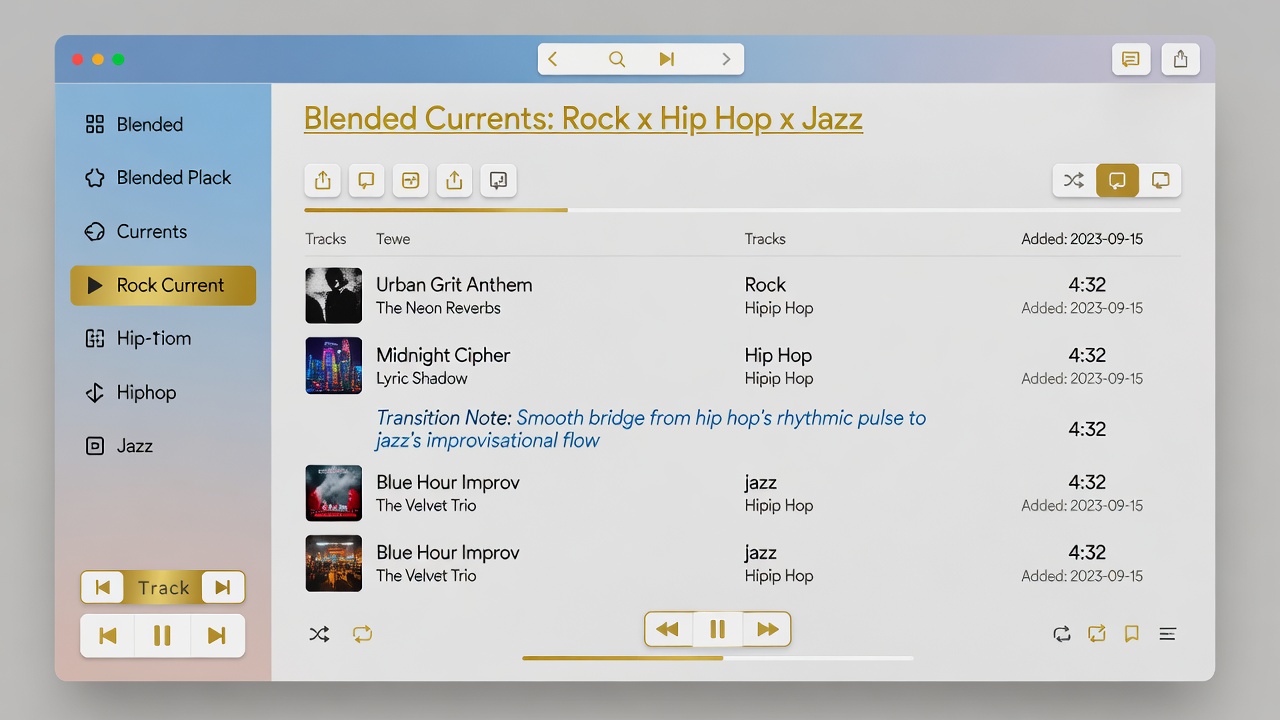
Organize tracks to guide listeners through eras. Start with a 1970s rock classic, transition to a 1980s hip hop track that samples it, then layer in later reinterpretations. A sample flow might begin with “Whole Lotta Love” by Led Zeppelin, move to a Beastie Boys track, and close with a contemporary artist reworking the same riff. Consider thematic arcs such as rebellion, innovation, or urban storytelling to tie selections together. Another effective structure starts with acoustic rock intros, builds to electric peaks, and resolves with hip hop remixes. This approach ensures the playlist feels intentional rather than random, encouraging repeated plays and deeper engagement from your audience.
Comparing Tempo and Instrumentation
Rock often features 120-140 BPM with live drums and electric guitars, while hip hop ranges from 80-100 BPM with sampled breaks and heavy bass. Blend them by pairing mid-tempo rock tracks with hip hop beats that share similar kick patterns. Instrumentation shifts from organic guitars to synthesized elements create dynamic contrast. For deeper analysis, examine how rock’s emphasis on guitar solos can be mirrored by hip hop’s turntable scratches or vocal ad-libs. Experiment with half-time feels to align faster rock sections with slower hip hop grooves, resulting in seamless yet surprising transitions. Pay attention to snare placement and bass frequencies to avoid clashes, and use EQ adjustments in your mind during selection to imagine how elements will sit together in the mix.
Incorporating Jazz Essentials as Transitions
Jazz serves as a smooth bridge between rock and hip hop. Use tracks with improvisational horns or upright bass to ease the shift in mood. Artists like Miles Davis influenced both rock experimentation and hip hop sampling, making jazz a natural transitional element. Consider adding pieces from the bebop or cool jazz eras that feature syncopated rhythms similar to both genres. This layering adds sophistication and helps maintain listener engagement during longer playlists. Jazz also introduces melodic complexity that can highlight the storytelling aspects shared by rock ballads and conscious rap verses.
Adding Electronic Music Enhancements
For modern twists, incorporate electronic production. Layer subtle synths or trap hi-hats over classic samples to refresh older tracks. This keeps playlists relevant for today’s listeners while honoring historical roots. Tools like drum machines and software samplers allow you to create hybrid versions that blend eras without losing authenticity. Focus on subtle enhancements that support rather than overpower the original recordings, such as adding reverb to guitars or filtering bass lines to create space for rap vocals.
Practical Steps for Curation
- Research samples using reliable music databases to identify connections between tracks and verify historical accuracy before adding them.
- Group tracks by shared BPM ranges for seamless mixing and flow, testing each potential pairing for energy compatibility.
- Test transitions on your preferred streaming platform across multiple devices to ensure they work in real-world listening scenarios.
- Balance vocal and instrumental tracks to maintain energy throughout the sequence and prevent listener fatigue.
- Update playlists regularly to reflect new discoveries and emerging artists who continue the rock-hip hop dialogue.
- Document your reasoning for each inclusion to refine future curation efforts and share insights with collaborators.
Using Streaming Tools Effectively
Platforms like Spotify and Apple Music offer collaborative features and smart recommendations. Create folders for different eras and use search filters for tempo and genre tags. Cross-reference with Rock & Roll Hall of Fame resources for historical accuracy. Additional support comes from Grammy archives that catalog influential recordings. Explore Spotify’s playlist tools for collaborative editing and Apple Music’s smart playlists for automated suggestions based on your selections. These features help streamline the process and discover unexpected connections between genres.
Common Mistakes to Avoid
Many beginners overload playlists with too many tracks, leading to fatigue. Instead, aim for 15-25 songs that maintain momentum. Another pitfall is ignoring key signatures, which can cause abrupt shifts. Always preview full sequences and gather feedback from test listeners before finalizing your curation.
FAQs
How do I avoid jarring transitions?
Match keys and tempos first, then test full playback on different devices while noting energy levels and making adjustments as needed.
What if I lack deep music knowledge?
Start with well-documented samples listed on Grammy archives and build from there gradually, expanding your research over time.
Can I include current hits?
Yes—pair recent hip hop releases with their rock influences for fresh appeal and relevance to modern audiences.
How long should my playlist be?
Target 45 to 90 minutes to match typical listening sessions without overwhelming the audience or diluting the experience.
Should I include covers or originals only?
Mix both to showcase evolution, but prioritize tracks with clear historical ties for educational value.
Conclusion
Curating playlists that blend rock history with hip hop creates rewarding listening journeys. By focusing on milestones, structures, and thoughtful transitions, you build collections that educate and entertain while showcasing the enduring dialogue between these powerful genres. With consistent practice and attention to detail, your playlists can become valuable resources for music lovers seeking meaningful cross-genre explorations.

No comments yet. Be the first!