 Instrumentiverse
Introduction: Jazz Foundations in Tomorrow's Electronic Soundscapes
As electronic music continues its rapid evolution into 2026, producers across the globe are rediscovering the timeless power of jazz essentials. Complex rhythms, sophisticated harmonies, and improvisational freedom from classic jazz recordings are now fueling innovation in subgenres such as IDM, future bass, ambient techno, and experimental electronica. This forward-looking listicle highlights five lesser-known jazz tracks whose unique elements are reshaping modern production workflows. Rather than revisiting well-trodden fusions, we focus on fresh 2026 connections, offering concrete step-by-step sampling methods, comparisons to rock history influences, hip-hop crossover examples, and actionable tips for producers at every level.
The beauty of these jazz sources lies in their subtlety. They provide organic textures that digital tools can transform into entirely new sonic landscapes. Producers today leverage AI-assisted separation, granular synthesis, and advanced time-stretching to extract and reimagine these elements without losing their emotional core. By the end of this guide, you will have practical frameworks to integrate these inspirations into your own tracks while staying ahead of emerging trends.
Five Lesser-Known Jazz Tracks Driving Innovation
Each track below offers distinct rhythmic and harmonic qualities that translate powerfully into electronic contexts. We examine why they matter now and how their DNA appears in cutting-edge productions.
1. "The Inflated Tear" by Roland Kirk
Roland Kirk's multi-instrumentalism creates dense, breathing textures. The track's overlapping horn lines and unexpected phrasing provide rich material for atmospheric pads and evolving drone layers in ambient electronic works. In 2026 productions, these elements appear stretched across eight-bar phrases to build tension before explosive drops.
2. "Crepuscule with Nellie" by Thelonious Monk
Monk's angular melodies and rhythmic displacements inspire glitch-heavy synth programming. The off-kilter timing encourages producers to experiment with swing quantization settings in DAWs, creating beats that feel human yet futuristic in IDM and breakbeat-driven tracks.
3. "Meditations on Integration" by Charles Mingus
Mingus's ensemble writing delivers polyrhythmic density. Bass and drum conversations in this piece translate directly into layered percussion programming for techno and progressive house. Producers often isolate the walking bass line and re-pitch it to underpin four-on-the-floor kicks.
4. "Space is the Place" Outtakes by Sun Ra
Sun Ra's experimental harmonies and cosmic timbres guide modular and semi-modular synth explorations. The alternate takes feature free-form structures that producers chop into micro-samples for evolving ambient textures and generative patches.
5. "Naima" Alternate Takes by John Coltrane
Coltrane's modal explorations offer slowly shifting chord colors. These alternate versions support long, evolving progressions ideal for future bass drops and melodic techno builds where harmonic movement unfolds over minutes rather than bars.
Step-by-Step Sampling Methods for Producers
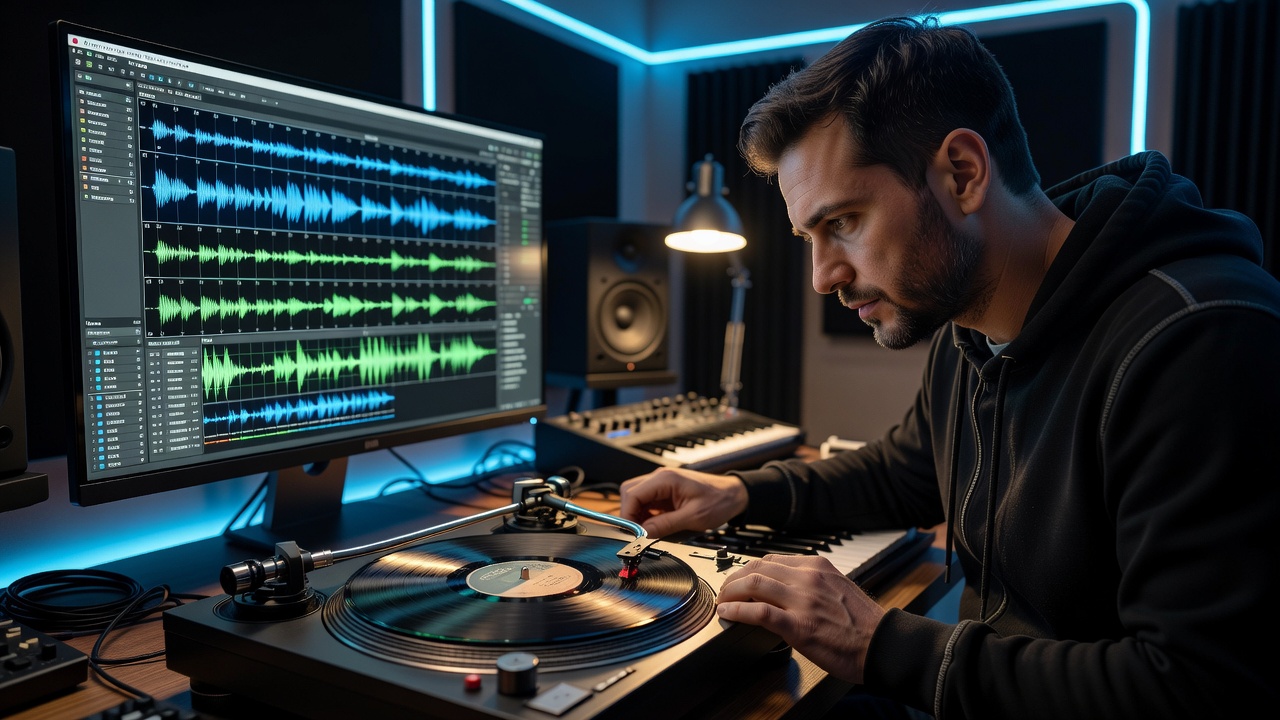
Integrating these jazz sources requires care and creativity. Here is a detailed workflow used by many professionals in 2026.
- Locate high-quality transfers of the original recordings and import them into your DAW at their native tempo.
- Use AI stem separation tools to isolate horns, bass, drums, and piano where available.
- Apply precise time-stretching algorithms that preserve transients while matching your project BPM.
- Layer the processed jazz elements with electronic drum samples, using side-chain compression to create groove interplay.
- Process through analog-modeled filters and saturation to blend organic warmth with digital precision.
- Experiment with granular resynthesis on short phrases to generate entirely new melodic or textural variations.
- Automate filter cutoff and resonance across eight- or sixteen-bar cycles to maintain listener interest.
Applying this process to Monk's "Crepuscule with Nellie," for example, yields glitch patterns that sit perfectly between trap hi-hats and broken beats.
Comparisons with Rock History Influences
Rock history often emphasizes driving backbeats and power-chord simplicity. Jazz, by contrast, introduces swing feel, metric modulation, and rich chord extensions that add unpredictability. Where rock samples tend to lock into straight quantization, jazz rhythms encourage micro-timing adjustments that humanize electronic grooves. This difference is especially evident when comparing 1970s rock drum loops with Mingus-derived polyrhythms now appearing in 2026 techno sets.
Hip-Hop Crossover Examples
Jazz samples have powered hip-hop since the golden era. In current trends, Coltrane modal lines underpin melodic trap loops while Kirk's multi-horn textures appear in lo-fi boom-bap hybrids. Producers chop Sun Ra harmonies into chopped-and-screwed vocal chops that bridge experimental hip-hop and future bass. These crossovers create hybrid tracks that dominate playlists and club rotations alike.
Practical Tips for Modern Producers
Start every session by selecting short, two- to four-bar phrases rather than full choruses to minimize clearance concerns. Use granular engines on horn sustains to create pads that evolve unpredictably. Reference authoritative databases such as AllMusic to verify alternate takes and session details before sampling. Collaborate with jazz instrumentalists for fresh recordings that avoid copyright pitfalls entirely. Keep an ear on Grammy.com for emerging category trends that reward genre-blending work. Finally, test your hybrids on club systems early to ensure low-end clarity when jazz bass lines meet electronic kicks.
- Always export reference mixes at multiple volume levels to check translation.
- Document every processing step for future template creation.
- Study swing quantization curves in your DAW to replicate authentic jazz feel.
- Share stems with trusted collaborators for feedback on harmonic integration.
Emerging 2026 Trends and Forward Outlook
Looking ahead, expect more generative patches derived from jazz modal structures and real-time AI that improvises alongside live electronic sets. Modular communities are already building patches inspired by Sun Ra's harmonic language, while future bass artists push Coltrane-inspired chord changes into mainstream festival sets. These developments promise richer, more emotionally resonant electronic music that honors jazz roots without nostalgia.
FAQ
How do I begin sampling jazz? Begin with public domain or Creative Commons recordings and focus first on rhythm extraction before tackling harmony.
What subgenres benefit most from these techniques? IDM, experimental electronica, and melodic techno thrive on the rhythmic and harmonic complexity jazz provides.
Are there legal considerations when sampling? Always clear samples through proper channels or recreate elements using session musicians to stay compliant.
Which DAW features help most with jazz integration? Advanced warping, granular synthesis, and MIDI randomization tools deliver the best results.
Conclusion
Jazz essentials continue to propel electronic innovation throughout 2026 and beyond. By applying the step-by-step methods, comparisons, and tips outlined above, producers can craft distinctive work that respects tradition while embracing future possibilities. Continue exploring trusted sources such as Rolling Stone for the latest genre developments and keep experimenting with these five foundational tracks to stay ahead of the curve.
No comments yet. Be the first!