 Instrumentiverse
Introduction: Why Recording Transforms Beginner Practice
Many new guitarists and pianists practice daily yet feel stuck after weeks of effort. The missing piece is often objective feedback. Recording your sessions creates a clear mirror for your playing, revealing timing slips, uneven dynamics, and posture problems that are hard to notice in real time. This approach helps beginners on guitar and piano accelerate their learning curve by turning subjective feelings into concrete data. In 2026, with smartphones more powerful than ever, anyone can implement this method without extra cost. This guide walks beginners through every step of turning simple recordings into a powerful learning tool for faster, measurable improvement. By the end, you will understand not only the why but also the exact how of self-recording, including specific listening techniques, tool choices, and sustainable routines that fit into any weekly schedule.
Key Benefits of Self-Recording for Guitar and Piano
Self-recording delivers three main advantages backed by real practice outcomes. First, it highlights timing inconsistencies that a metronome alone cannot fix because you hear the actual result against a steady beat. For example, a guitarist might think their strumming is even until playback shows rushed downstrokes on the third beat of each measure. Second, it shows technical habits such as tense wrists on piano or muted strings on guitar that cause fatigue or poor tone over longer sessions. Third, it builds a progress archive you can revisit months later to see concrete gains, which boosts motivation during plateaus. Beginners who review recordings weekly typically notice improvements in phrasing and accuracy within four to six weeks. Additional benefits include better self-awareness of dynamics and the ability to compare different fingerings or chord voicings side by side. Over time, this habit reduces reliance on teachers for basic feedback and empowers independent learning.
Simple Setup Steps Using Phones or Free Apps
You do not need expensive equipment. Start with the device already in your pocket. Follow these detailed steps for a reliable setup every time.
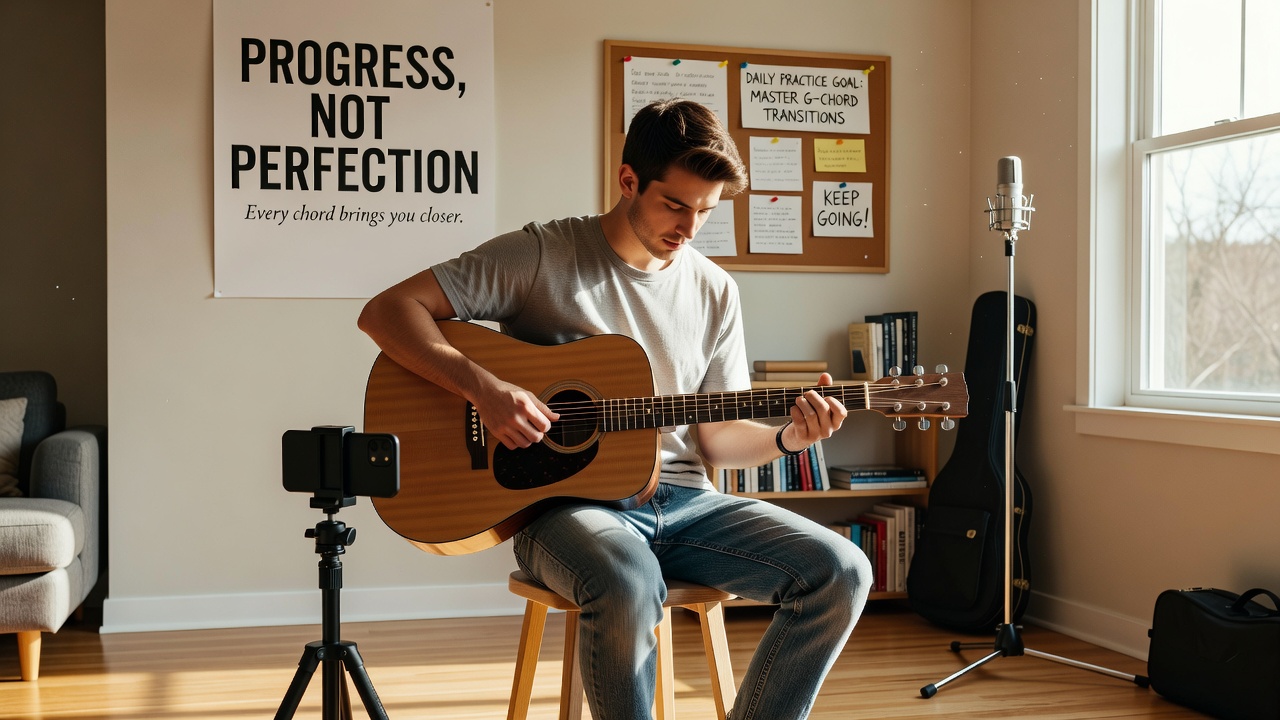
- Place your phone on a stable surface or cheap tripod 1–2 meters from the instrument to capture natural sound without distortion.
- Use the built-in voice memo app or free options such as GarageBand on iOS and the Voice Recorder app on Android for clean mono or stereo capture.
- Set the phone in airplane mode to avoid interruptions and enable airplane mode before each take so notifications do not ruin a good take.
- Record short 3–5 minute segments focused on one exercise or song section rather than full pieces to keep files manageable and review focused.
- Label each file immediately with date, instrument, and focus area such as “2026-06-10-guitar-scale-timing” for easy organization later.
These steps take under two minutes and require zero additional purchases. If you encounter common issues like low volume, move the phone closer or adjust the app input gain. For echo problems, record in a room with soft furnishings like curtains or rugs. Test one practice run before committing to full sessions.
What to Listen For: Guitar Playback Examples
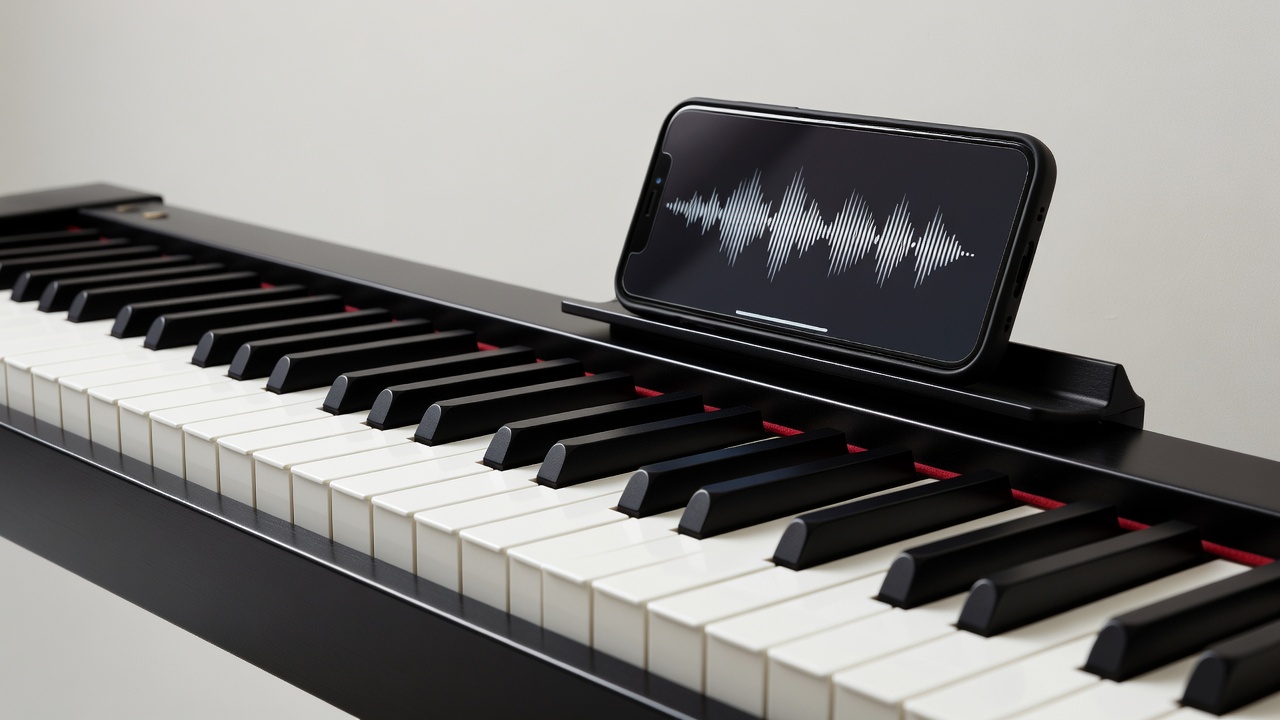
When reviewing guitar recordings, focus on three elements: string clarity, even volume across notes, and rhythmic steadiness. Play back a scale at moderate tempo and ask: Are any notes buzzing or too quiet? Is the rhythm perfectly aligned with a metronome click added in post? Listen at half speed if your app allows; this exaggerates small errors and makes them obvious. For instance, record a basic open-chord progression and check whether each strum rings fully or if certain strings are accidentally muted by poor finger placement. Another example is recording a simple fingerstyle pattern and noting if bass notes overpower melody notes. Over multiple playbacks, you will start identifying patterns such as consistent weakness on the high E string during transitions. These insights directly translate to targeted drills you can apply in the next practice block.
What to Listen For: Piano Playback Examples
Piano recordings reveal different issues. Check for balanced volume between hands, clean note releases, and consistent pedaling. Record a simple chord progression and listen for notes that ring longer than intended or left-hand rhythms that lag behind the right hand. Compare two takes of the same piece recorded one week apart; the later version should show clearer attacks and smoother transitions. A practical example involves recording scales in contrary motion and listening for even finger strength, especially in weaker fingers like the fourth and fifth. Pay attention to how cleanly you lift fingers after each note to avoid muddiness. These details help refine touch and control faster than practicing without feedback.
Basic Recording Tool Comparison
- Built-in phone mic: Free, convenient, acceptable quality in quiet rooms, ideal for quick daily checks.
- GarageBand or equivalent free DAW: Adds metronome, simple editing, and multiple tracks so you can layer a click track over your playing for precise timing analysis.
- External USB mic (optional later): Improves clarity for louder instruments but not required for beginners and adds one more piece of gear to manage.
Most learners achieve excellent results with the first two options for the first six months of practice. Free apps receive frequent updates, keeping features current without cost. Choose based on your device ecosystem and whether you prefer minimalism or extra editing tools.
Actionable Weekly Review Routine
Follow this repeatable process every Sunday evening to turn recordings into progress:
- Listen once without pausing to get an overall impression and note your emotional reaction.
- Listen again and note three specific problems with timestamps, such as “bar 8 timing rush” or “uneven left-hand volume.”
- Re-record the same passage immediately after noting issues to apply instant corrections.
- Compare the two versions side by side and highlight what improved.
- Save both files in a dated folder for future reference and review one older recording from four weeks prior to measure growth.
This routine turns passive listening into active problem-solving and typically yields noticeable gains within a month. Vary the focus each week between timing, tone, and dynamics to cover all aspects evenly.
Common Mistakes to Avoid When Recording Practice
Beginners often fall into several traps. Recording only when they feel confident leads to biased samples that hide real weaknesses. Another mistake is skipping the review step entirely, which wastes the recording effort. Overly long recordings make focused listening difficult, so keep segments short. Finally, comparing yourself to professional recordings instead of your own previous takes can discourage progress. Avoid these by committing to short, honest sessions and always reviewing within 24 hours.
Tracking Long-Term Progress with Recordings
Build a simple archive system using dated folders on your computer or cloud storage. Every month, select one piece or exercise and record it again under the same conditions. Listen back to the first and latest versions in sequence. You will hear clearer tone, steadier rhythm, and greater confidence. This visual and auditory timeline provides powerful motivation and helps set realistic goals for the next quarter.
FAQs: Overcoming Self-Consciousness and Tech Hurdles
How do I get past feeling awkward when I hear my own playing?
Start by recording only technical exercises rather than full songs. Treat the recording as data collection, not performance. After a few sessions the discomfort fades and the value becomes obvious. Many beginners report that the awkwardness disappears completely after the third or fourth session.
What if my phone storage fills up quickly?
Export finished recordings to a free cloud folder and delete local copies. Most practice files are under 10 MB each when recorded in standard quality, so a monthly archive stays manageable.
Do I need perfect silence in the room?
No. A quiet room with the door closed is sufficient. Background noise becomes less noticeable once you focus on your instrument’s sound during playback and can even help train your ear to isolate your playing.
Can I use recordings to prepare for lessons or performances?
Absolutely. Share selected clips with your teacher for targeted feedback or use them to simulate performance pressure by recording in one continuous take without stopping.
Conclusion: Make Recording a Habit
Consistent self-recording is one of the highest-impact habits a beginner can adopt. By following the simple setup, focused listening checklist, weekly review routine, and long-term tracking methods outlined above, guitarists and pianists can identify problems early and track real progress throughout 2026. Start with one short recording today and build the habit from there for steady, measurable improvement.
No comments yet. Be the first!