 Instrumentiverse
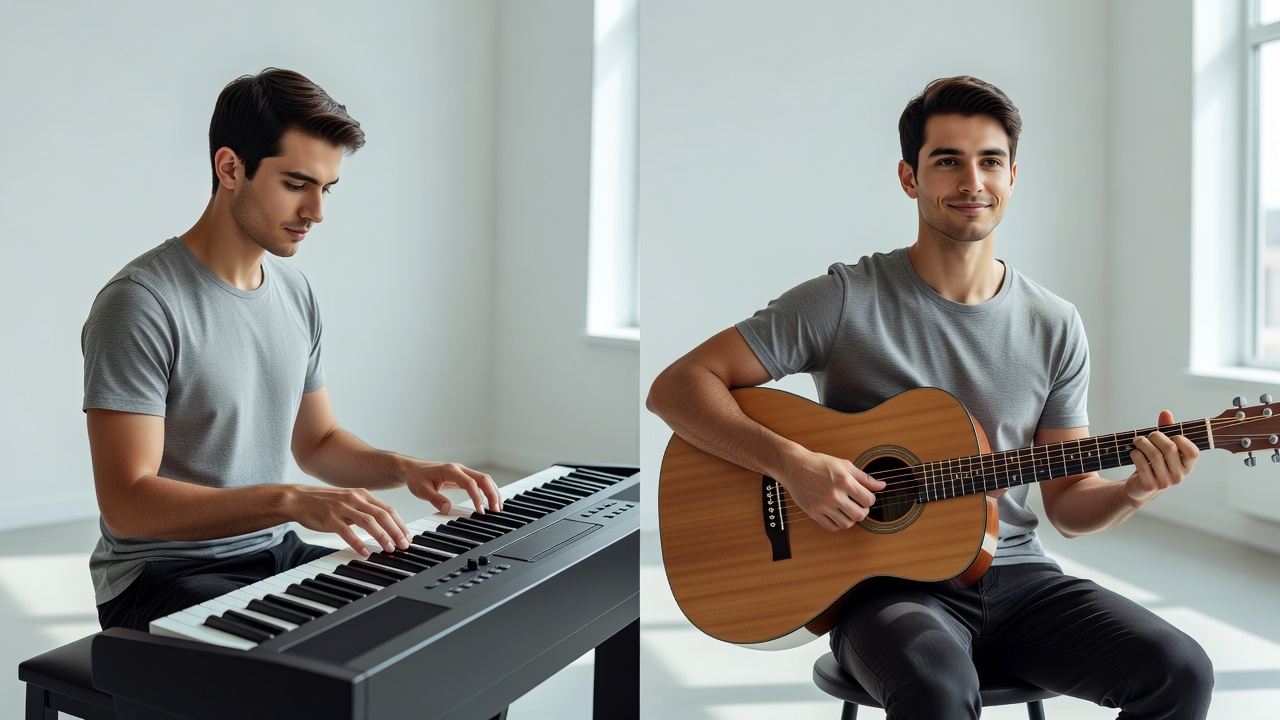
Introduction: Choosing Your First Instrument in 2026
Deciding between guitar and piano as a beginner can shape your entire musical journey. Both instruments offer unique paths to creativity, but factors like learning curve, physical demands, and versatility play key roles. This guide explores these aspects with real-world examples to help you decide confidently. Whether your goal is playing songs quickly or building transferable skills, understanding the differences ensures a rewarding start. Many beginners find that one instrument aligns better with their lifestyle and goals, leading to sustained motivation and faster progress over months of dedicated effort.
Choosing the right starting point matters because early success builds confidence. Guitar offers immediate portability for social settings, while piano provides a clear visual map of music theory. Exploring both options in depth reveals how personal factors such as available space, daily schedule, and musical tastes influence the decision. By the end of this comparison, you will have actionable insights tailored to 2026 beginners seeking practical guidance.
Learning Curves Compared
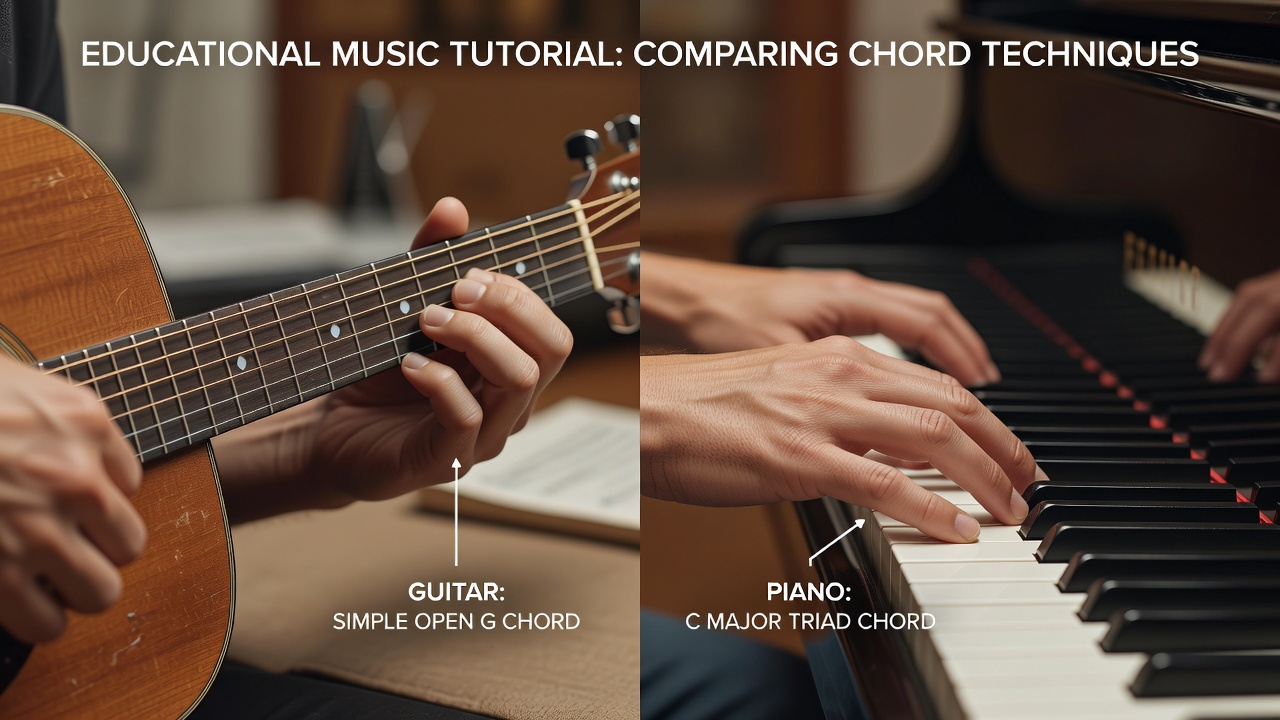
The piano often provides a more visual learning experience because notes are laid out linearly on the keys. Beginners can quickly identify scales and chords without the need for complex finger positioning adjustments. Guitar, however, requires learning fretboard patterns and chord shapes, which can feel abstract at first but builds finger dexterity rapidly once muscle memory develops. Over the first month, piano students typically grasp basic major and minor scales faster due to the straightforward layout.
Most new players report playing simple melodies on piano within days, while guitar chord changes take a few weeks of consistent practice. Both reward regular sessions, but piano tends to offer quicker audible results for absolute novices. Real-world examples show that learners with prior keyboard exposure on computers transition smoothly to piano, whereas guitar appeals to those who enjoy tactile feedback from strumming. Patience with initial discomfort on guitar leads to impressive speed in chord transitions later on.
Physical Requirements and Comfort
Piano playing involves seated posture with minimal strain on the back if the bench is adjusted properly. Guitar demands holding the instrument, which can cause wrist fatigue initially until proper technique is learned. Left-handed players may need adjustments for either instrument, such as mirrored guitars or adapted seating arrangements. Hand size also plays a role; individuals with smaller hands sometimes struggle with wide piano octaves but find guitar barre chords challenging at first.
Consider daily practice ergonomics carefully. Regular stretching prevents common beginner injuries like tendonitis. Many 2026 learners incorporate yoga routines specifically for musicians to maintain flexibility. Examples from online communities highlight how guitarists use strap adjustments for better posture during standing practice, while pianists focus on relaxed wrist positions to sustain longer sessions without pain.
Costs and Accessibility
Entry-level options exist for both without major barriers. Acoustic guitars and digital pianos provide solid starting points that grow with the player. Maintenance differs: guitars need occasional string changes, while pianos require tuning if acoustic. Accessibility improves with compact digital models suitable for small apartments common in urban environments today.
Long-term, both support upgrades as skills grow, making them accessible for sustained learning. Beginners should prioritize instruments that feel comfortable during in-store testing rather than focusing solely on brand names. This approach ensures the chosen instrument supports consistent practice habits from the outset.
Versatility Across Genres
The guitar shines in rock, folk, blues, and pop due to its portability and strumming capabilities. Piano excels in classical, jazz, and contemporary ballads with rich harmonic support. Both instruments adapt to modern production and live performance, allowing crossover into electronic music through MIDI connections. Exploring genres early helps beginners discover personal preferences that keep engagement high over years.
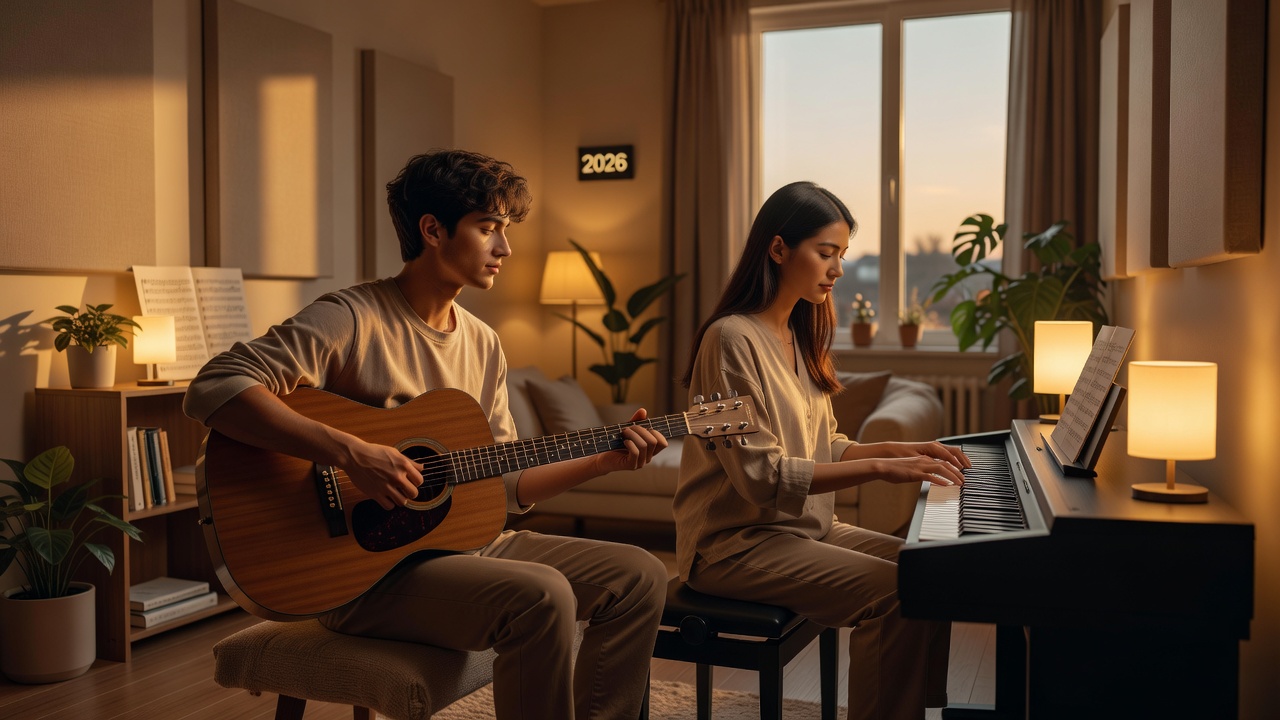
Many musicians eventually learn both, but starting with one builds foundational confidence. For instance, guitarists often add piano elements for songwriting depth, while pianists incorporate guitar for rhythmic drive in ensemble settings. This versatility extends to online collaboration platforms where either instrument opens doors to global communities.
Berklee College of Music resources emphasize how foundational skills on one instrument enhance overall musicianship regardless of starting choice.
Time to Play Your First Songs
With focused practice, piano beginners often master simple tunes like "Twinkle Twinkle Little Star" in under a week. Guitar players typically achieve basic open chords and songs like "Horse with No Name" within two to three weeks. Adding real-world examples, learners tackling "Happy Birthday" on piano gain quick wins that encourage further exploration of pop hits.
Online tutorials accelerate this timeline for both instruments when paired with daily 20-minute sessions. Tracking progress through milestone songs keeps motivation strong. Beginners who set weekly targets, such as completing one easy arrangement, report higher retention rates compared to unstructured practice.
Effective Practice Tips for Beginners
- Start with short, consistent sessions rather than long sporadic ones to build lasting habits.
- Use metronomes to build timing from day one and avoid rushing through difficult passages.
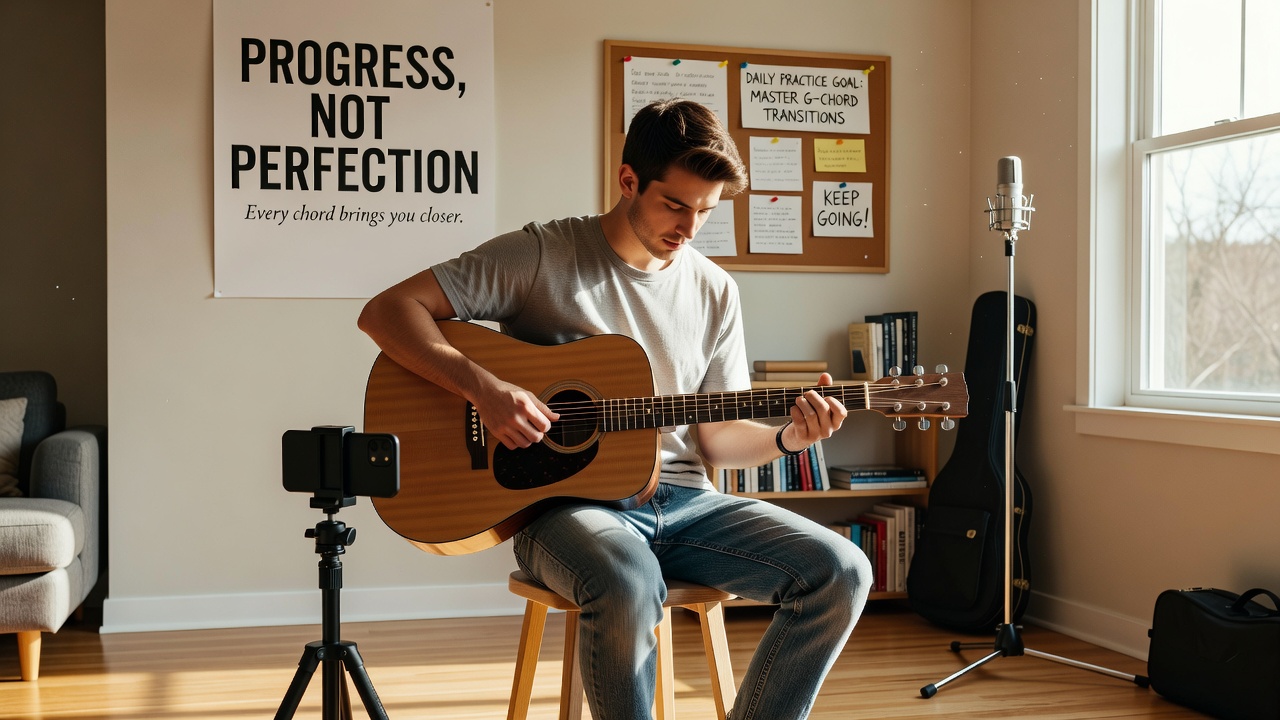
- Record yourself weekly to track progress objectively and identify areas needing extra attention.
- Focus on one new chord or scale per session to avoid overwhelm and promote steady improvement.
- Incorporate ear training apps alongside visual exercises for balanced skill development.
- Join local or virtual beginner groups for accountability and shared learning experiences.
Combining ear training with visual aids speeds mastery on either instrument. Practical routines include warming up with scales before diving into songs, ensuring technical foundations support creative expression.
Long-Term Skill Transfer Between Instruments
Learning piano first enhances understanding of music theory, which transfers directly to guitar chord construction. Guitar experience improves finger independence that benefits piano playing later. Many professionals credit starting on one for easier adoption of the other, noting that rhythm skills developed on guitar enhance phrasing on piano.
Skills like rhythm, ear training, and reading music carry over seamlessly. Music theory fundamentals remain instrument-agnostic, allowing smooth transitions. Real examples include guitarists who master piano arrangements of their favorite tracks within months of switching focus.
Pros and Cons Table
| Aspect | Guitar Pros | Guitar Cons | Piano Pros | Piano Cons |
|---|---|---|---|---|
| Learning Curve | Portable, chord-based fun | Initial finger pain | Visual note layout | Less portable |
| Cost | Affordable entry models | Setup needs | Digital options available | Space requirements |
| Versatility | Great for bands | Limited polyphony | Full harmony support | Seated only |
| Maintenance | Easy string replacement | Regular intonation checks | Stable tuning on digital | Potential tuning costs for acoustic |
Decision Checklist
- Do you prefer portability or a fixed practice space for daily routines?
- Are quick song results important to maintain early motivation?
- What genres excite you most and match your listening habits?
- How much daily practice time can you realistically commit without burnout?
- Do you value music theory foundations early for future songwriting?
- Is there access to quiet space or do you need an instrument suitable for travel?
Beginner Testimonials
"Starting on piano gave me instant melodies that kept me motivated through the first challenging weeks," shares Alex, a 2025 beginner now performing locally at open mics. Jordan notes, "Guitar let me join jam sessions faster than expected after the first month of sore fingers, transforming my social life." Additional stories from 2026 learners highlight how piano helped one user compose original pieces while guitar enabled another to collaborate in bands sooner.
2026 Gear Recommendations
Look for well-reviewed starter models with good action and sound quality that feel comfortable during extended play. Digital pianos with weighted keys and compact travel guitars remain popular choices among new musicians. Check local music stores for hands-on testing before purchase to ensure ergonomic fit. Focus on instruments that inspire regular practice rather than advanced features unnecessary at the beginner stage.
Frequently Asked Questions
Can I switch instruments later?
Yes, many do successfully. Piano theory knowledge accelerates guitar progress and vice versa, making the transition smoother than expected for dedicated learners.
Which is better for kids?
Piano often suits younger beginners due to its structured layout, while guitar appeals to teens seeking social playing opportunities in groups or online.
How important is a teacher?
Self-taught paths work with quality resources, but occasional lessons prevent bad habits from forming early and speed up technical development.
What if I have limited space at home?
Digital pianos with compact designs or travel-sized guitars provide practical solutions without sacrificing playability or sound quality.
Conclusion
Both guitar and piano offer fulfilling entry points into music that can last a lifetime. Assess your personal preferences using the checklist above, then commit to consistent practice. Whichever you choose first, the skills gained will enrich your musical life for years, opening doors to creativity, collaboration, and personal growth.
No comments yet. Be the first!