 Instrumentiverse
Why Warm-Ups Are Essential for Beginner Musicians
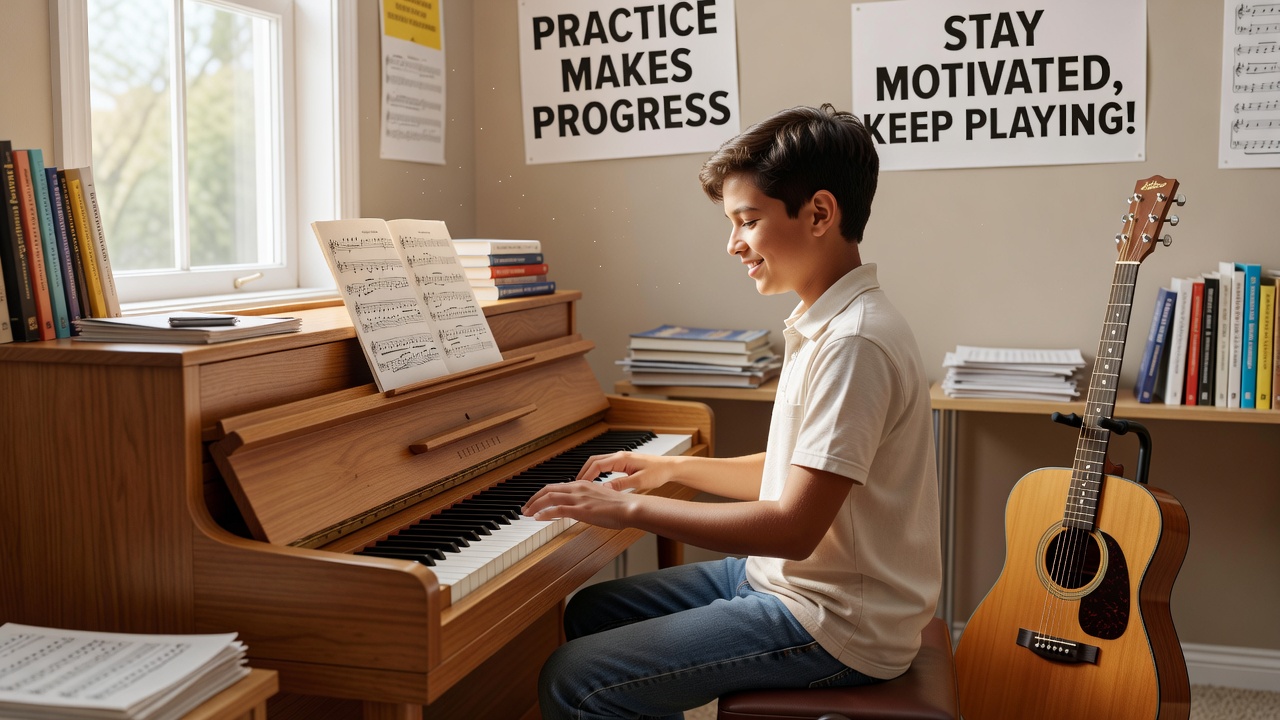
Starting guitar or piano practice without a proper warm-up can lead to tension, poor technique, and even injury over time. For absolute beginners, dedicating just 5–10 minutes to preparation helps increase blood flow to the hands, improves flexibility, and sets the foundation for accurate playing. Whether you're learning chords on guitar or basic melodies on piano, consistent warm-ups accelerate progress and make sessions more enjoyable. Many new players underestimate how much a structured start reduces frustration during the first weeks of learning, allowing them to focus on musical expression rather than discomfort.
Both instruments demand fine motor control, but their physical demands differ slightly. Guitar requires precise fretting and strumming motions that build calluses, while piano emphasizes even keystrokes across a wider range. Tailoring your routine to address both builds well-rounded skills and prevents one-sided development that could slow overall growth.
The Science Behind Effective Warm-Ups
Warm-ups prepare muscles, tendons, and joints by raising temperature and promoting synovial fluid movement in the hands. This reduces stiffness and enhances coordination. Research from health authorities highlights that repetitive strain issues often stem from cold starts, making these routines vital for long-term playing health. Beginners who incorporate them report faster mastery of basic pieces and fewer mid-session breaks due to fatigue.
Hand Stretches for Guitar and Piano
Begin every session with gentle stretches to loosen muscles and joints. These are safe for beginners and take only a couple of minutes. Start seated comfortably with shoulders relaxed and back straight to maintain good posture throughout.
- Hold your arms out and gently rotate your wrists in circles, 10 times each direction, imagining drawing small circles in the air to keep movements controlled.
- Spread your fingers wide, then slowly close them into a fist. Repeat 8–10 times, focusing on smooth motion without jerking.
- For guitarists, gently pull each finger back with the opposite hand to stretch the fretting hand tendons, holding for 15 seconds per finger while breathing steadily.
- Pianists benefit from pressing palms together in a prayer position and lowering the hands to stretch the forearms, which helps counteract the forward reach often used at the keyboard.
- Additional neck and shoulder rolls can be added since tension in the upper body travels down to the hands on both instruments.
Hold each stretch for 15–20 seconds without forcing. Never bounce or push to the point of pain. These movements prepare you specifically for the demands of fretting strings or pressing keys repeatedly.
Finger Independence Drills
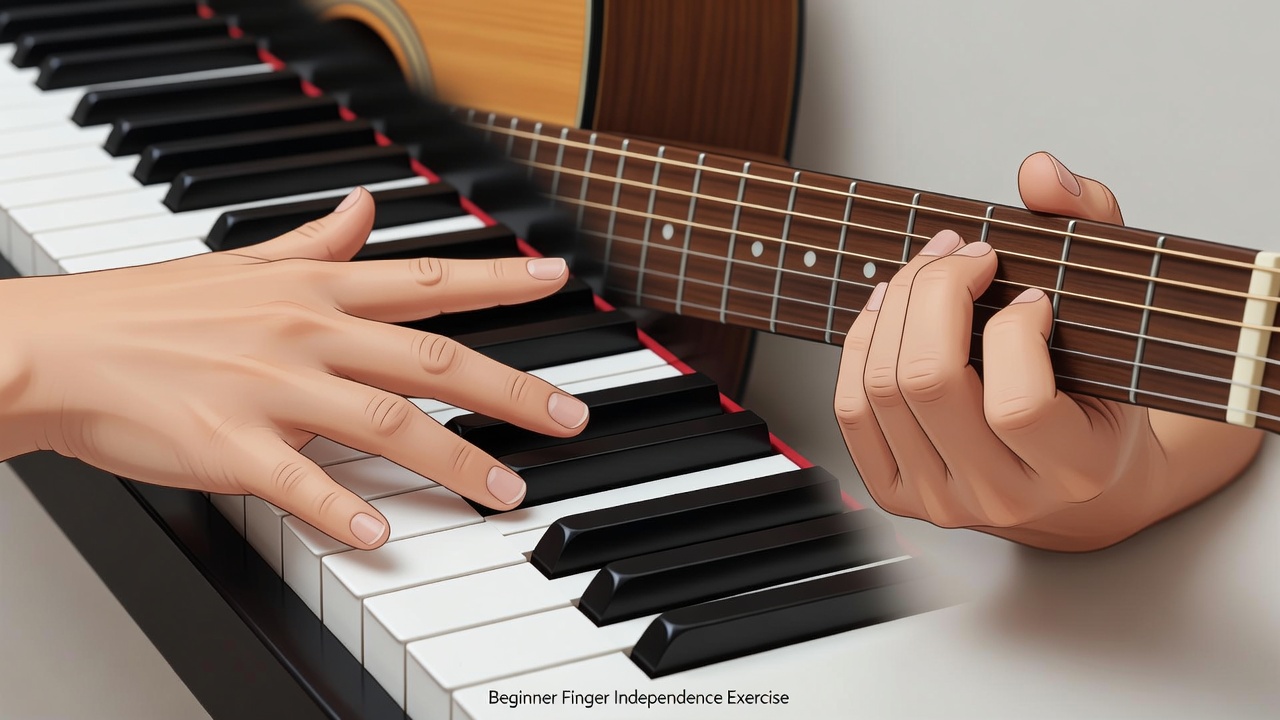
Developing finger independence prevents one finger from dominating others, a common beginner challenge that affects accuracy on both instruments. Practice these daily to build strength evenly.
On piano: Place all five fingers on five consecutive keys (C-D-E-F-G). Lift and press each finger individually while keeping the others relaxed on the keys. Practice slowly for one minute per hand, starting with the right hand before switching. Focus on lifting only the target finger without any twitching in neighbors.
On guitar: Position your fretting hand on the low E string, fretting notes at frets 1–4 with each finger. Lift and press fingers one at a time without moving the others. Repeat on other strings, then switch to the A string for variety. This mirrors piano drills while accounting for string resistance.
These drills improve control for both instruments and can be done without an instrument for extra practice during commutes or breaks. Over two weeks, increase speed gradually while maintaining relaxation.
Simple Scales and Arpeggios with Step-by-Step Guidance
After stretches and drills, move to musical patterns that reinforce technique and connect physical preparation to actual playing.
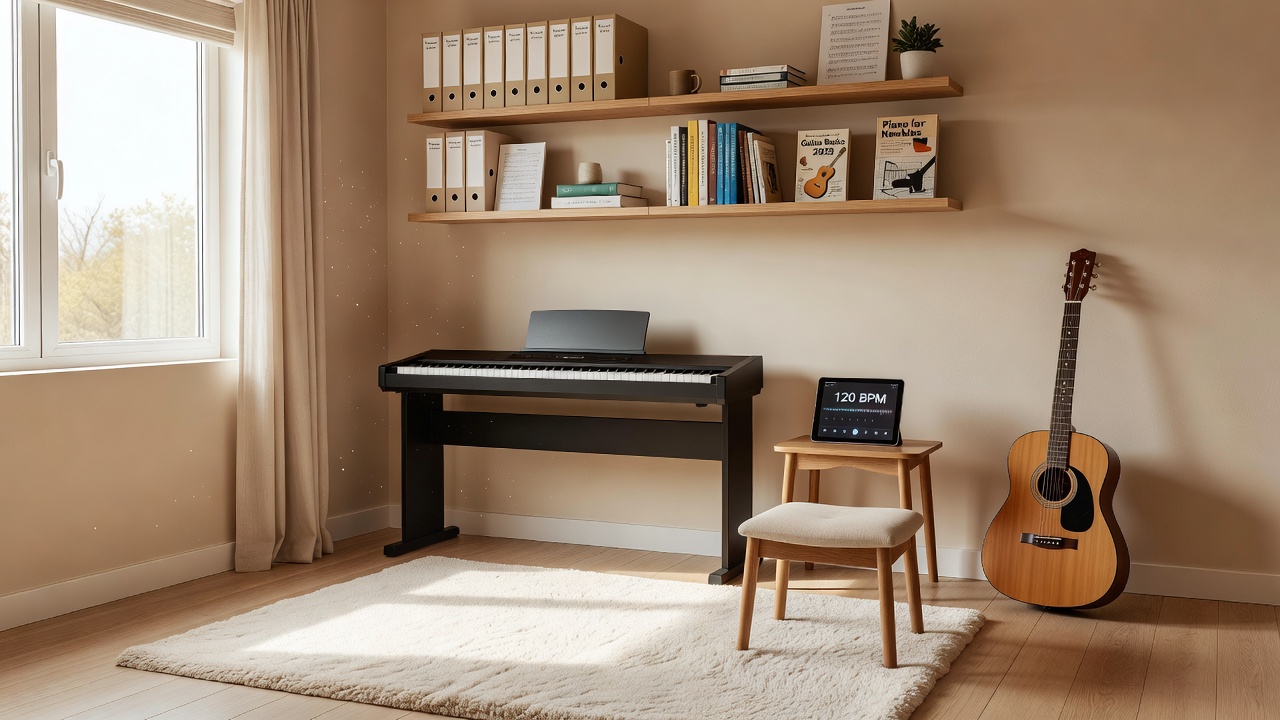
Piano scale example: Play the C major scale ascending and descending with proper fingering (thumb under for smooth transitions). Start at a slow tempo using a metronome app set to a comfortable pace. Focus on even volume and relaxed wrists. Spend 90 seconds here, then repeat hands separately before combining.
Guitar scale example: Practice the open position G major scale, focusing on clean fretting and even tone. Use alternate picking for right-hand coordination. Begin on the low E string and move across, ensuring each note rings clearly without buzzing.
Arpeggios add variety: On piano, break C major chord tones (C-E-G) into single notes with a flowing motion. On guitar, play the same arpeggio across strings using one finger per note, practicing both ascending and descending patterns. Perform each pattern for 60–90 seconds per hand or position, timing yourself to build endurance.
Guitar vs Piano: Key Differences in Warm-Up Needs
Guitar warm-ups emphasize wrist flexibility for strumming and building calluses on fingertips gradually. Piano routines focus more on forearm relaxation to avoid tension during sustained playing across octaves. Both benefit from posture awareness—sit or stand with relaxed shoulders. Guitarists often warm up standing to mimic performance posture, while pianists sit at the bench to align with the keyboard height. Understanding these differences helps you customize routines when switching between instruments in the same practice session.
Sample 10-Minute Daily Warm-Up Routine
Here is a balanced sequence suitable for absolute beginners who play both instruments. Time yourself to stay on track.
- Minutes 1–2: Wrist circles, finger spreads, and shoulder rolls for both hands.
- Minutes 3–4: Finger independence drills, alternating between piano keys and guitar frets if you have access to both.
- Minutes 5–7: C major scale and arpeggio on your primary instrument, played slowly with attention to tone and relaxation.
- Minutes 8–9: Repeat the scale pattern on the secondary instrument or mirror movements on a tabletop for reinforcement.
- Minute 10: Gentle full-hand stretch, deep breathing, and a quick posture check before transitioning to songs.
Perform this routine every day before diving into songs or new material. Adjust timing as you progress, perhaps extending scales to 3 minutes once comfort increases. Variations include adding a simple chromatic exercise or focusing extra time on weaker fingers.
Common Pitfalls to Avoid
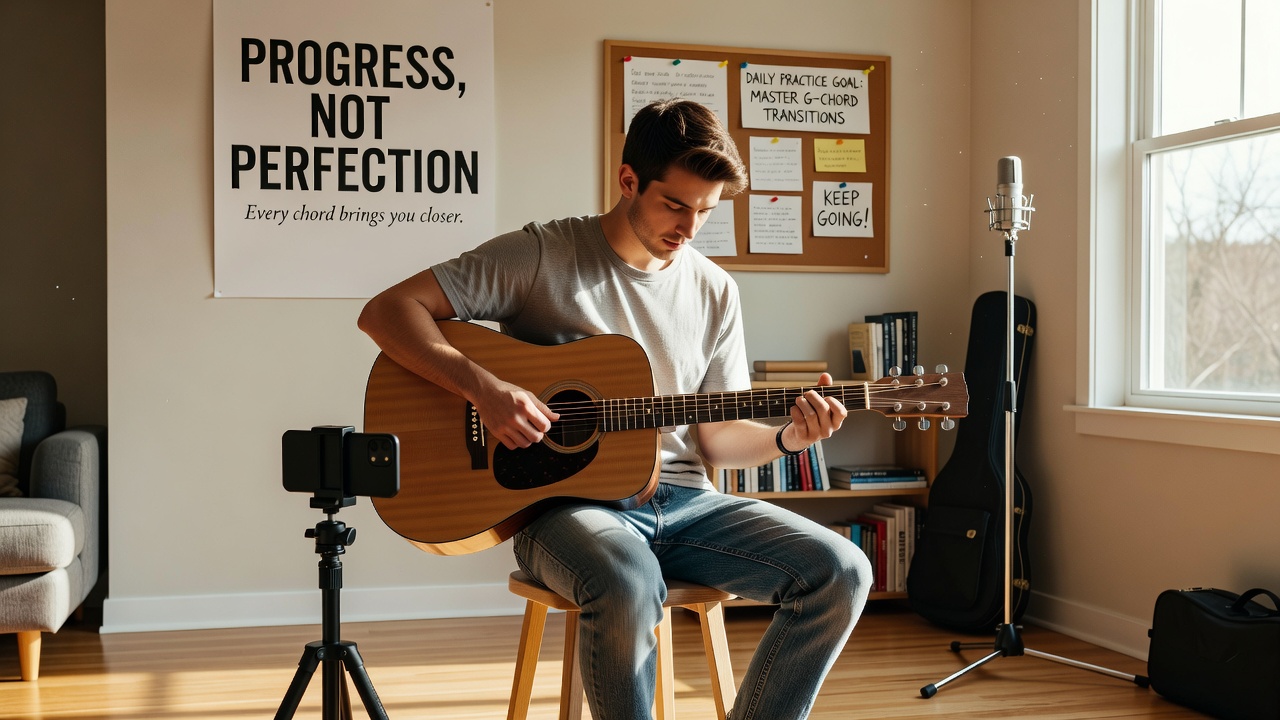
Many beginners skip warm-ups entirely or rush through them, leading to quick fatigue. Others overstretch or use poor posture, such as hunching over the instrument, which creates unnecessary strain. Avoid playing at full speed immediately—always start slow and build tempo only after feeling loose. Ignore pain signals; mild fatigue is normal, but sharp pain requires immediate rest and possibly consulting a professional. Finally, stay consistent rather than doing long sessions only on weekends, as daily short routines yield better results than sporadic intense ones. Tracking your sessions in a simple notebook can reveal patterns and keep motivation high.
Tracking Progress and Progression Tips
After two weeks of consistent warm-ups, most players notice smoother transitions between notes and less stiffness at the start of practice. Progress by increasing drill duration slightly or introducing new scales like G major. Combine warm-ups with short play-along exercises to apply skills immediately. Resources from established music education institutions can provide further guidance on building sustainable habits.
Frequently Asked Questions
How often should beginners warm up?
Daily practice with a short warm-up is ideal. Even 5 minutes before each session helps maintain flexibility and prevents stiffness, especially during the first months of learning.
When can I skip the warm-up?
Only if you've already been playing for 10+ minutes in the same session. Otherwise, always include at least basic stretches to protect your hands.
How long until I see improvement?
Most beginners notice better finger control and reduced tension within two to three weeks of consistent warm-ups, with noticeable gains in playing endurance by week four.
Can I warm up without an instrument?
Yes. Stretches and finger drills work well away from the instrument and are useful during travel or breaks at work or school.
Following these guidelines creates a strong foundation for enjoyable, injury-free progress on both guitar and piano. Stay patient, practice mindfully, and your technique will develop naturally over time. For additional insights on musician wellness, explore guidance from Mayo Clinic and practice strategies shared by Berklee College of Music.
No comments yet. Be the first!