 Instrumentiverse
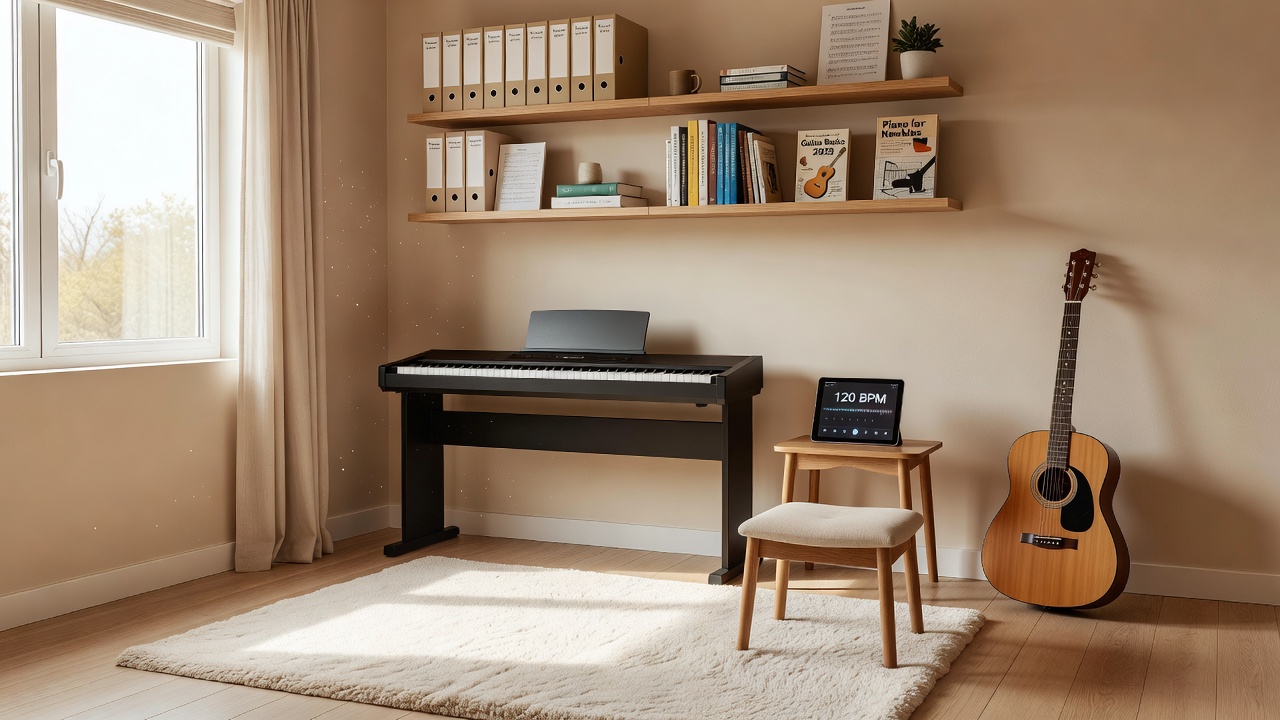
Introduction: Why Your Practice Space Matters
Creating a dedicated beginner music practice space is one of the most important steps for anyone learning guitar or piano. An inviting environment reduces distractions, supports good posture, and encourages daily practice. In 2026, beginners have access to affordable tools that make setup easier than ever. This guide walks you through choosing equipment, optimizing acoustics, and organizing your space for steady progress without feeling overwhelmed. A thoughtful layout can transform sporadic attempts into a sustainable habit that builds real skills over time.
Selecting the Ideal Location in Your Home
Begin by evaluating available rooms or corners. A space of at least 8 by 10 feet works well for most beginners, allowing room for movement without feeling cramped. Prioritize areas with minimal foot traffic, such as a spare bedroom or basement alcove. Consider noise levels for neighbors and family members by choosing a spot away from main living areas. Natural ventilation and temperature control also matter, as extreme heat or cold can affect both instruments and your comfort during longer sessions. Once the location is chosen, measure the floor space and sketch a simple diagram to plan furniture placement.
Choosing Affordable Starter Equipment
Start with the essentials: an instrument, a metronome or app, and basic accessories. For guitar beginners, select a comfortable acoustic or entry-level electric model paired with a strap and picks. Piano learners benefit from a digital keyboard with weighted keys and built-in metronome functions. Focus on quality over quantity to avoid clutter. Apps like those from major music education platforms provide tutorials and can replace multiple physical tools. Berklee College of Music offers free online resources that complement physical setups. Organize these items on a small table or shelf near your instrument so everything stays within reach during sessions. Consider adding a simple tuner clip or cable management strips to keep cords tidy and safe.
Optimizing Room Acoustics for Clear Sound
Good acoustics help you hear your playing accurately. Choose a room with carpets or rugs to reduce echo, and add soft furnishings like curtains or bookshelves to absorb sound. Avoid completely bare walls, which create harsh reflections. Simple DIY solutions such as placing foam panels in corners work well for beginners. Test the space by playing scales and adjusting until the sound feels balanced and pleasant. Heavy drapes on windows and a thick area rug underfoot can dramatically improve clarity without professional installation. If the room has hard floors, layering multiple rugs helps control reverberation further.
Step-by-Step Space Layout Examples
Begin by measuring your available area. Place the instrument in the center of the room facing a window for natural light. Position a sturdy chair or bench at the correct height so your arms remain relaxed. Keep a music stand or tablet holder directly in front of you. 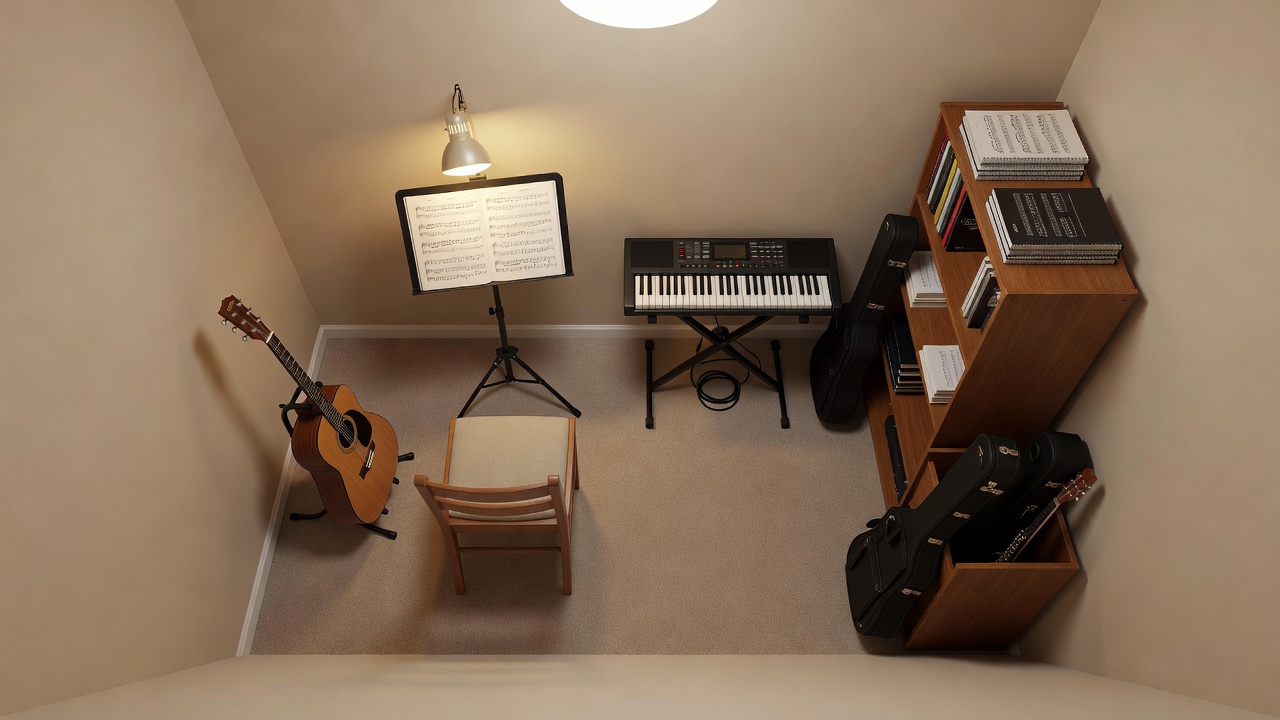
Lighting and Posture Tips for Long Sessions
Proper lighting prevents eye strain during reading music. Use a combination of natural daylight and a warm LED desk lamp angled toward your sheet music or tablet. For posture, sit with your back straight, feet flat on the floor, and shoulders relaxed. Guitarists should hold the instrument at a slight upward angle, while pianists keep wrists level with the keys. Regular checks in a mirror help maintain alignment and reduce fatigue. Adjustable lighting with dimmer switches allows adaptation for evening practice. Investing in an ergonomic chair with lumbar support pays dividends during extended sessions by preventing back discomfort.
Budget vs Premium Starter Setups Comparison
Budget setups rely on multi-purpose items like a single app for tuning and timing, plus basic furniture you already own. Premium options include dedicated stands, high-quality headphones, and adjustable benches. Beginners often succeed with the budget route because it lowers the barrier to entry and allows upgrades later. The key is functionality that supports consistent practice rather than luxury features. Compare options by listing must-have versus nice-to-have items before purchasing anything new.
Actionable Checklist for Your Practice Space
- Clear the floor area of clutter
- Install non-slip mats under the instrument
- Stock a water bottle and timer nearby
- Test acoustics with a short recording
- Label storage bins for quick access
- Include a small plant for a welcoming feel
- Position a waste bin within arm's reach
- Verify electrical outlets for any powered devices
Common Pitfalls to Avoid
Many new learners overcrowd the space with too many gadgets at once. Another frequent mistake is poor lighting that causes shadows on music sheets. Ignoring acoustics leads to inaccurate self-assessment of playing. Finally, placing the setup in a high-traffic area invites interruptions—choose a quieter corner instead. Overlooking cable safety can create tripping hazards, so route wires along walls or under rugs from the start.
Incorporating Technology and Apps
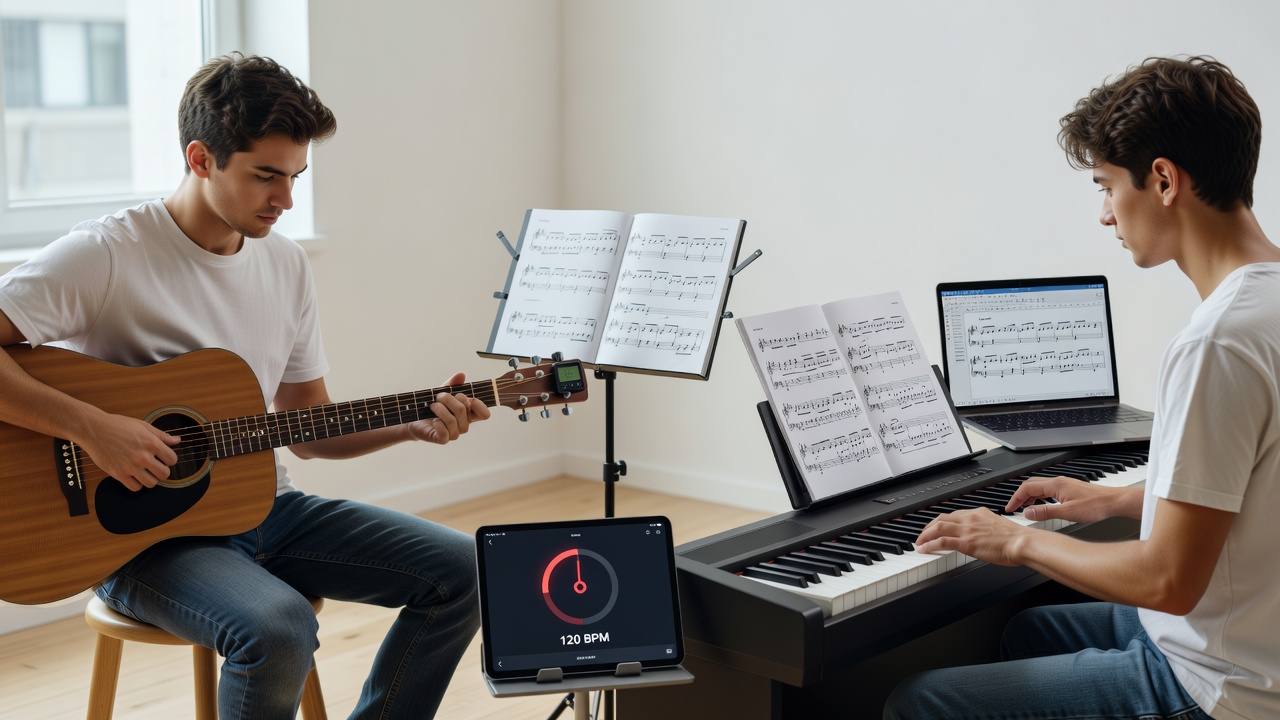
Modern beginners benefit from tablets loaded with tutorial apps that offer interactive lessons. Pair these with a reliable metronome app to maintain steady timing. Wireless headphones allow private practice without disturbing others. Integrate a simple recording device to track weekly improvements and identify areas needing extra focus. NAMM provides industry insights on emerging music technology suitable for home use.
FAQ: Maintaining Motivation Through Practice Tips
How long should beginners practice each day?
Start with 20–30 minutes of focused sessions and gradually increase as comfort grows.
What if I lose motivation?
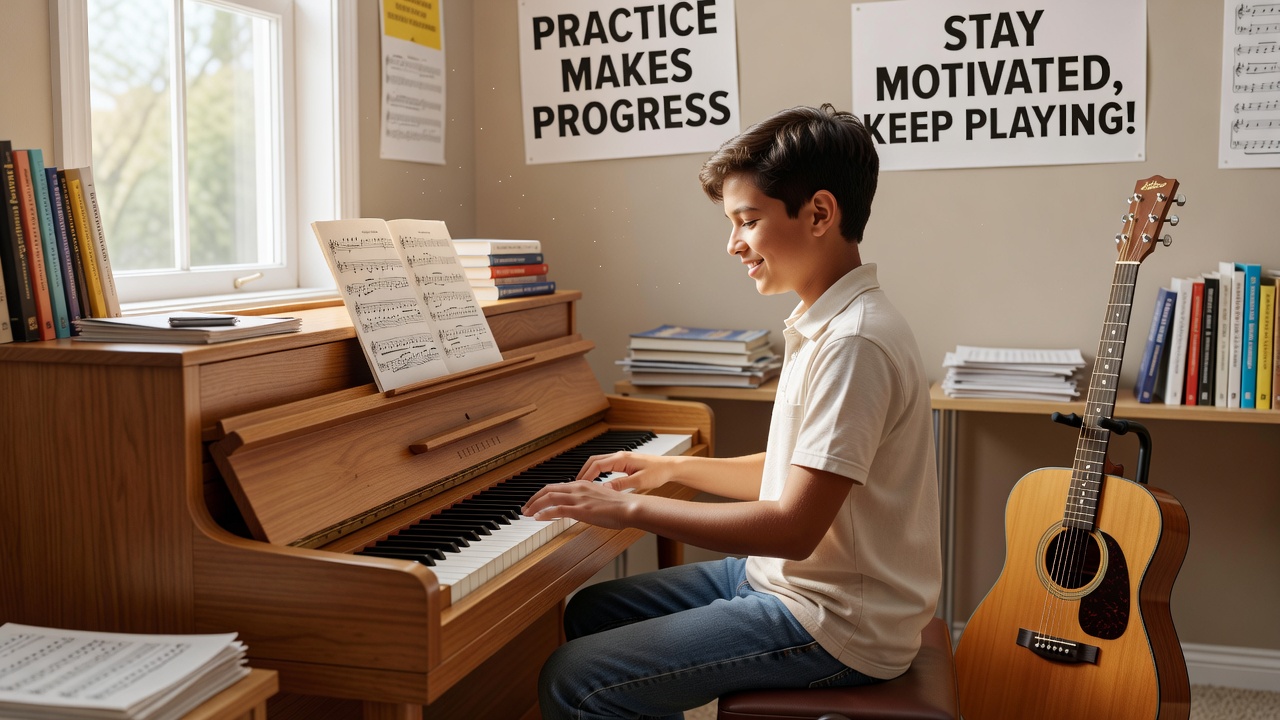
Set small weekly goals and reward yourself after completing them. Track progress in a simple notebook.
Can I practice in a shared living space?
Yes—use headphones with digital instruments and schedule sessions during quieter hours.
Are apps better than physical metronomes?
Both work; many free apps from established music sites offer extra features like tutorials.
How do I keep the space inviting over time?
Rotate decorations seasonally and clean surfaces weekly to maintain a fresh atmosphere that encourages regular visits.
Conclusion
A well-planned beginner music practice space sets the foundation for enjoyable, consistent learning. By focusing on affordable equipment, smart acoustics, and ergonomic layout, you create an environment that supports real progress on guitar or piano. Follow the checklists, avoid common pitfalls, and adjust as you grow. Your inviting space will soon become the highlight of each day. National Endowment for the Arts resources can further inspire long-term musical development.
No comments yet. Be the first!