 Instrumentiverse
Why Hand Independence Matters for Beginners
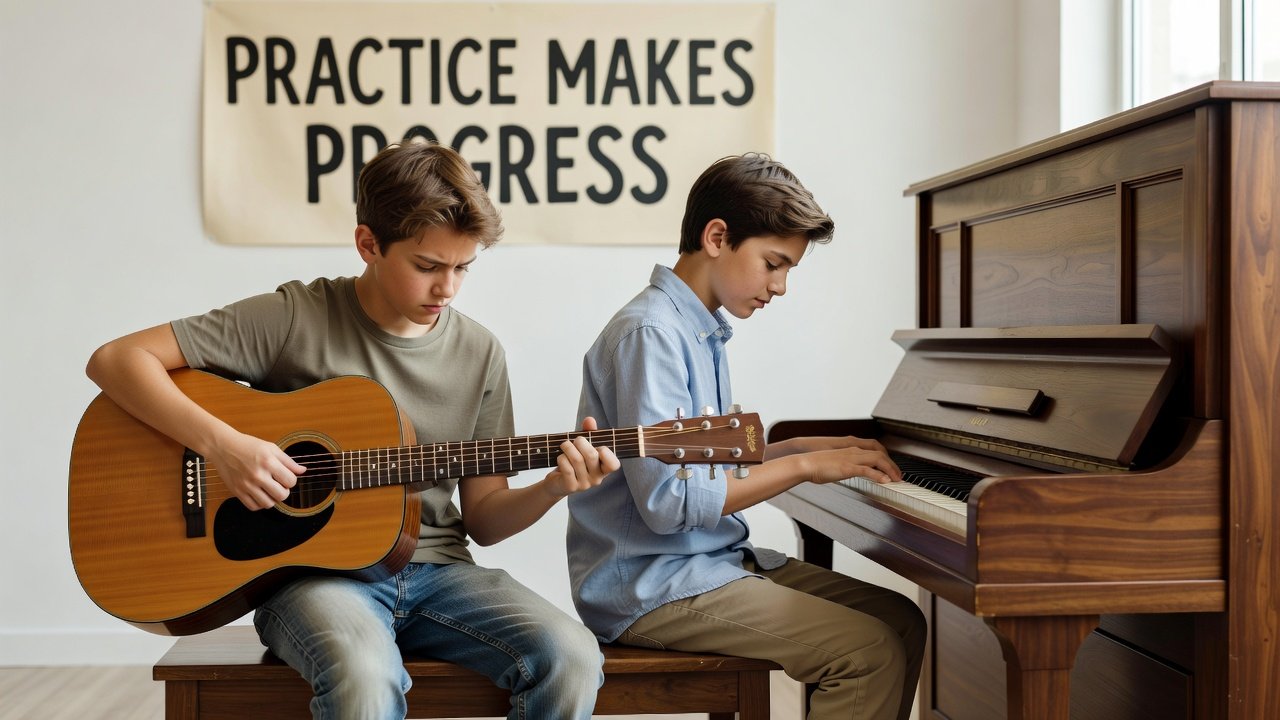
Hand independence is the foundation of playing music on both guitar and piano. It allows each hand to perform separate rhythms, notes, or patterns without interfering with the other. For beginners, this skill transforms simple melodies into full-sounding music. Without it, playing feels frustrating and uncoordinated. In 2026, structured daily practice remains the most effective path forward. Many new players struggle because their dominant hand wants to lead everything. Targeted exercises break this habit quickly. The tutorials below focus on measurable progress through short, repeatable drills that build coordination over time.
Developing this ability also improves overall musicality, timing, and confidence. Beginners who master basic independence can tackle more complex pieces earlier and enjoy playing with others sooner. The key is consistency rather than long sessions. Even ten focused minutes daily yields better results than sporadic hour-long practices.
Guitar Hand Independence Drills
Start with open-string exercises on guitar. Place your fretting hand on the 3rd fret of the low E string while your picking hand plays steady eighth notes on open strings. Gradually change the fretting pattern every four beats. This separates left-hand pressure from right-hand rhythm. Practice in front of a mirror to monitor tension in your shoulders and wrists.
Progressive Guitar Exercises
- Week 1: Alternate bass notes with simple downstrokes only, keeping the metronome at 60 BPM.
- Week 2: Add hammer-ons on the fretting hand while maintaining even picking patterns across multiple strings.
- Week 3: Introduce Travis picking patterns where thumb plays bass and fingers play melody simultaneously.
- Week 4: Combine strumming with fingerpicking on the same song to challenge both hands further.
Always warm up with five minutes of chromatic runs before drills. Record yourself weekly to hear improvement in clarity and evenness.
Piano Hand Independence Drills
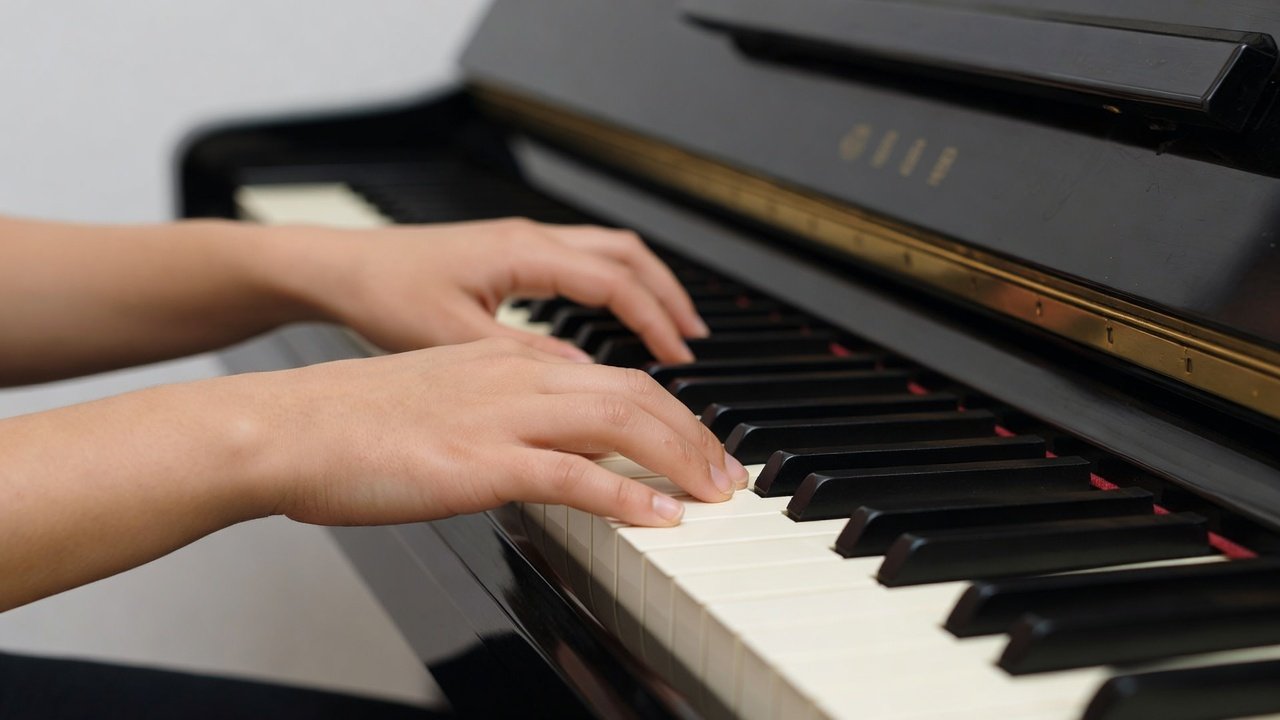
On piano, begin with the classic “separate hands” method. Play a steady quarter-note C major scale in the right hand while the left hand holds single bass notes on beats 1 and 3. Once comfortable, reverse the hands and repeat in different keys. This foundational drill trains each hand to maintain its own pulse.
Advanced Piano Coordination Steps
Progress to contrary motion scales: right hand ascends C major while left hand descends the same scale. This builds coordination fast. Add simple rhythms next—right hand plays eighth notes, left hand plays half notes. Introduce chord inversions where the left hand plays root position triads and the right hand plays broken arpeggios. Use a metronome app to gradually increase speed by 4 BPM each successful session. Focus on relaxed wrists and curved fingers to avoid strain during longer practice blocks.
Comparing Guitar and Piano Approaches
Guitar emphasizes physical separation between fretting and picking, while piano focuses on finger independence across two hands on the same keyboard. Both benefit from slow metronome practice at 60 BPM. Guitar players often find fingerstyle easier for independence than strumming, whereas piano players advance quicker with two-handed chord inversions. The shared principle is starting extremely slow and building speed only after accuracy is achieved. Cross-training on both instruments can accelerate overall progress because the coordination concepts transfer between them.
Simple Song Applications
Apply skills to real music. On guitar, try “Horse with No Name” by America—steady bass with changing top notes. On piano, “Heart and Soul” teaches basic left-hand chords against right-hand melody. Start at half speed and increase tempo only when clean. Another excellent example is “Let It Be” by The Beatles for piano, where the left hand maintains a steady rhythm while the right hand plays the vocal line. For guitar, “Blackbird” by The Beatles offers a perfect Travis picking challenge that directly practices independence.
Progressive 30-Day Routine
- Days 1-10: 5-minute coordination warm-ups daily plus 10 minutes of basic drills on your primary instrument.
- Days 11-20: Add one new song per week and practice it hands-separate before combining.
- Days 21-30: Combine guitar and piano exercises for cross-instrument gains, ending each session with a short performance of a learned piece.
Track milestones such as playing a full minute without mistakes or reaching 80 BPM cleanly. Adjust the routine if fatigue sets in by shortening sessions but never skipping days.
Troubleshooting Common Struggles
If hands lock up, slow the tempo dramatically. Tension usually comes from rushing. Use a mirror to check posture and ensure your back stays straight. If one hand dominates, practice the weaker hand alone for extra minutes each day. Consistent short sessions outperform long, infrequent ones. Another frequent issue is uneven volume between hands; solve this by practicing the softer hand louder in isolation before rejoining both. Beginners also benefit from mental rehearsal—visualize the movements when away from the instrument.
FAQ: Integrating Hand Independence Practice
How long until I see results? Most beginners notice improvement in two to three weeks with daily 15-minute sessions.
Should I practice both instruments together? Alternate days to avoid overload while building similar coordination skills.
What if I have small hands? Focus on relaxed technique rather than stretch—independence is about timing, not reach.
Can I use apps or videos for guidance? Yes, supplement with reputable online lessons from established music education platforms to reinforce the drills.
How do I stay motivated? Set small weekly goals and celebrate completing a full song with both hands working independently.
Conclusion
Mastering hand independence opens doors to expressive playing on guitar and piano. Follow the drills, track milestones, and stay patient. Your coordination will improve steadily with consistent effort. For deeper theory resources, explore MusicTheory.net and professional training at Berklee College of Music. Additional guidance is available through Pianote for piano-specific tips.
No comments yet. Be the first!