 Instrumentiverse
Introduction
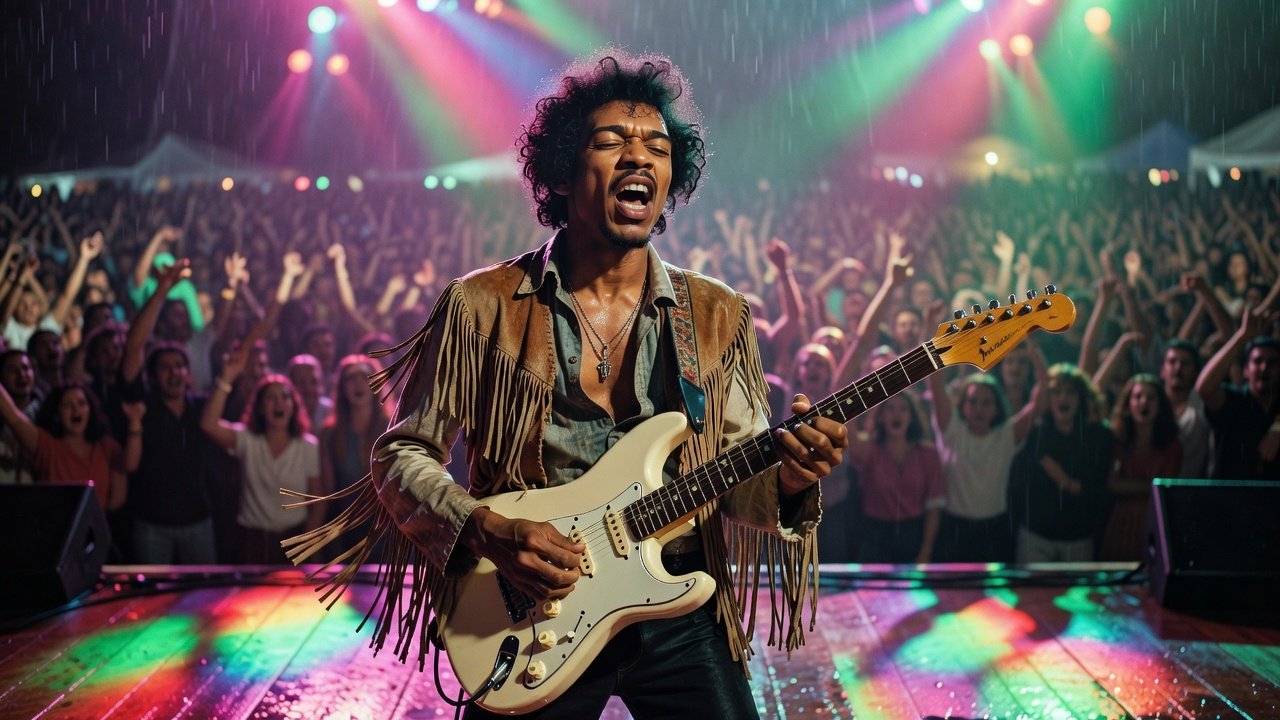
Jimi Hendrix remains one of the most transformative figures in music history, and in 2026 his legacy continues to inspire new generations of guitarists worldwide. This comprehensive profile traces his remarkable path from early blues and R&B influences through explosive live performances at Monterey Pop and Woodstock, while examining the technical innovations that defined psychedelic rock. Readers searching for guitarist bios will find a balanced mix of storytelling and practical technical insights here, covering everything from gear setups to modern applications of his style.
Early Life and Influences
Born Johnny Allen Hendrix in Seattle in 1942, Jimi grew up immersed in the rich traditions of blues and R&B. Key influences included Muddy Waters, B.B. King, and Chuck Berry, whose rhythmic drive and expressive bends informed his foundational technique. By his teenage years he was already experimenting with amplification, pushing small amps to their limits to achieve sustain and distortion long before effects pedals became common. These roots in American blues provided the emotional depth that later defined his psychedelic explorations, allowing him to blend raw feeling with avant-garde sound design.
Breakthrough at Monterey Pop and Woodstock
His 1967 Monterey Pop Festival performance catapulted him to international fame. The set featured a fiery rendition of “Wild Thing” that incorporated guitar-burning theatrics and unprecedented volume levels. Two years later at Woodstock, his interpretation of “The Star-Spangled Banner” became an iconic cultural statement, weaving feedback, distortion, and national anthem motifs into a powerful commentary on the Vietnam era. These moments cemented his reputation as a performer who could turn the guitar into both instrument and voice of social change, as documented by major music institutions.
Signature Techniques and Gear
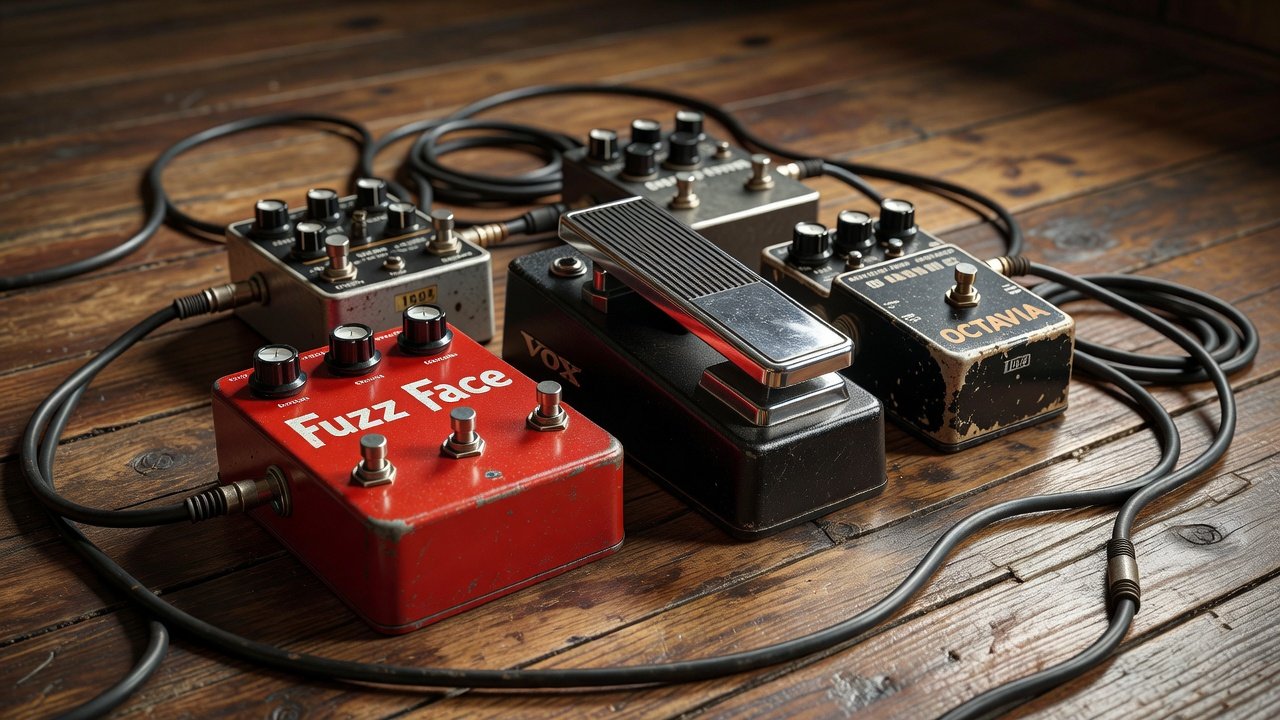
Hendrix mastered feedback manipulation, using controlled sustain and harmonic overtones to create vocal-like expressions from his instrument. The wah-wah pedal, notably the Vox Clyde McCoy model, became central to tracks like “Voodoo Child (Slight Return).” He also pioneered the use of the Fuzz Face and Octavia pedals for rich harmonic textures. His right-hand muting techniques and left-hand string bending created microtonal slides that mimicked the human voice. These methods required precise control of amplifier gain stages and pickup selection, techniques still studied by players today.
Key Albums: Are You Experienced and Electric Ladyland
Released in 1967, Are You Experienced showcased raw energy and studio innovation across tracks like “Hey Joe” and “Purple Haze.” Electric Ladyland (1968) expanded his palette with layered production and extended improvisations, featuring the definitive cover of “All Along the Watchtower.” These records remain essential listening for understanding his evolution from blues-rock to fully realized psychedelic statements. The production choices on Electric Ladyland in particular demonstrated how multi-tracking could transform live energy into immersive sonic landscapes.
Collaborations That Shaped Psychedelic Rock
Working with bassist Noel Redding and drummer Mitch Mitchell in the Jimi Hendrix Experience, Hendrix pushed boundaries of rhythm section interplay. Later projects with Billy Cox introduced funkier grooves, while collaborations with artists like Sly Stone influenced the fusion of rock, funk, and soul. These partnerships helped define late-1960s psychedelic music and created templates still used in modern genre-blending projects.
Live Performances Versus Studio Work
Studio albums captured meticulously overdubbed arrangements where every layer was crafted with care. Live shows, by contrast, emphasized spontaneity, extended solos, and sheer volume that filled arenas. Comparing the controlled chaos of “Purple Haze” in the studio to its twenty-minute live versions at venues like the Fillmore reveals how Hendrix treated the stage as a laboratory for sonic exploration. This duality continues to fascinate analysts and performers alike.
Lasting Impact on Modern Guitarists
Players such as John Mayer, Lenny Kravitz, and contemporary shredders continue to cite Hendrix as a primary influence. His approach to tone sculpting and emotional delivery appears in countless modern recordings, from indie rock to hip-hop production. Guitarists today study his vibrato technique and use of the whammy bar to achieve similar expressive bends and dives. Tribute performances and instructional videos keep his methods alive for new audiences.
Practical Tips for Replicating His Tone
To replicate Hendrix tone, begin with a Stratocaster-style guitar set to the bridge pickup and roll the tone knob slightly back for warmth. Chain a Fuzz Face into a wah-wah pedal before a Marshall-style amp cranked for natural compression. Experiment with slight pickup adjustments and amplifier gain to achieve singing feedback without unwanted squeal. Add light compression and a touch of analog delay to emulate his spatial effects. Practice muting strings with the palm while maintaining consistent attack to control sustain. These steps, when combined, produce the thick, vocal quality that defined his sound across both studio and stage settings.
Unreleased Material and 2026 Tributes
The Hendrix estate continues to release archival recordings. In 2026, new mixes and previously unheard live tapes from the Fillmore era have surfaced, alongside tribute concerts worldwide honoring his 84th birthday. Fans can explore official updates through authoritative music archives such as the Rock & Roll Hall of Fame and the Grammy Museum, which preserve his contributions for future study and appreciation.
Conclusion
Jimi Hendrix’s electric innovation journey redefined what the guitar could express. His blend of technical mastery, emotional depth, and willingness to experiment ensures his music remains vital in 2026 and beyond, continuing to shape how guitarists approach both performance and production.
FAQ
What gear did Jimi Hendrix primarily use?
Hendrix favored Fender Stratocasters routed through Marshall amplifiers, with effects including the Arbiter Fuzz Face, Vox wah-wah pedal, and Octavia octave divider for his signature harmonic richness.
How did Hendrix influence psychedelic rock?
Through innovative use of feedback, effects pedals, and studio experimentation he helped define the genre’s expansive sonic palette and emotional intensity, influencing countless artists across decades.
Are there new Hendrix releases in 2026?
Yes, the estate has issued fresh archival live recordings and remastered tracks, with details available via official channels and institutions like Billboard and Rolling Stone.
What makes his live shows different from studio recordings?
Live performances featured extended improvisations and raw volume, while studio work emphasized layered overdubs and precise production, creating two distinct but complementary expressions of his artistry.

No comments yet. Be the first!