 Instrumentiverse

Introduction to Dynamics in Music
Dynamics form the foundation of expressive playing, transforming mechanical note-reading into emotionally resonant performances. For beginner-to-intermediate musicians, understanding volume control, articulation, and phrasing unlocks deeper musicality across instruments like guitar, piano, drums, and violin. This guide explores these concepts with instrument-specific techniques, practical exercises, and a structured progression plan that builds skills progressively over four weeks. By focusing on safe technique, players can avoid common injuries such as wrist strain or shoulder tension while developing the ability to convey emotion through subtle and dramatic changes in sound.
Effective dynamics prevent tension while building impact. Focus on relaxed posture and gradual control rather than force. Resources from Berklee College of Music emphasize mindful practice for sustainable growth. Whether you are strumming chords on guitar or bowing long phrases on violin, dynamics add the human element that makes music memorable. This article goes beyond basic definitions to provide concrete examples, daily drills, and self-assessment strategies that help you internalize these skills.
Core Dynamics Concepts
Volume Control
Volume ranges from pianissimo (pp) to fortissimo (ff). Practice smooth crescendos and decrescendos using a metronome at 60 BPM to maintain even transitions. Begin by playing a single note or chord at the softest possible level, then gradually increase intensity over four beats until reaching a comfortable maximum without forcing the sound. This exercise trains your muscles to respond proportionally to your intent rather than defaulting to a single volume level. Over time, you will develop finer gradations, allowing you to shape phrases with micro-dynamics that add nuance to even simple melodies.
Articulation
Articulation shapes how notes begin and end—staccato for short attacks or legato for connected flow. Combine with dynamics for nuanced expression. For instance, a staccato note played softly can sound delicate and precise, while the same articulation at higher volume creates urgency. Practice alternating between detached and connected playing within the same dynamic range to build control. This separation of elements helps isolate technique before layering them together in musical contexts.
Phrasing
Phrasing groups notes into musical sentences, using dynamics to highlight peaks and resolutions, mirroring natural speech patterns. Think of each phrase as having a beginning, middle, and end, where volume rises to emphasize the emotional high point and then recedes. Record yourself speaking a sentence and then replicate the inflection on your instrument. This analogy makes abstract musical ideas more tangible and helps beginners connect physical actions to expressive outcomes.
Instrument-Specific Techniques
Guitar: Strumming Intensity
Vary pick pressure and wrist motion for dynamic strums. Light wrist flicks create soft rhythms; fuller arm swings add power without strain. Start with downstrokes only at varying volumes on open chords, ensuring the wrist remains loose. Progress to alternate strumming patterns while maintaining consistent dynamic control across beats. A common example is playing a simple G-C-D progression, beginning at piano volume and building to forte on the final chord to create anticipation.
Piano: Touch Variation
Control key velocity for volume changes. Use finger weight for subtle gradations and forearm for louder passages while keeping shoulders relaxed. Practice scales with alternating finger and arm emphasis, noting how each produces different tonal qualities. For example, play a C major scale ascending with light finger touch for the first octave, then switch to deeper arm weight for the second octave to demonstrate dynamic contrast within a single exercise.
Drums: Hit Power
Adjust stick height and grip for dynamic hits. Higher rebounds suit accents; lower controlled strokes maintain softer grooves. Try playing a basic rock beat on the snare drum, starting with barely audible ghost notes and gradually increasing to rimshots. Focus on consistent rebound height to avoid tension in the wrists, which can lead to fatigue during longer sessions.
Violin: Bow Pressure
Modulate bow speed and pressure near the bridge for intensity or over the fingerboard for softer tones. Maintain even contact to avoid scratchiness. An effective drill involves sustaining an open A string while slowly varying bow pressure from light to firm over eight counts, listening for changes in tone color. Combine this with vibrato at different dynamic levels to explore expressive possibilities unique to the instrument.

Step-by-Step Exercises
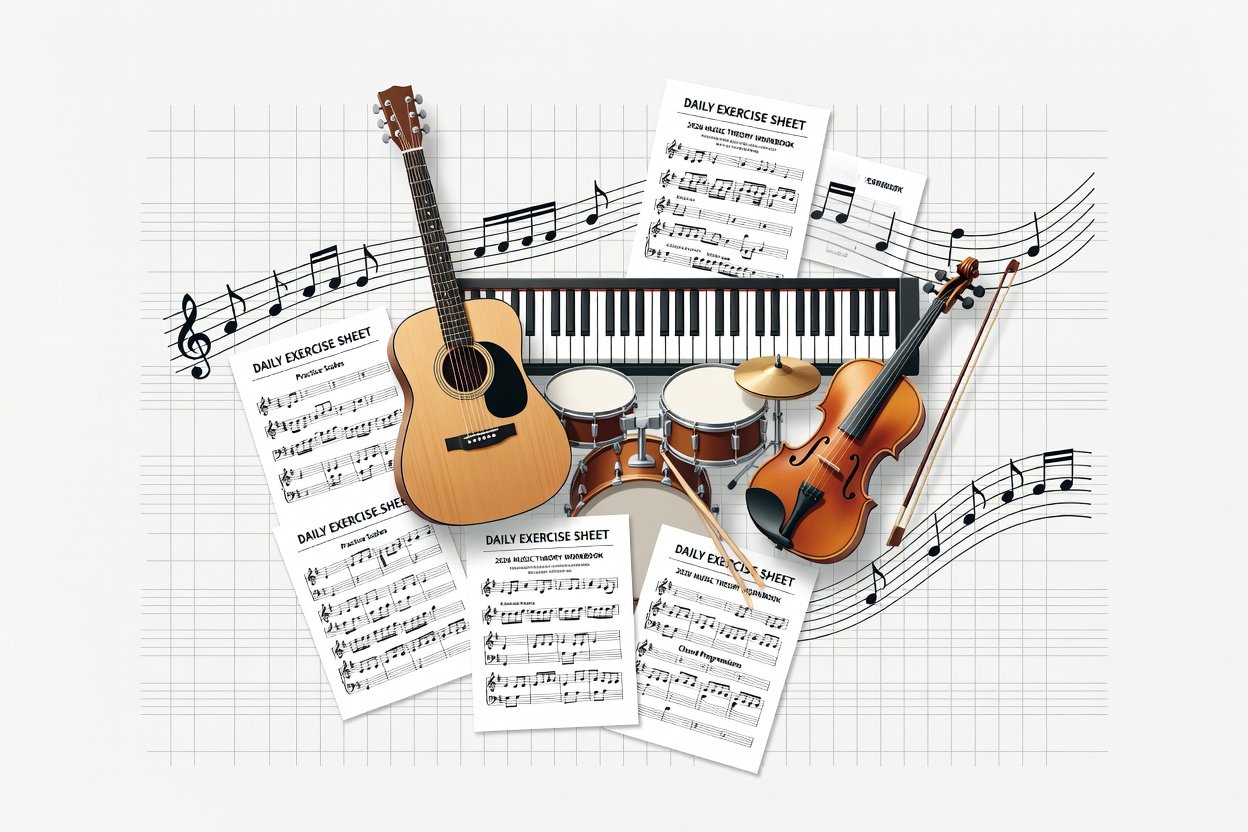
These exercises build foundational control and can be adapted to any of the four instruments. First, perform long tones or sustained notes, gradually increasing then decreasing volume over eight counts while monitoring for tension in the hands or arms. Second, apply articulation by playing scales staccato at low volume for four repetitions, then switch to legato at medium volume. Third, phrase a simple melody such as “Twinkle Twinkle Little Star” by building to a dynamic peak in the middle and releasing tension at the end. Repeat each exercise daily for ten minutes, alternating instruments if possible to develop cross-instrument awareness.
4-Week Progression Plan
Week 1: Focus exclusively on volume control with metronome drills at slow tempos starting at 50 BPM. Spend five minutes on single notes or chords, five minutes on scales, and five minutes recording a short improvisation. Review recordings each evening to identify inconsistent transitions.
Week 2: Introduce articulation variations across all four instruments. Dedicate sessions to staccato versus legato at fixed volumes, then combine with small crescendos. Include one genre-specific piece, such as a folk strum pattern on guitar or a simple classical etude on piano.
Week 3: Combine elements into short phrases and full short pieces. Compare daily recordings for improvement in emotional contour. Introduce metronome variations by practicing at 60 BPM then 80 BPM to build flexibility under tempo pressure.
Week 4: Perform complete pieces incorporating genre-specific dynamics and self-assess for tension using a mirror or video. Focus on live run-throughs without stopping, emphasizing safe posture and breath control to sustain energy throughout longer performances.
Genre Comparisons
- Classical: Precise dynamic markings demand exact control, often requiring rapid shifts between pp and ff within a single phrase, as seen in many sonatas.
- Jazz: Subtle swells and articulations create swing feel, relying on ghost notes and slight dynamic pushes to maintain groove without overpowering the ensemble.
- Rock: Bold volume contrasts drive energy, with guitar strums and drum hits often jumping from quiet verses to explosive choruses.
- Folk: Natural phrasing emphasizes storytelling, using gradual dynamic builds to mirror lyrical content and keep audiences engaged.
Common Pitfalls to Avoid
One frequent mistake is over-squeezing the instrument, which restricts sound and leads to tension; counteract this by consciously relaxing the grip every few measures. Another is ignoring posture, causing shoulder or back strain during extended practice—always sit or stand with a neutral spine. Rushing dynamic changes makes transitions sound abrupt rather than musical; slow down the metronome until control is achieved. Neglecting recording for objective feedback leaves blind spots in progress, so schedule weekly audio or video reviews. Finally, forcing volume through muscle tension instead of efficient technique risks injury; prioritize gradual builds and listen for natural resonance.
Practical Tips
Use metronome drills starting at 50 BPM and gradually increase speed only after achieving consistent dynamics. Record weekly assessments using your phone’s voice memo app, focusing on one instrument per session to compare emotional delivery over time. Warm up with tension-free scales before dynamic work, incorporating deep breathing to release any accumulated stress. For self-assessment, listen back without watching and note where the music feels flat, then target those sections in the next practice. These habits compound over weeks, leading to noticeable expressive growth.
Short FAQ
How long until I see results? Consistent 20-minute daily practice yields noticeable improvement in 4 weeks, with more dramatic gains by week eight when combining multiple concepts.
Can dynamics be practiced without an instrument? Yes, through air bowing, silent piano visualization, or even humming phrases while conducting volume changes with your hands.
Is tension ever okay? Brief controlled tension can add edge in specific moments but must release immediately afterward to prevent long-term strain.
Should I practice all instruments equally? Allocate more time to your primary instrument while spending at least ten minutes weekly on the others to understand cross-instrument principles.
How do I handle performance anxiety affecting dynamics? Begin performances with a short breathing exercise and start at a moderate volume to ease into expressive playing.
Conclusion
Mastering dynamics elevates your playing from accurate to captivating. Apply these tools across guitar, piano, drums, and violin for performances that truly connect with listeners. With dedicated practice using the outlined plan and exercises, you will develop both technical control and emotional depth while maintaining healthy technique throughout your musical journey.
No comments yet. Be the first!