 Instrumentiverse
Introduction to Underrated Guitar Pedals in 2026
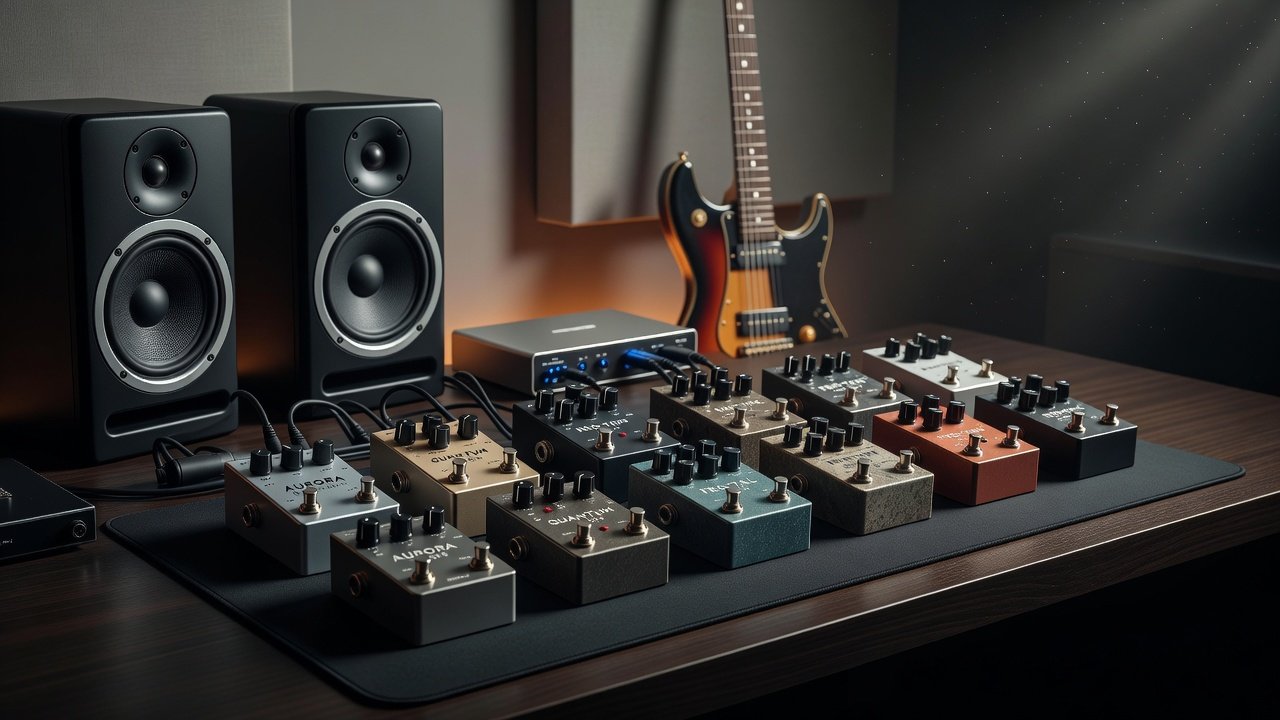
Guitarists seeking fresh tonal options often overlook hidden gems in favor of mainstream effects. This 2026 review focuses on pedals that shine when evaluated through studio monitors connected to audio interfaces, revealing true sonic character beyond hype. Many players rely on top-ten lists that favor well-marketed brands, yet the real innovation often hides in smaller runs or specialized designs. By routing signals through professional monitoring systems, players gain clarity on frequency response, dynamics, and noise floors that consumer speakers might mask. This approach uncovers pedals capable of delivering nuanced overdrive, atmospheric modulation, or precise delay without the coloration introduced by average playback equipment.
The goal is to help guitarists identify tools that integrate seamlessly into both live rigs and home studios. Emphasis is placed on tonal accuracy rather than flashy marketing claims, ensuring recommendations hold up under critical listening conditions.
Selection Criteria for Hidden Gems
Choosing standout pedals requires criteria beyond popularity. We prioritized units with innovative circuitry, versatile controls, and positive user feedback from niche communities. Emphasis fell on models offering unique modulation, overdrive, or delay textures not duplicated in big-brand lines. Additional factors included low noise operation, true bypass or high-quality buffered options, and adaptability across single-coil and humbucker guitars. Build quality was assessed through extended play sessions, checking for sturdy enclosures and responsive knobs that maintain settings during transport. Power consumption was also evaluated, favoring pedals that run efficiently on standard 9V supplies without requiring specialized adapters in most cases.
Testing avoided showroom demos, instead focusing on home and project studio environments where real-world variables like room acoustics and interface preamps come into play. This method ensures the selected pedals perform consistently whether used for practice, recording, or stage performance.
Top Hidden Gems of 2026
Several pedals stood out during monitor-based evaluations. The EarthQuaker Devices Afterneath continues to impress with its reverb and delay hybrid approach, creating cavernous spaces that retain clarity in the low mids. Another notable entry is the Walrus Audio Slö, which excels in ambient textures while preserving note definition. The Old Blood Noise Endeavors Excess offers a fresh take on distortion and modulation combinations, allowing parallel signal paths for creative blending. Finally, the Chase Bliss Audio Thermae provides pitch-shifting delay with microtonal capabilities rarely found in mainstream units. Each of these was selected for their ability to reveal distinct sonic personalities when scrutinized on flat-response monitors.
Side-by-Side Comparisons with Mainstream Options
Consider the EarthQuaker Devices Afterneath versus standard reverb pedals. In monitor tests, the Afterneath delivered ethereal trails with superior stereo imaging when paired with a Focusrite interface. Mainstream alternatives often compressed the tail too aggressively, resulting in a less open soundstage. Another example pits the Walrus Audio Slö against common ambient reverbs. Monitor playback highlighted the Slö's ability to maintain low-end clarity without muddiness, a trait less apparent on smaller speakers. The Old Blood Noise Endeavors Excess was compared directly to popular multi-effects units and demonstrated superior separation between distortion and modulation layers, avoiding the digital artifacts sometimes present in larger pedalboards.
These comparisons were conducted at matched volumes to eliminate bias, with repeated playback sessions confirming consistent advantages in dynamic range and harmonic richness for the lesser-known options.
Real-World Testing Setups
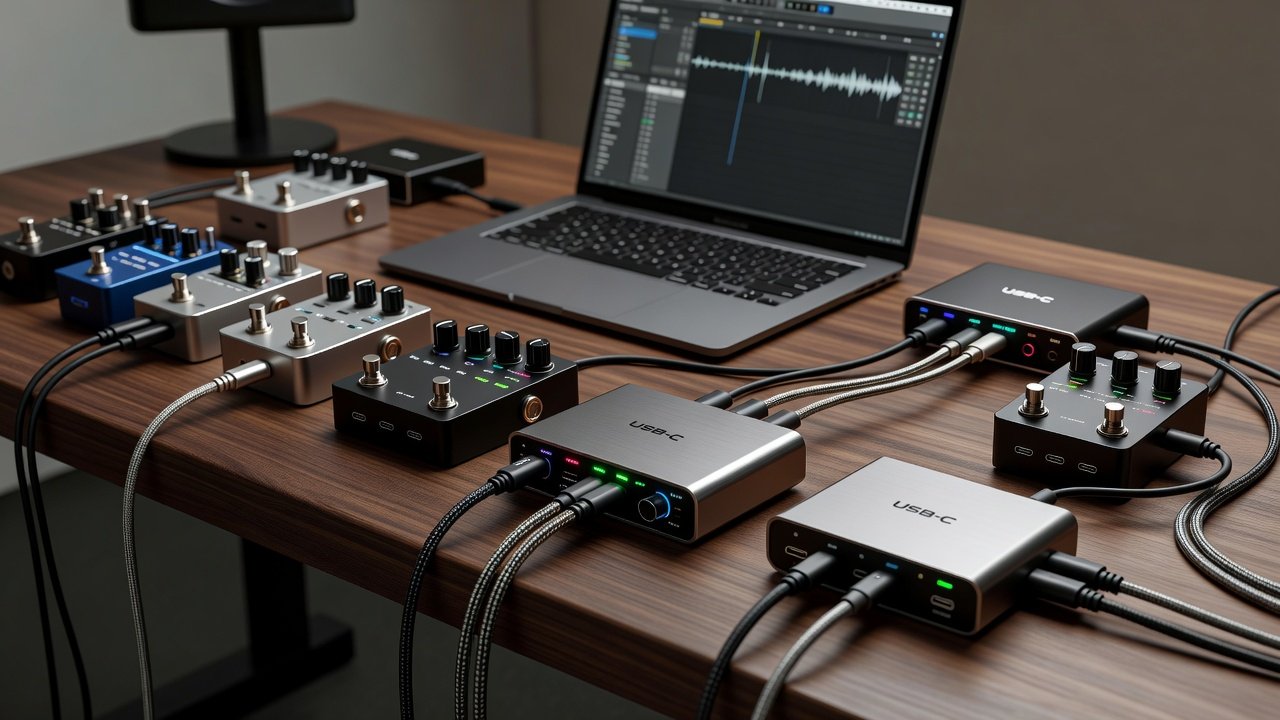
Our evaluation chain began with a Stratocaster into the pedal, then to an audio interface like the Universal Audio Volt series. Output routed directly to calibrated studio monitors such as Yamaha HS8s for neutral reference listening. Additional setups incorporated the Audient iD4 interface paired with Adam Audio A7V monitors to cross-verify results across different preamp designs. Multiple gain stages were tested at moderate volumes to simulate live and recording scenarios. Each pedal underwent A/B switching with bypass loops to isolate tonal shifts, and sessions were documented with notes on perceived warmth, attack, and sustain characteristics.
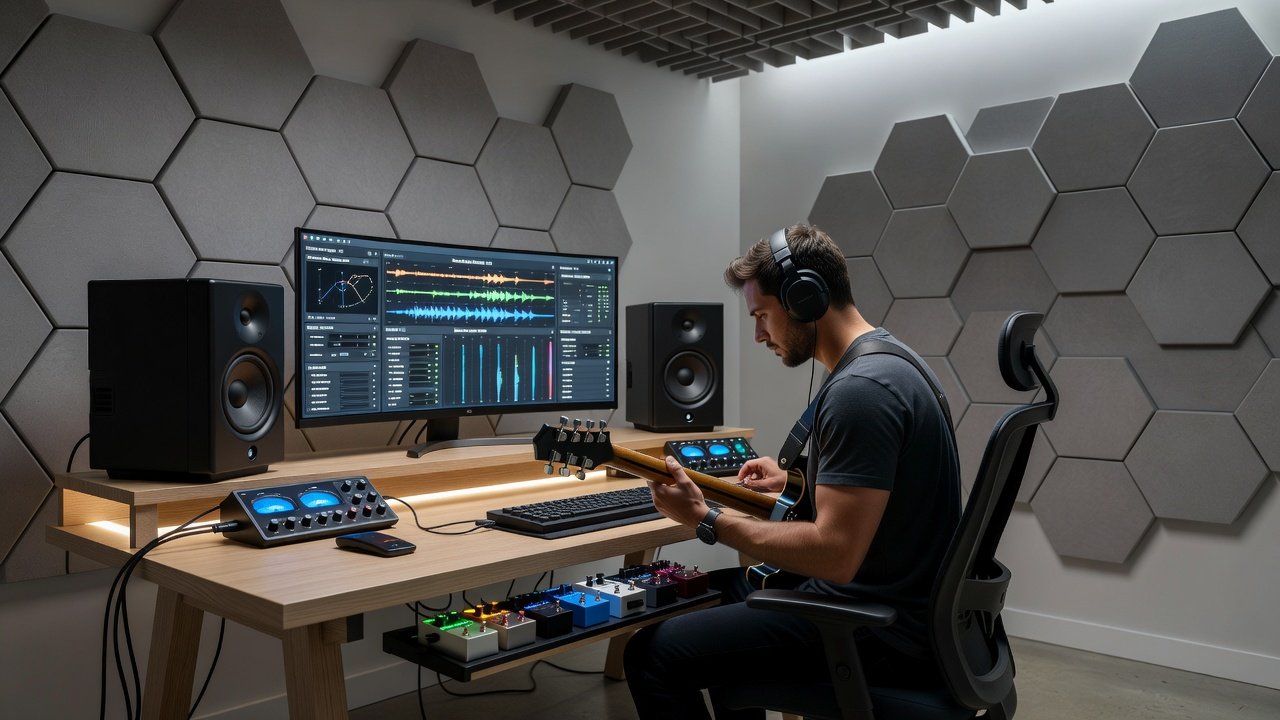
Room treatment was minimal to replicate typical guitarist workspaces, ensuring recommendations translate to everyday use rather than idealized conditions.
Plugin Integration and Recording Chains
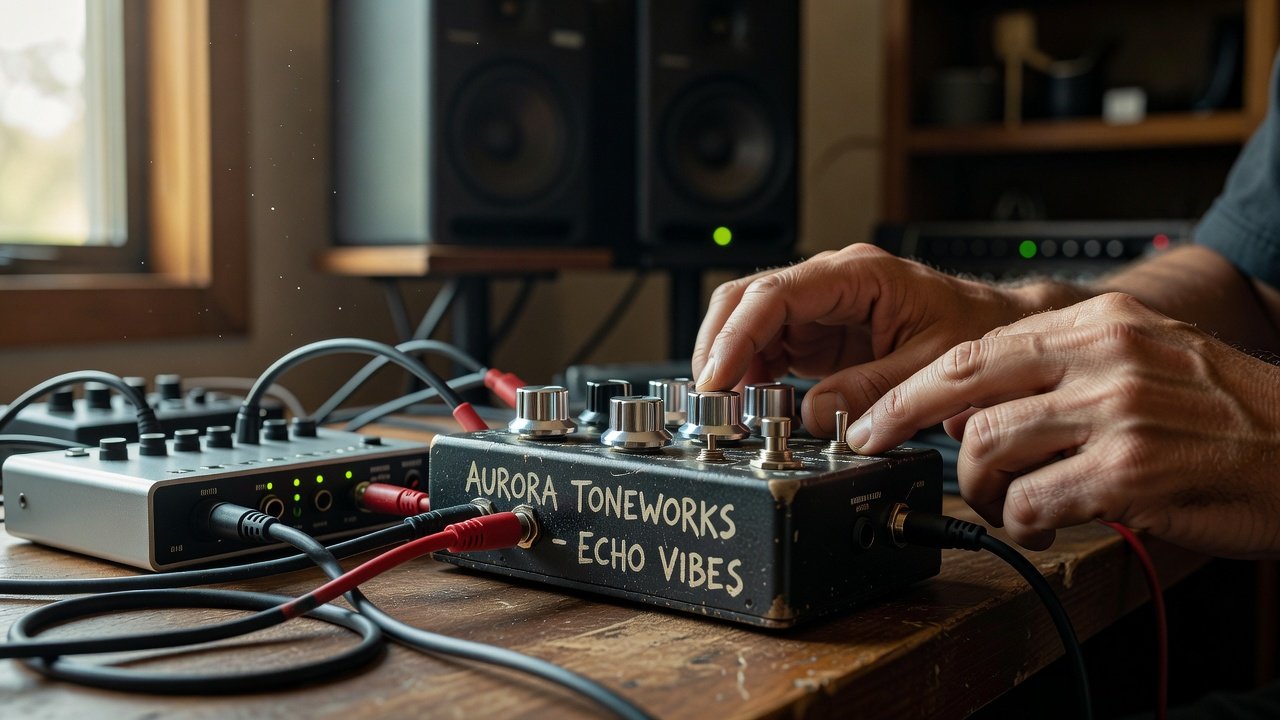
Post-pedal capture involved routing into DAWs for plugin layering. Using Sound on Sound recommended techniques, we applied subtle EQ and compression after the interface to enhance pedal nuances without altering core character. Example chain: Guitar > Hidden gem overdrive > Interface input > DAW track > Light saturation plugin. This setup preserved dynamic response while allowing tonal sculpting. Integration with amp modeling software proved particularly effective, as the analog pedals added organic grit that digital emulations alone often lack. Latency was monitored closely during these tests to maintain tight timing between live playing and plugin processing.
Step-by-Step Listening Tests
- Start with clean guitar tone through monitors to establish baseline frequency response.
- Engage pedal at unity gain and sweep controls slowly while noting changes in midrange presence and high-frequency sparkle.
- Compare bypassed and engaged signals for transparency and any unwanted coloration.
- Introduce amp sim plugins to test stacking potential and compatibility with virtual cabinets.
- Record short phrases and playback on multiple systems for verification of translation across environments.
- Adjust interface gain staging to check for noise floor issues under different load conditions.
These steps uncovered pedals excelling in midrange cut without harshness, providing actionable data for tone shaping decisions.
Practical Examples of Recording Chains
One effective chain used a compressor pedal first, followed by a modulation gem, then delay into the interface. Monitors revealed phase issues early, allowing pre-recording adjustments such as slight delay time tweaks. Another setup layered two underrated fuzz pedals in parallel via a splitter for thick textures, monitored closely to balance levels and avoid frequency masking. A third example involved running a hidden delay pedal into a reverb unit before the interface, creating lush atmospheres suitable for ambient tracks when combined with subtle automation in the DAW.
Common Mistakes to Avoid
Many guitarists overlook impedance matching when connecting pedals to interfaces, leading to dull tones or excessive noise. Another frequent error is relying solely on headphone monitoring during evaluation, which can hide stereo imaging problems that become obvious on studio monitors. Players should also avoid overdriving interface inputs, as this can mask the true character of subtle pedal effects. Finally, skipping A/B comparisons with known reference pedals often results in biased assessments of new acquisitions.
FAQ: Common Pairing Challenges
How do I match pedals with different impedance interfaces?
Use buffers or active pedals when interfacing with high-impedance inputs to maintain signal integrity and prevent tone loss.
What monitors work best for accurate pedal evaluation?
Flat-response models like Adam Audio or Neumann provide the clearest picture of pedal performance across the frequency spectrum.
Can these pedals integrate with amp modelers?
Yes, many hidden gems stack well before modelers, adding analog warmth that plugins alone may lack when used in hybrid setups.
What should I listen for when testing on studio monitors?
Focus on transient response, stereo width, and any unwanted resonances in the low-mids that might not appear on smaller speakers.
Conclusion
Exploring these 2026 hidden gems through studio monitors equips guitarists with informed choices for unique sounds. Applying the outlined tests, comparisons, and recording chains unlocks tonal possibilities beyond standard reviews, encouraging experimentation that leads to more personalized rigs and better-recorded tracks.
No comments yet. Be the first!