 Instrumentiverse

Introduction to Learning Songs by Ear
Learning songs by ear is a foundational skill that empowers beginners to play music without relying on sheet music or tabs. This approach builds strong listening abilities and deepens musical intuition on both guitar and piano. In 2026, ear training remains essential for aspiring musicians seeking independence and creativity. Active listening forms the core of this process, helping you match pitches accurately and internalize rhythms naturally.
Whether you are picking up the guitar for the first time or exploring piano keys, developing these skills transforms how you approach music. This guide covers fundamentals, exercises, instrument-specific advice, real examples, and a structured weekly plan to keep progress steady and motivating.
Fundamentals of Active Listening and Pitch Matching
Active listening means focusing intently on individual notes, intervals, and rhythms rather than passively hearing a song. Start by playing a reference note on your instrument and singing or humming along to match the pitch exactly. Repeat this process with short phrases from simple melodies. Pitch matching improves with daily practice, as your ear learns to recognize subtle differences in tone.
Record yourself playing and compare it to the original recording. Adjust until the notes align perfectly. This method works equally well on guitar frets and piano keys, though each instrument presents unique physical challenges.
Simple Interval Recognition Exercises
Intervals are the building blocks of melodies. Begin with basic ones like the perfect fifth or major third. Play two notes sequentially on your instrument and identify the distance between them by ear. Use apps or online resources from Music Theory for guided drills. Practice ascending and descending intervals daily for five minutes to build recognition speed.
Advanced beginners can progress to minor seconds and tritones. Sing the interval before playing it to reinforce auditory memory. Consistent exercise leads to faster transcription of full songs.
Step-by-Step Methods for Transcribing Basic Melodies
Transcribing starts with selecting a short, slow melody. Listen once without playing, then isolate the first few notes. Match each pitch on your instrument one at a time. Write down the notes or record them for reference. Break the melody into two-bar segments and repeat until the full phrase is captured accurately.
Verify your transcription by playing along with the original track. Adjust for rhythm by clapping the beat separately. This methodical approach reduces frustration and builds confidence over time.
Instrument-Specific Tips: Guitar Fretting vs Piano Keys
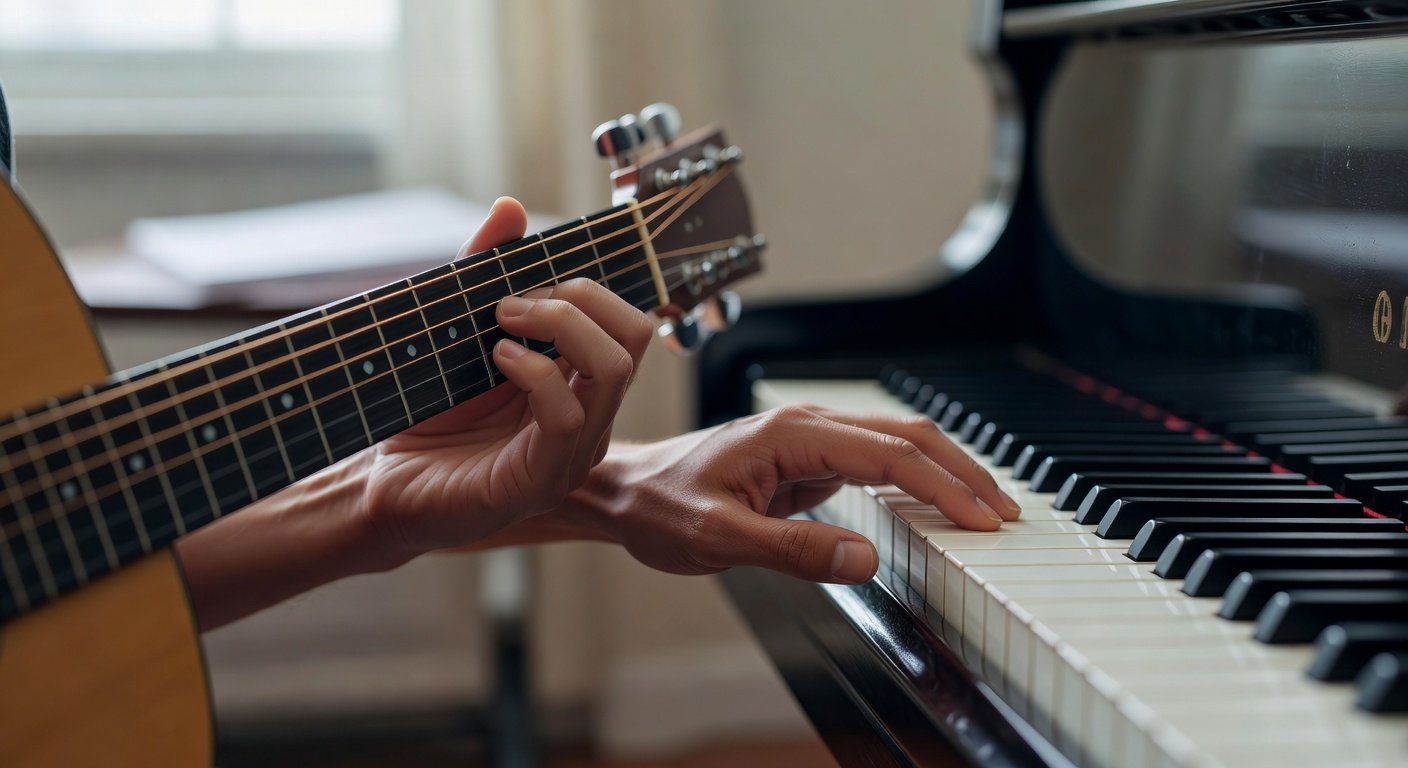
On guitar, focus on fretboard visualization. Use open strings as reference points and slide fingers to match heard pitches. Practice bending strings slightly to fine-tune intonation. Guitar players often struggle with precise fretting under pressure, so slow down and prioritize clean tone.
Piano offers visual clarity with clear key layout. Match pitches by locating the exact key after hearing the note. Beginners benefit from playing octaves apart to confirm accuracy. Piano challenges include coordinating both hands for melody and harmony simultaneously.
Comparing the two, guitar demands more tactile memory while piano relies on spatial awareness. Experiment with both to discover your preference.
Real-World Examples Using Popular Beginner Tunes
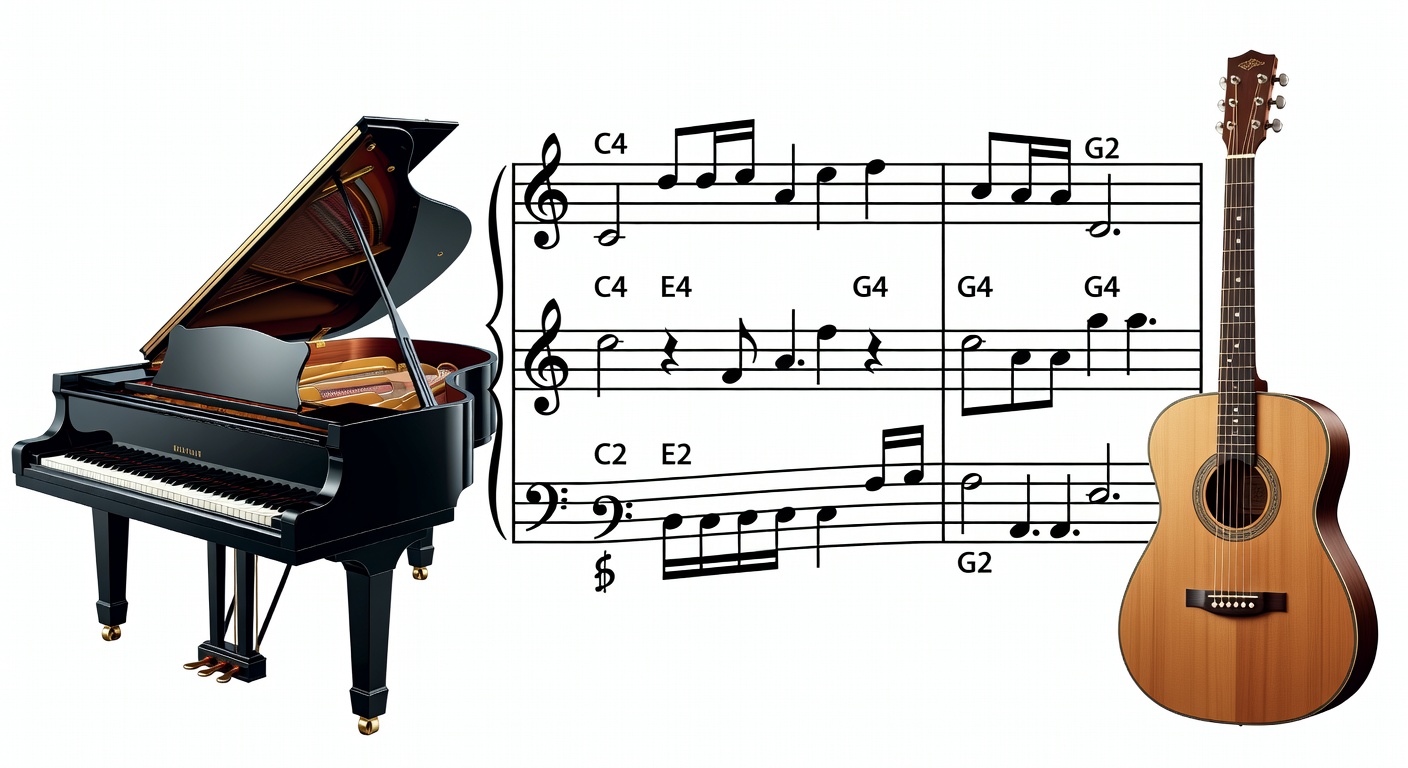
Try transcribing "Twinkle Twinkle Little Star" first. Its simple ascending and descending intervals make it ideal for beginners. On guitar, start on the third fret of the B string; on piano, use middle C as the root. Next, tackle "Happy Birthday," focusing on its distinctive major third leaps.
These tunes allow quick wins and demonstrate how ear training applies to familiar music. Once mastered, move to slightly complex melodies like "Mary Had a Little Lamb" to reinforce skills.
Challenges Comparison and How to Overcome Them
Guitarists frequently battle intonation issues and string buzzing, while pianists may struggle with hand independence. Both face rhythm maintenance and staying in tune during extended play. Use a metronome to lock in timing and tune your instrument before every session.
Overcoming these requires patience and targeted drills. Record sessions to spot errors objectively and celebrate small improvements.
Actionable Practice Tips for Daily Success
Practice in short, focused sessions of 20-30 minutes. Always start with warm-up intervals before attempting full transcriptions. Sing every note you play to strengthen ear-instrument connection. Surround yourself with music by listening actively during commutes or breaks.
- Keep a practice journal to track transcribed songs and interval mastery.
- Play along with slowed-down versions of tracks using free audio tools.
- Join online communities for feedback on your transcriptions.
Weekly Progression Plan
Week 1: Focus on single-note matching and basic intervals using one song. Week 2: Transcribe two short phrases and compare guitar versus piano approaches. Week 3: Add rhythm clapping and full melody transcription. Week 4: Attempt a complete beginner tune and review recordings for refinement. Repeat and expand the plan monthly for continuous growth.
Frequently Asked Questions
How do I stay in tune while learning by ear?
Tune your instrument at the start of every practice. On guitar, check each string against a reliable tuner. Piano stays in tune longer but benefits from periodic professional checks.
What if I cannot maintain rhythm?
Clap or tap the beat separately before playing notes. Use a metronome set at half speed to build accuracy gradually.
Is ear training harder on guitar or piano?
Both present distinct challenges; guitar requires more physical adjustment while piano offers clearer visual cues. Consistent practice equalizes difficulty.
Conclusion
Learning songs by ear on guitar and piano opens a world of musical freedom for beginners. Through active listening, interval practice, and structured transcription, you develop skills that last a lifetime. Follow the weekly plan, apply the tips, and enjoy the journey of discovering music on your own terms.
No comments yet. Be the first!