 Instrumentiverse
Introduction
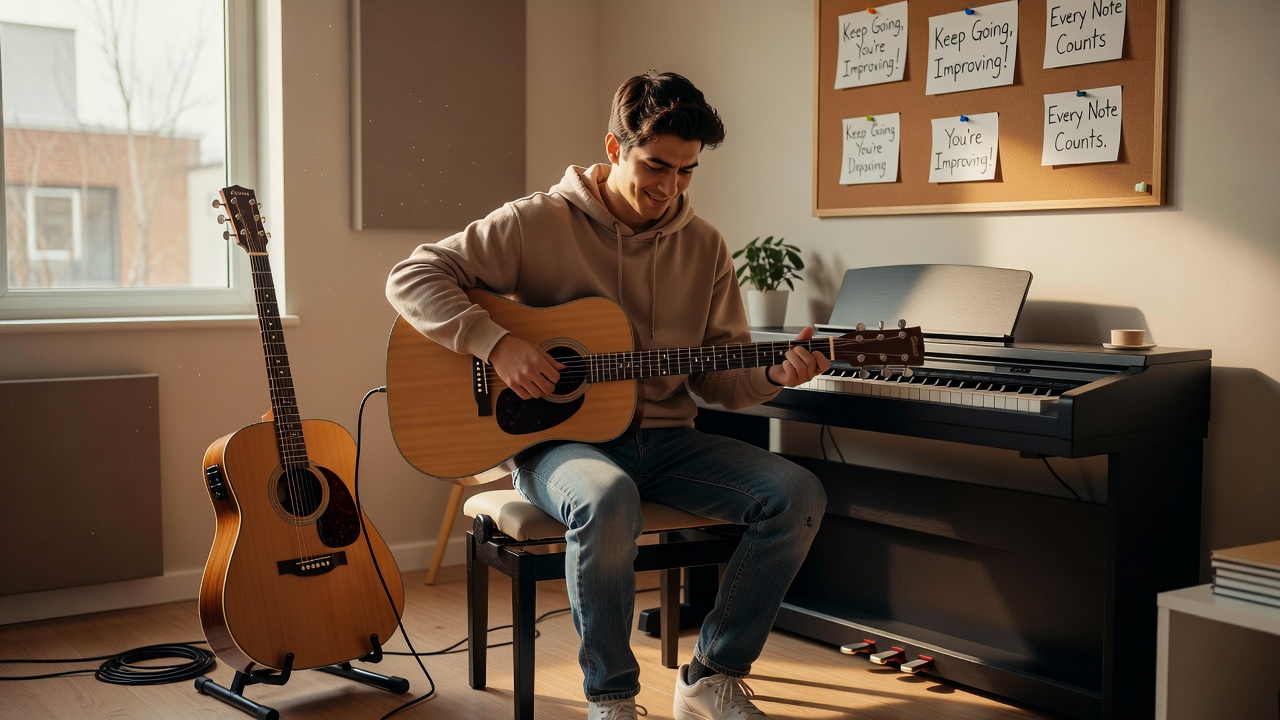
Learning two instruments at once can feel overwhelming for beginners, but coordinating guitar and piano practice builds stronger music fundamentals and versatility. In 2026, more aspiring musicians are discovering that dual-instrument training accelerates progress when approached methodically. This guide provides step-by-step advice tailored for complete beginners who want to develop coordination without burnout or frustration. Whether you are picking up both instruments for the first time or transitioning from one to the other, structured practice helps reinforce rhythm, melody, and harmony simultaneously.
Benefits of Practicing Guitar and Piano Simultaneously
Combining these instruments reinforces core concepts like rhythm, melody, and harmony. Guitar helps with chord shapes and fingerpicking techniques that translate well to understanding musical structure, while piano strengthens music theory visualization through its linear layout of keys. Together they improve ear training and creativity faster than single-instrument study. Many beginners report better overall dexterity and the ability to compose original pieces sooner because each instrument highlights different aspects of the same musical idea. For instance, learning a chord progression on piano makes it easier to visualize intervals when transferring to guitar frets.
Common Challenges for Beginners
Hand independence is the biggest hurdle—guitar requires fretting and strumming coordination while piano demands separate left- and right-hand movements. Time management also poses issues when balancing two instruments alongside daily life. Additional challenges include maintaining consistent posture to avoid strain and staying motivated when progress on one instrument feels slower than the other. Beginners often struggle with switching mental focus between the horizontal layout of guitar strings and the vertical piano keys, which can lead to temporary confusion in the early weeks.
Daily Scheduling Tips
Start with short, focused sessions. Dedicate 20 minutes to piano scales followed by 20 minutes on guitar chords. Alternate days for deeper focus on one instrument while maintaining light review on the other. Track progress in a simple notebook to stay motivated. Consider morning sessions for piano when your mind is fresh and evening guitar practice for winding down. Use a phone timer to keep sessions efficient and avoid overextending. On busier days, combine both instruments in a single 30-minute block by playing the same simple melody on each back-to-back.
Simple Cross-Instrument Exercises
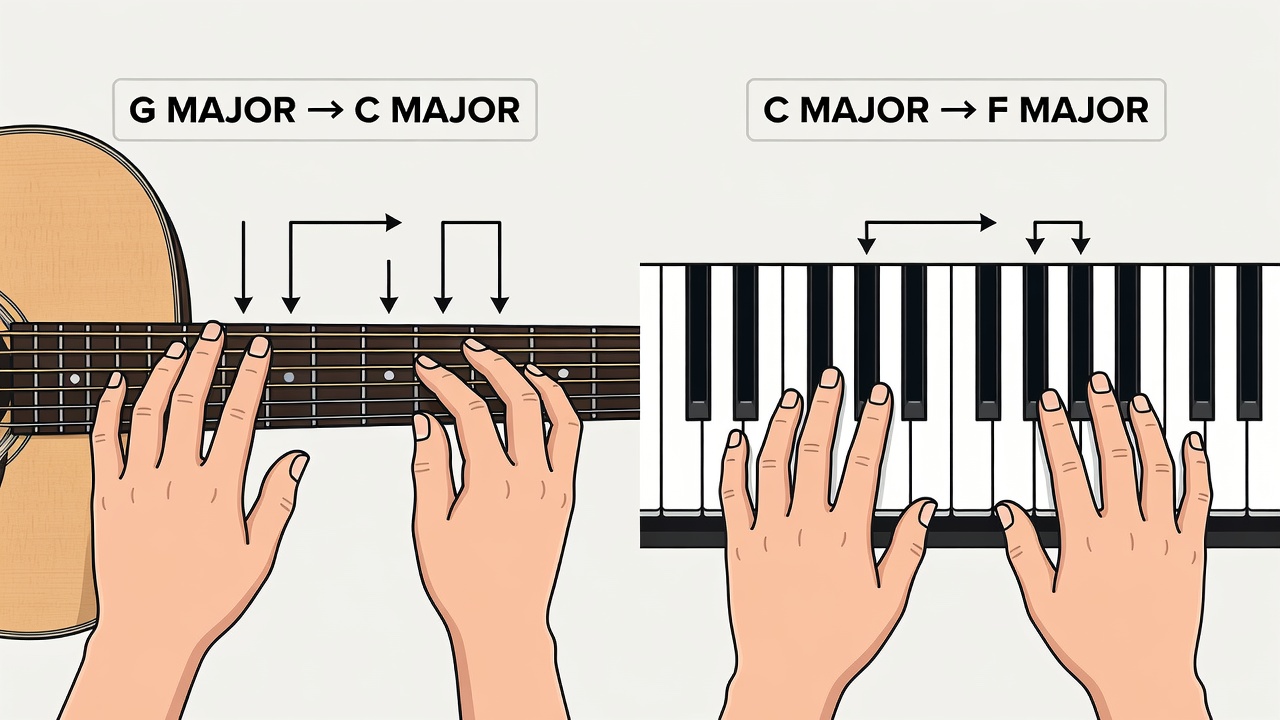
Try these beginner-friendly drills three times per week. First, play a C major scale on piano with the right hand, then replicate the same notes on guitar using open strings and frets, focusing on matching tone and timing. Second, practice basic chord transitions: move from C to G on both instruments, focusing on clean changes and relaxed wrists. Third, use a metronome at 60 BPM to play quarter notes on piano while tapping the rhythm on the guitar body to build coordination. Fourth, try playing a single note melody on piano with your right hand and echo it on guitar with single picked notes. These exercises build muscle memory across both instruments and can be adjusted as your skills grow.
Progression Milestones
After four weeks, aim to play a simple melody on both instruments without looking at your hands. By eight weeks, combine basic chords with melody in short songs. At the three-month mark, attempt a duet-style piece where you switch between instruments fluidly. Track these milestones in your practice journal and adjust goals if needed. Real-world examples show that consistent dual practice leads to noticeable improvements in finger strength and musical intuition by the six-month point.
Sample Short Practice Routines
Morning 15-minute piano warm-up consisting of scales and arpeggios, followed by evening 15-minute guitar review of chords and strumming patterns. On weekends, combine both for a 30-minute duet-style session using familiar songs such as “Happy Birthday” or “Twinkle Twinkle Little Star.” Another routine involves dedicating Monday, Wednesday, and Friday to piano-focused work with guitar review, while Tuesday and Thursday emphasize guitar with piano reinforcement. Rotate songs weekly to keep engagement high and prevent repetition fatigue.
Avoiding Frustration and Injury
Listen to your body—take breaks every 20 minutes and stretch your wrists and fingers before and after sessions. Maintain good posture with both instruments at the correct height. For more guidance on healthy practice habits, see Berklee College of Music resources. If pain occurs, consult a professional instructor immediately. Beginners should also vary their grip and avoid tensing shoulders. Incorporate breathing exercises during transitions between instruments to reduce mental stress. Many new players find that recording short practice clips helps identify tension early and celebrate small improvements.
Printable Daily Checklist
- Warm-up fingers for 3 minutes with gentle stretches
- Review one scale on each instrument slowly
- Practice two chord transitions with clean execution
- Play one simple song snippet from memory
- Log session notes including what felt easy or challenging
- End with 2 minutes of free play to stay creative
FAQ
How do I avoid hand fatigue? Stretch regularly, keep sessions short at first, and gradually increase duration as strength builds.
Is it okay to practice both on the same day? Yes, but split time evenly to prevent overload and allow recovery between focused segments.
What if I feel discouraged? Focus on consistency over perfection, revisit easy songs for quick wins, and remember that dual practice compounds benefits over time.
Should I buy special equipment? Start with basic acoustic guitar and a digital keyboard; additional accessories like a metronome app can be added later without major expense.
How long before I see results? Most beginners notice improved coordination within four to six weeks of steady practice.
Conclusion
With consistent scheduling, targeted exercises, and mindful habits, beginners can successfully coordinate guitar and piano practice in 2026. Start small, track progress, and enjoy the growing versatility that comes from mastering two instruments together. For foundational music education support, explore NAMM Foundation programs and continue building your skills one session at a time.
No comments yet. Be the first!