 Instrumentiverse
Introduction: Tyler, the Creator's Enduring Impact in 2026
Tyler, the Creator stands as one of hip-hop's most inventive forces, blending rap, jazz, R&B, and experimental sounds across a career that continues to evolve. In 2026, his work remains a touchstone for fans seeking alternatives to mainstream pop, with albums that challenge genre norms and production techniques that inspire countless artists. This profile explores his journey, highlighting key milestones, sonic experiments, and practical lessons from his creative process. Unlike many artists who settle into formulaic releases, Tyler consistently reinvents his sound, making his discography essential study material for anyone interested in creative risk-taking within modern music.
Origins in Odd Future and Early Breakthroughs
Tyler Gregory Okonma launched his career with the collective Odd Future in the late 2000s, releasing mixtapes that mixed shock value with raw lyricism. The group's 2011 album Goblin introduced his signature style of dark humor and intricate beats. By 2013's Wolf, Tyler demonstrated growing sophistication in arrangement, drawing from punk and alternative influences. These early projects laid the foundation for his reputation as a risk-taker unafraid to alienate casual listeners in pursuit of authenticity. Odd Future's DIY ethos taught him the value of independence, allowing full creative control that major labels rarely grant. Tracks like "Yonkers" from Goblin became cultural touchstones, showcasing his ability to merge abrasive production with memorable hooks. This period also highlighted his skills as a visual artist, with album covers and music videos that extended the sonic narrative into multimedia territory.
Signature Sonic Experiments Across Albums
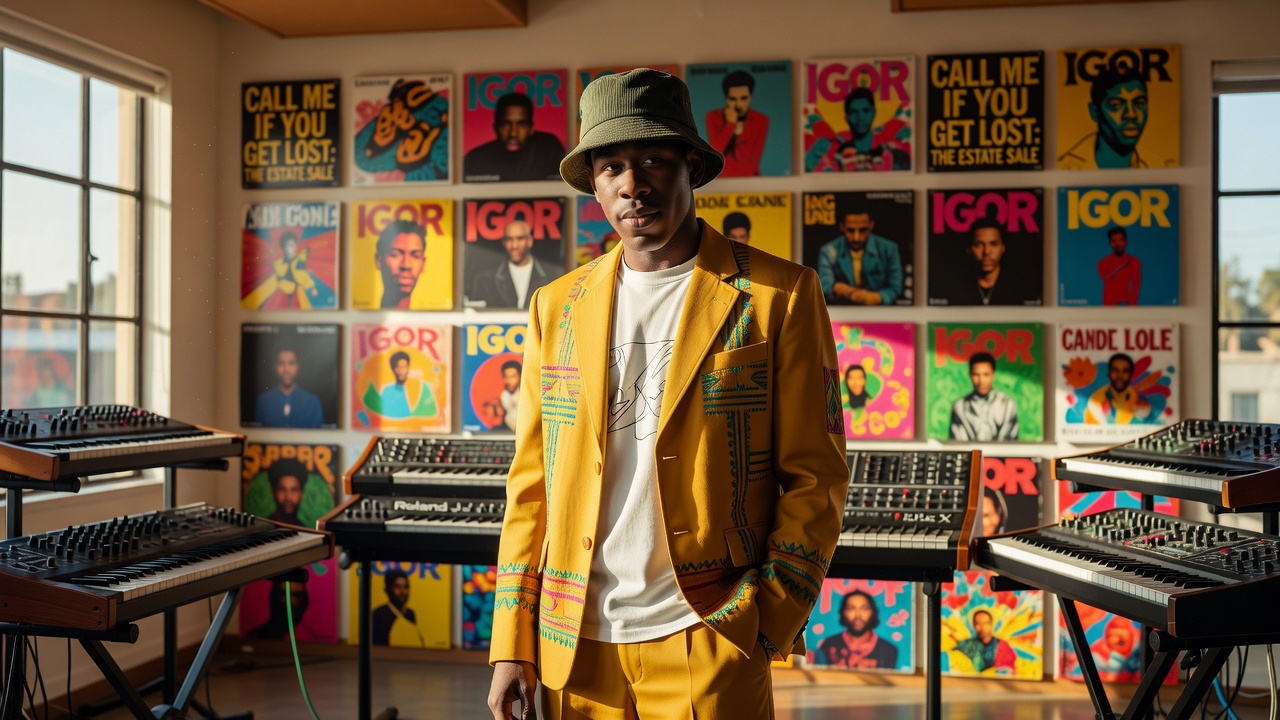
Tyler's discography showcases deliberate genre shifts that reward repeated listens. Cherry Bomb (2015) embraced distorted guitars and live instrumentation, while Flower Boy (2017) incorporated lush orchestration and introspective themes about identity and relationships. IGOR (2019) leaned into psychedelic soul with warped vocals and unconventional structures, and Call Me If You Get Lost (2021) paid homage to 1990s boom-bap while adding yacht-rock flourishes. Tracks like "Earfquake" exemplify his willingness to flip expectations, using unconventional samples and vocal processing to create emotional depth. In 2026 updates, fans anticipate further fusion of electronic and acoustic elements based on recent live performances, where he has previewed new material incorporating modular synthesis and field recordings. Each album serves as a case study in progression: compare the lo-fi grit of early work to the polished yet adventurous arrangements later on. Producers can learn from his use of negative space, allowing instruments to breathe rather than overcrowding mixes.
High-Profile Collaborations and Their Influence
Tyler has worked with artists ranging from Grammy-winning producers to emerging talents. Partnerships with Frank Ocean on "She" and A$AP Rocky on "Potato Salad" highlight his ability to elevate joint projects through thoughtful arrangement choices. More recent team-ups with artists like Lil Yachty on Let's Start Here demonstrate cross-generational appeal. These collaborations often serve as masterclasses in creative synergy, where Tyler contributes both production and songwriting. He has also linked with Pharrell Williams and Kanye West, absorbing their approaches to melody and sampling while adding his distinctive twist. Analyzing these tracks reveals patterns: Tyler frequently handles the bulk of production himself, ensuring cohesion even when multiple voices are involved.
Influence on Genre Fusion and Peer Comparisons
Compared to peers like Kendrick Lamar or Kanye West, Tyler prioritizes sonic texture over narrative density. His risk-taking mirrors innovators such as OutKast in their prime, pushing hip-hop toward jazz and funk territories without losing rap's core energy. This approach has influenced a wave of artists experimenting with hybrid sounds, from experimental rap to alternative R&B. Practical insight: aspiring producers can study his layering techniques, where he stacks unconventional instruments like harpsichords over trap drums to create unexpected tension. Unlike some contemporaries who chase trends, Tyler's fusions feel organic, born from genuine curiosity rather than market calculations. His impact extends beyond music into fashion and visual arts, encouraging multidisciplinary thinking among younger creators.
Practical Insights into Tyler's Workflow
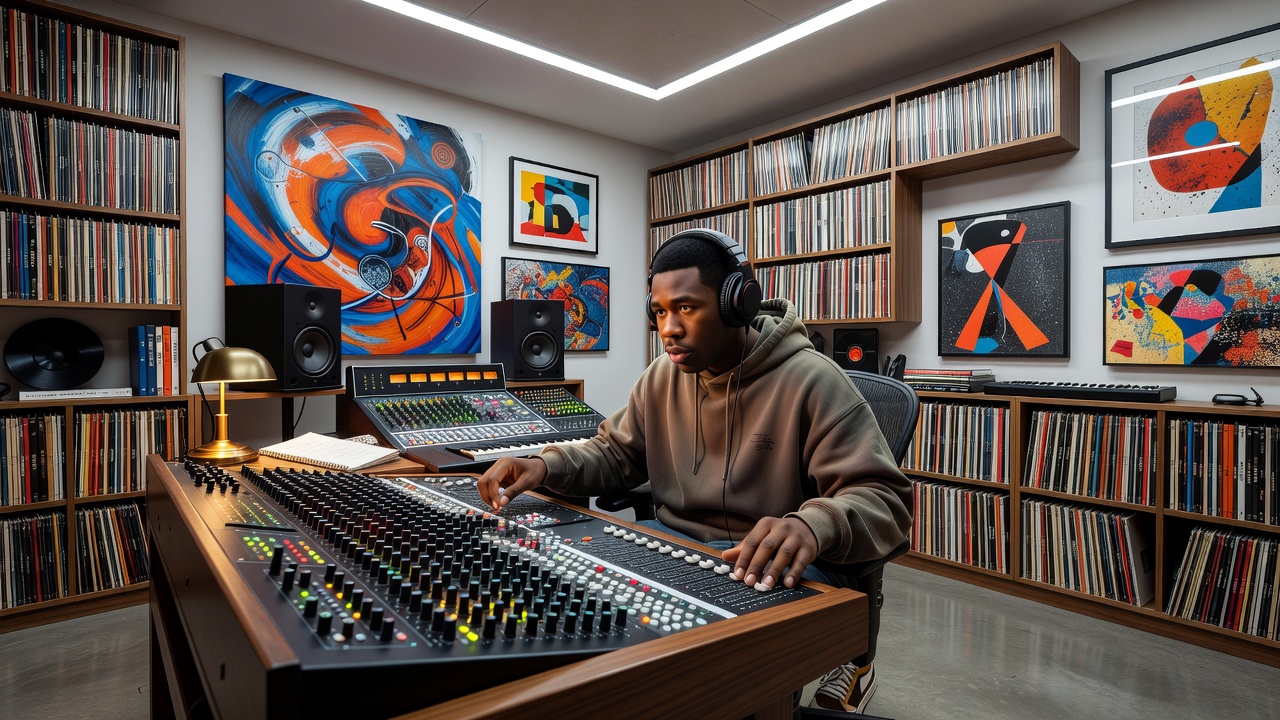
Tyler's production often begins with live band sessions before digital manipulation in software like Ableton. He favors vintage synthesizers for warmth and records vocals multiple times to capture emotional nuance. A useful tip for emulating his style: start with a simple loop, then introduce unexpected key changes mid-track. Avoid over-polishing; embrace imperfections as he does on raw cuts from early mixtapes. This method fosters the organic feel that defines his output. Additional steps include sketching ideas on piano or guitar before programming, then refining with effects chains that add movement. He often references industry charts not for imitation but to understand what resonates broadly before subverting those expectations. Workflow tips include daily listening sessions to new and old records for inspiration, followed by immediate experimentation in the studio.
- Begin with analog gear for foundational tones before layering digital elements
- Experiment with vocal pitch-shifting and reverb for character and space
- Blend live drums with programmed beats to achieve hybrid grooves
- Iterate through multiple mixes, taking breaks to maintain fresh perspective
- Incorporate field recordings or found sounds for unique texture
Genre Fusion Techniques: Step-by-Step Application
To apply Tyler's methods, first identify core elements from disparate genres, such as jazz chords over hip-hop drums. Next, distort or process one element to create contrast. Test transitions between sections by automating filters or volumes. Finally, review the full arrangement for balance, ensuring no single part dominates. This structured approach helps creators avoid generic results while maintaining listenability.
FAQ: Common Questions on Gear, Influences, and 2026 Projects
What gear does Tyler use in the studio?
He relies on a mix of classic synths like the Roland Juno and modern DAWs, though exact setups evolve per project. His choices emphasize tactile control and analog character over purely software-based solutions, allowing for spontaneous adjustments during recording.
Who are his biggest musical influences?
Pharrell Williams, Stevie Wonder, and 1970s funk pioneers rank high, alongside punk acts that shaped his rebellious ethos. These influences appear in his harmonic choices and rhythmic experiments, blending soulful melodies with aggressive beats.
What 2026 projects are on the horizon?
While unconfirmed, recent interviews suggest new material blending his signature eclecticism with contemporary electronic trends. Fans can expect continued emphasis on live instrumentation paired with innovative production twists.
Conclusion
Tyler, the Creator's trajectory through 2026 underscores the value of artistic evolution in hip-hop. By dissecting his origins, experiments, and methods, fans and creators alike gain tools to appreciate and apply similar innovation in their own work. His career demonstrates that sustained creativity comes from fearless exploration rather than repetition, offering a blueprint for long-term artistic relevance.
No comments yet. Be the first!