 Instrumentiverse
Introduction: Pharrell Williams in 2026
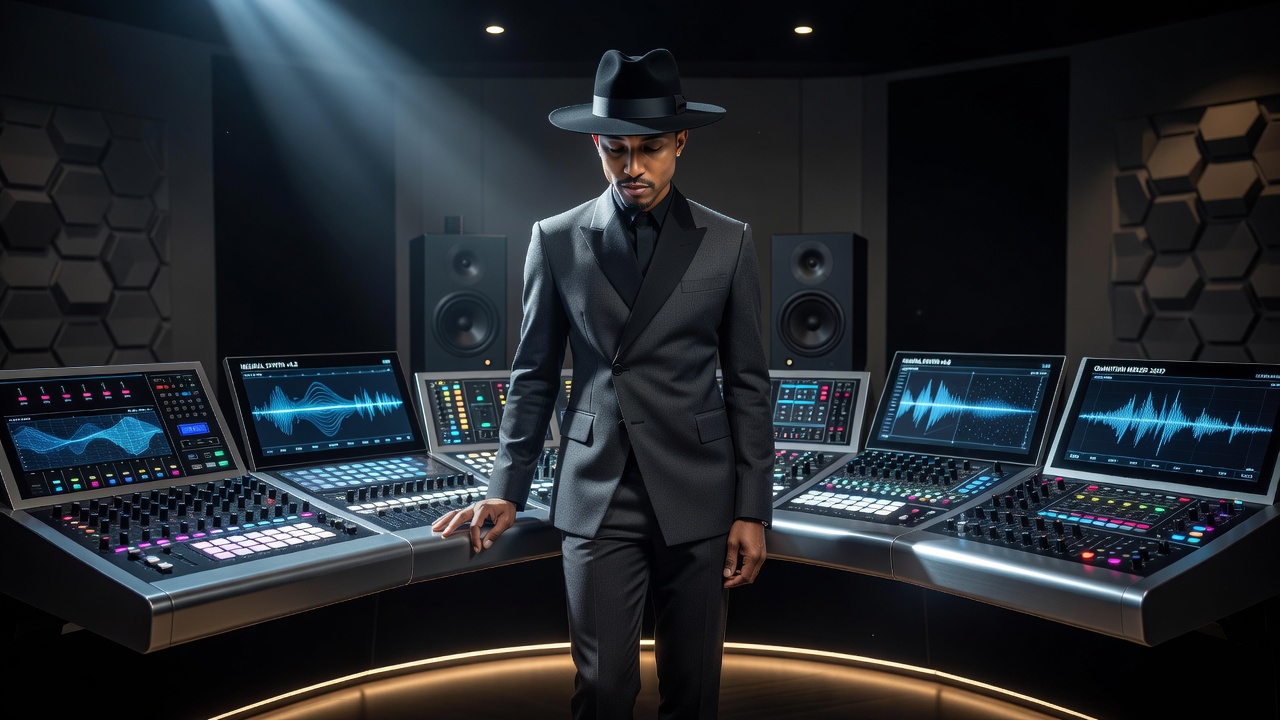
Pharrell Williams stands as one of the most influential figures in modern music. His evolution from a Virginia Beach beatmaker to a global hitmaker reflects a unique blend of creativity, business acumen, and cultural impact. This profile examines his career trajectory with a focus on 2026 developments, offering practical insights for musicians and producers seeking to understand his methods. Over the decades, Pharrell has consistently delivered chart-topping work while mentoring new generations, making his story essential reading for anyone interested in the music industry.
Early Roots with N.E.R.D. and the Neptunes
Pharrell's story begins in the late 1990s alongside Chad Hugo in The Neptunes. Their production work shaped early 2000s hip-hop and R&B with innovative sounds that stood out from mainstream trends. Forming N.E.R.D. allowed Pharrell to explore rock-infused sounds while maintaining pop appeal. The group's debut album In Search Of... showcased experimental production that blended funk, rock, and electronic elements, setting the stage for his later solo successes. These early experiences taught him the value of genre fusion, a skill he still applies in 2026 projects. Growing up in Virginia Beach exposed him to diverse musical influences from church choirs to local hip-hop scenes, which informed his rhythmic sensibilities from the start.
Signature Production Techniques
Pharrell's approach emphasizes space, minimalism, and memorable hooks. He often layers simple synth lines over crisp drums, creating grooves that feel both futuristic and timeless. In tracks like "Happy," he demonstrates restraint by letting vocals breathe over sparse instrumentation. Producers can learn from his use of live instrumentation mixed with digital tools to craft organic textures. He frequently starts sessions by recording live drums before programming additional layers, ensuring the foundation feels human rather than mechanical. Another key technique involves strategic silence, where he removes elements to build tension before explosive choruses. This method appears across his catalog and remains relevant in his recent 2026 productions.
Comparisons to Minimalist Producers
Unlike dense producers who fill every frequency, Pharrell aligns more with minimalist minds like those behind early Quincy Jones arrangements. He prioritizes groove over complexity. This method allows artists' personalities to shine through. Aspiring creators should study how he strips tracks back during mixing to enhance emotional resonance. Compared to more maximalist figures in electronic music, Pharrell's restraint creates longevity in his hits. For example, his work avoids overcrowding the low end, leaving room for basslines to punch through clearly on various playback systems.
2026 Collaborations with Emerging Musicians
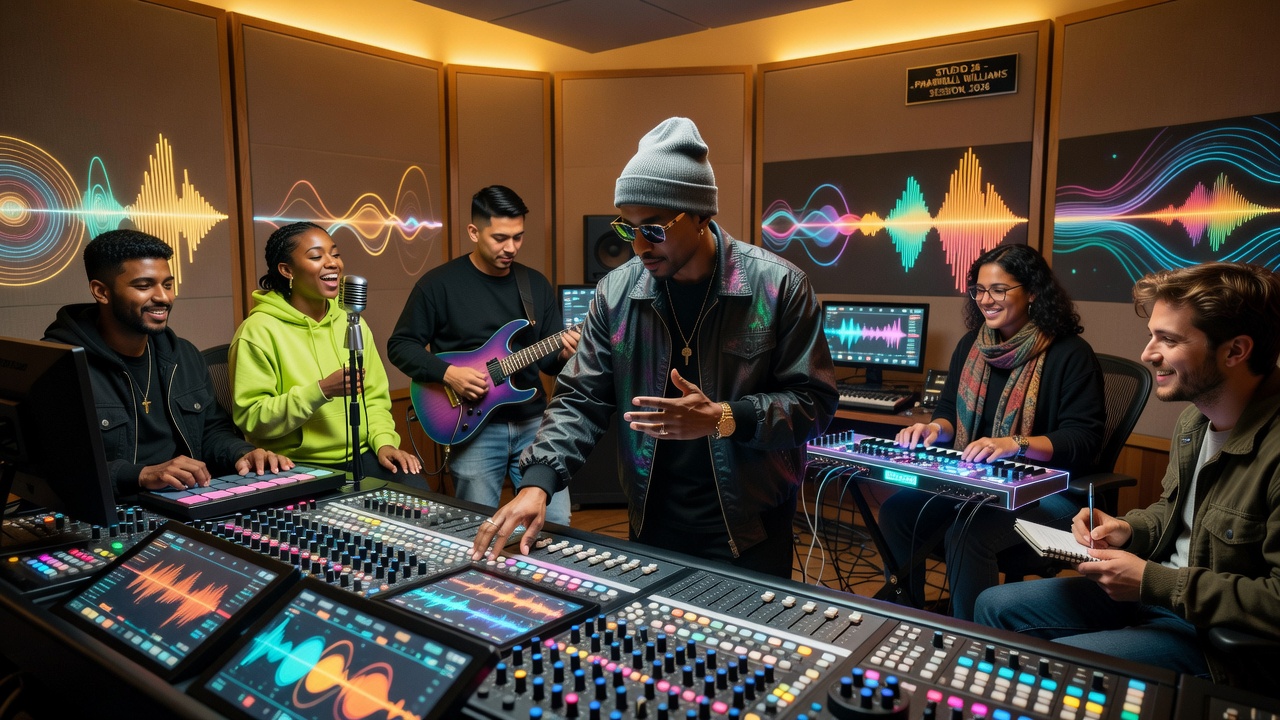
In 2026, Pharrell continues mentoring new talent through high-profile joint projects. His work with rising indie and hip-hop acts highlights adaptive production styles tailored to each artist's voice. These partnerships often involve co-writing sessions that evolve into chart contenders, proving his ongoing relevance in a fast-changing industry. Recent examples include studio sessions with up-and-coming vocalists where he encourages experimentation with unconventional instruments like steel drums or vintage keyboards. Such collaborations not only refresh his sound but also provide platforms for lesser-known artists to gain visibility.
Practical Examples from Chart-Topping Tracks
Pharrell's discography offers concrete lessons through specific songs. Consider these standout examples:
- "Get Lucky" with Daft Punk: Layered guitar riffs and funky bass create an infectious loop that dominated dance floors worldwide.
- "Blurred Lines": Bold vocal samples paired with driving percussion for instant replay value and cultural conversation.
- Recent 2026 singles: Emphasis on collaborative vocal stacks and unexpected genre blends that keep listeners engaged from start to finish.
- "Happy": Sparse piano and handclaps allow the melody to carry emotional weight without distraction.
Analyzing these tracks reveals consistent patterns in arrangement that producers can replicate in their own work.
Advice for Aspiring Creators
Study Pharrell's discography to identify patterns in arrangement. Start with core drum patterns, then add melodic elements sparingly. Network through platforms like Grammy.com for industry insights. Experiment with live sessions to capture authentic energy similar to his process. Avoid common mistakes such as overproducing early drafts or ignoring the importance of negative space in mixes. Instead, focus on iterative refinement by listening on multiple devices. Another practical step involves building a network of session musicians, as Pharrell often does to add organic layers. Aspiring producers should also track song structures across decades of his output to see how trends evolve while core principles remain steady.
Industry Impact and Cultural Influence
Beyond individual hits, Pharrell has shaped broader music culture through fashion crossovers and entrepreneurial ventures. His influence extends to how producers approach cross-genre work today. In 2026, his role as a mentor underscores a shift toward collaborative ecosystems in the streaming era. This impact is measurable through the number of artists citing him as an inspiration in interviews and liner notes. His techniques continue to appear in productions by younger talents, demonstrating lasting educational value for the field.
Conclusion
Pharrell Williams' 2026 profile reveals a producer who constantly reinvents while honoring foundational techniques. His journey offers valuable lessons in creativity and collaboration for the next generation of hitmakers.
FAQ
What are Pharrell's main musical influences?
His influences include funk legends, jazz, and hip-hop pioneers, which he channels into versatile productions across multiple eras.
How can beginners apply his techniques?
Focus on space in mixes and collaborate widely to refine your sound while avoiding overcomplication in early stages.
Where to find more on his 2026 work?
Check updates on Billboard.com for recent releases and interviews.
What mistakes should new producers avoid when emulating his style?
Common pitfalls include neglecting live recording opportunities and failing to iterate on arrangements after initial demos.

No comments yet. Be the first!